
Key points
You must obey all official signs, signals and markings unless a police officer or road worker is redirecting traffic.
Source: Handbook p. 7
“You must obey all official signs, signals, and markings unless you see a police officer or road worker redirecting traffic.”
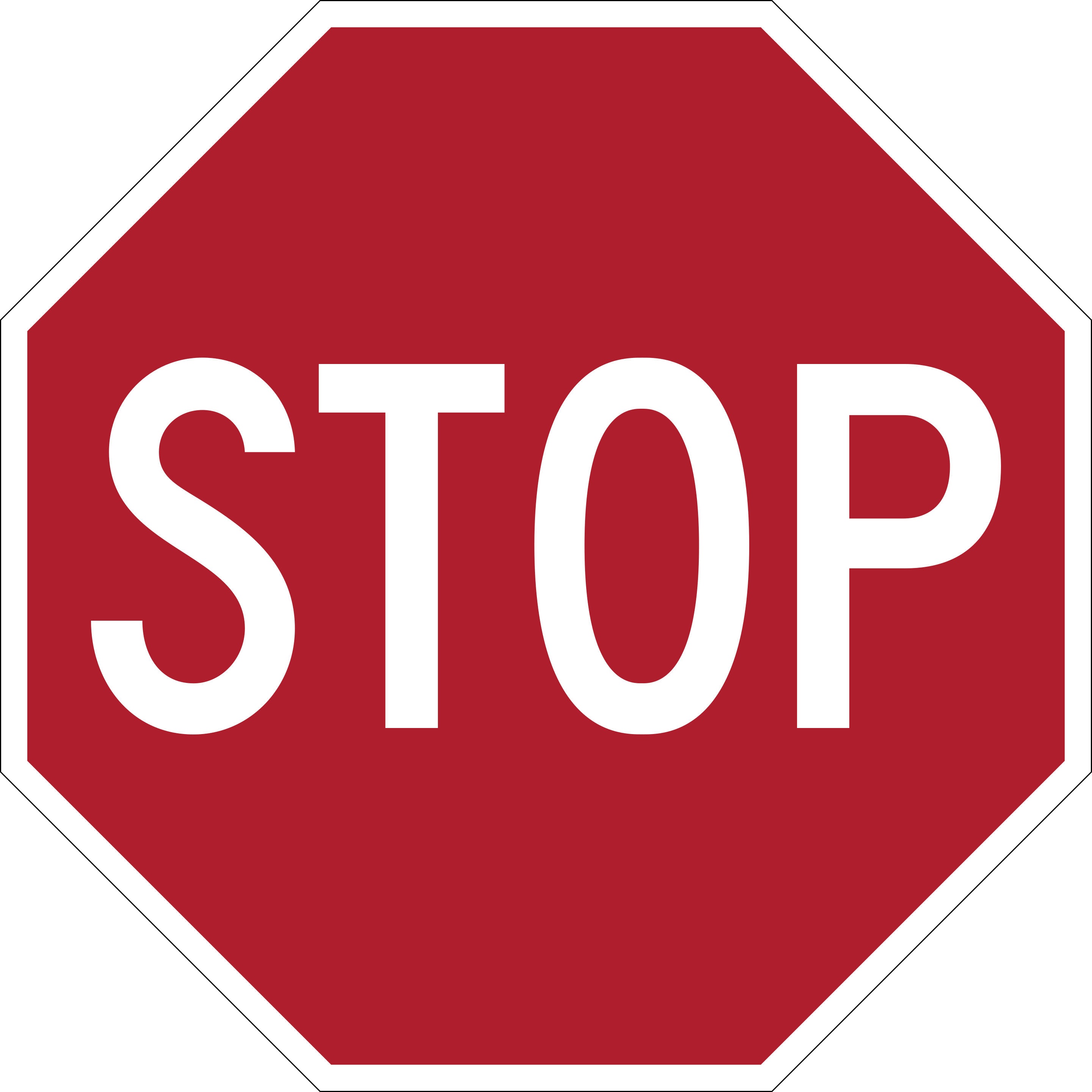
Oregon Driver Manual, Handbook p. 7A stop sign means a complete stop; stay stopped for pedestrians in marked or unmarked crosswalks.
Source: Handbook p. 7
“This sign means you must come to a complete stop. Yield to other vehicles and stop and stay stopped for pedestrians crossing in marked or unmarked crosswalks.”
Oregon Driver Manual, Handbook p. 7A yield sign means slow down and yield the right of way, stopping if needed.
Source: Handbook p. 7
“This sign means you should reduce speed and yield right of way. If needed, stop the same as you would for a stop sign.”
Oregon Driver Manual, Handbook p. 7A do not enter sign warns you not to enter a road or freeway; you will see it if you are going the wrong way.
Source: Handbook p. 7
“This sign warns you not to enter a road or freeway. You will see this sign if you are going the wrong way.”
Oregon Driver Manual, Handbook p. 7A red circle with a slash means do not make the turn shown.
Source: Handbook p. 7
“When you see a sign with a red circle and a slash mark, it means do not make the turn shown.”
Oregon Driver Manual, Handbook p. 7White rectangular regulatory signs with black words or symbols tell you what to do.
Source: Handbook p. 8
“Regulatory signs are rectangular with black words or symbols on a white background and tell you what to do.”
Oregon Driver Manual, Handbook p. 8Under a stop sign, a Right Turn Permitted Without Stopping sign lets right turning traffic go without stopping.
Source: Handbook p. 8
“This sign may appear below a stop sign. Traffic turning right may turn without stopping. Other traffic must stop and yield right of way.”
Oregon Driver Manual, Handbook p. 8No Turn on Red means you wait for the green before turning.
Source: Handbook p. 9
“No Turn on Red: You may not turn during the red light. You must wait for the signal to turn green.”
Oregon Driver Manual, Handbook p. 9An HOV lane is reserved for vehicles carrying at least two or more persons, as noted on the sign.
Source: Handbook p. 9
“This lane is reserved for vehicles carrying at least two or more persons, as noted on the sign.”
Oregon Driver Manual, Handbook p. 9
Recognize these signs
Stop 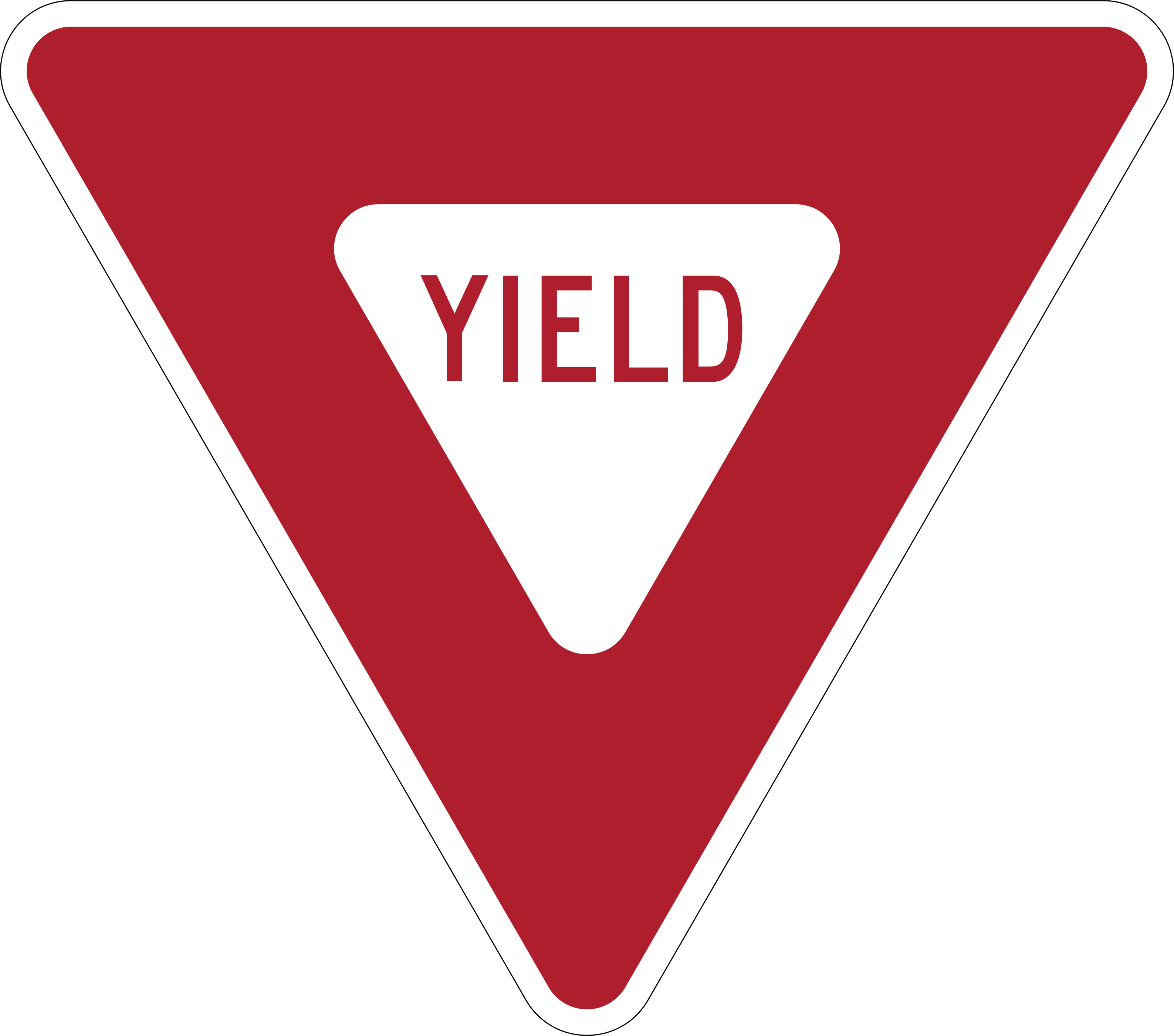
Yield 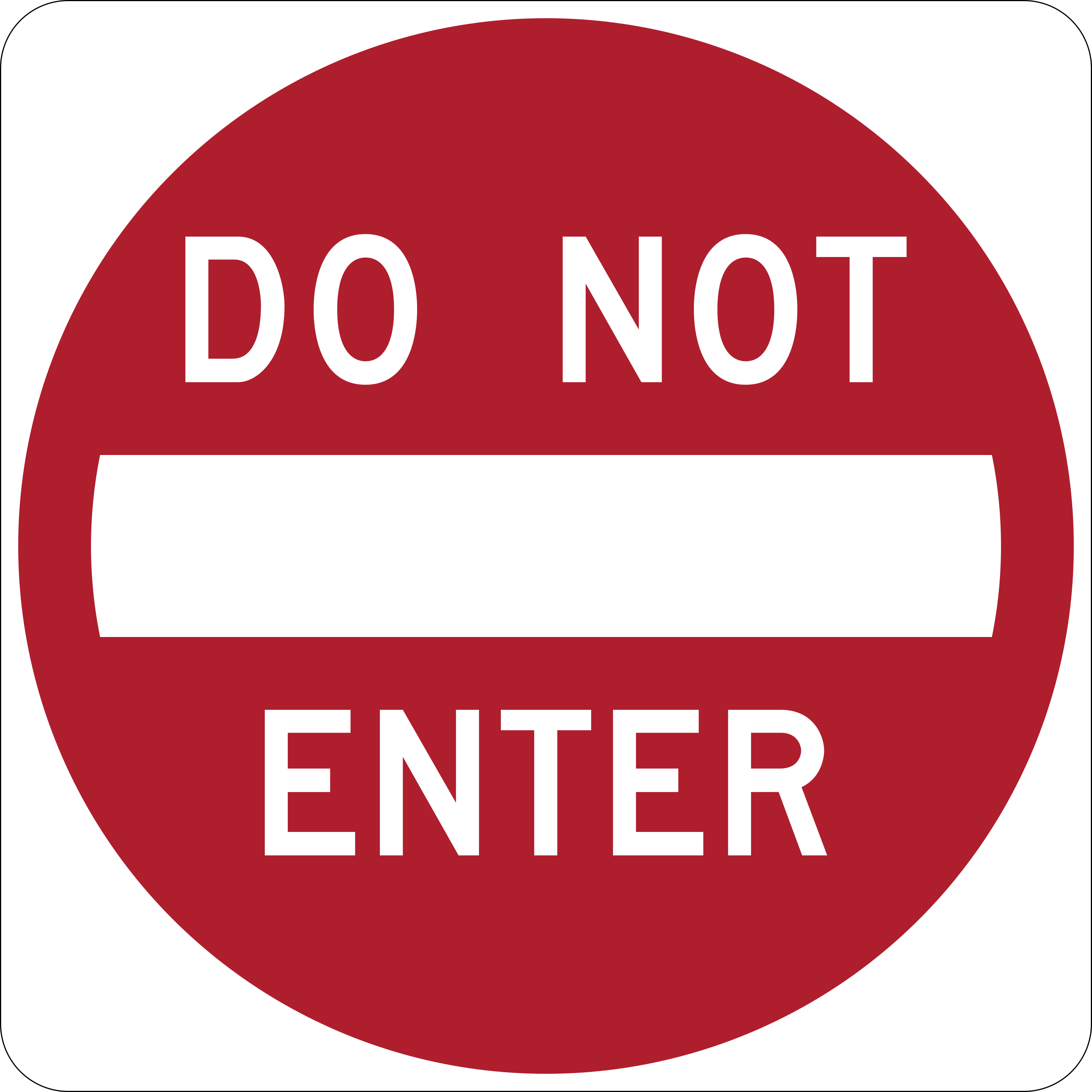
Do not enter 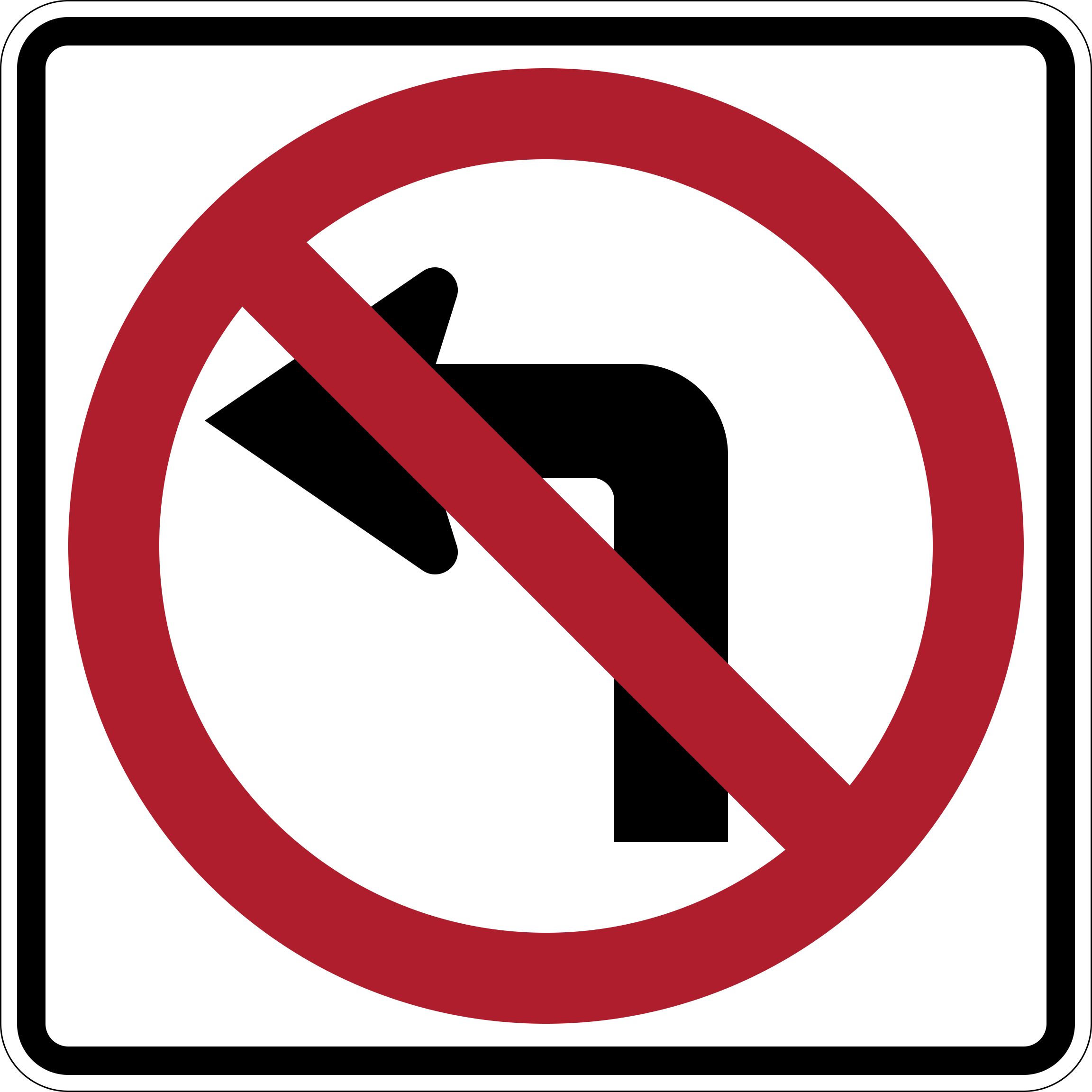
No left turn 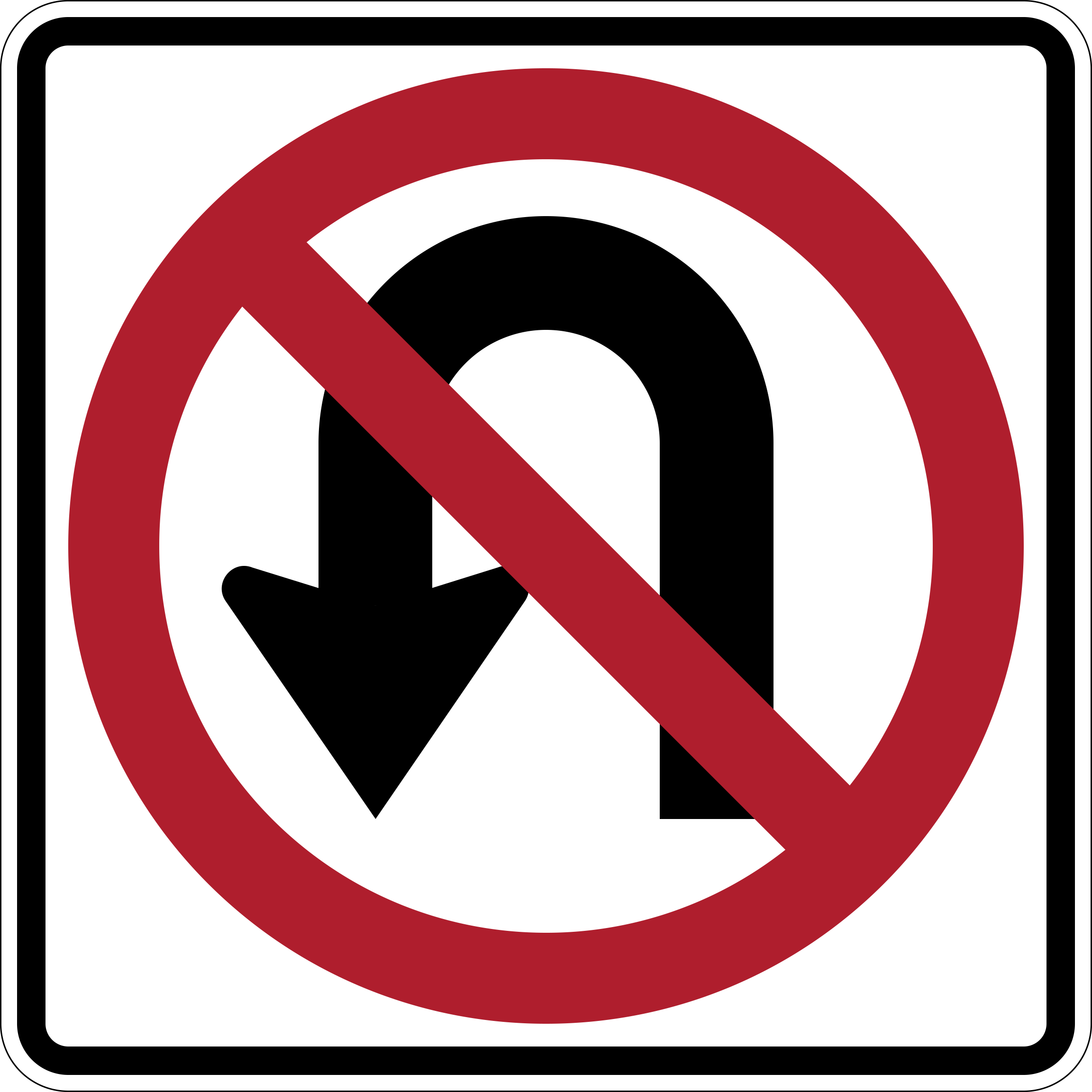
No U turn 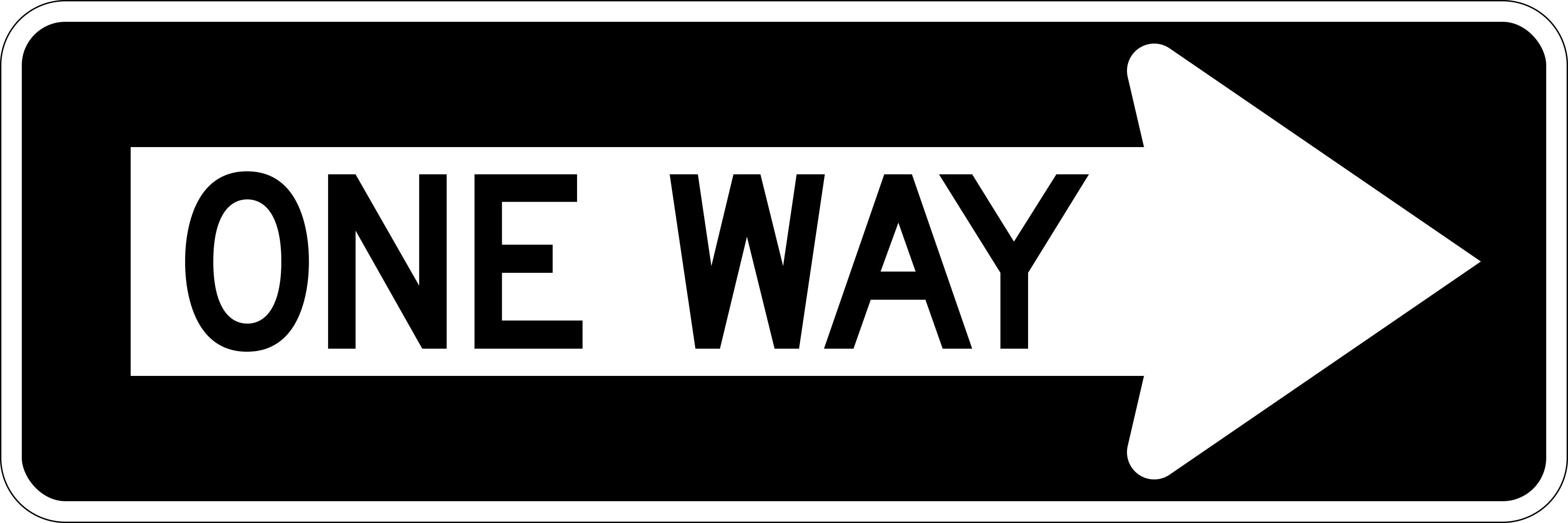
One way 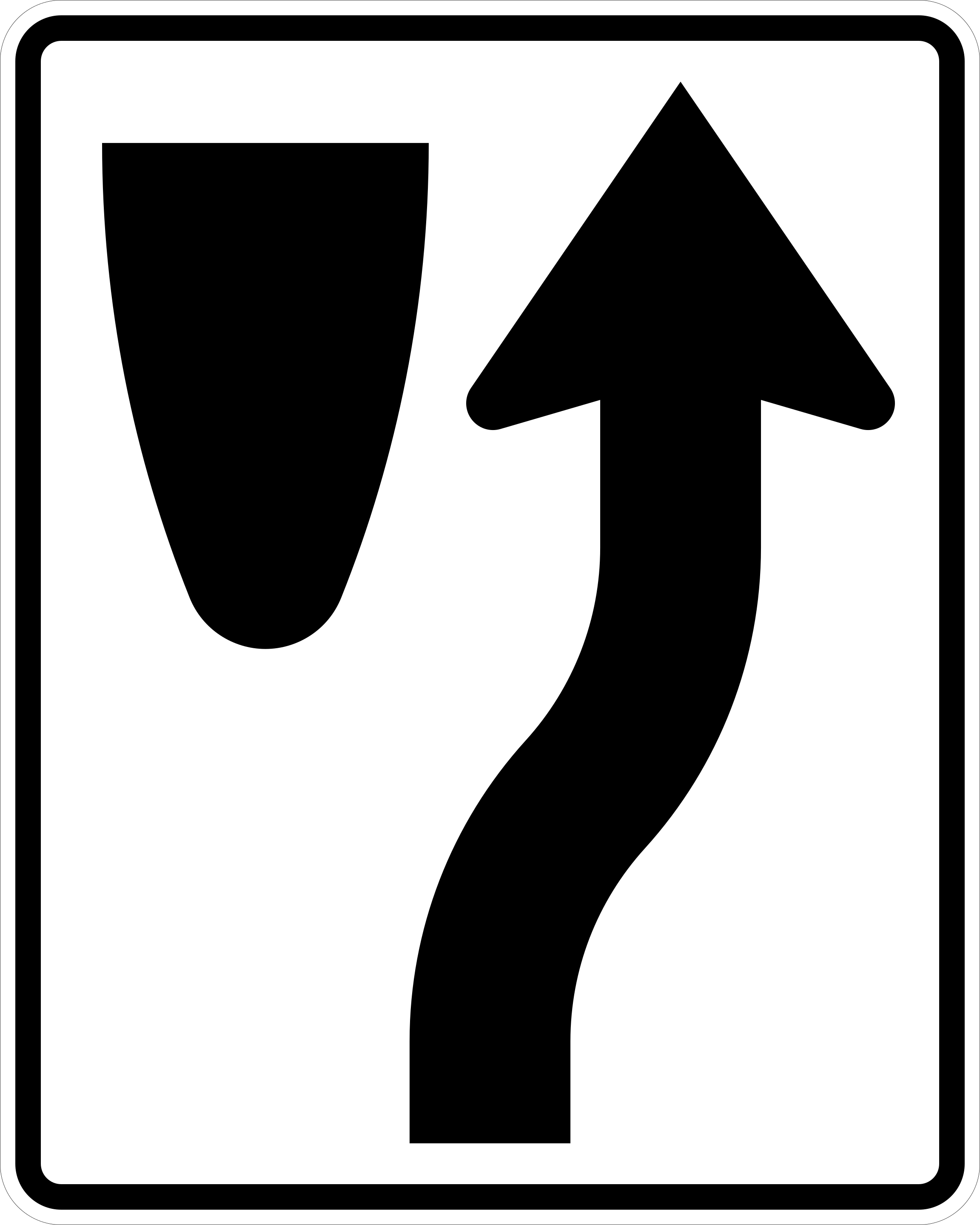
Keep right 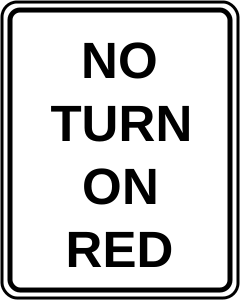
No turn on red
3 questions from the Oregon practice test
1. What must a driver do at an octagonal Stop sign?
- Stop only when a pedestrian is visible
- Slow down and continue if the intersection looks empty
- Come to a complete stop and yield before entering
- Yield without stopping unless another sign is posted
Show answer
Come to a complete stop and yield before entering. An octagonal Stop sign requires a complete stop, followed by yielding to other vehicles and pedestrians before entering when it is safe. The empty-intersection choice wrongly turns a stop requirement into a yield rule. Waiting for a pedestrian is also too narrow because cross traffic may have priority. Use the stop line or crosswalk as the stopping reference, scan both directions, and proceed only after the intersection is clear and your movement is allowed.
2. What does an Oregon No Turn on Red sign require?
- Turn after yielding to pedestrians even though the signal is red
- Turn after a complete stop if the intersection is clear
- Turn only when no vehicle is approaching from the left
- Wait for the signal to turn green before turning
Show answer
Wait for the signal to turn green before turning. A No Turn on Red sign prohibits turning during the red light, so the driver must wait for the signal to turn green. The usual permission for a turn after stopping does not override a posted restriction. A clear intersection, an empty left side, or yielding to pedestrians does not create an exception. Read the sign together with the signal before beginning the movement. The visual cue is the restriction beside the signal: remain behind the stop line until green, then check the crosswalk and other traffic before turning.
3. What does a Right Turn Permitted Without Stopping sign below a stop sign allow?
- All traffic may ignore the stop sign
- Right-turning traffic may turn without stopping
- Left turns may proceed without yielding
- Only buses may turn without stopping
Show answer
Right-turning traffic may turn without stopping. This special sign applies to traffic turning right. It may be placed below a stop sign and allows a right turn without stopping, while other traffic must still stop and yield the right of way. It does not erase the stop requirement for every movement, and it does not create a special privilege for left turns or buses. Before turning, check pedestrians, bicycles, and vehicles that have priority. The small supplemental sign is the detail that changes the usual stop-sign instruction for that movement.
Practice this topic
Lock it in with road signs questions from the free Oregon practice test. Every answer comes with a plain English explanation.
Source: the Oregon Driver Manual, Signs & Traffic Signals. This lesson is a plain English summary, not the law itself; where it differs, the manual and the statute govern. Last checked 2026-09-27.