
Key points
Warning signs tell you about possible danger ahead, such as slowing down or being ready to stop.
Source: Handbook p. 35
“These signs tell a driver of possible danger that might be ahead, such as warning you to slow down and be prepared to stop if necessary”
Kansas Driving Handbook, Handbook p. 35They are usually yellow with black lettering or symbols and diamond shaped.
Source: Handbook p. 35
“These signs are usually yellow with black lettering or symbols and are diamond shaped.”
Kansas Driving Handbook, Handbook p. 35School zone, school crossing and pedestrian crossing signs may be fluorescent yellow.
Source: Handbook p. 35
“Some warning signs may be fluorescent yellow, such as school zones, school crossing and pedestrian crossing.”
Kansas Driving Handbook, Handbook p. 35The No Passing Zone sign is the only pennant shaped warning sign.
Source: Handbook p. 17
“The “No Passing Zone” is the only pennant-shaped warning sign.”
Kansas Driving Handbook, Handbook p. 17Common warning signs include Traffic Signal Ahead, Yield Sign Ahead and Stop Sign Ahead.
Source: Handbook p. 36
“Traffic Signal Ahead Yield Sign Ahead Stop Sign Ahead”
Kansas Driving Handbook, Handbook p. 36Warning signs include advisory speed signs around a curve, for a ramp and for an exit.
Source: Handbook p. 36
“Advisory Speed Around Curve Advisory Speed for Ramp Advisory Speed for Exit”
Kansas Driving Handbook, Handbook p. 36Common warning signs include Cross Road Ahead, Side Road Ahead, T Intersection Ahead and Y Intersection Ahead.
Source: Handbook p. 35
“Cross Road Ahead Side Road Ahead T-Intersection Ahead Y-Intersection Ahead”
Kansas Driving Handbook, Handbook p. 35Other common warnings include Slippery When Wet and Narrow Bridge or Underpass.
Source: Handbook p. 36
“Slippery When Wet Narrow Bridge or Underpass”
Kansas Driving Handbook, Handbook p. 36
Recognize these signs

Cross road ahead 
Right curve 
Winding road 
Lane ends 
Merging traffic 
Added lane 
School 
Pedestrian crossing 
Slippery when wet 
Narrow bridge 
Deer crossing 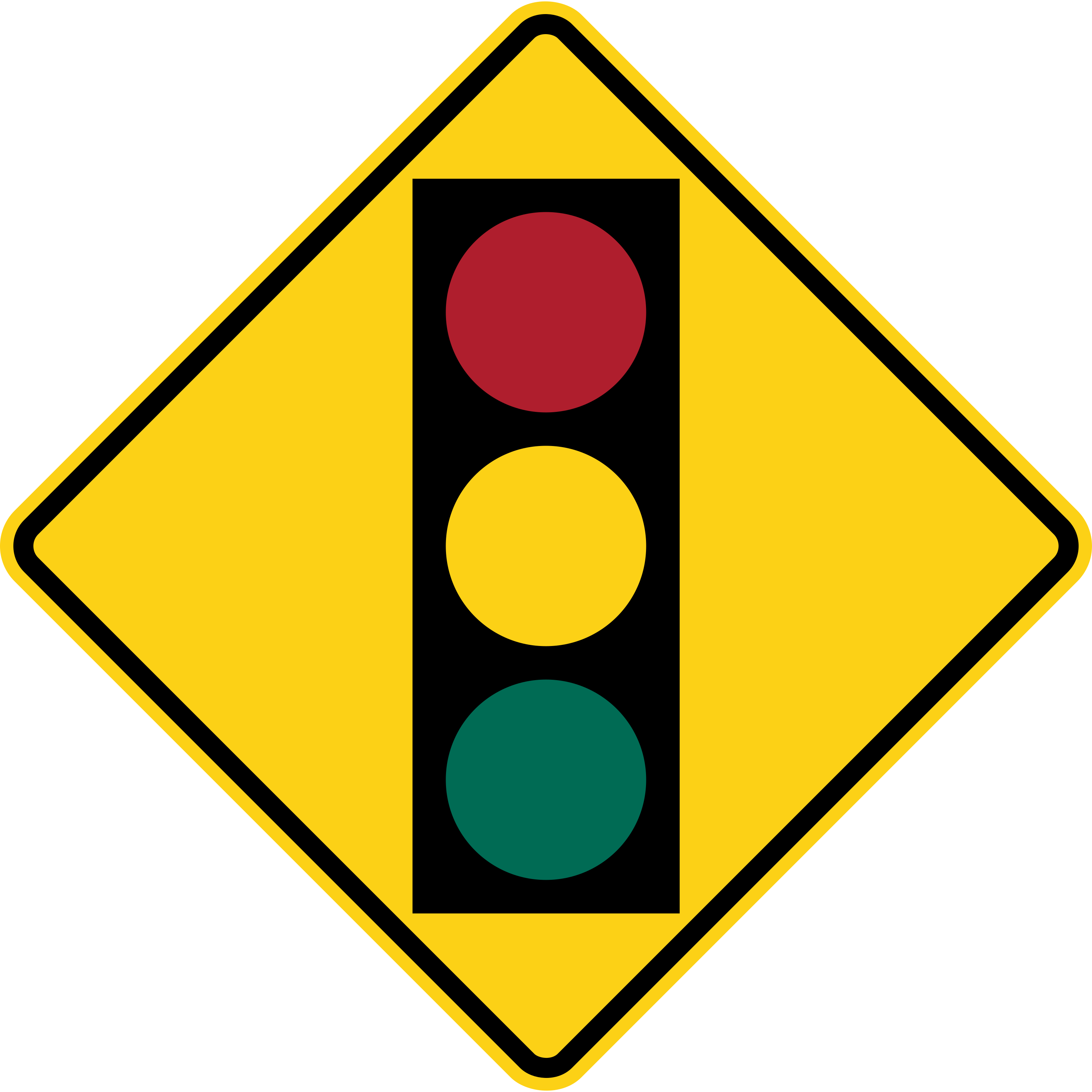
Traffic signal ahead 
Stop sign ahead 
Yield sign ahead 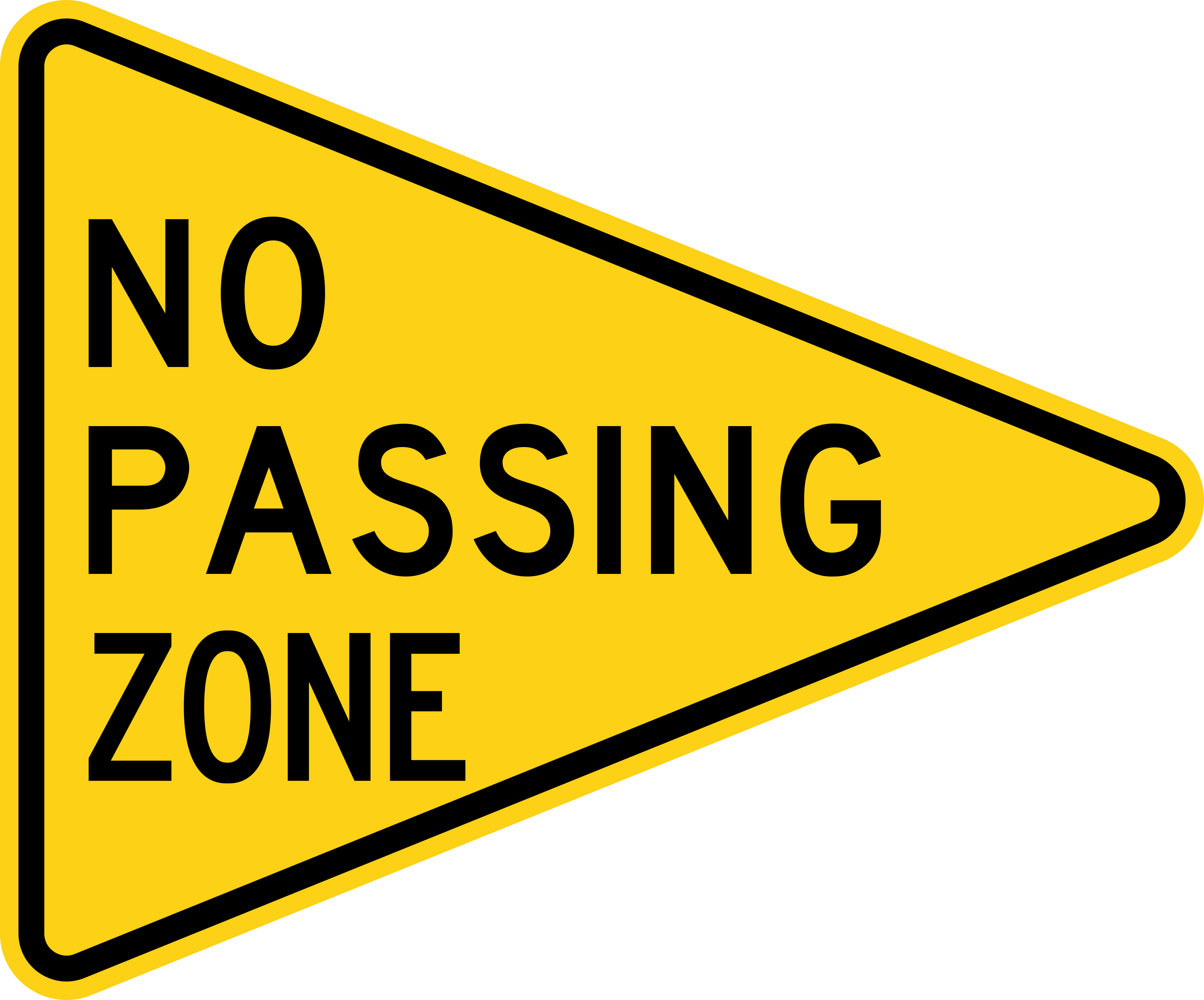
No passing zone 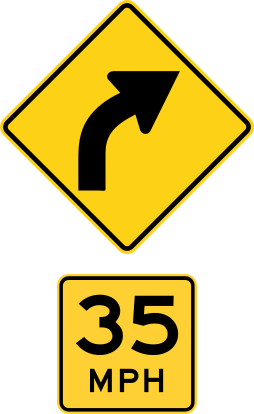
Advisory speed around curve
3 questions from the Kansas practice test
1. What shape and color pattern identifies most Kansas warning signs?
- White with green lettering, usually circular
- Yellow with black lettering or symbols, usually diamond shaped
- Blue with white lettering, usually rectangular
- Red with white lettering, usually octagonal
Show answer
Yellow with black lettering or symbols, usually diamond shaped. Most warning signs use a yellow background with black letters or symbols and a diamond outline. They alert you to a danger, special condition, or change ahead, so the message calls for early speed adjustment and attention rather than an immediate command to stop. A red octagon is reserved for the stop sign, while rectangular blue or green signs generally provide services or route information. When a yellow diamond appears, scan beyond the sign, check traffic around you, and prepare for the condition it announces.
2. What do Kansas yellow diamond warning signs generally tell a driver?
- All traffic controls end at the sign
- The maximum legal speed for every road ahead
- A service facility is located immediately beside the road
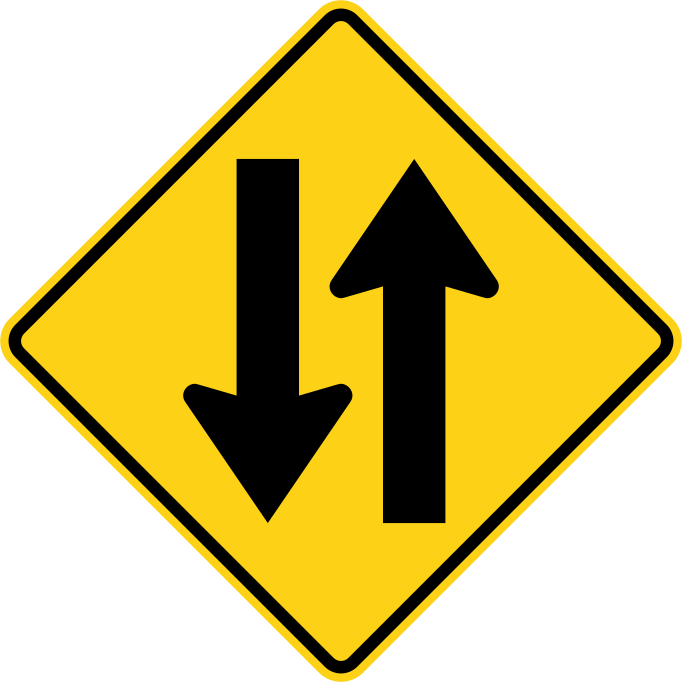
- A possible danger or special roadway situation may be ahead
Show answer
A possible danger or special roadway situation may be ahead. Kansas warning signs provide advance notice of a possible danger or special roadway situation ahead. Their yellow diamond design tells you to pay attention, consider slowing, and be prepared to stop if needed. The speed-limit choice describes a regulatory sign, while the service-facility choice belongs to guide or service information. The statement that all traffic controls end is not a warning-sign function. With the pictured opposing arrows, expect a roadway condition requiring extra attention, then follow the lane markings and any later signs or signals.
3. Which sign treatment may identify a school zone, school crossing, or pedestrian crossing?
- Flashing red only
- Solid blue
- Brown and white
- Fluorescent yellow
Show answer
Fluorescent yellow. The handbook says some warning signs may be fluorescent yellow, including signs for school zones, school crossings, and pedestrian crossings. That color treatment helps draw attention to locations where children or people on foot may enter the roadway. Blue is associated with service information, brown commonly guides travelers toward recreational or cultural locations, and a flashing red signal is a traffic control device rather than the sign color described here. When fluorescent yellow appears near a school or crossing, reduce speed and search actively for people.
Practice this topic
Lock it in with road signs questions from the free Kansas practice test. Every answer comes with a plain English explanation.
Source: the Kansas Driving Handbook, Section 6: Rules of the Road. This lesson is a plain English summary, not the law itself; where it differs, the manual and the statute govern. Last checked 2026-09-27.