
Key points
Red means an action is prohibited.
Source: Handbook p. 43
“The Color Red indicates that an action is prohibited.”
Hawaii Driver's Manual, Handbook p. 43Yellow warns of hazardous or dangerous conditions and almost always appears on a diamond shaped sign.
Source: Handbook p. 43
“The Color Yellow indicates a warning of hazardous or dangerous conditions. This color almost always appears on a diamond shaped sign.”
Hawaii Driver's Manual, Handbook p. 43Orange warns of road work.
Source: Handbook p. 43
“The Color Orange indicates a warning concerning road work.”
Hawaii Driver's Manual, Handbook p. 43Black and white signs show a required action and are always rectangular.
Source: Handbook p. 43
“The Colors Black and White indicate a required action. Black and white signs are always rectangular in shape.”
Hawaii Driver's Manual, Handbook p. 43Green, blue and brown are used on guide and information signs.
Source: Handbook p. 43
“The Colors Green, Blue and Brown are used on guide and information signs.”
Hawaii Driver's Manual, Handbook p. 43A stop sign is an 8 sided white on red sign meaning other traffic has the right of way.
Source: Handbook p. 44
“A STOP SIGN is an 8-sided white on red sign indicating that other traffic has the right-of-way.”
Hawaii Driver's Manual, Handbook p. 44Stop at the stop line; if there is none, stop before any marked or unmarked crosswalk.
Source: Handbook p. 44
“The stop must be made at the “stop line”. If there is no “stop line”, you must stop before crossing any marked or unmarked crosswalk.”
Hawaii Driver's Manual, Handbook p. 44At a yield sign, be ready to stop, and stop only when other traffic has the right of way.
Source: Handbook p. 44
“Be ready to stop when you approach a “YIELD SIGN”. You need to stop only when there is other traffic that has the right-of-way.”
Hawaii Driver's Manual, Handbook p. 44
Recognize these signs
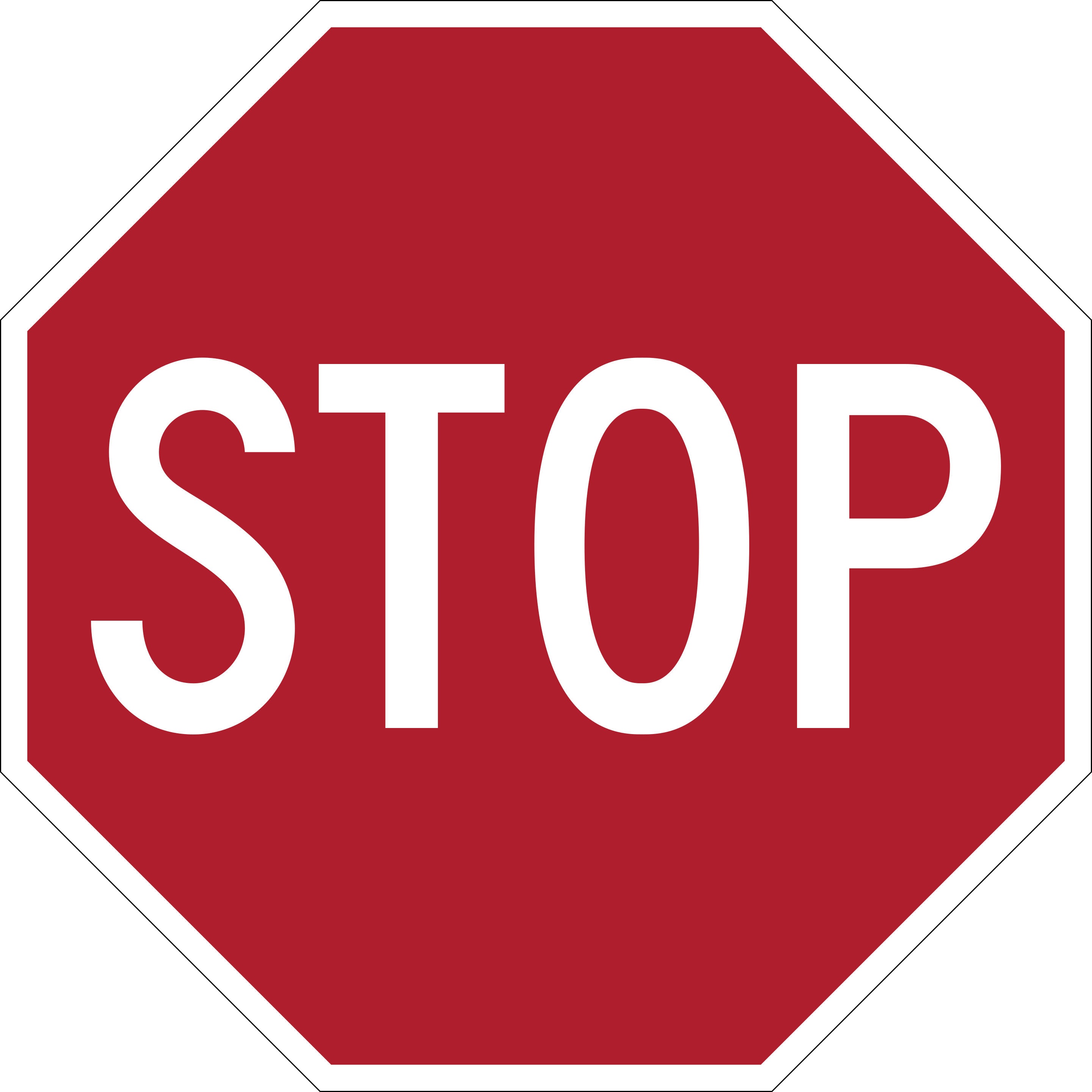
Stop 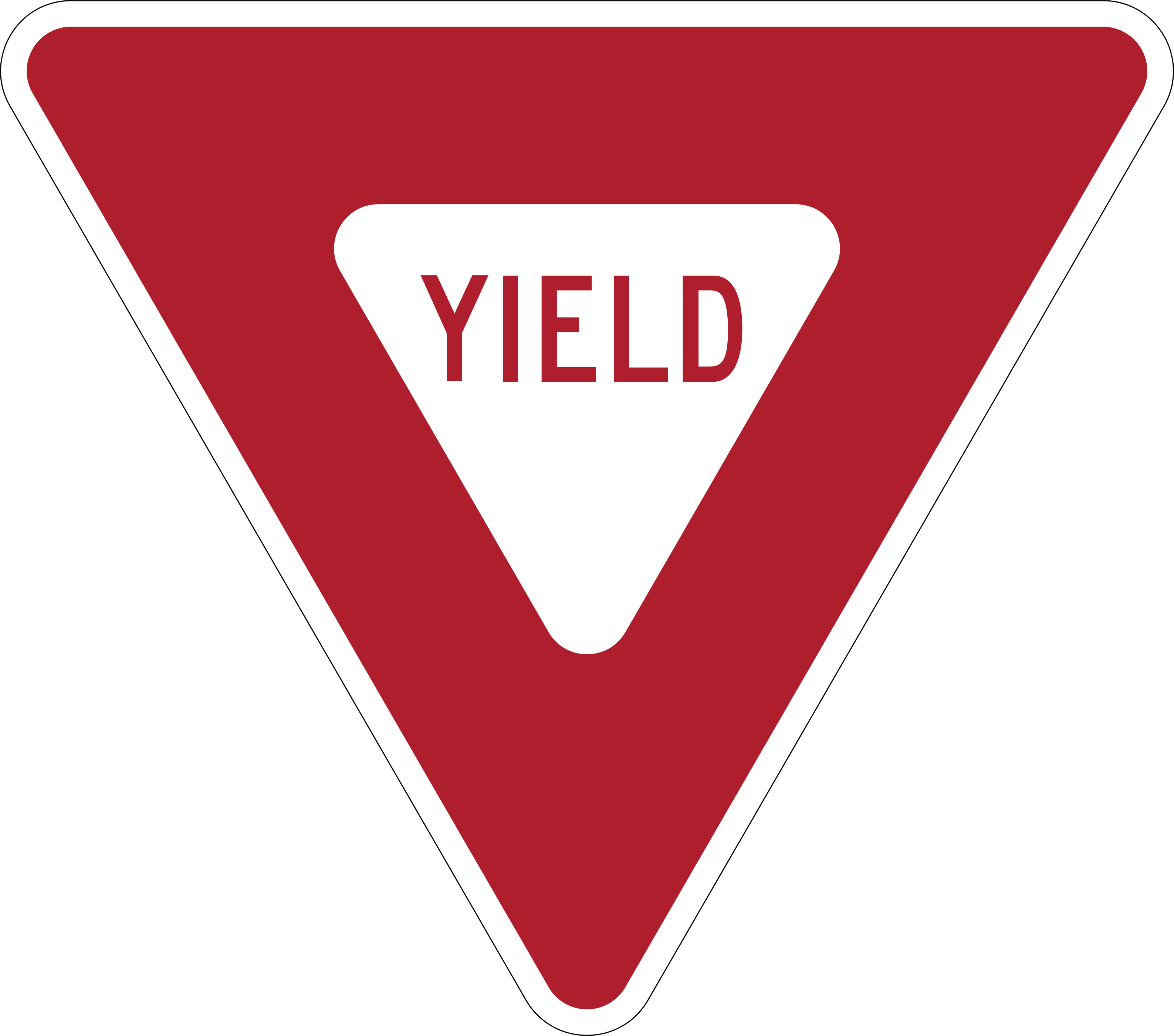
Yield 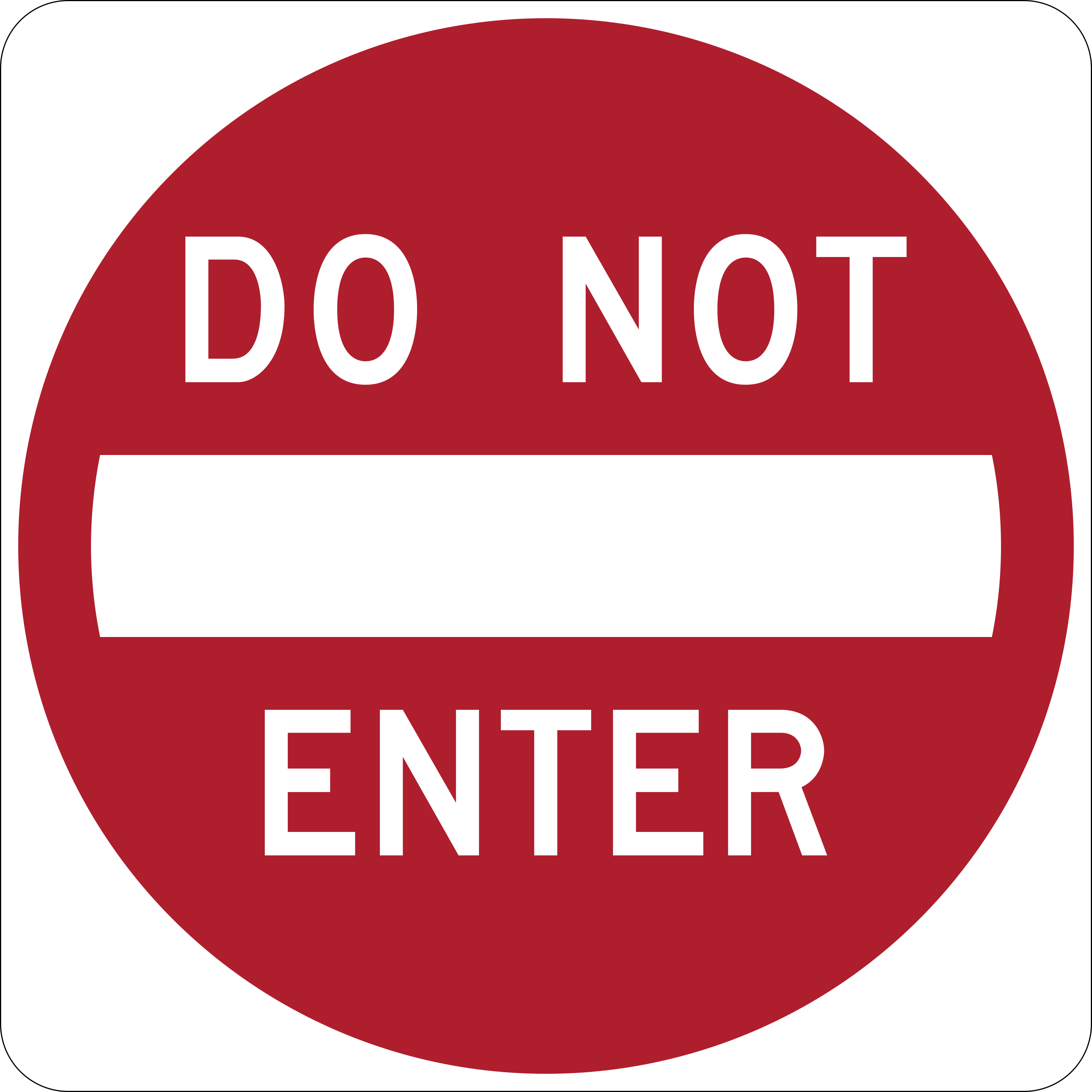
Do not enter 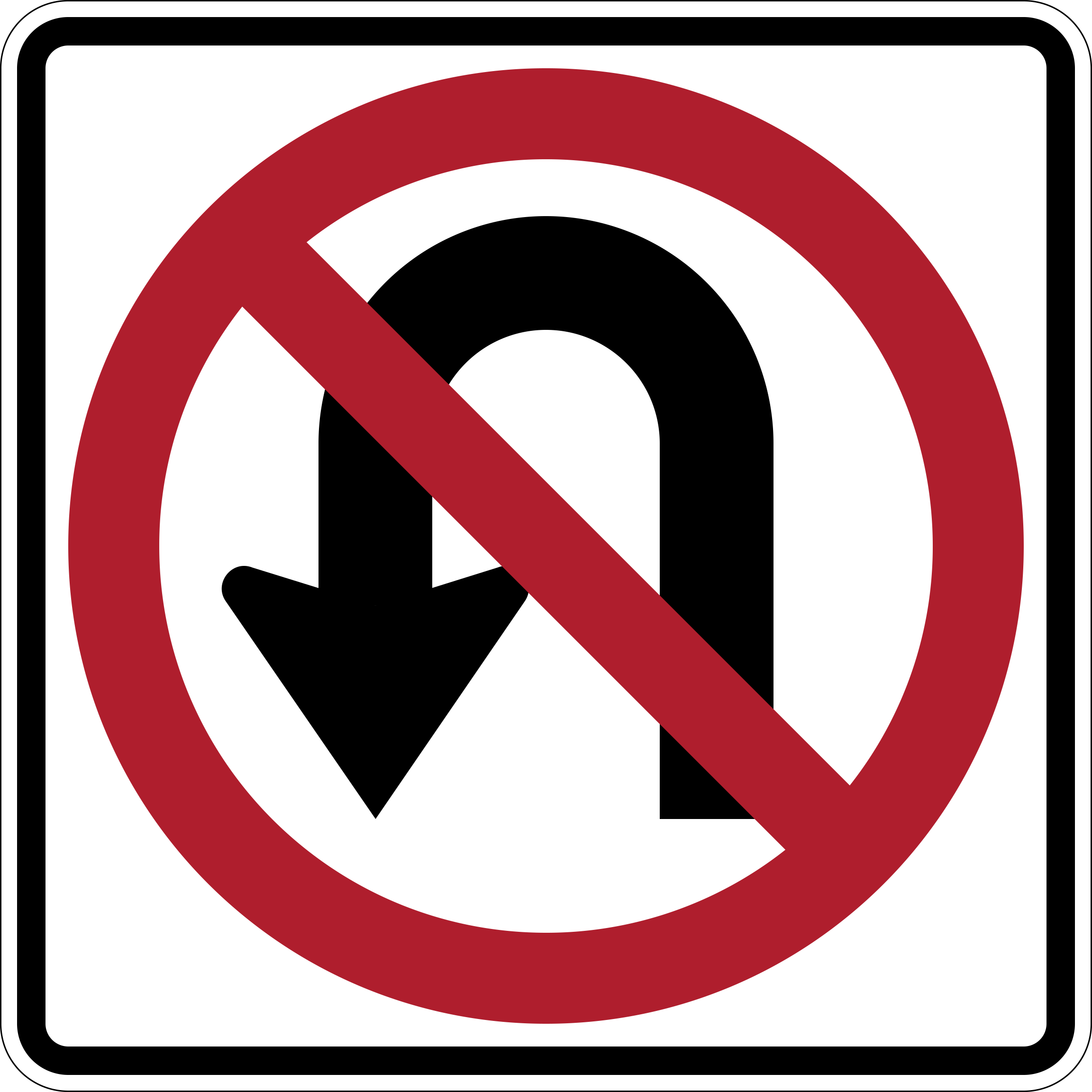
No U turn 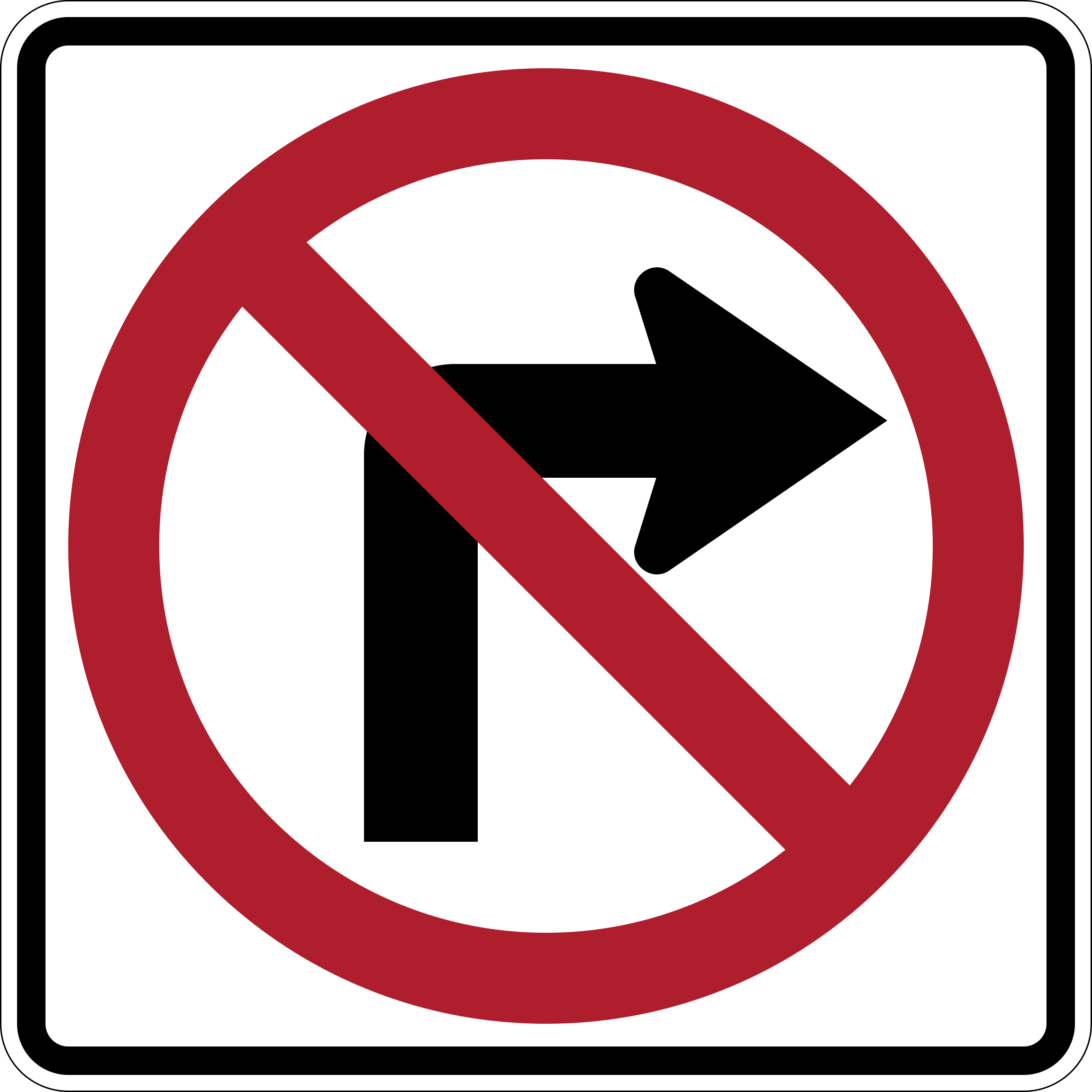
No right turn 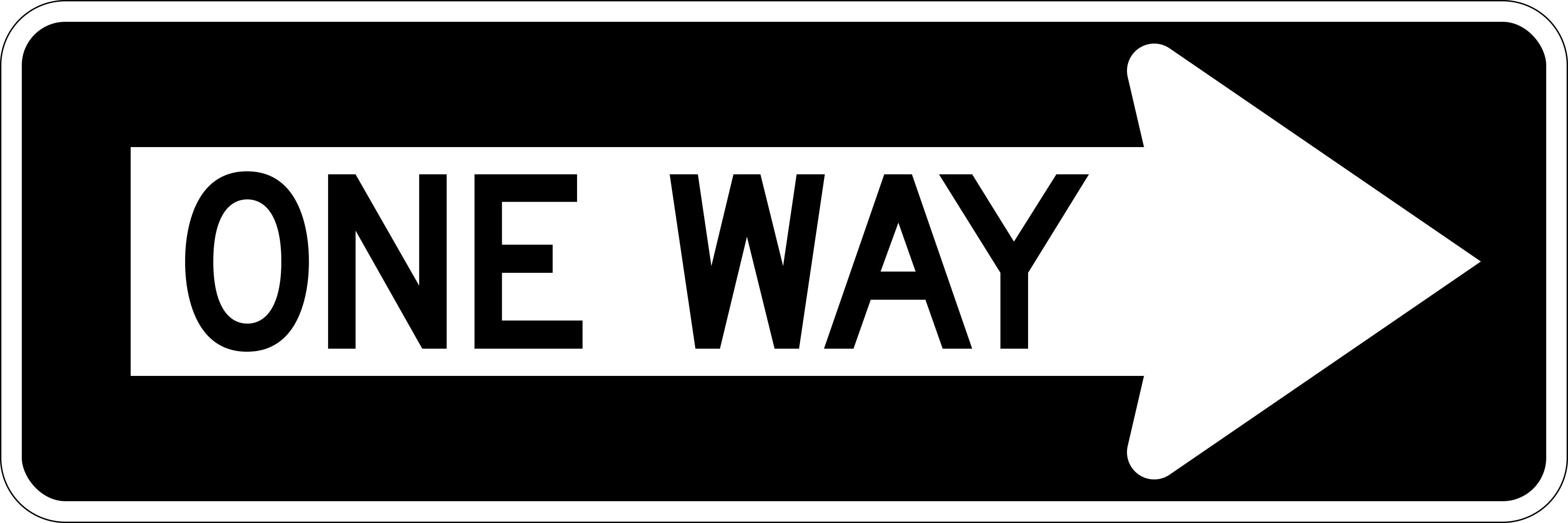
One way 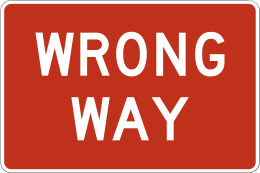
Wrong way
3 questions from the Hawaii practice test
1. At this sign, where must you stop before proceeding?
- At the stop line, then yield before proceeding
- Only after entering the crosswalk
- Only when another vehicle is visible
- After passing the intersection
Show answer
At the stop line, then yield before proceeding. A STOP sign requires a complete stop at the stop line, followed by yielding to approaching traffic before proceeding. If no stop line exists, the driver stops before a marked or unmarked crosswalk. The sign does not wait for another vehicle to appear, and stopping inside or beyond the intersection defeats the protected stopping point. If the first position does not provide a view, move ahead slowly and stop again where approaching traffic can be seen. Treat the line as the fixed cue for the first full stop.
2. What does the color red indicate on a Hawaii traffic sign?
- A required action is shown on a rectangular sign
- A route or service is identified
- A hazardous condition is warned of
- An action is prohibited
Show answer
An action is prohibited. On Hawaii traffic signs, red indicates that an action is prohibited. The color may appear on signs of various shapes, so the rule is about the meaning of red rather than one particular outline. Green, blue, and brown are used on guide and information signs, black and white show a required action, yellow warns of hazardous conditions, and orange concerns road work. When red appears, read the words or symbol to learn which movement or activity is barred, because the color itself tells you the message is a prohibition rather than a warning or a direction.
3. What does the color yellow usually indicate on a traffic sign?
- A route or location guide
- A required stop at every intersection
- A warning of hazardous or dangerous conditions
- A prohibition against every action
Show answer
A warning of hazardous or dangerous conditions. Yellow is the manual's warning color for hazardous or dangerous conditions, and it almost always appears on a diamond-shaped sign. It does not automatically require a full stop, identify a route, or prohibit every action. A driver seeing yellow should look for the hazard described by the sign and adjust speed or position before reaching it. The color is an early attention cue, while the symbol or wording supplies the particular warning.
Practice this topic
Lock it in with road signs questions from the free Hawaii practice test. Every answer comes with a plain English explanation.
Source: the Hawaii Driver's Manual, Chapter VI: Traffic Signs, Signals and Markings. This lesson is a plain English summary, not the law itself; where it differs, the manual and the statute govern. Last checked 2026-09-27.