
Key points
An octagon always means stop: come to a complete stop at the sign, stop line, crosswalk or curb.
Source: Handbook p. 46
“The octagon (eight-sided) shape always means stop. You must come to a complete stop at the sign, stop line, pedestrian crosswalk or curb.”
Connecticut Driver's Manual, Handbook p. 46At a yield sign, slow down to a reasonable speed, yield and stop if necessary.
Source: Handbook p. 46
“Slow down to a speed reasonable for the conditions and yield the right-of-way. Stop if necessary.”
Connecticut Driver's Manual, Handbook p. 46All red signs are regulatory and must be obeyed, including STOP, YIELD, DO NOT ENTER and WRONG WAY.
Source: Handbook p. 47
“All red signs are regulatory signs and must be obeyed. They include STOP, YIELD, DO NOT ENTER or WRONG WAY.”
Connecticut Driver's Manual, Handbook p. 47A red circle with a red slash over a symbol prohibits that action, such as no left turn or no U turn.
Source: Handbook p. 47
“Some regulatory signs have a red circle with a red slash over a symbol. These signs prohibit certain actions”
Connecticut Driver's Manual, Handbook p. 47A square sign with a white horizontal line inside a red ball means you cannot enter.
Source: Handbook p. 47
“A square sign with a white horizontal line inside a red ball means you cannot enter.”
Connecticut Driver's Manual, Handbook p. 47If you see a Wrong Way sign, do not drive past it.
Source: Handbook p. 47
“the wrong direction or wrong side of a divided highway. Do not drive past this sign”
Connecticut Driver's Manual, Handbook p. 47On a one way street, go only in the direction of the arrow.
Source: Handbook p. 48
“These signs are used on one-way streets or driveways. You must always go only in the direction of the arrow.”
Connecticut Driver's Manual, Handbook p. 48A Keep Right sign means drive on the side the arrow shows around an island or obstruction.
Source: Handbook p. 48
“You must drive to the side indicated by the arrow.”
Connecticut Driver's Manual, Handbook p. 48
Recognize these signs
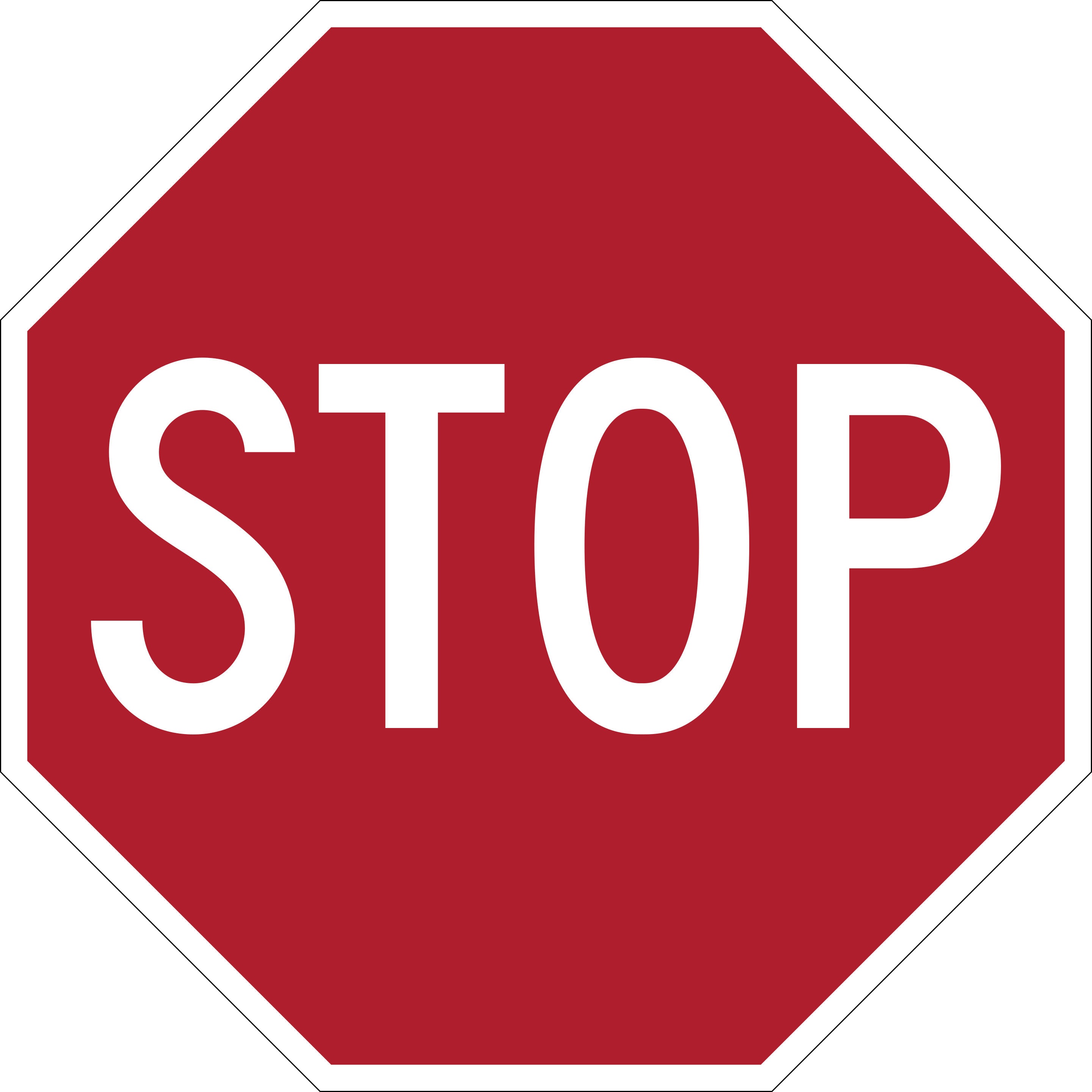
Stop 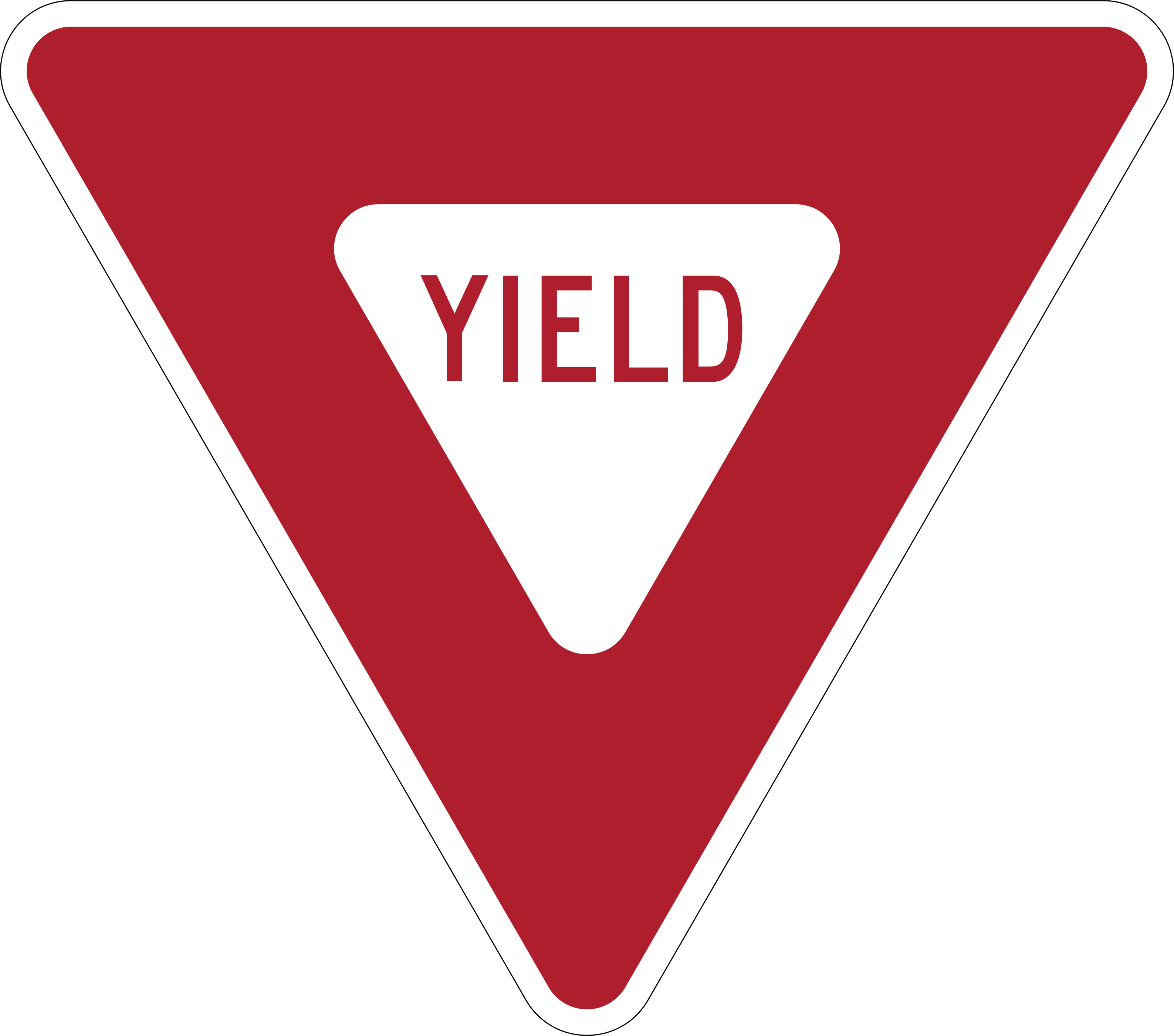
Yield 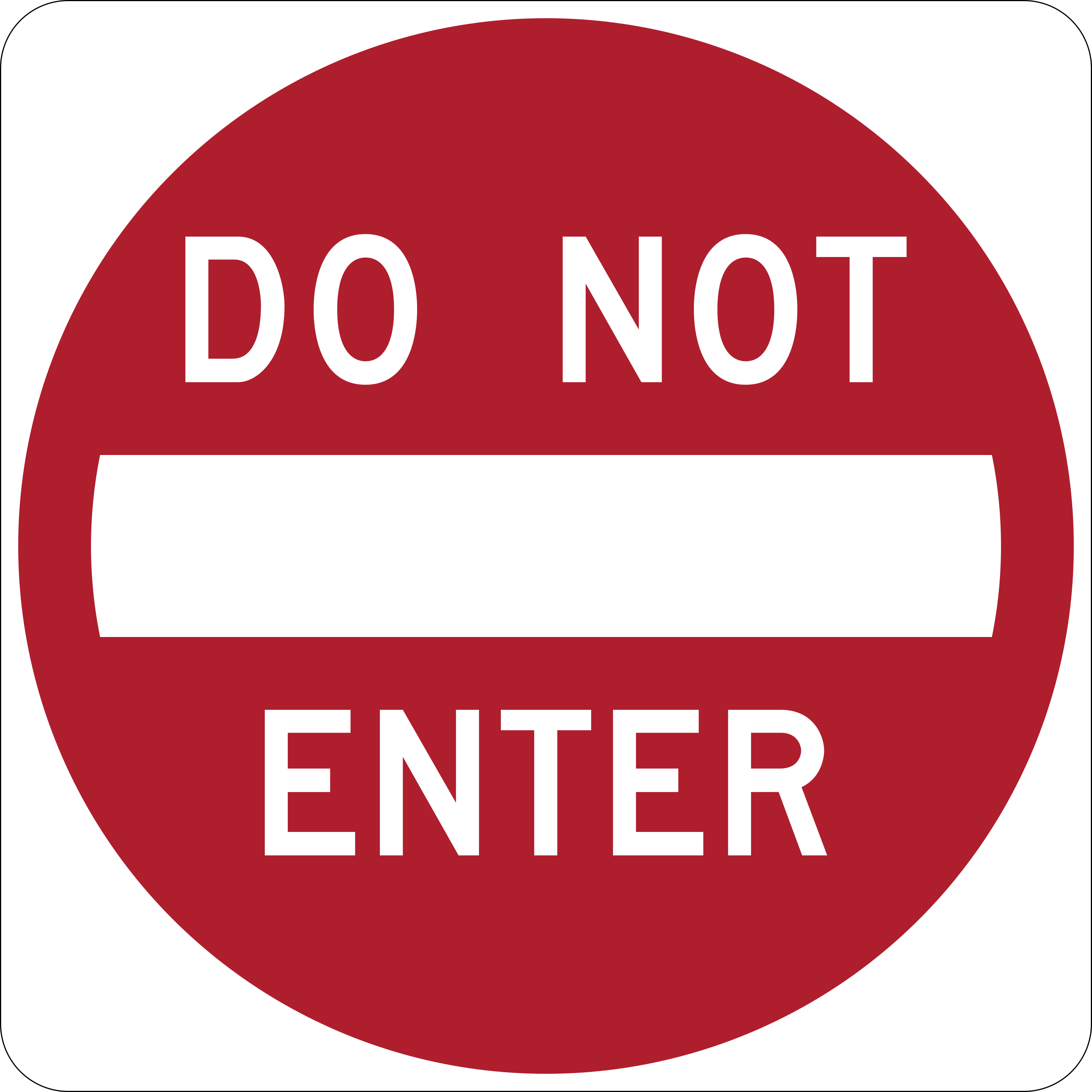
Do not enter 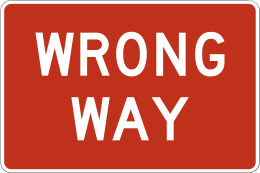
Wrong way 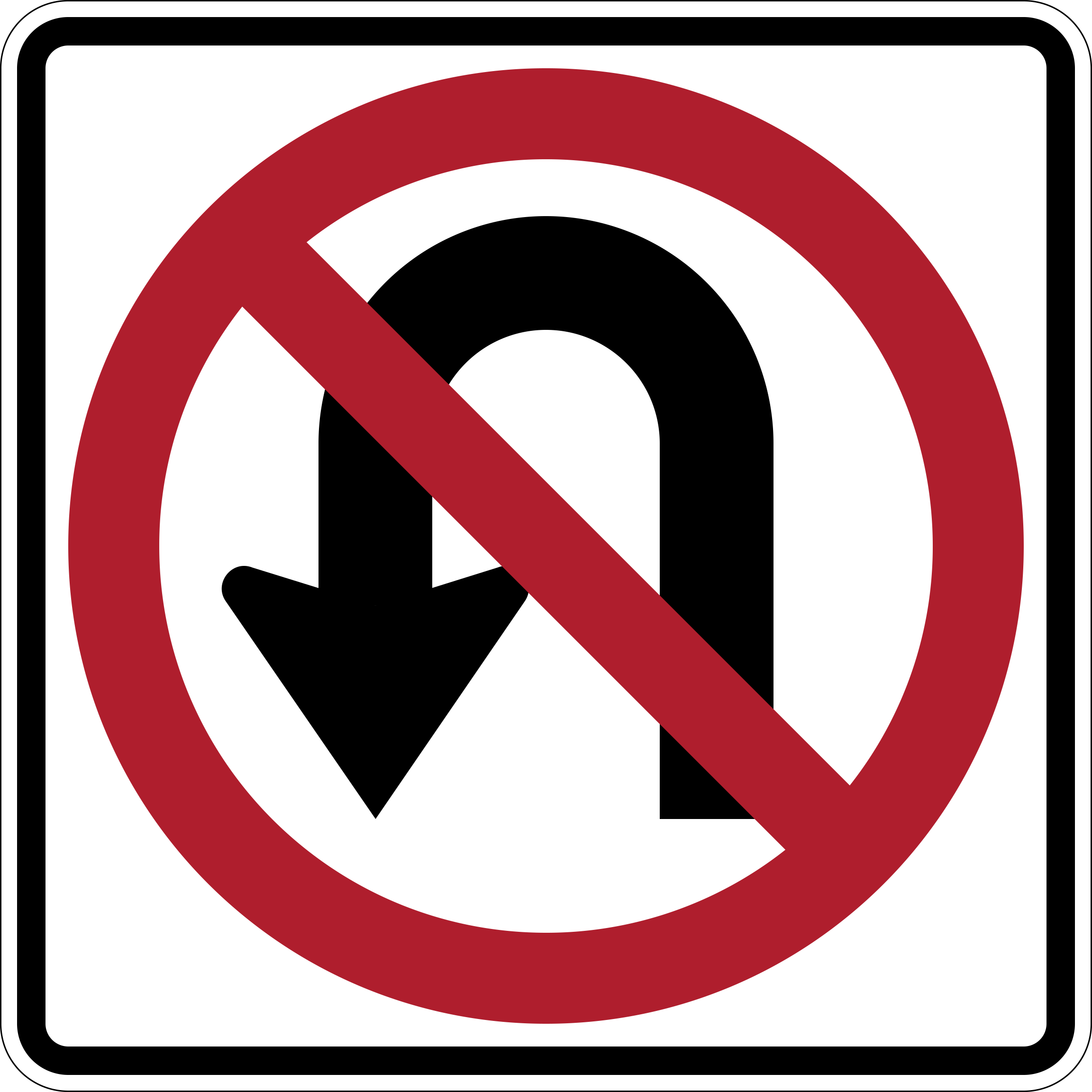
No U turn 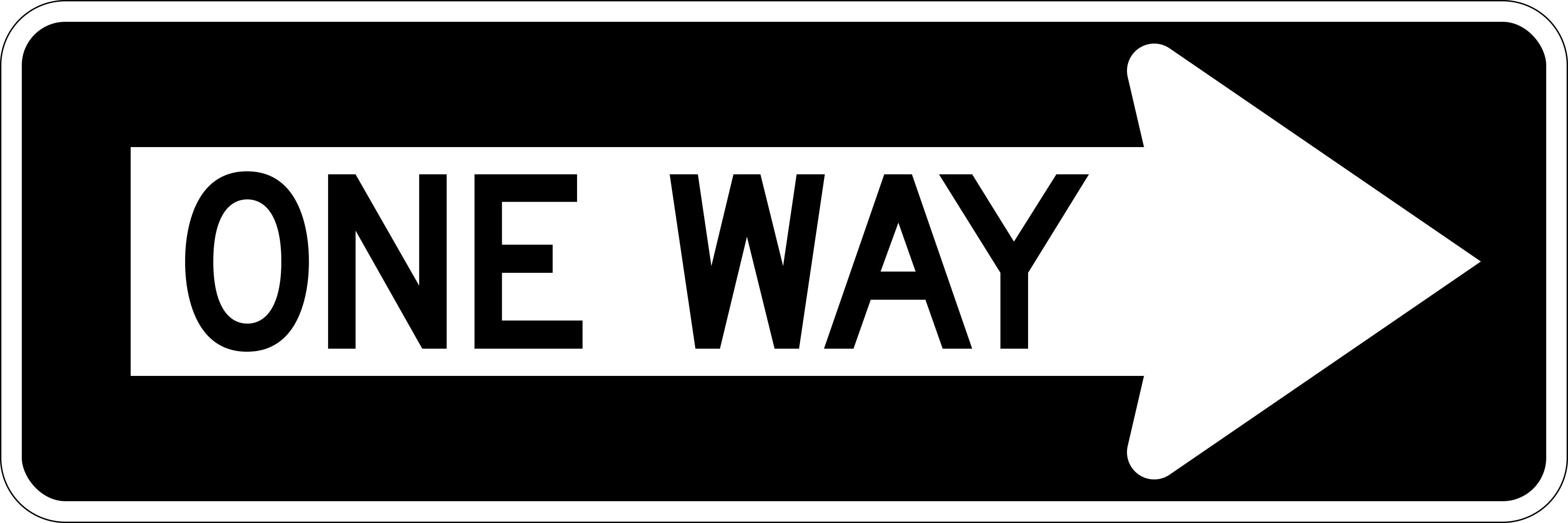
One way 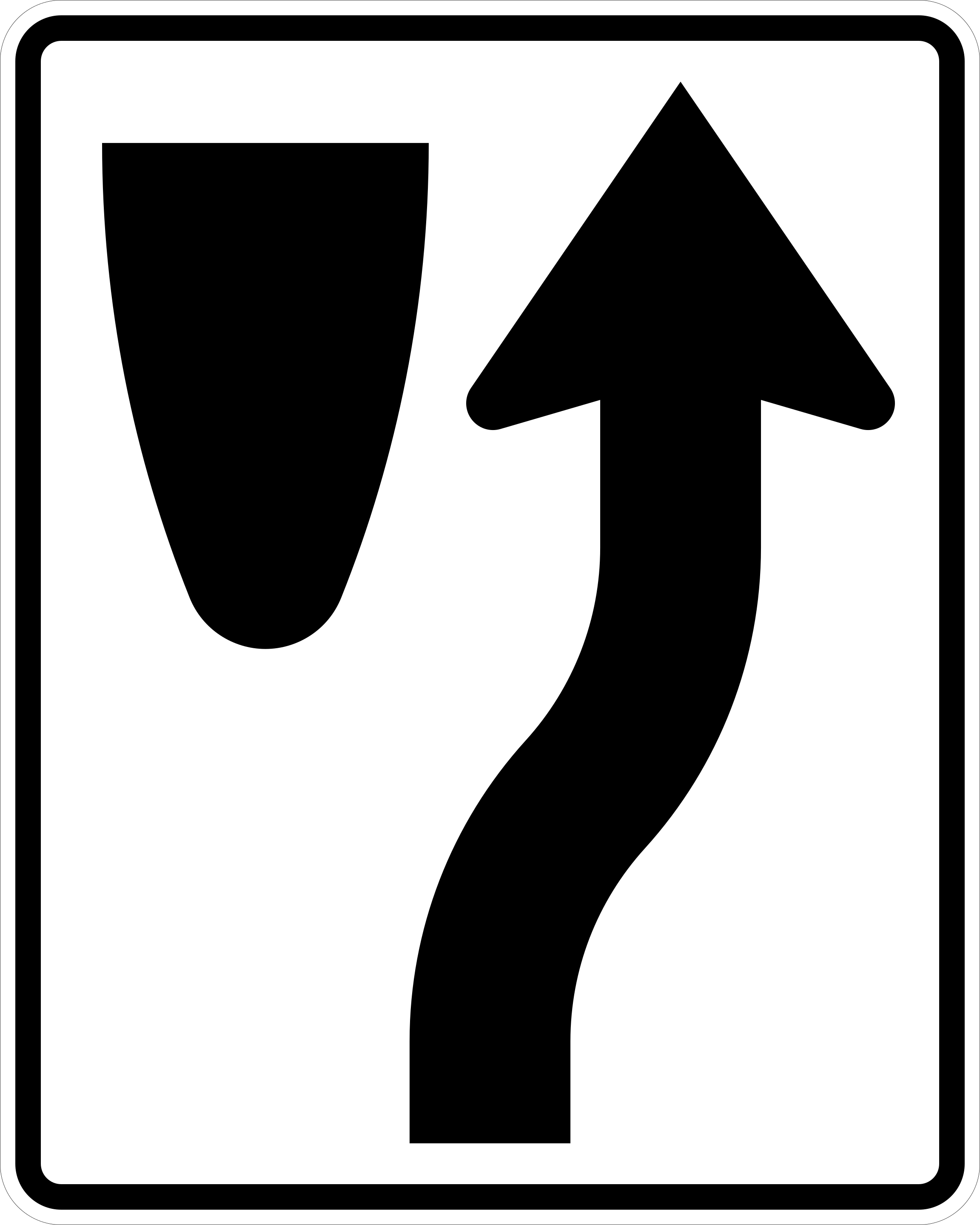
Keep right
3 questions from the Connecticut practice test
1. At this red eight-sided sign, what action is required?
- Slow and continue if the intersection appears empty
- Make a full stop at the sign, stop line, crosswalk, or curb, then yield
- Stop only when another vehicle is approaching
- Yield without stopping if pedestrians are absent
Show answer
Make a full stop at the sign, stop line, crosswalk, or curb, then yield. An octagonal STOP sign requires a complete stop. The manual identifies several possible stopping points: the sign itself, a stop line, a pedestrian crosswalk, or the curb. After stopping, the driver yields to approaching vehicles and pedestrians and proceeds only when safe. An empty-looking intersection does not cancel the stop, and yielding by slowing is not enough. The unusual eight-sided shape is a useful recognition cue, but the required behavior is the full stop followed by a safety check.
2. What does the red and white downward-pointing triangle require?
- Speed up to enter before cross traffic
- Slow to a reasonable speed and yield the right-of-way, stopping if necessary
- Stop every time, even when no traffic is present
- Ignore the sign when traveling on the main road
Show answer
Slow to a reasonable speed and yield the right-of-way, stopping if necessary. A triangular YIELD sign tells the driver to slow to a speed reasonable for the conditions and yield the right-of-way. Stopping is required when necessary, not automatically in every situation. Speeding into the intersection reverses the sign's instruction, and being on a main road does not erase the duty to yield where the sign applies. The downward-pointing triangle is the visual cue. Pair its shape with the conditional stop rule: reduce speed, assess traffic and pedestrians, then stop if the situation requires it.
3. What do all red signs mean in Connecticut?
- They mark construction
- They are warnings only
- They are regulatory signs that must be obeyed, such as STOP, YIELD, DO NOT ENTER and WRONG WAY
- They give directions
Show answer
They are regulatory signs that must be obeyed, such as STOP, YIELD, DO NOT ENTER and WRONG WAY. All red signs are regulatory signs and must be obeyed; they include STOP, YIELD, DO NOT ENTER and WRONG WAY. Some black and white signs are also regulatory, while yellow is used for warning signs, orange warns of construction and maintenance projects, and green guide signs tell you where you are, which way to go, and the distance. The manual says the shapes and colors of signs give clues about the types of information they provide.
Practice this topic
Lock it in with road signs questions from the free Connecticut practice test. Every answer comes with a plain English explanation.
Source: the Connecticut Driver's Manual, Know the Road: Traffic Signs. This lesson is a plain English summary, not the law itself; where it differs, the manual and the statute govern. Last checked 2026-09-27.