
Key points
Red means a prohibited or restricted action; orange means construction or maintenance.
Source: PDF page 43
“Red = Prohibitive or restricted action Orange = Construction and maintenance warning”
Washington Driver Guide (plain-text version), PDF page 43Fluorescent yellow green warns of school, pedestrian and bicycle activity; blue shows motorist services.
Source: PDF page 44
“Fluorescent Yellow Green = Warning of school, pedestrian, and bicycling activity White = Regulatory Green = Guide or directional information Blue = Motorist services guidance”
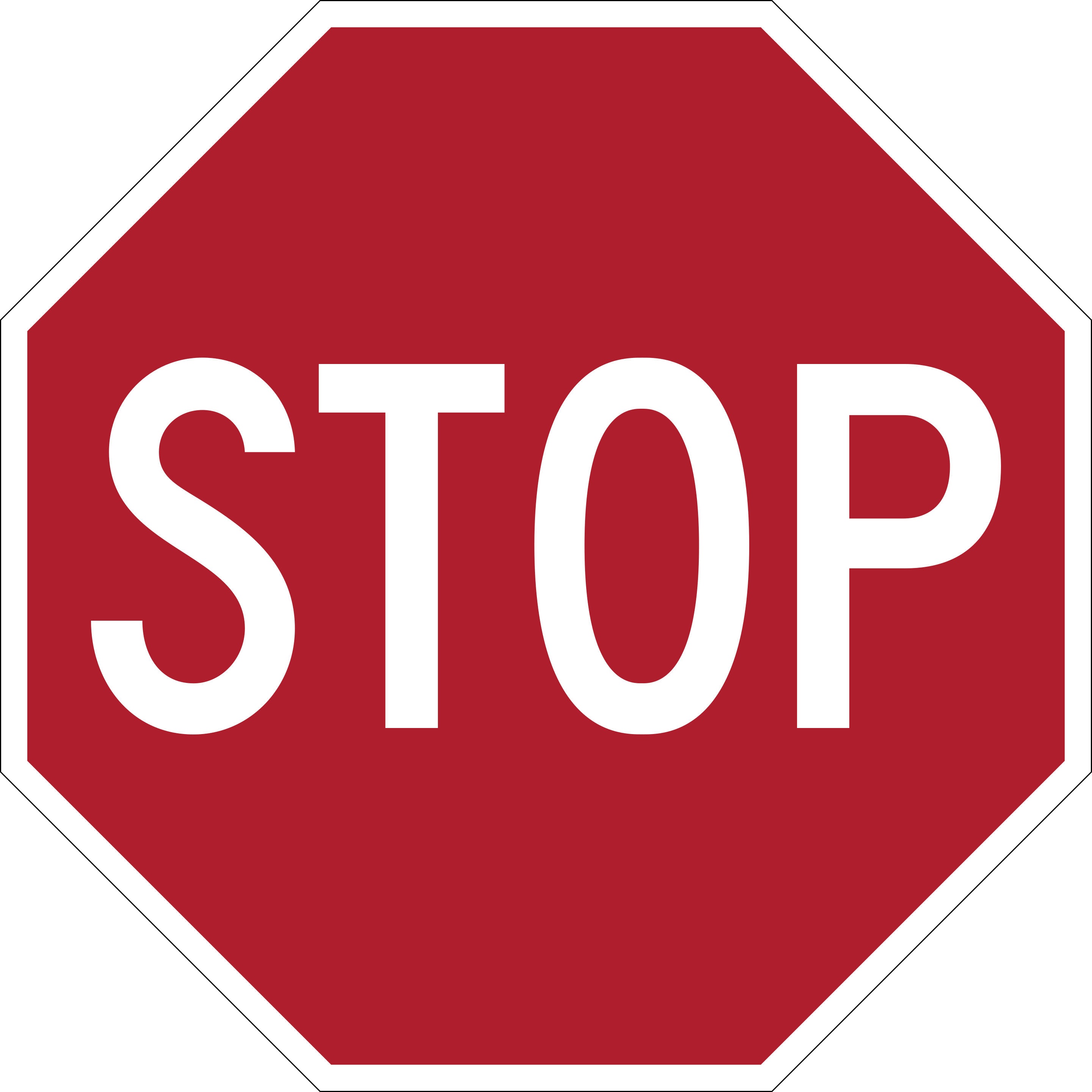
Washington Driver Guide (plain-text version), PDF page 44At a stop sign, stop at the line, crosswalk or corner, look for crossing traffic and pedestrians, and yield.
Source: PDF page 44
“A stop sign means you must stop at the line, crosswalk, or corner. Look for crossing vehicles and pedestrians in all directions and yield the right-of-way.”
Washington Driver Guide (plain-text version), PDF page 44A yield sign means slow down and let traffic with the right of way go first.
Source: PDF page 44
“A yield sign means you must slow down and allow traffic that has the right-of-way to cross first.”
Washington Driver Guide (plain-text version), PDF page 44You can be ticketed for driving too fast for conditions even under the posted limit.
Source: PDF page 44
“Even if you’re driving under the posted speed limit, you can get a ticket for traveling too fast for road conditions.”
Washington Driver Guide (plain-text version), PDF page 44A red circle with a red slash over a symbol means that action is not allowed.
Source: PDF page 45
“Some regulatory signs have a red circle with a red slash over a symbol. These signs indicate certain actions, such as left turns, right turns, or U-turns, are not allowed.”
Washington Driver Guide (plain-text version), PDF page 45A Wrong Way sign means stop and turn around immediately.
Source: PDF page 45
“This alerts you that you’re driving in the wrong direction and is meant to prevent head-on collisions. Stop and turn around immediately.”
Washington Driver Guide (plain-text version), PDF page 45Fines double for offenses in construction areas when workers are present.
Source: PDF page 45
“Fines double for offenses committed while driving in construction areas when workers are present.”
Washington Driver Guide (plain-text version), PDF page 45You are responsible for knowing all signs, including city and county signs.
Source: PDF page 46
“You are responsible for knowing all signs, including city and county signs.”
Washington Driver Guide (plain-text version), PDF page 46
Recognize these signs
Stop 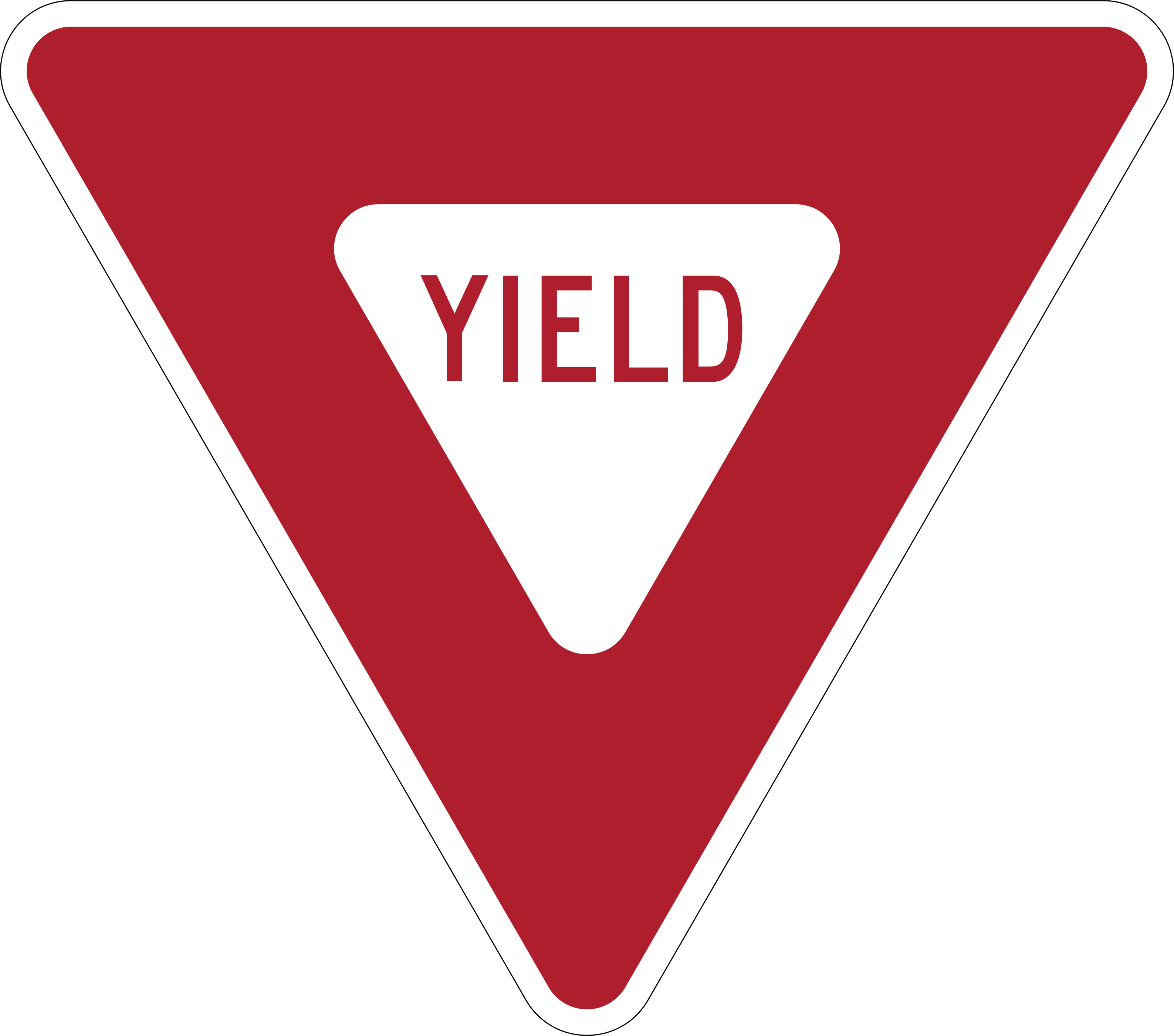
Yield 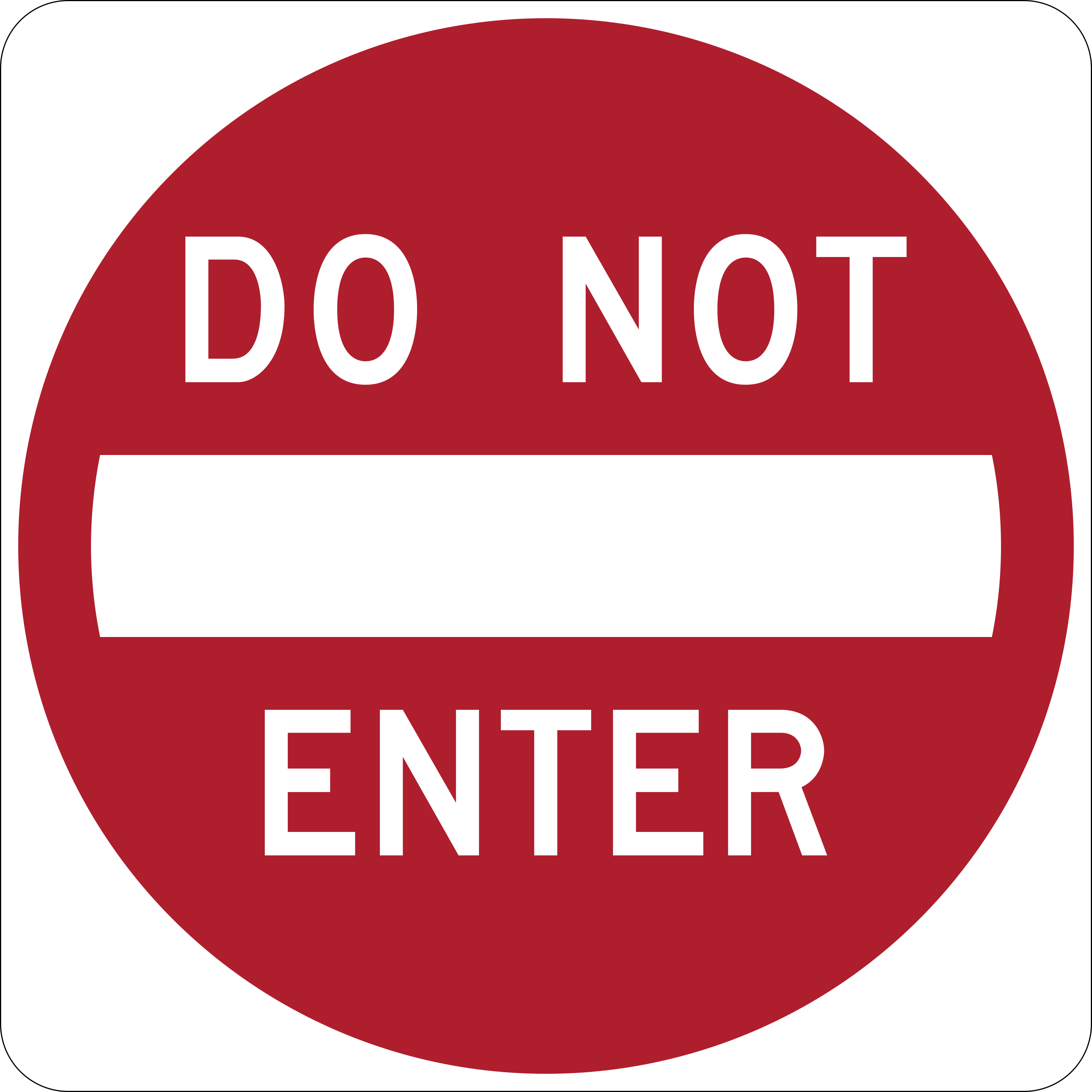
Do not enter 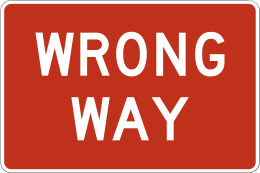
Wrong way 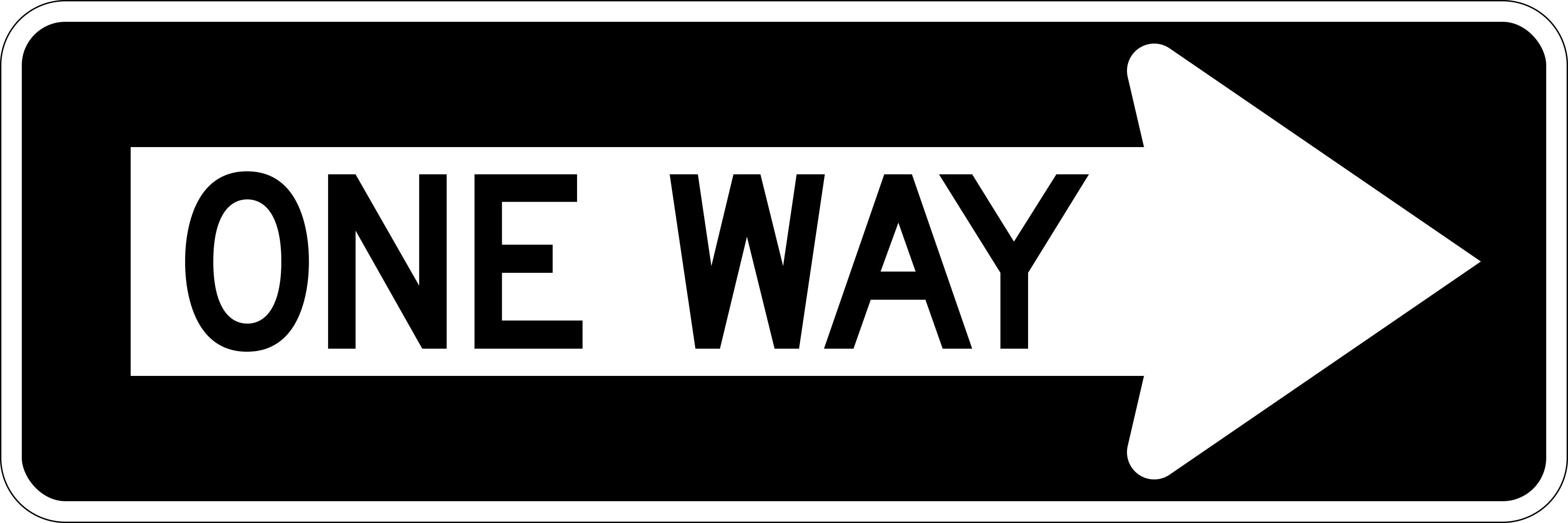
One way 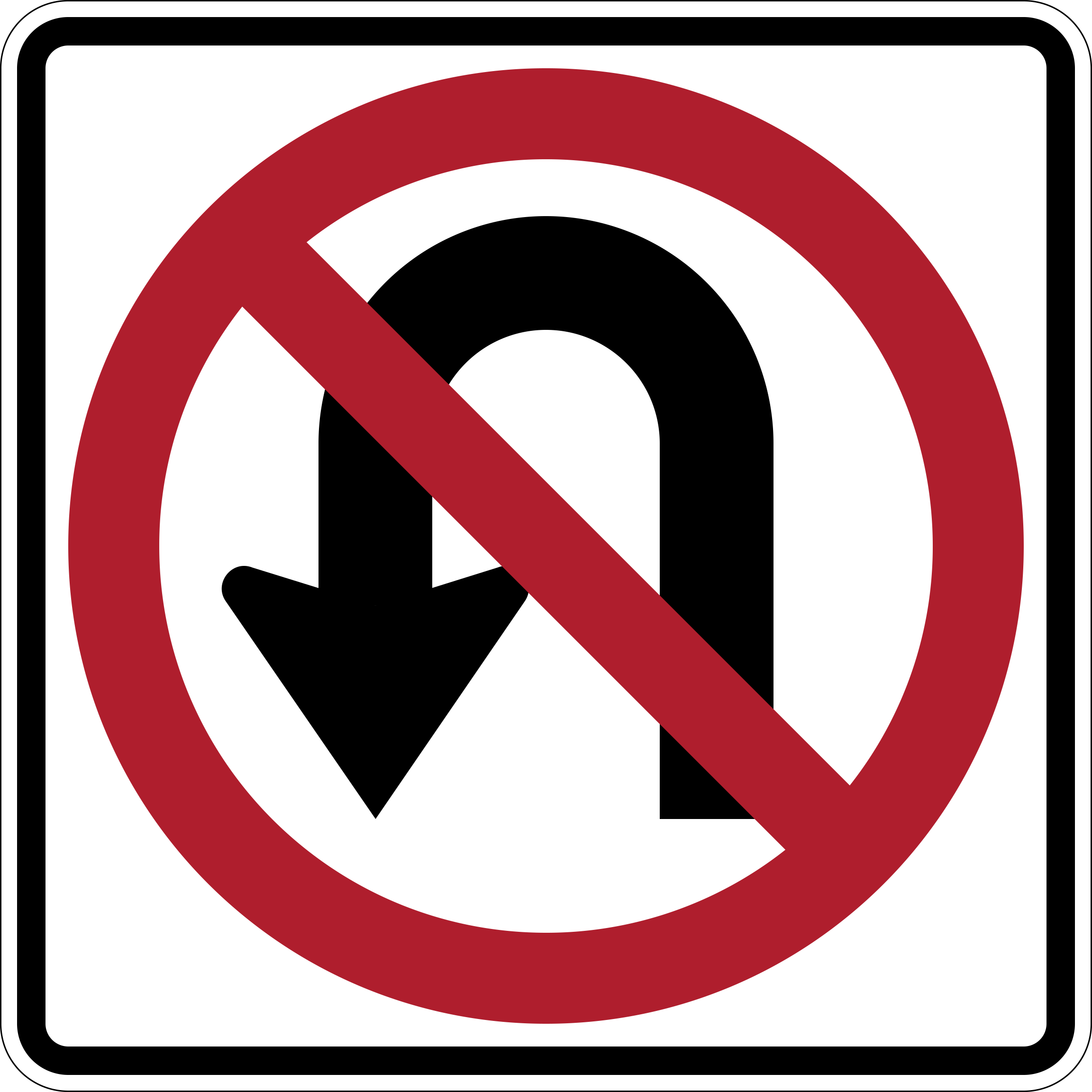
No U turn 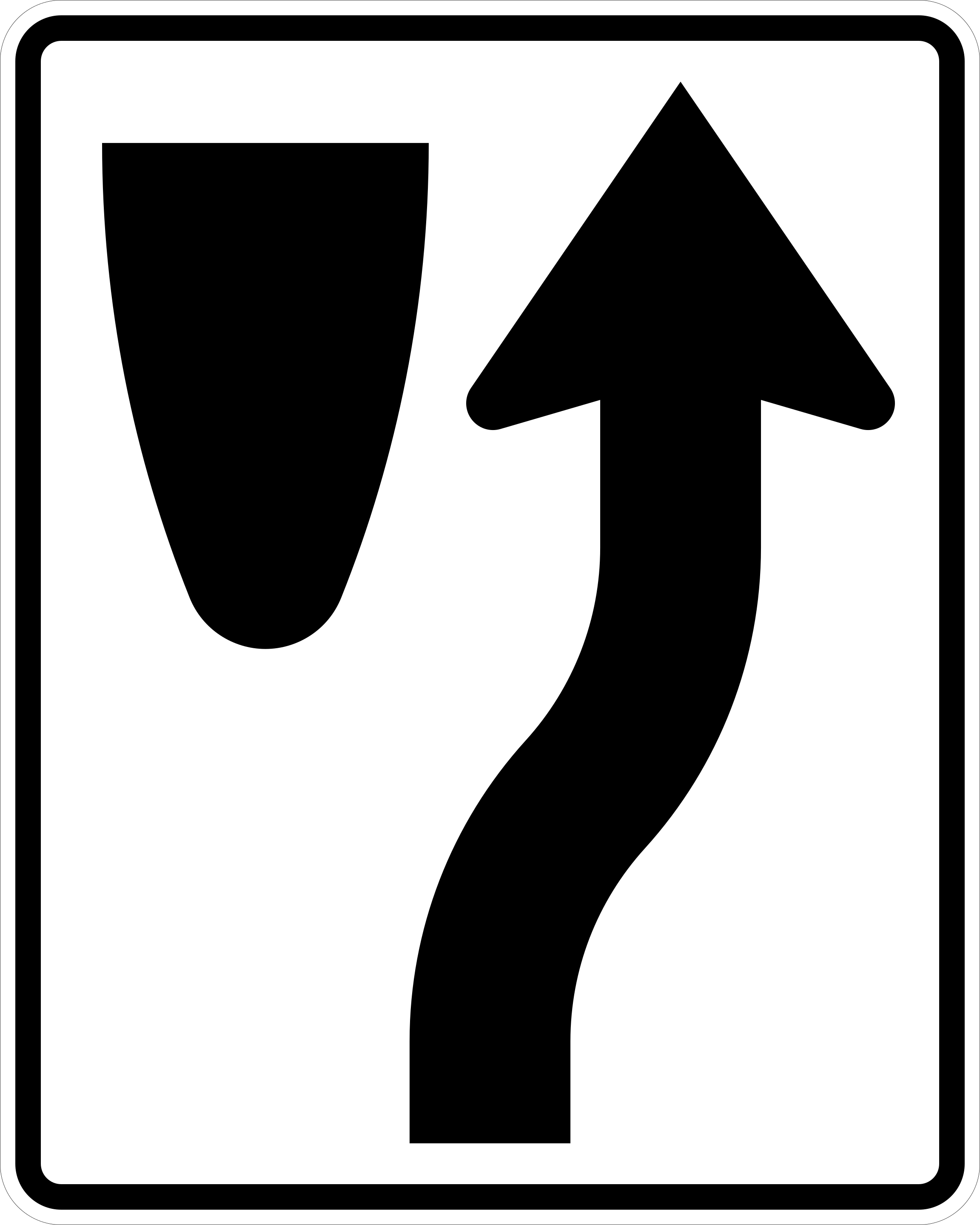
Keep right 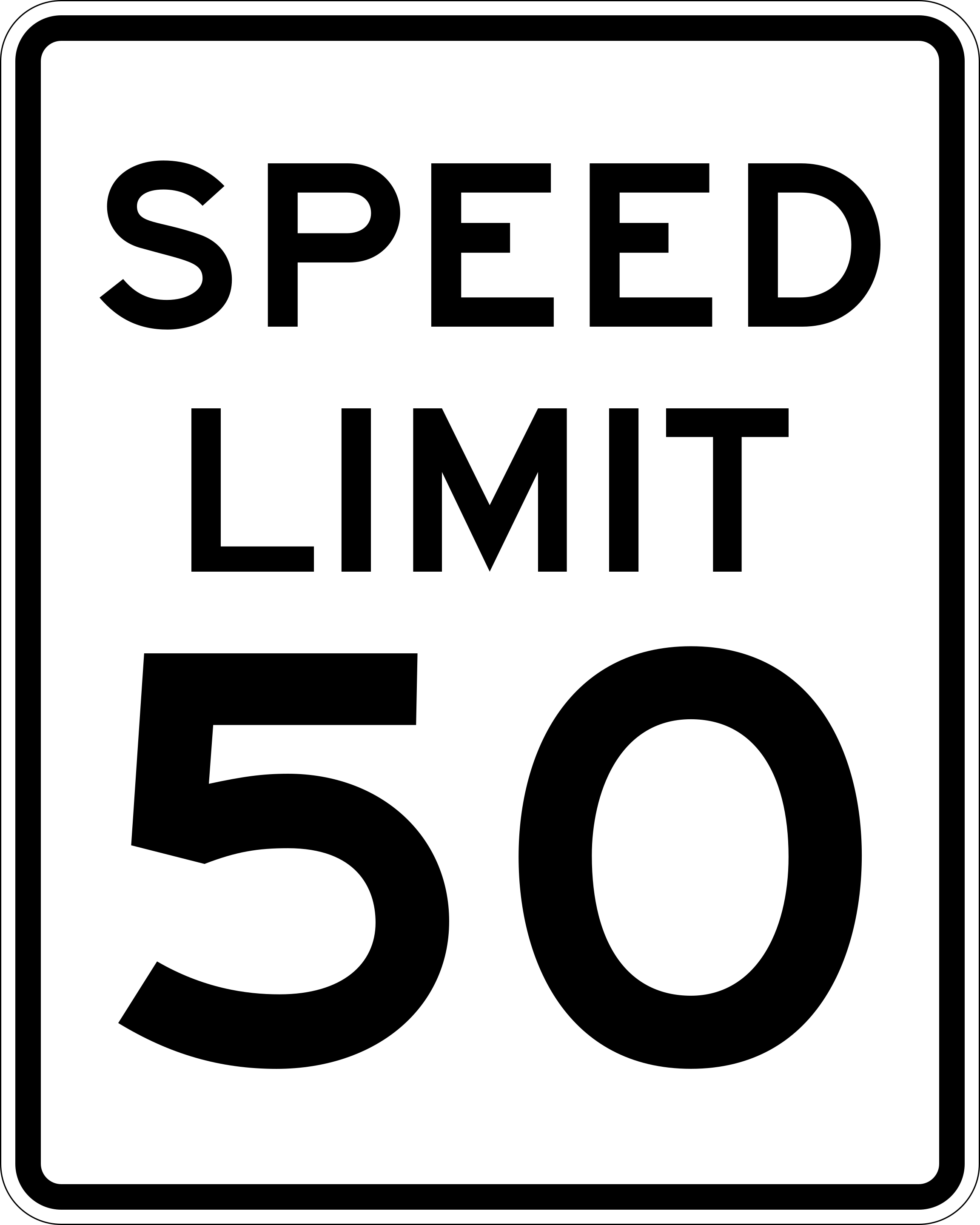
Speed limit 
Roundabout ahead 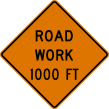
Road work ahead
3 questions from the Washington practice test
1. At a Washington stop sign, where must you stop before yielding?
- Only after entering the intersection
- At least 50 feet before the sign
- At the line, crosswalk, or corner
- Only when a pedestrian is visible
Show answer
At the line, crosswalk, or corner. Washington's stop sign rule identifies three possible stopping points: the stop line, the crosswalk, or the corner. After stopping, scan for crossing vehicles and pedestrians in every direction and yield the right of way. Waiting until the vehicle is already in the intersection is too late, even if the road looks empty. A stop sign requires a complete stop, not merely a rolling slowdown. Use the nearest marked stopping point, then proceed only after checking the entire intersection.
2. At a yield sign, what action is required before entering the roadway?
- Stop for exactly three seconds every time
- Slow down and allow right of way traffic to cross first
- Proceed first if you are in the larger vehicle
- Accelerate to enter before cross traffic
Show answer
Slow down and allow right of way traffic to cross first. A yield sign calls for a meaningful reduction in speed and deference to traffic that already has the right of way. You must let that traffic cross first, and you should be ready to stop if the situation requires it. The sign does not impose a fixed three second wait when no traffic is present. Size, urgency, or acceleration never creates priority. Approach slowly, look for vehicles and pedestrians, and enter only when the crossing path is clear.
3. What should you do immediately after seeing a Wrong Way sign facing you?
- Continue until the next exit
- Move to the left lane and speed up
- Stop and turn around immediately
- Stop only if another car appears
Show answer
Stop and turn around immediately. A Wrong Way sign warns that the vehicle is traveling against the intended direction and that a head on collision is possible. The guide says to stop and turn around immediately. Continuing to the next exit leaves you exposed to opposing traffic. Changing lanes or speeding up increases the danger. The practical cue is the sign itself: treat it as an urgent direction error, not a routine route marker.
Practice this topic
Lock it in with road signs questions from the free Washington practice test. Every answer comes with a plain English explanation.
Source: the Washington Driver Guide (plain-text version), Chapter 4: Roads. This lesson is a plain English summary, not the law itself; where it differs, the manual and the statute govern. Last checked 2026-09-27.