
Key points
A red circle with a slash means NO.
Source: Handbook p. 7
“Regulatory signs inform you of the law; you must obey their instructions. Remember that a red circle with a slash means NO”
Virginia Driver's Manual, Handbook p. 7In rain, snow and ice, you can be ticketed for driving too fast for conditions even at or under the posted limit.
Source: Handbook p. 7
“During rain, snow and ice, you may receive a ticket for driving too fast for the conditions even if you are driving at or less than the posted speed limit.”
Virginia Driver's Manual, Handbook p. 7In Virginia a U turn counts as two left turns, so it is illegal where a No Left Turn sign is posted.
Source: Handbook p. 7
“In Virginia, U-turns are considered as two left turns and are illegal if this sign is posted.”
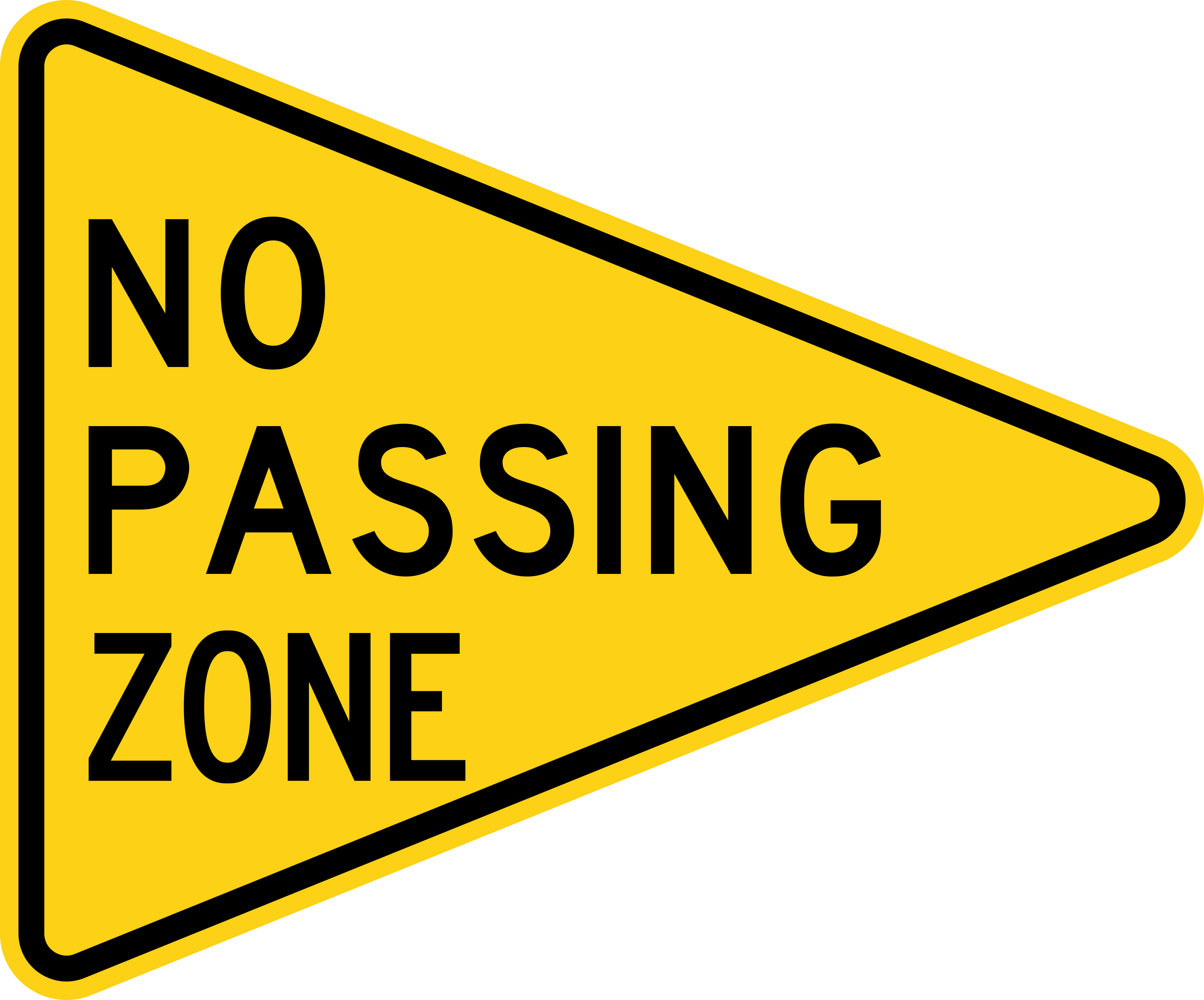
Virginia Driver's Manual, Handbook p. 7A Do Not Pass sign marks the start of a no passing zone, even if the way is clear.
Source: Handbook p. 7
“This sign marks the beginning of a no passing zone. You may not pass cars ahead of you in your lane, even if the way is clear.”
Virginia Driver's Manual, Handbook p. 7A Left Turn Yield on Green sign means left turners on green must yield to oncoming traffic.
Source: Handbook p. 7
“It tells you that the traffic turning left at a green light does not have the right-of-way and must yield to traffic coming from the other direction.”
Virginia Driver's Manual, Handbook p. 7If you pass a Do Not Enter or Wrong Way sign, slow down, pull over and carefully turn around.
Source: Handbook p. 7
“If you drive past these signs you are going in the wrong direction and could get into a head-on crash with vehicles headed your way. Immediately slow down, pull over, and cautiously turn around.”
Virginia Driver's Manual, Handbook p. 7An advisory speed sign shows the maximum safe speed for a highway exit.
Source: Handbook p. 8
“Advisory Speed: This sign indicates the maximum safe speed for a highway exit.”
Virginia Driver's Manual, Handbook p. 8Where the right lane ends, drivers in the right lane merge left when space opens.
Source: Handbook p. 8
“The right lane ends soon. Drivers in the right lane must merge left when space opens up.”
Virginia Driver's Manual, Handbook p. 8Pass horse drawn buggies with at least 3 feet of clearance, and do not use the horn.
Source: Handbook p. 8
“Regularly travel in this area. Slow down and don’t use the horn. State law requires motorists to pass with at least three feet of clearance when the way is clear.”
Virginia Driver's Manual, Handbook p. 8Vehicles going 25 mph or less, like farm equipment, must show a slow moving vehicle emblem.
Source: Handbook p. 11
“Slow Moving Vehicles traveling at 25 MPH or less, such as farm equipment, horsedrawn vehicles or highway work vehicles, must display these signs when using a public highway.”
Virginia Driver's Manual, Handbook p. 11
Numbers to know
| Number | What it means | Manual |
|---|---|---|
| 3 feet | minimum clearance when passing a horse drawn buggy | Handbook p. 8 |
| 25 mph | speed at or below which a vehicle must show the slow moving vehicle emblem | Handbook p. 11 |
Recognize these signs
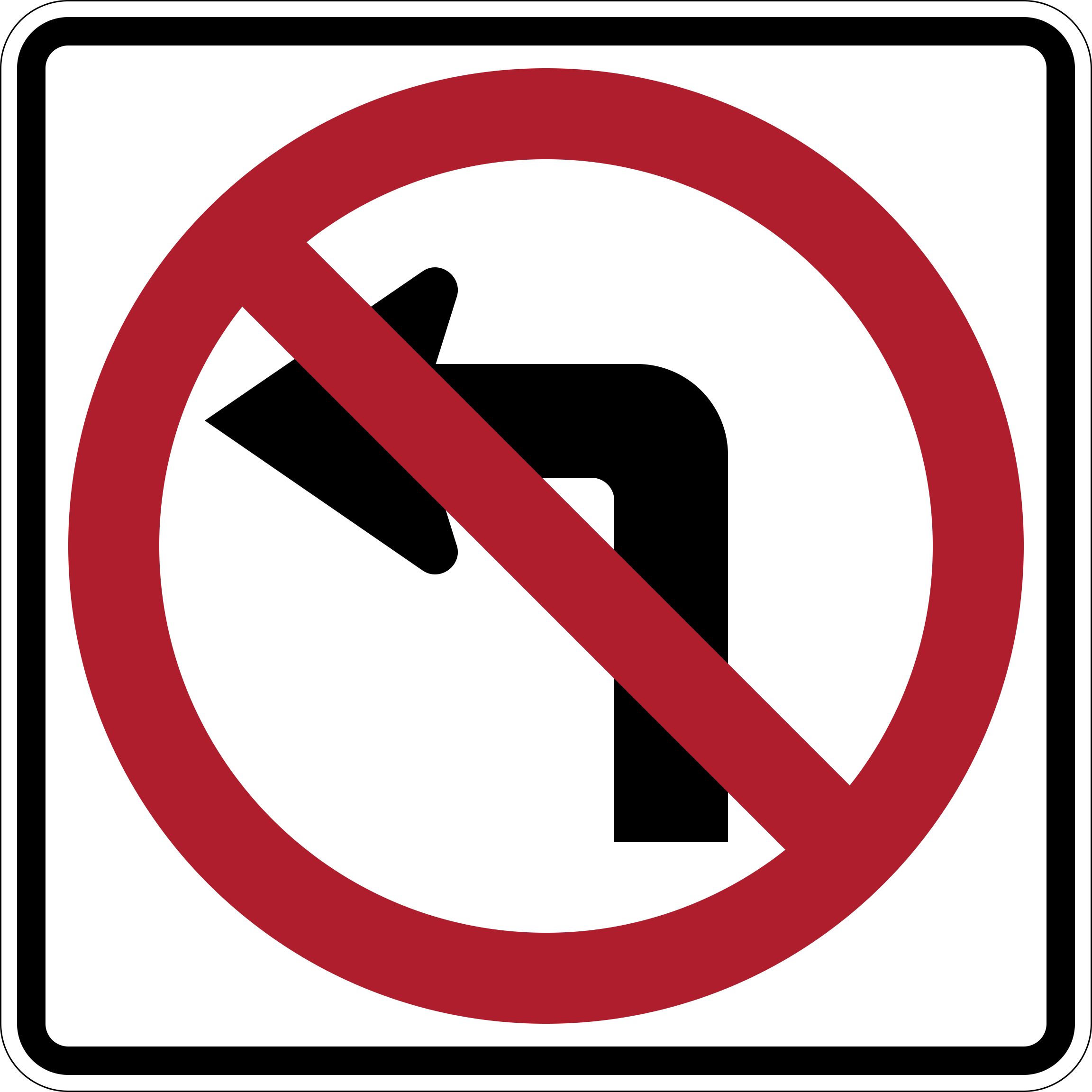
No left turn 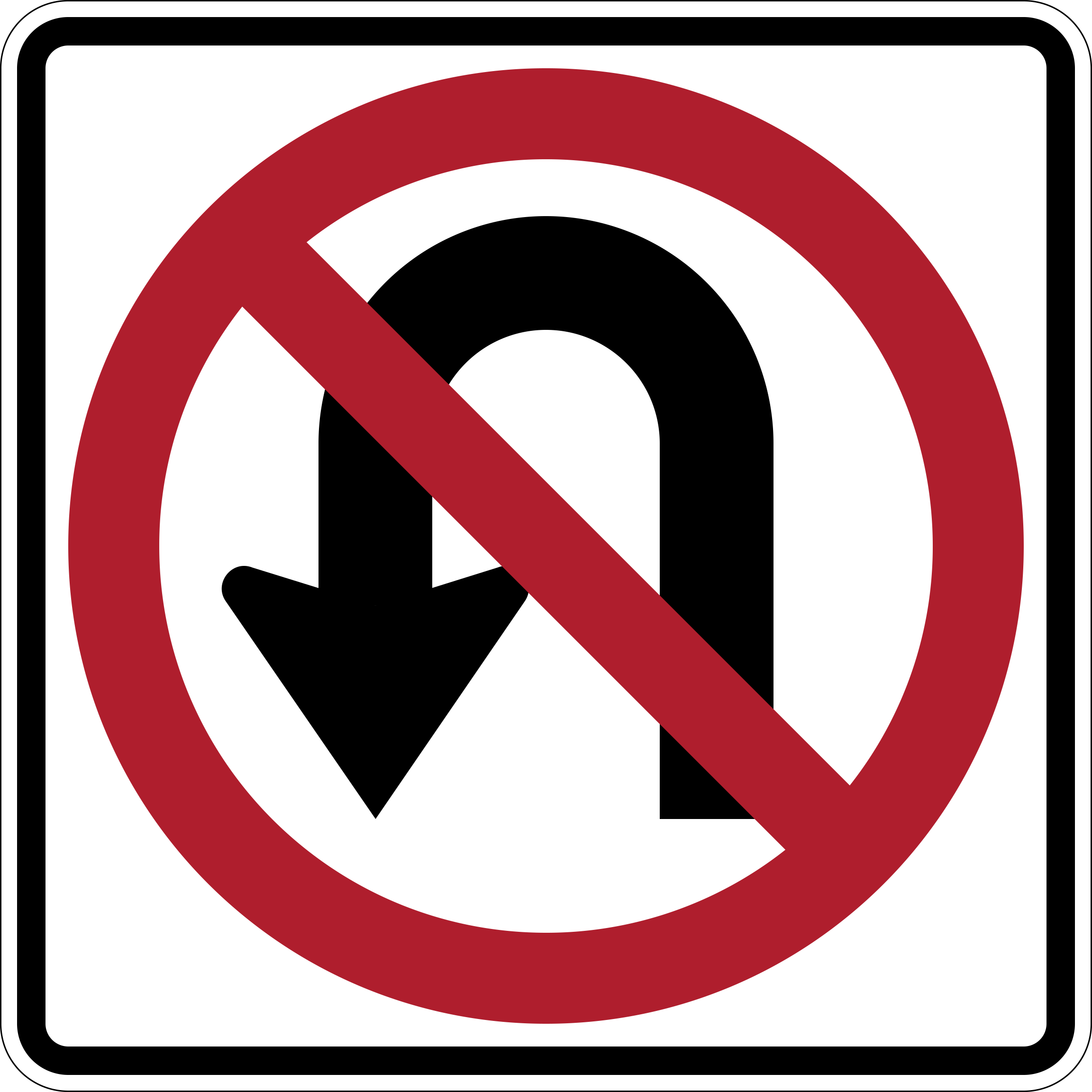
No U turn 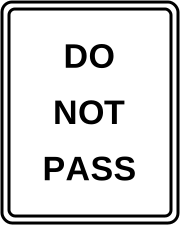
Do not pass 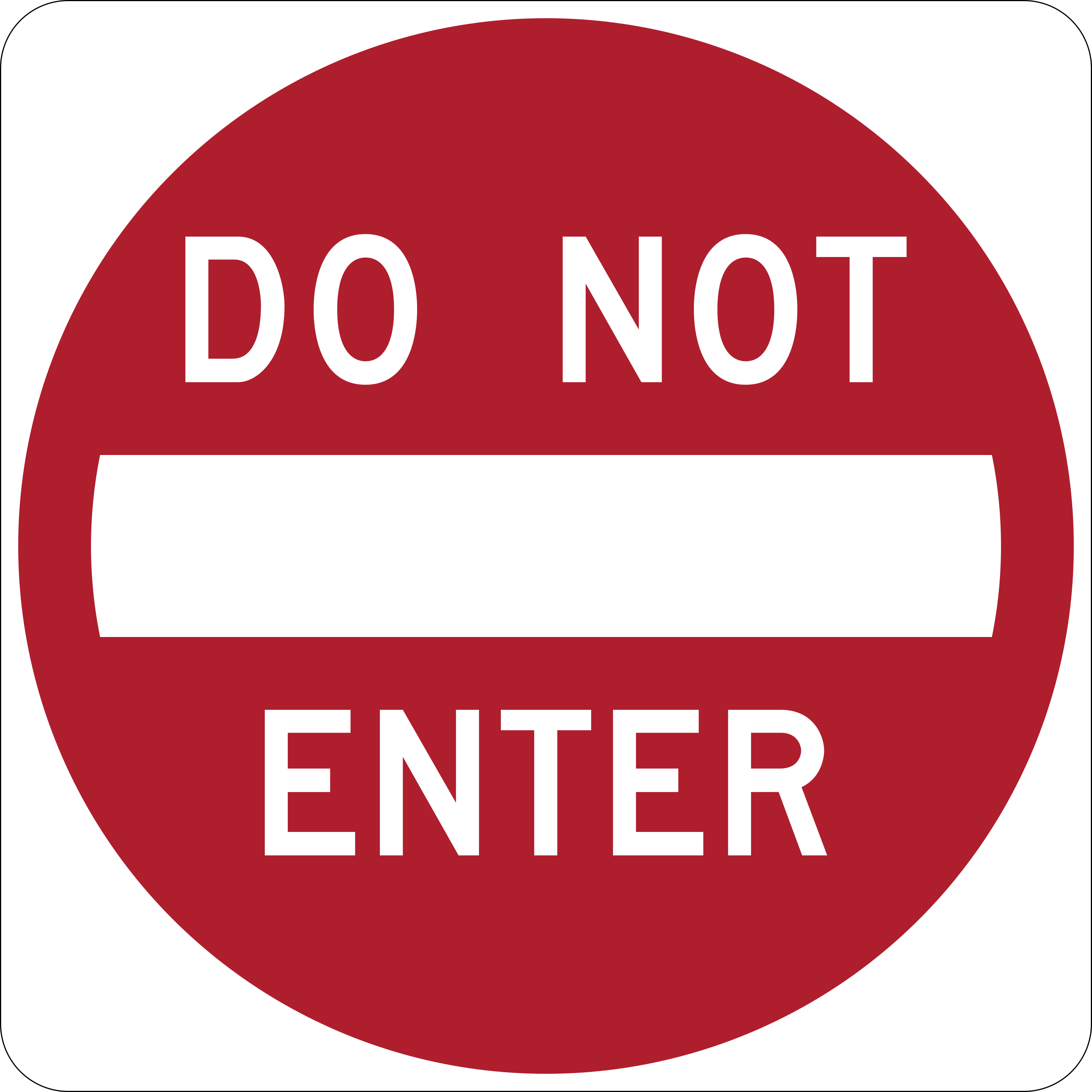
Do not enter 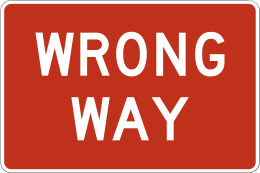
Wrong way 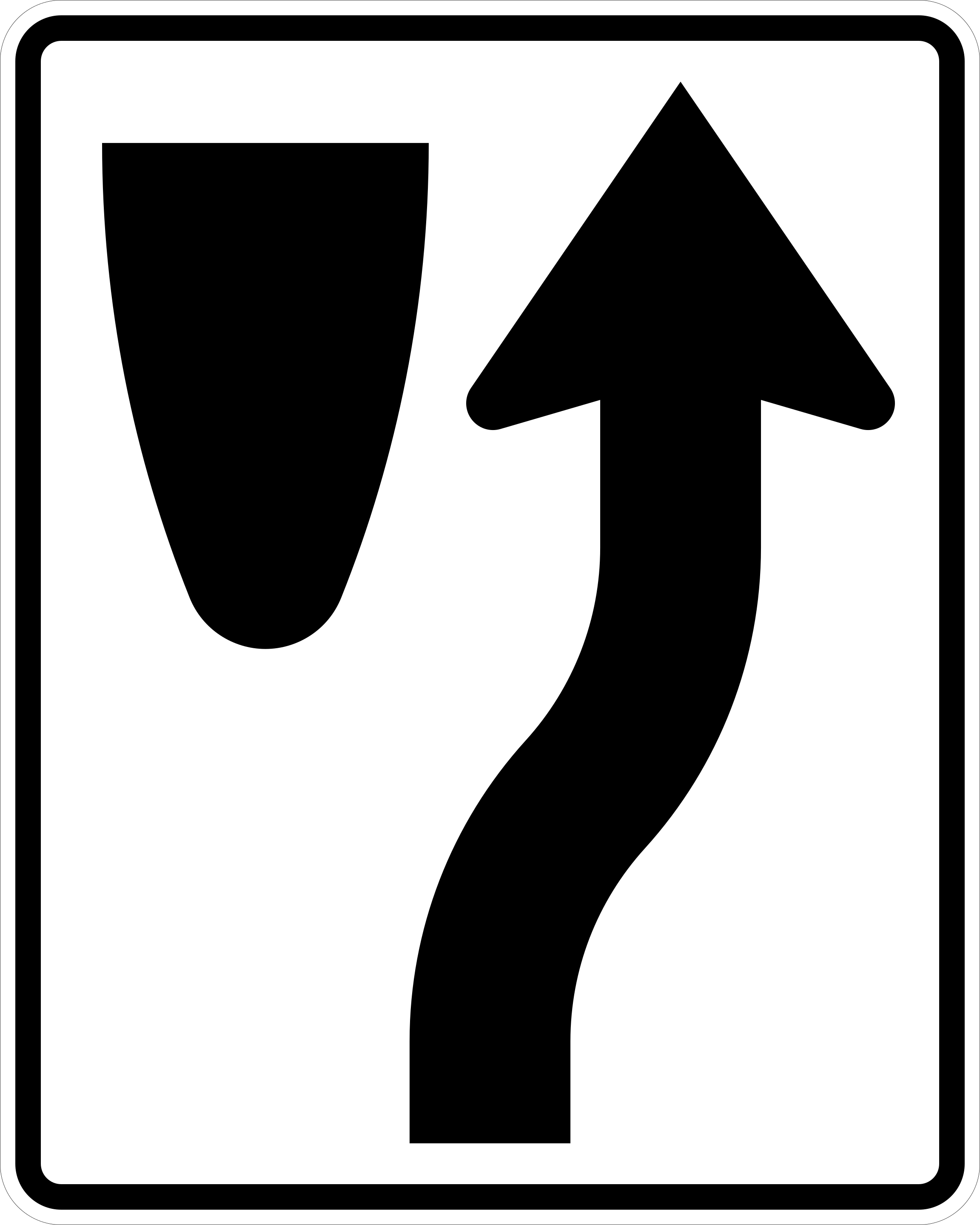
Keep right 
Lane reduction 
Slow moving vehicle 
Roundabout ahead
3 questions from the Virginia practice test
1. In Virginia, what additional movement is illegal when a No Left Turn sign is posted?
- A right turn from the outside lane
- A lane change after checking the mirror
- A left turn after yielding at a green arrow
- A U-turn, because Virginia treats it as two left turns
Show answer
A U-turn, because Virginia treats it as two left turns. Virginia gives the No Left Turn sign an important added consequence: a U-turn is treated as two left turns. Therefore, the sign bars both the obvious left turn and the attempt to reverse direction by making a U-turn. A right turn or a properly checked lane change is not the movement named by this sign. Remember the two-left-turn rule whenever the crossed-out left arrow appears, including on a quiet roadway.
2. What does the pennant-shaped No Passing Zone sign identify?
- A place where passing is required
- The beginning of a no passing zone
- The end of every roadway restriction
- A lane reserved for emergency vehicles
Show answer
The beginning of a no passing zone. The yellow pennant is the No Passing Zone warning sign, and it marks the beginning of a no passing zone. A driver may not pass cars ahead in the same lane there, even when the way is clear. The answer that passing is required reverses the rule: the sign never orders a driver to pass. Calling it the end of every restriction wrongly treats the sign as an ending marker, while the emergency lane answer invents a special lane use. Treat the pennant as a cue that you must stay behind slower traffic in your lane.
3. When a Lane Reduction sign shows the right lane ending, who must merge left?
- Drivers in the right lane when space opens up
- Only drivers already in the left lane
- Every driver, including those behind the sign
- No one, because the lane continues normally
Show answer
Drivers in the right lane when space opens up. A Lane Reduction warning tells the driver that the right lane ends soon. Vehicles in that lane must merge left when space opens, while drivers already in the left lane should allow the merge to happen smoothly. The left-lane-only option reverses the instruction, and no driver can assume the lane continues. Look well ahead, signal before moving, and choose a safe gap instead of waiting until the pavement narrows.
Practice this topic
Lock it in with road signs questions from the free Virginia practice test. Every answer comes with a plain English explanation.
Source: the Virginia Driver's Manual, Section 2: Signals, Signs and Pavement Markings. This lesson is a plain English summary, not the law itself; where it differs, the manual and the statute govern. Last checked 2026-09-27.