
Key points
At a stop sign, come to a full stop behind the crosswalk or stop line.
Source: Handbook p. 29
“Come to a full stop behind the stop sign at the crosswalk or stop line.”
Nevada Driver's Handbook, Handbook p. 29At a four way stop, let vehicles that arrived first go first.
Source: Handbook p. 29
“At a four-way stop, wait for other vehicles already in the intersection. Allow vehicles that reach the intersection before you to go first. Wait your turn!”
Nevada Driver's Handbook, Handbook p. 29A yield sign means the same as stop, except you may go without stopping if it is safe.
Source: Handbook p. 29
“Yield signs mean the same as stop signs except you may proceed without coming to a full stop if it is safe to do so.”
Nevada Driver's Handbook, Handbook p. 29At a yield sign, also yield to vehicles making a U-turn from the intersection.
Source: Handbook p. 29
“Yield the right-of-way to vehicles making a U-turn from an intersection.”
Nevada Driver's Handbook, Handbook p. 29Regulatory signs are rectangular with a white background, and you must obey them.
Source: Handbook p. 29
“Regulatory signs are rectangular and have a white background. They inform you of traffic laws and regulations. You must obey these signs.”
Nevada Driver's Handbook, Handbook p. 29Warning signs are yellow diamonds with black letters and symbols that tell you of special conditions or hazards ahead.
Source: Handbook p. 29
“Warning signs are yellow, diamond-shaped, with black letters and symbols. They tell the driver there are special conditions or hazards ahead.”
Nevada Driver's Handbook, Handbook p. 29Work zones are identified with orange signs, cones and barrels.
Source: Handbook p. 60
“Work zones are identified with orange signs, cones and barrels.”
Nevada Driver's Handbook, Handbook p. 60Speeding fines double in work zones; black and white speed limit signs are regulatory, and orange ones are advisory.
Source: Handbook p. 60
“Fines for speeding double in work zones! Black and white speed limit signs are regulatory. Orange speed limit signs are advisory and indicate slower, safer speeds.”
Nevada Driver's Handbook, Handbook p. 60
Recognize these signs

Stop 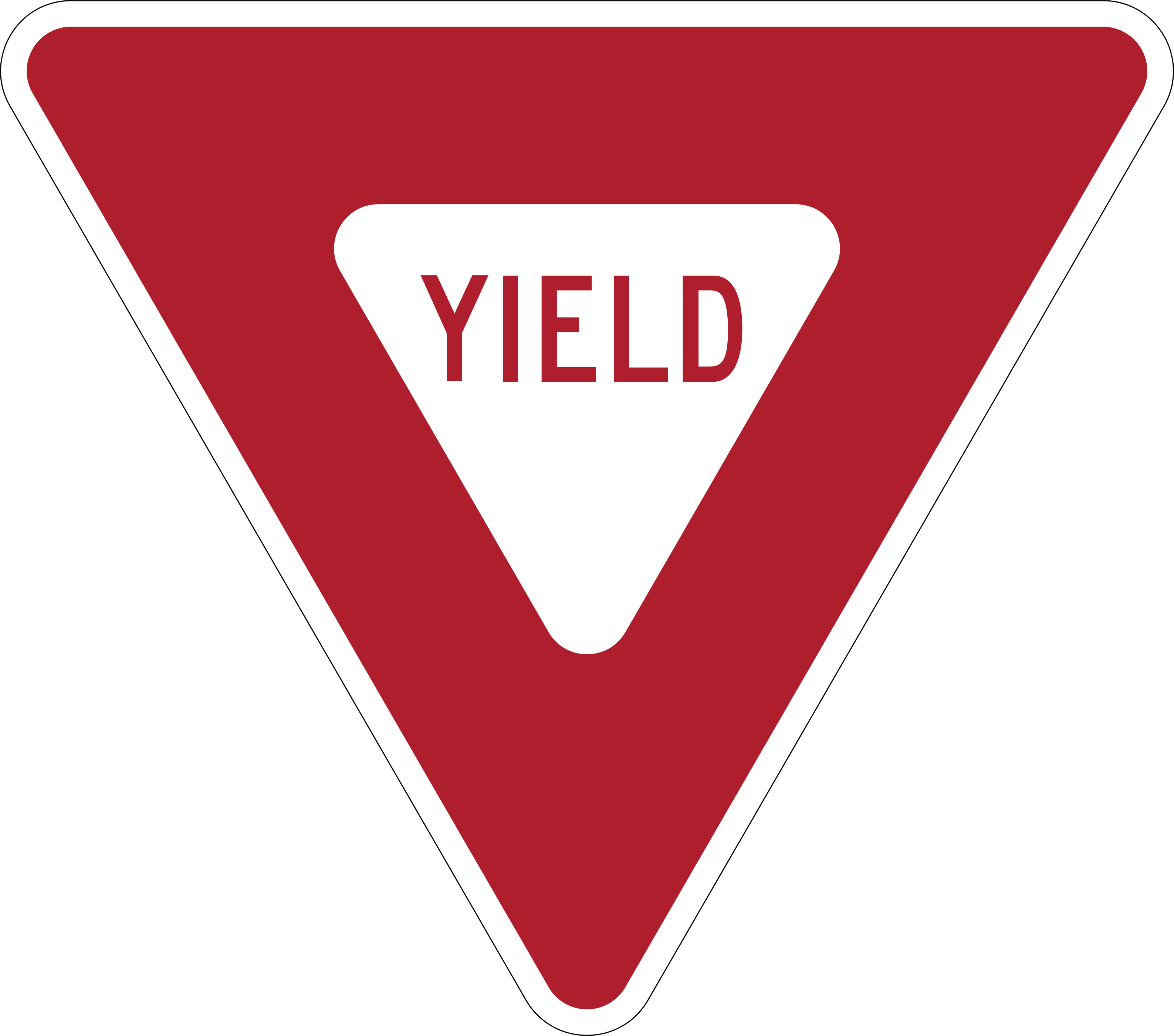
Yield 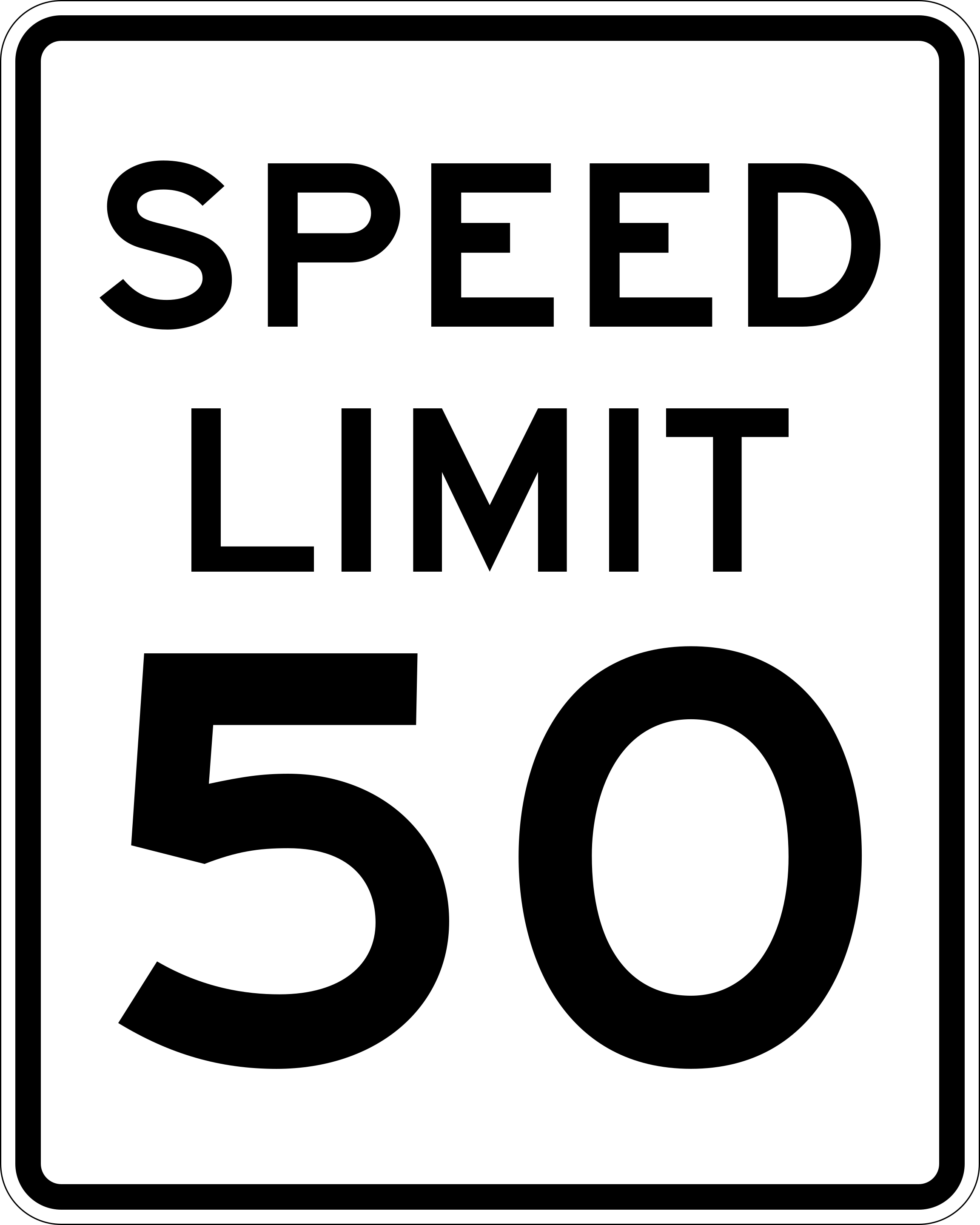
Speed limit 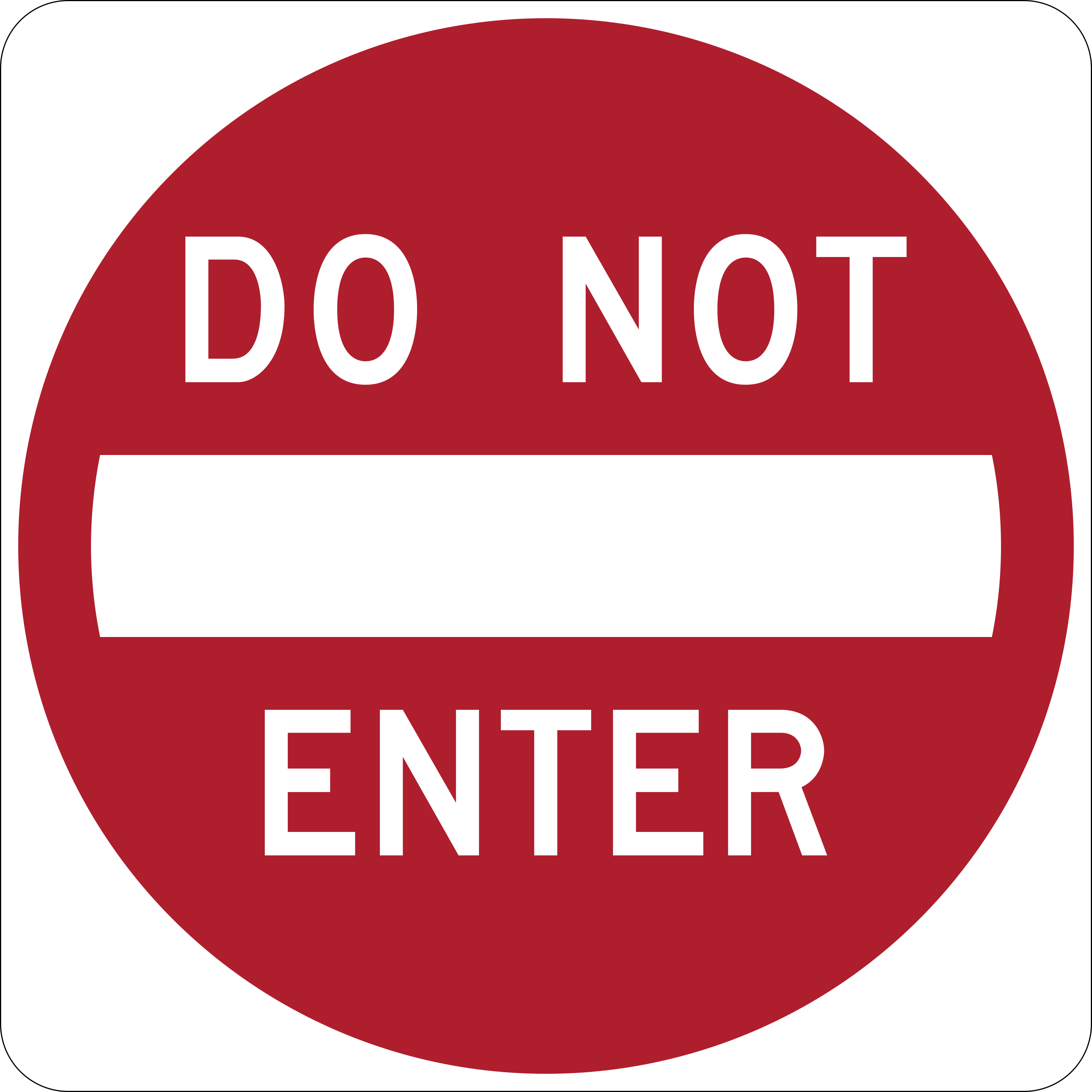
Do not enter 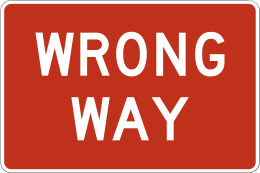
Wrong way 
Lane ends 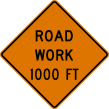
Road work ahead
3 questions from the Nevada practice test
1. What do Nevada regulatory signs look like?
- They are diamond-shaped and orange
- They are always round and yellow
- They are five-sided and green
- They are rectangular with a white background
Show answer
They are rectangular with a white background. Nevada describes regulatory signs as rectangular with a white background. These signs communicate traffic laws and regulations, so their shape and color help drivers recognize that the displayed instruction must be followed. Yellow diamond signs serve as warnings, while orange signs identify construction or repair warnings. The five-sided choice belongs to school zones and school crossings, not regulatory signs. When a white rectangular sign appears, read its wording or symbol carefully and apply the stated rule to the lane and movement ahead.
2. What do Nevada warning signs look like?
- Blue and circular with service information
- White and rectangular with legal rules
- Yellow and diamond-shaped with black letters or symbols
- Brown and pentagonal with route numbers
Show answer
Yellow and diamond-shaped with black letters or symbols. Nevada describes warning signs as yellow, diamond-shaped signs with black letters and symbols. Their purpose is to alert drivers to special conditions or hazards ahead, giving time to slow and prepare. White rectangular signs are regulatory, blue signs identify driver services, and route markers use a different shape and color pattern. The strongest recognition cue is the yellow diamond outline. After identifying it, look beyond the sign for the roadway change or hazard and choose a speed that leaves room to respond.
3. Orange signs, cones, and barrels are most likely warning a Nevada driver about what?
- A route-number change
- A hospital service area
- A highway work zone
- A permanent speed limit for a residential district
Show answer
A highway work zone. Nevada uses orange signs, cones, and barrels to identify highway work zones. These areas may have narrowed lanes, uneven pavement, stopped traffic, flaggers, equipment, and people working close to moving vehicles. A hospital or route marker uses other sign conventions, while a residential speed limit is not identified by the complete orange work-zone combination. When orange devices appear, slow before reaching the activity, follow every flagger instruction, and leave room for a sudden stop. Work-zone fines can also be increased, adding another reason to obey the temporary controls.
Practice this topic
Lock it in with road signs questions from the free Nevada practice test. Every answer comes with a plain English explanation.
Source: the Nevada Driver's Handbook, Chapter 3: Signs. This lesson is a plain English summary, not the law itself; where it differs, the manual and the statute govern. Last checked 2026-09-27.