
Key points
Regulatory signs tell you about traffic directions, lane use, turning, speed and parking.
Source: Handbook p. 47
“These signs tell you about traffic directions, lane use, turning, speed, parking, and other special situations.”
Utah Driver Handbook, Handbook p. 47A red circle with a red slash across a symbol means you cannot do that action.
Source: Handbook p. 47
“Some signs have a red circle with a red slash across the symbol. This means you cannot do certain things.”
Utah Driver Handbook, Handbook p. 47A yield sign means slow down and yield to traffic that has the right of way.
Source: Handbook p. 48
“A yield sign means you must slow down and yield to traffic that has the right-of-way.”
Utah Driver Handbook, Handbook p. 48On a one way street, traffic moves only in the direction of the arrow; never drive the wrong way.
Source: Handbook p. 49
“Traffic moves only in the direction of the arrow. Do not turn in the opposite direction of the arrow. Never drive the wrong way on a one-way street.”
Utah Driver Handbook, Handbook p. 49A left turn only lane sign marks a lane that is not for through traffic or passing.
Source: Handbook p. 48
“This sign marks a lane that is only for left turning vehicles. It is not for through traffic or for passing other vehicles.”
Utah Driver Handbook, Handbook p. 48Guide signs are green, brown or blue and tell you about intersecting roads and direct you to cities and towns.
Source: Handbook p. 46
“Square or rectangular and are green, brown, or blue. They advise you about intersecting roads and direct you to cities and towns.”
Utah Driver Handbook, Handbook p. 46The shape and color of a route sign show the type of road: interstate, U.S., state, city, county or local.
Source: Handbook p. 47
“The shape and color of route number signs indicate the type of roadway: interstate, U.S., state, city, county, or local.”
Utah Driver Handbook, Handbook p. 47Always obey a police officer at an intersection, even against the signal.
Source: Handbook p. 46
“Regardless of what the traffic lights may indicate, always obey the instructions of a police officer at an intersection.”
Utah Driver Handbook, Handbook p. 46
Recognize these signs
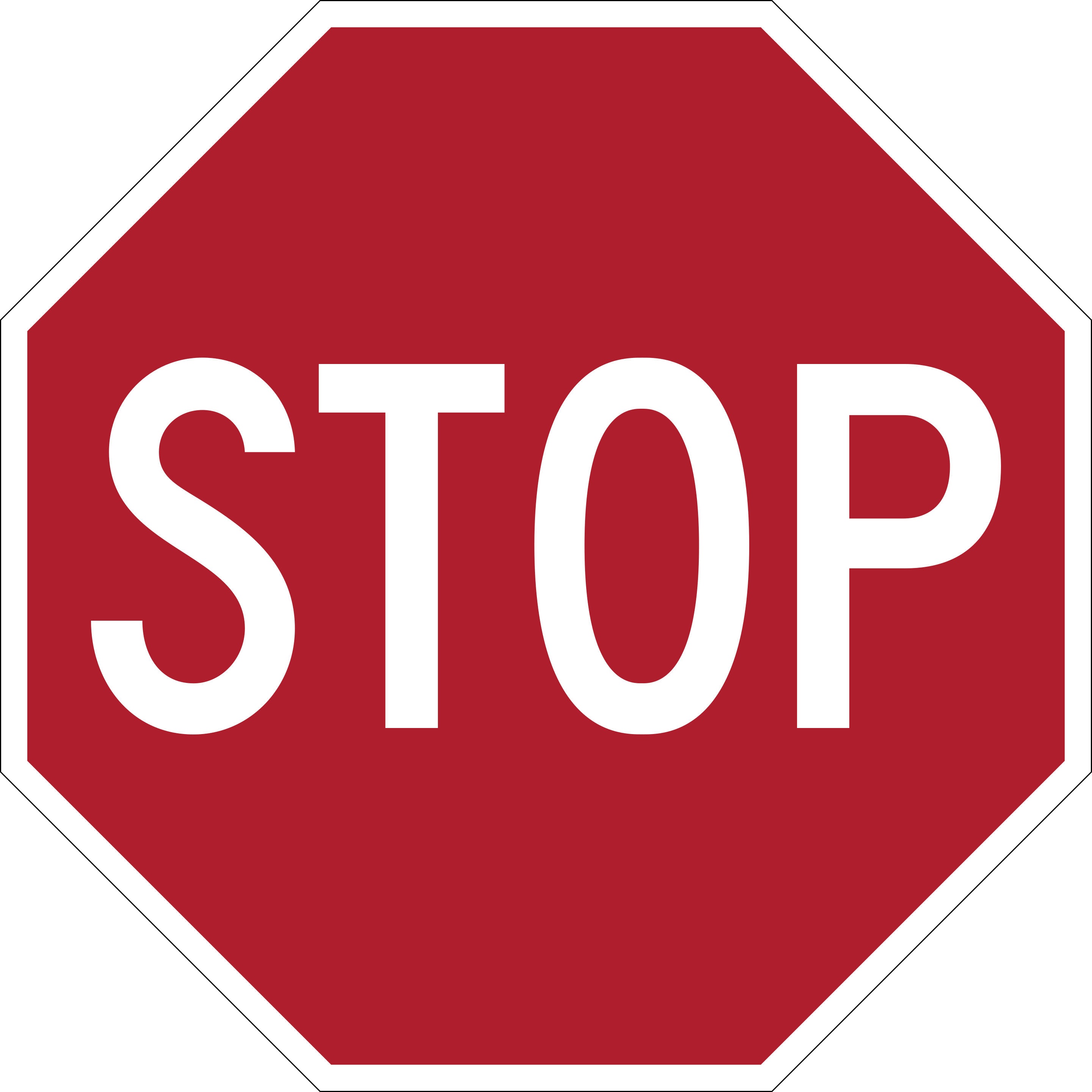
Stop 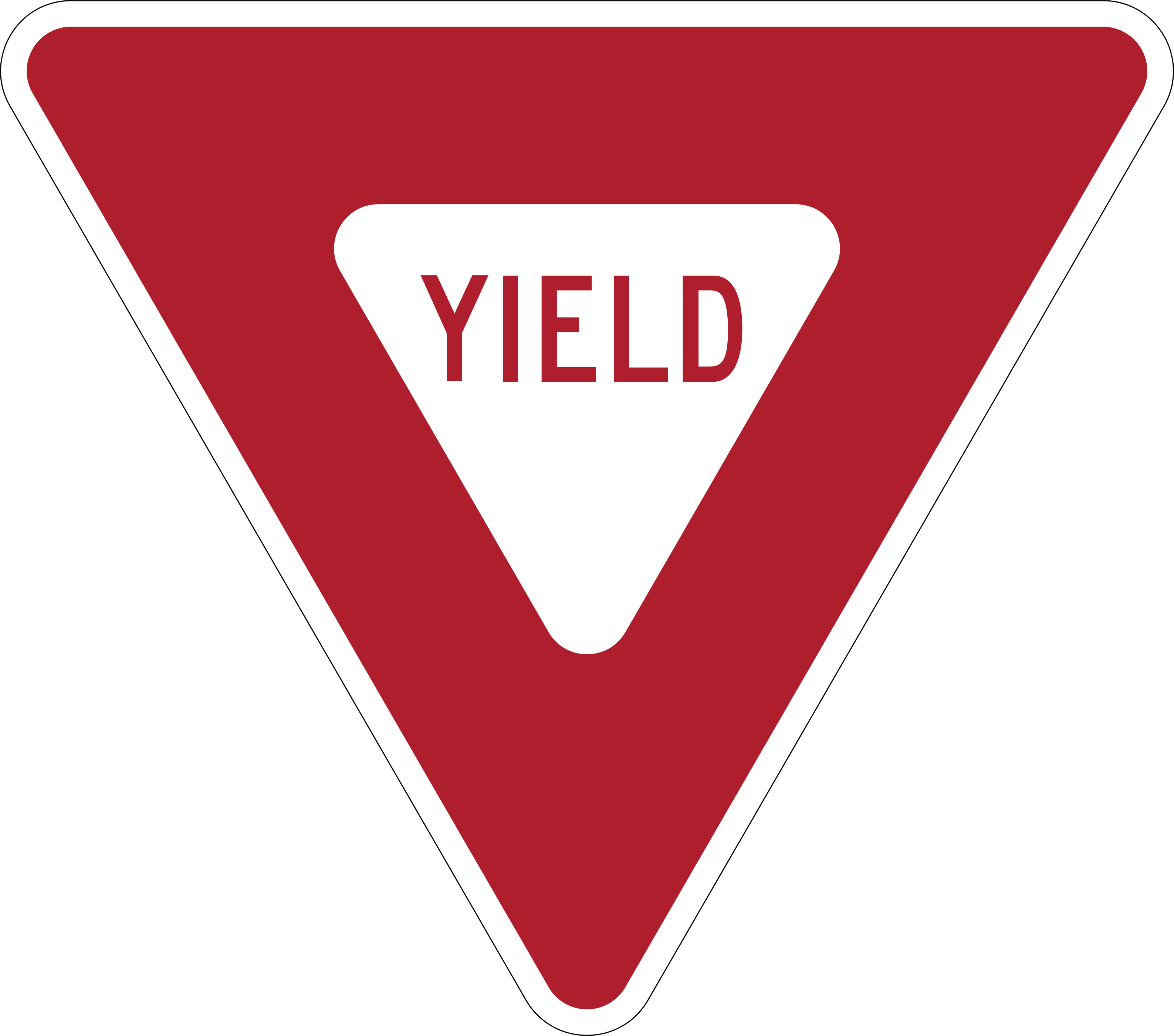
Yield 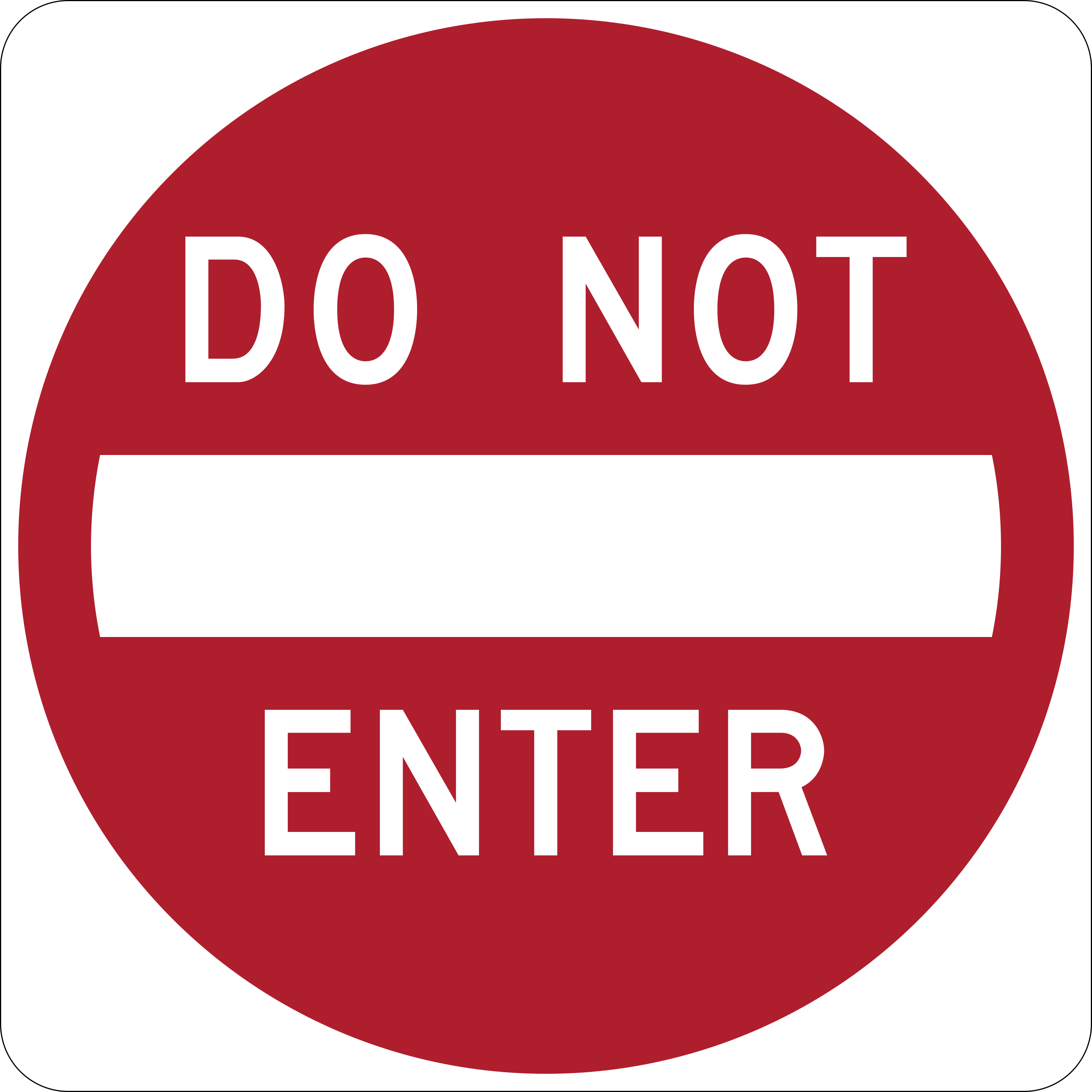
Do not enter 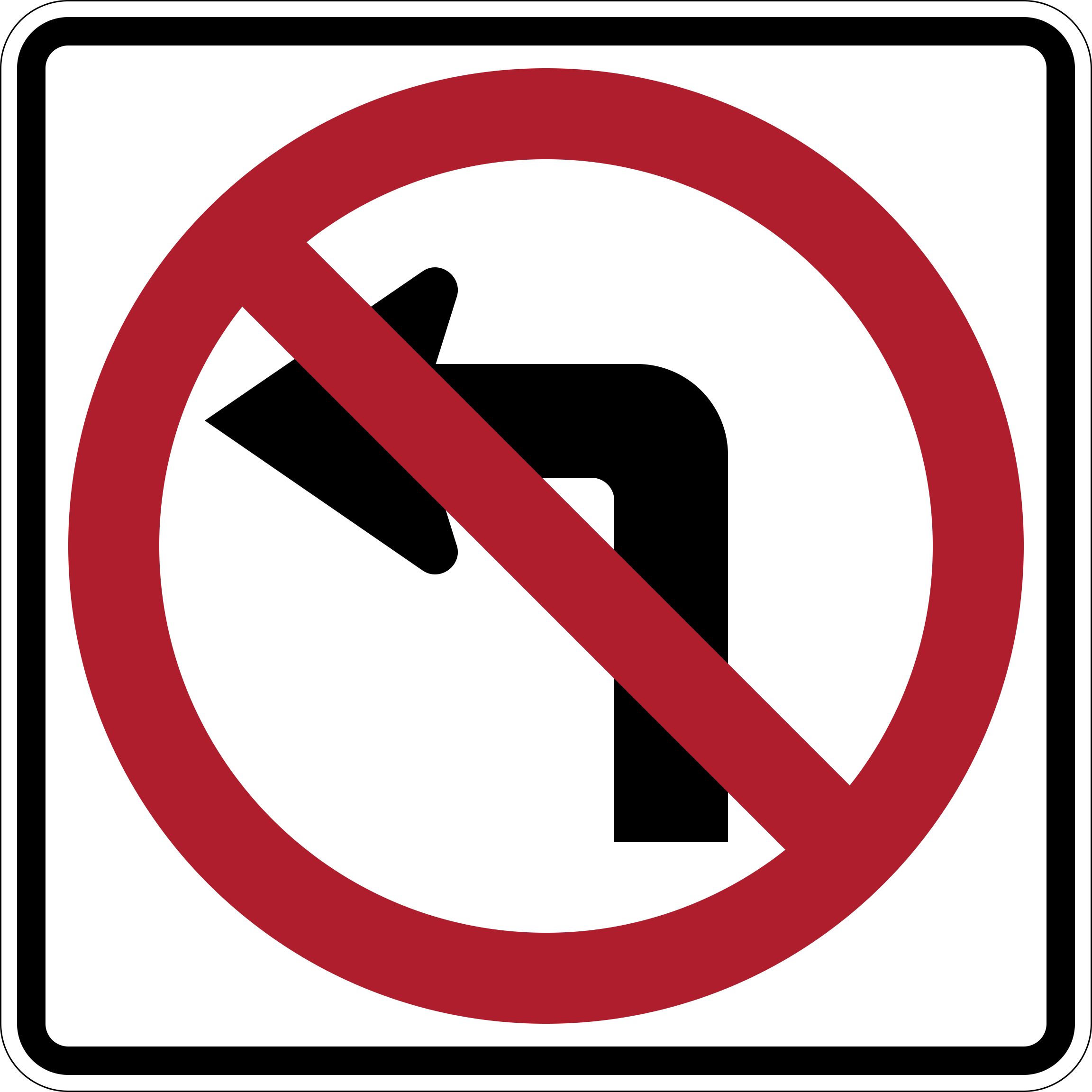
No left turn 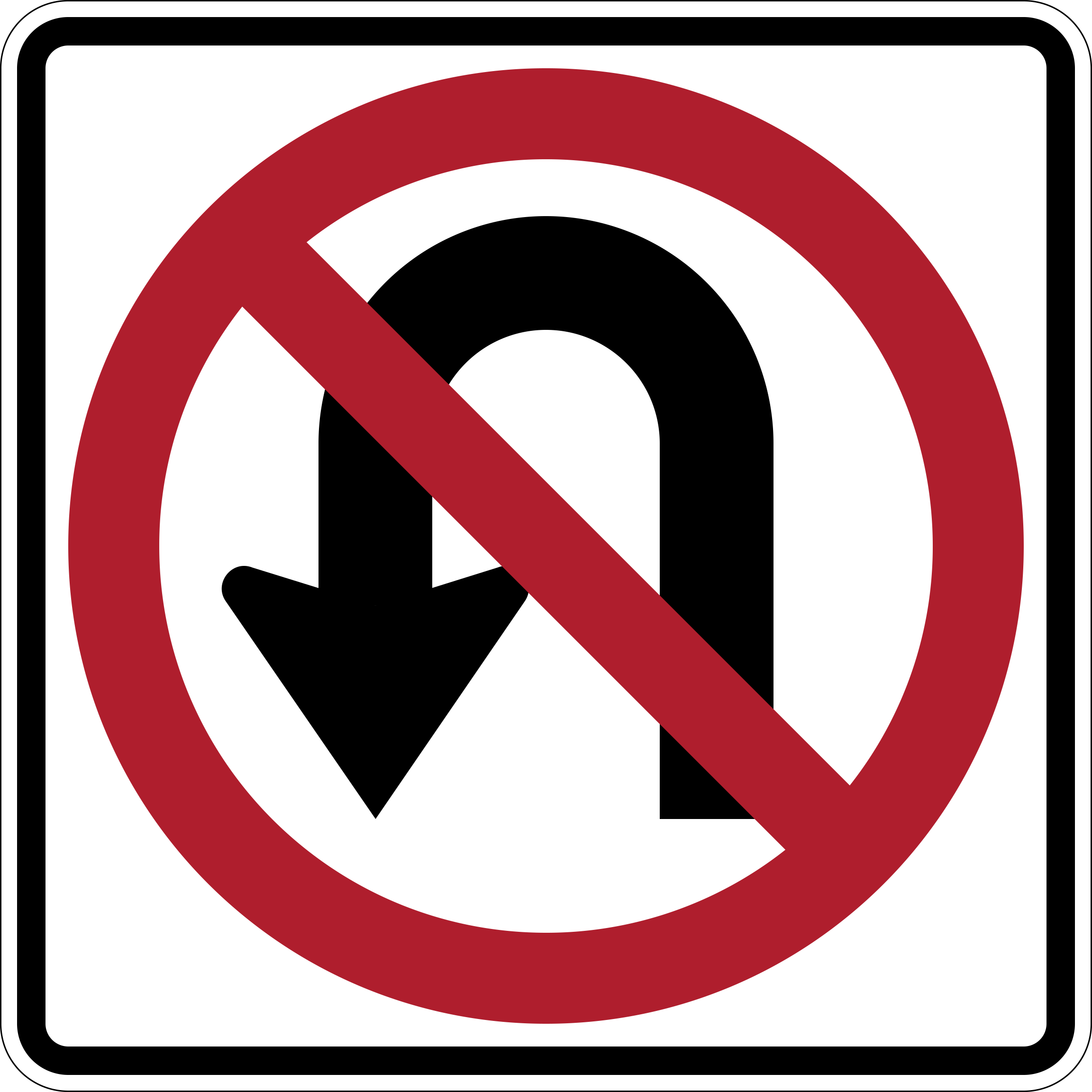
No U turn 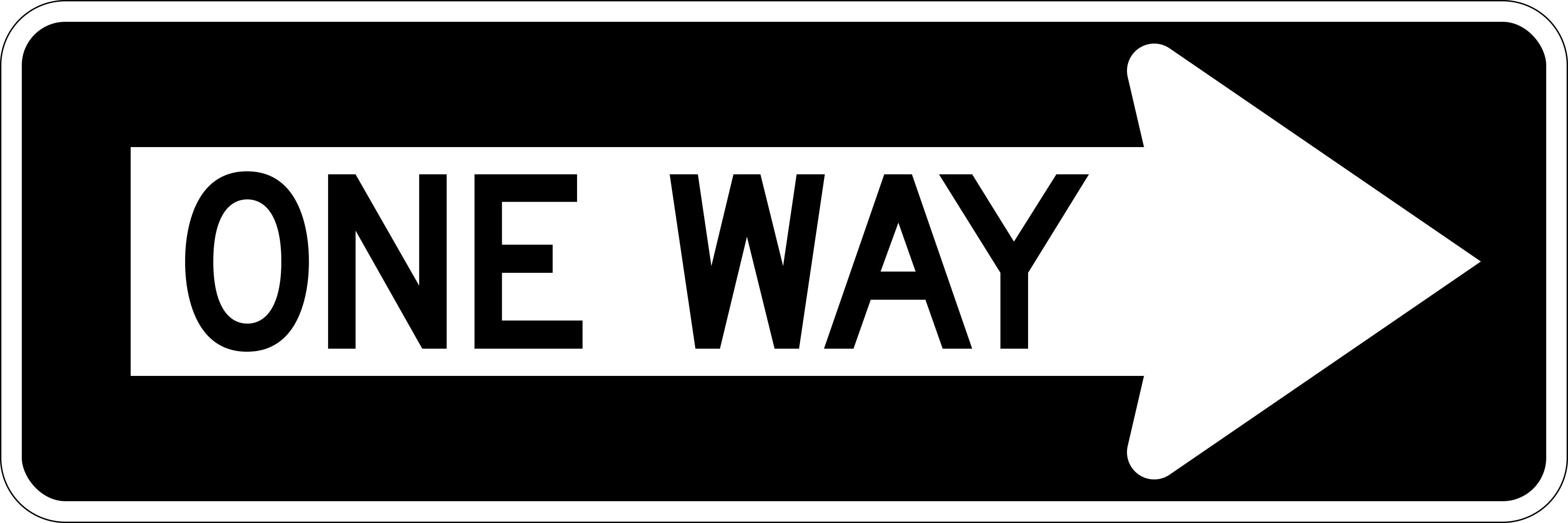
One way 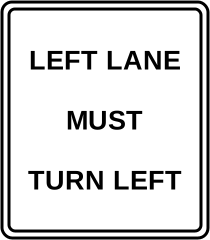
Left turn only 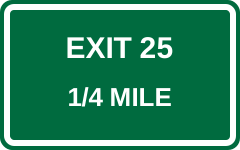
Guide sign
3 questions from the Utah practice test
1. What kind of instruction does this DO NOT ENTER sign give a driver approaching a ramp?
- An advisory about a rough ramp surface
- A suggestion to enter only when traffic is light
- A regulatory instruction prohibiting entry from this direction
- A notice that parking on the ramp is restricted
Show answer
A regulatory instruction prohibiting entry from this direction. DO NOT ENTER is a regulatory sign controlling whether you may enter the roadway from the direction you are approaching. It is not merely a suggestion to wait for light traffic or a notice about parking. The regulation applies to your intended entry, regardless of whether the ramp looks empty. The sign’s words and red symbol are the cue to stop considering that opening as an available route and locate the designated lawful access.
2. What colors do Utah guide signs use?
- Orange and black
- Red and white
- Yellow and black
- Green, brown, or blue
Show answer
Green, brown, or blue. Guide signs tell you where you are and how to get where you are going, and the handbook says they are square or rectangular and green, brown, or blue. They advise you about intersecting roads, direct you to cities and towns, mark points of interest, and help you find hospitals, service stations, restaurants, and hotels. Regulatory signs are white with black, red, or green letters, yellow and black are warnings, and orange marks work zones. Reading guide signs early lets you choose your lane before an exit instead of swerving at the last moment.
3. What do the shape and color of route number signs help you identify?
- The number of travel lanes beyond the next junction
- The distance to the nearest fuel station
- The type of roadway, such as interstate, U.S., or state
- The maximum speed allowed in poor weather
Show answer
The type of roadway, such as interstate, U.S., or state. Route-number signs use shape and color to identify the roadway system, including interstate, U.S., state, city, county, and local roads. They do not tell you how many lanes the next junction will have. When planning a trip, note the type of route as well as its number, then match both to signs along the drive. A numbered route marker is a navigation cue rather than a substitute for a speed-limit sign.
Practice this topic
Lock it in with road signs questions from the free Utah practice test. Every answer comes with a plain English explanation.
Source: the Utah Driver Handbook, Section 9: Traffic Signs. This lesson is a plain English summary, not the law itself; where it differs, the manual and the statute govern. Last checked 2026-09-27.