
Key points
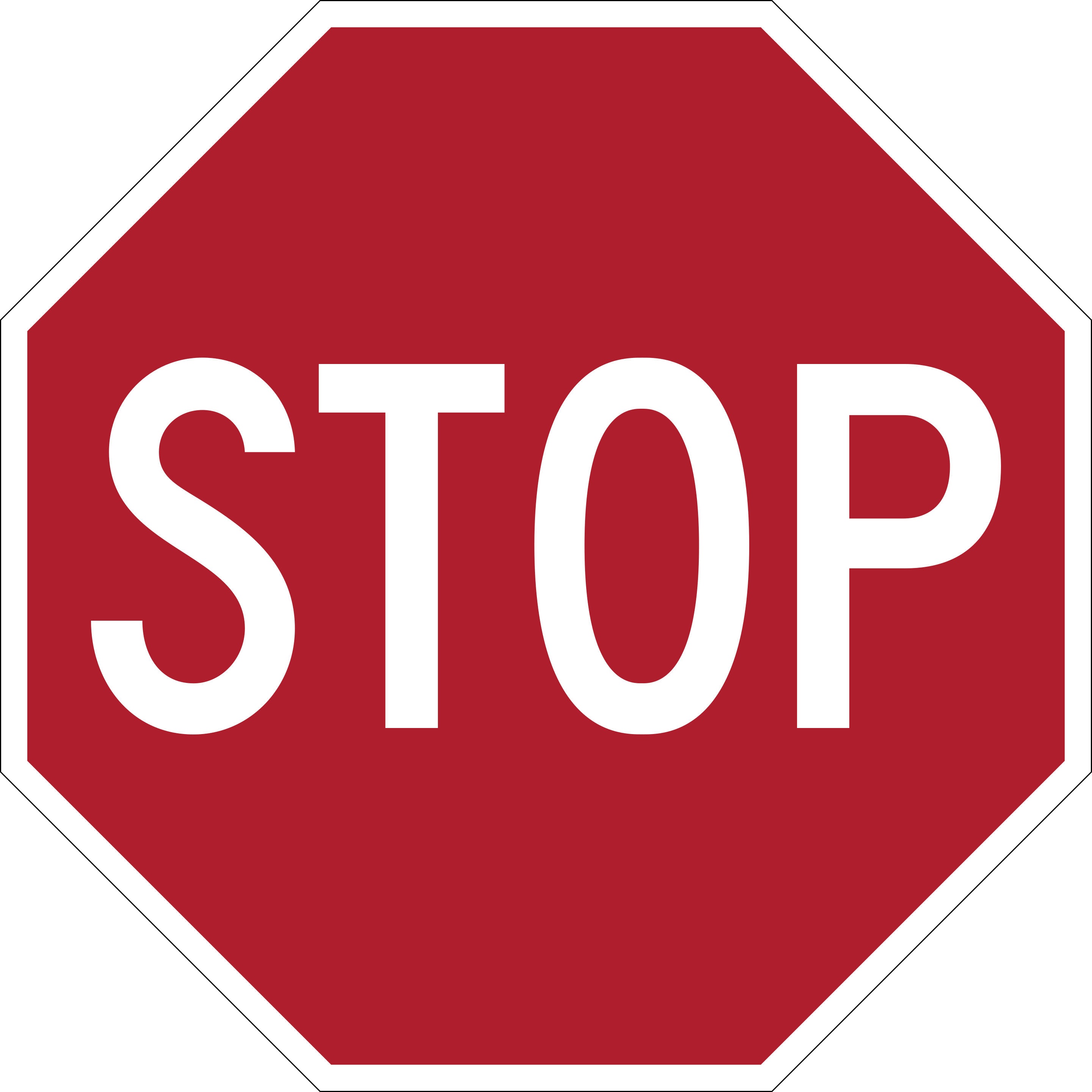
At a stop sign, come to a complete stop: at the painted stop line if there is one, and before any crosswalk, painted or not.
Source: Handbook p. 36
“Stop: Come to a complete stop before entering an intersection. If there is a painted stop line, stop at the line. Stop before entering a crosswalk, painted or unpainted.”
Nebraska Driver's Manual, Handbook p. 36At a yield sign, slow down or stop if needed to give the right of way to crossing or merging vehicles.
Source: Handbook p. 36
“Yield Slow down or stop, if necessary, to give the right-of-way to crossing or merging vehicles.”
Nebraska Driver's Manual, Handbook p. 36A red circle with a slash means NO; the symbol shows what is prohibited.
Source: Handbook p. 36
“A red circle with a slash means NO the symbol indicates what is prohibited.”
Nebraska Driver's Manual, Handbook p. 36Wrong Way and Do Not Enter signs mark a one way street or ramp; do not drive past either one.
Source: Handbook p. 37
“Wrong Way & Do Not Enter These signs are often used in combination, and identify a one-way street or expressway ramp. Do not drive past either of these signs.”
Nebraska Driver's Manual, Handbook p. 37A Keep Right sign means an island, median or obstruction is ahead.
Source: Handbook p. 37
“median or obstruction is ahead. Keep to the right.”
Nebraska Driver's Manual, Handbook p. 37A Lane Ends sign means the lane ends soon and you will need to merge.
Source: Handbook p. 39
“Lane Ends The lane ends soon and a merging maneuver will be required.”
Nebraska Driver's Manual, Handbook p. 39A Hill sign warns of a steep down grade; check your brakes.
Source: Handbook p. 39
“Hill A steep down grade ahead. Check your brakes.”
Nebraska Driver's Manual, Handbook p. 39At a roundabout sign, slow down and yield to vehicles on your left already in the roundabout.
Source: Handbook p. 41
“Slow down and YIELD at the roundabout. Yield to all vehicles approaching on your left already in the roundabout.”
Nebraska Driver's Manual, Handbook p. 41
Recognize these signs
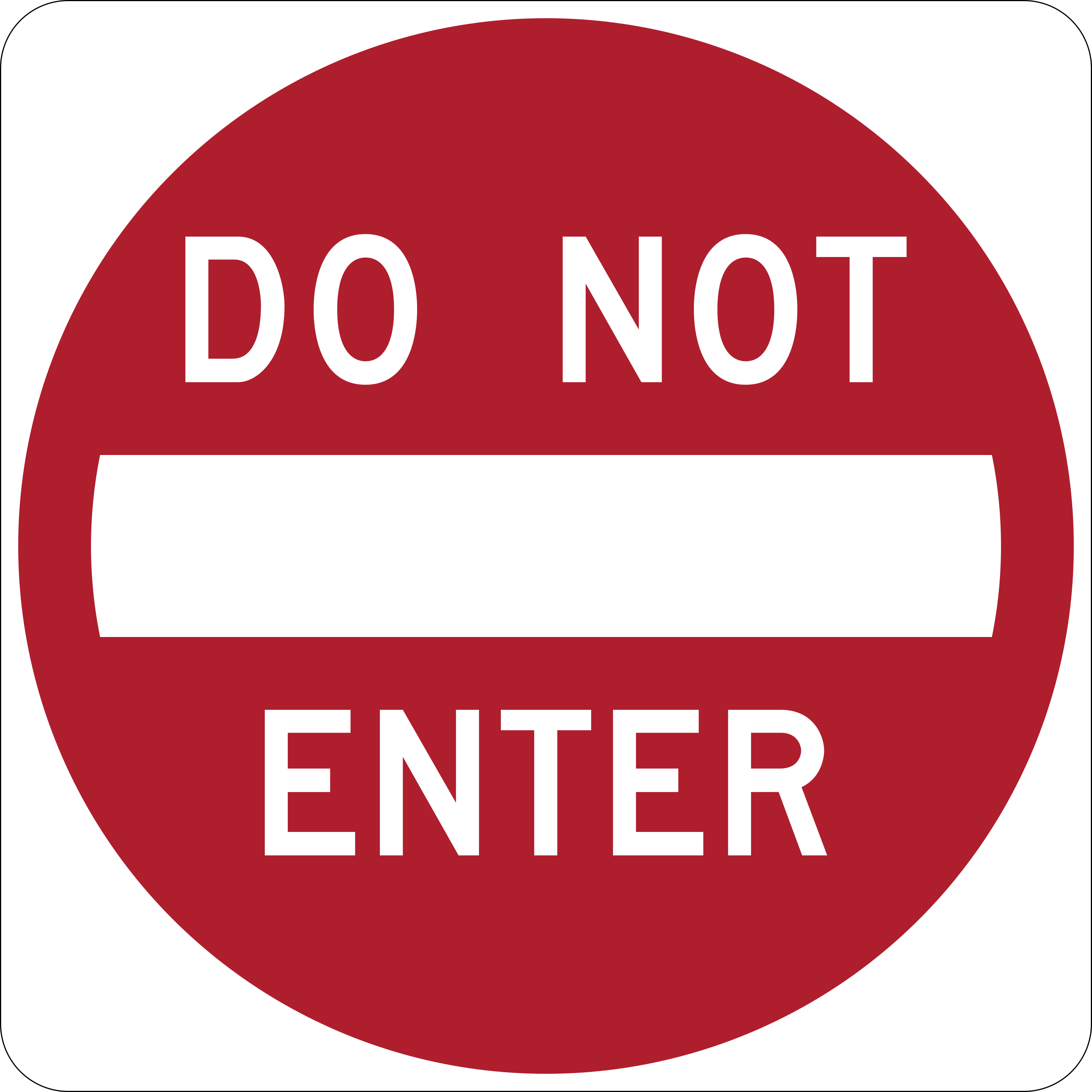
Do not enter 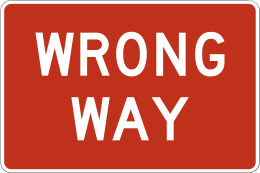
Wrong way 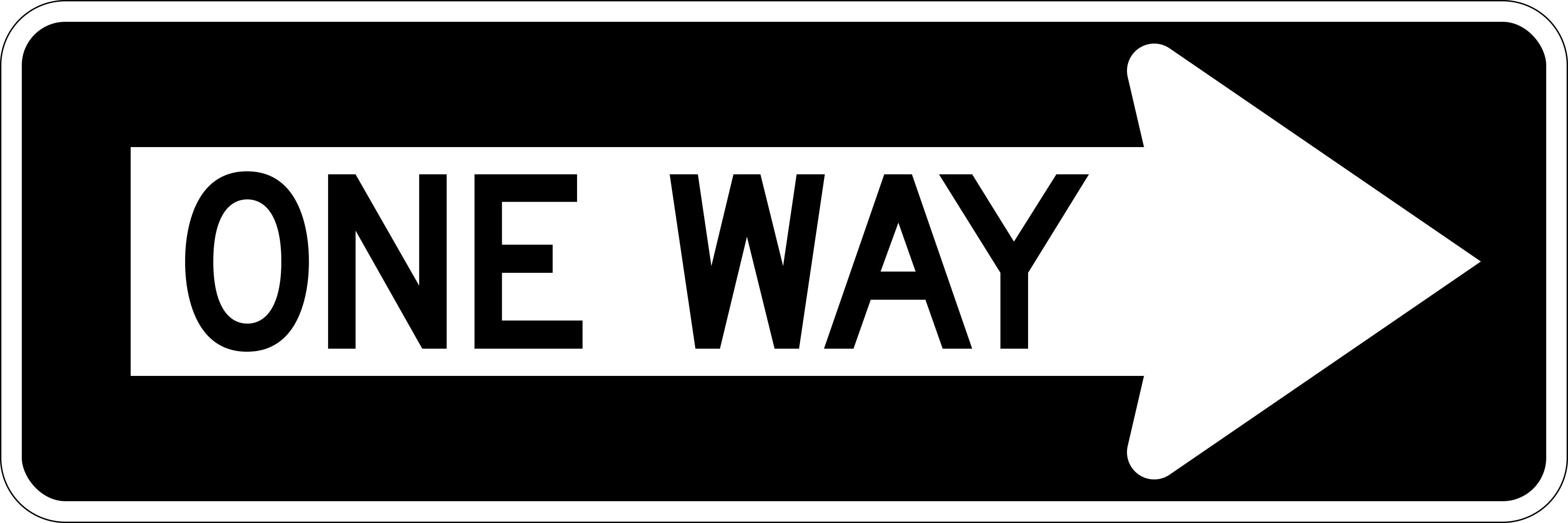
One way 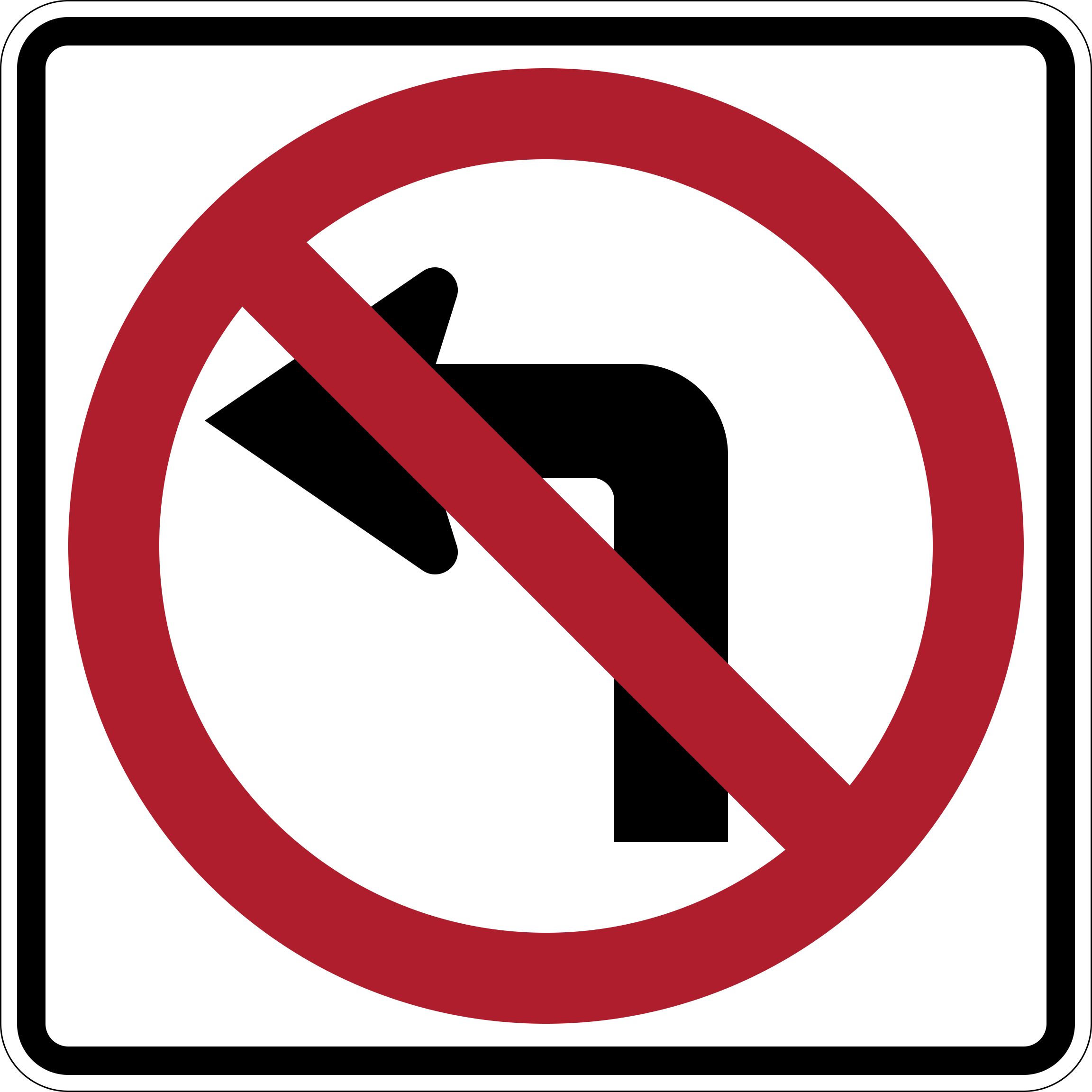
No left turn 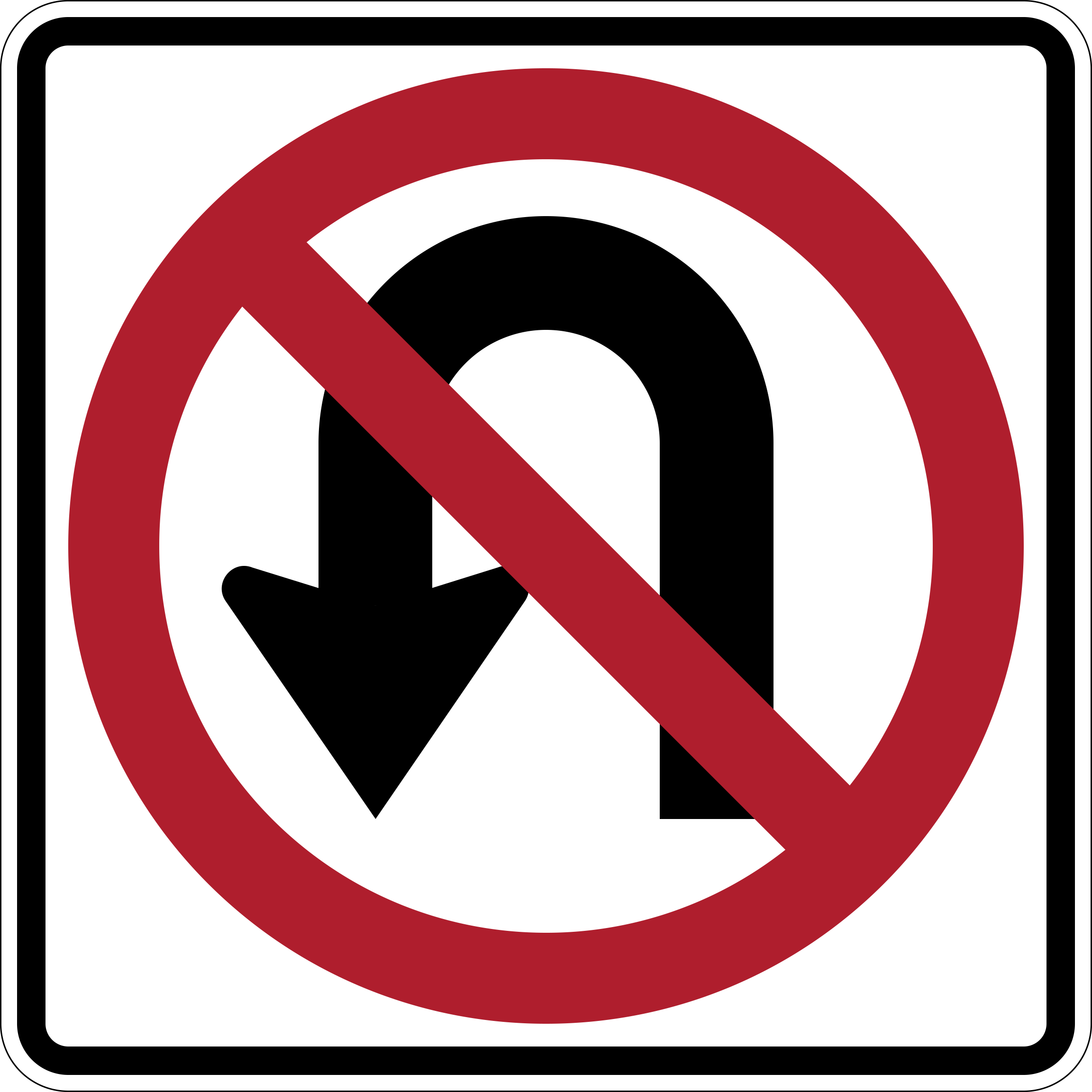
No U turn 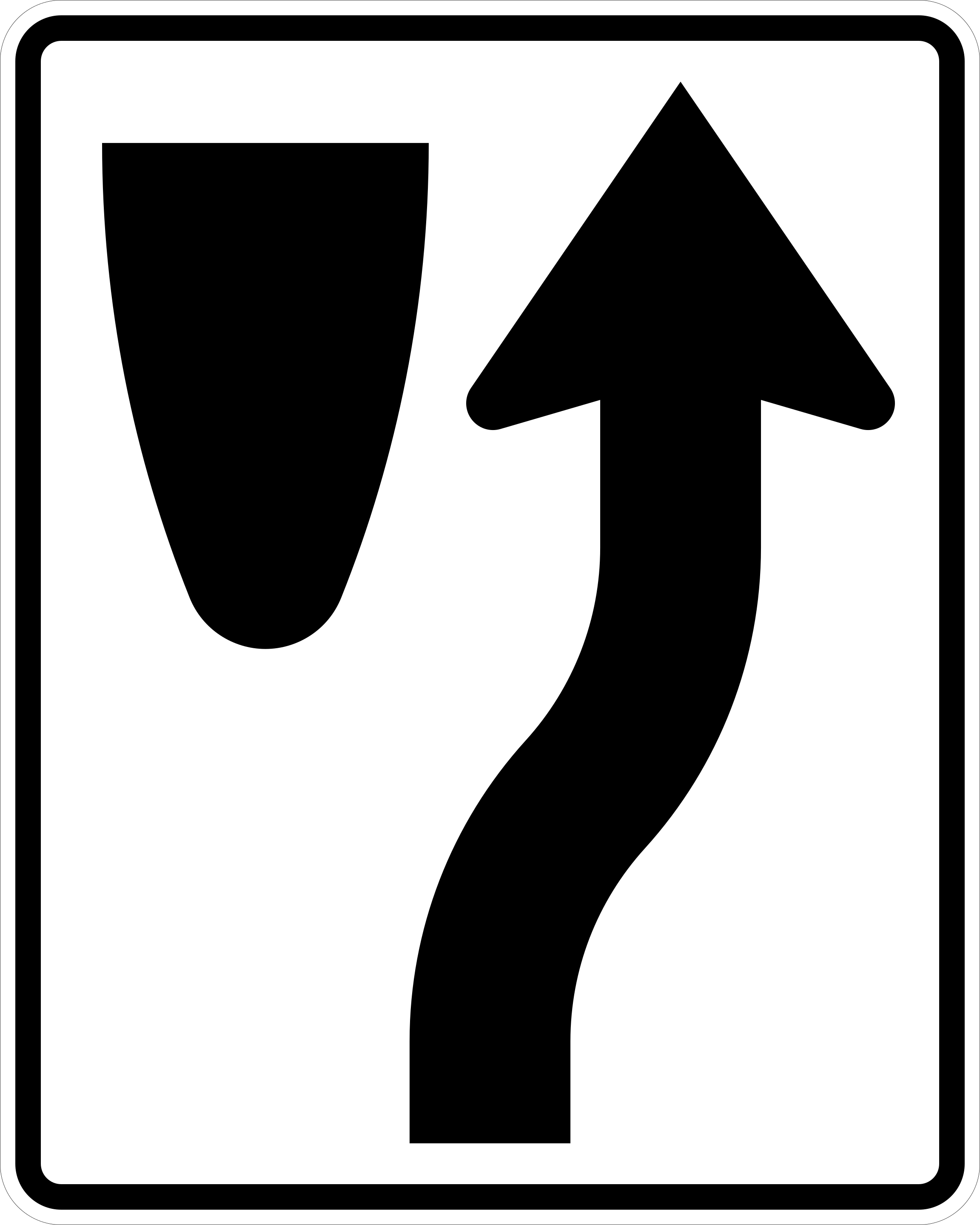
Keep right 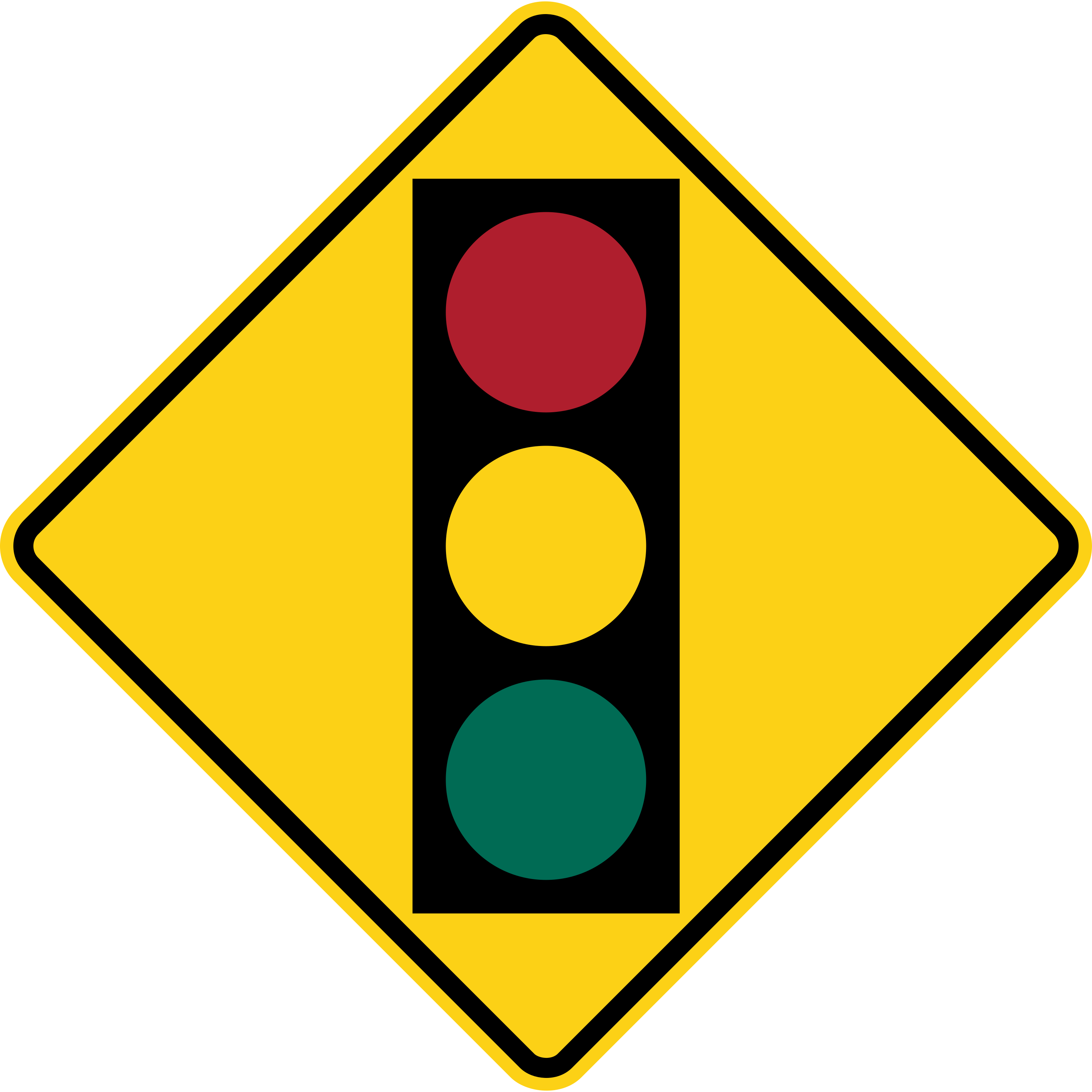
Signal ahead 
Stop ahead 
Lane ends 
Slippery when wet 
Hill 
Deer crossing 
Roundabout
3 questions from the Nebraska practice test
1. What does the octagonal sign shown require before you enter an intersection?
- A yield only if another vehicle is visible
- A complete stop before entering the intersection
- A reduction to the advisory speed
- A stop after entering the crosswalk
Show answer
A complete stop before entering the intersection. Nebraska's octagonal STOP sign requires a complete stop before entering the intersection. If a painted stop line exists, stop at that line; the manual also places the stop before a crosswalk, whether painted or unpainted. Waiting to see another vehicle turns an unconditional stop into a conditional one, and stopping after the crosswalk puts the vehicle too far forward. An advisory-speed reduction is associated with warning situations, not this regulatory sign. At the sign, brake early, stop at the required point, check traffic and pedestrians, then proceed when permitted.
2. What should a driver do when approaching the KEEP RIGHT sign shown?
- Stop beside the obstruction and wait for a flagger
- Use the left lane to pass the obstruction on either side
- Keep to the right because an island, median, or obstruction is ahead
- Drive on the shoulder regardless of its condition
Show answer
Keep to the right because an island, median, or obstruction is ahead. KEEP RIGHT warns that a traffic island, median, or obstruction is ahead and directs the driver to keep to its right. The sign does not authorize choosing either side, stopping beside the hazard, or using the shoulder without regard to safety. Read the arrow and position early so the vehicle passes the obstruction on the indicated side. Then continue following lane markings and any additional controls. This sign is especially useful before a split or channelized roadway, where a late maneuver can force a sudden merge or place the vehicle beside opposing traffic.
3. What does a right lane ends warning require the driver to anticipate?
- A left turn into a center lane
- A second lane opening on the right
- A mandatory stop at the shoulder
- A required merge into the remaining lane
Show answer
A required merge into the remaining lane. A lane ends sign means the marked lane will disappear and a merging maneuver will be required. The driver should look early for a safe gap, signal, and move when appropriate rather than wait beside a solid obstruction. It does not promise another lane, call for a shoulder stop, or direct a turn into a shared center lane. Watch the pavement markings and nearby vehicles together. Seeing the sign early provides time to merge without forcing another driver to brake.
Practice this topic
Lock it in with road signs questions from the free Nebraska practice test. Every answer comes with a plain English explanation.
Source: the Nebraska Driver's Manual, Section 3: Signs, Signals and Markings. This lesson is a plain English summary, not the law itself; where it differs, the manual and the statute govern. Last checked 2026-09-27.