
Key points
A sign's shape and color give clues to the type of information it provides; red means stop, yield or do what the sign shows.
Source: Handbook p. 6
“The shape and color of traffic signs give clues to the type of information they provide. STANDARD COLORS RED Stop, yield, or do what is shown on the sign.”
Iowa Driver's Manual, Handbook p. 6Orange signs mark road work, temporary traffic control and maintenance.
Source: Handbook p. 6
“Road work, temporary traffic control, and maintenance warnings.”
Iowa Driver's Manual, Handbook p. 6Blue shows services such as rest areas, hospitals, lodging and fuel.
Source: Handbook p. 6
“BLUE Services for travelers. Directs you to places such as rest areas, tourist sites, hospitals, lodging, fuel stations, restaurants, and tourist attractions.”
Iowa Driver's Manual, Handbook p. 6Fluorescent pink marks incident management such as crash clean up.
Source: Handbook p. 6
“FLUORESCENT PINK Warning and guide signs for incident management such as crash clean up, debris removal, traffic, etc.”
Iowa Driver's Manual, Handbook p. 6The octagon is reserved for the stop sign only.
Source: Handbook p. 7
“Shape is reserved for a stop sign only. Come to a full stop at an intersection controlled by this sign.”
Iowa Driver's Manual, Handbook p. 7A pentagon marks school areas and school crossings.
Source: Handbook p. 7
“School crossing. Signs mark school areas and school crossings.”
Iowa Driver's Manual, Handbook p. 7A pennant on the left side of the road warns of a no passing zone.
Source: Handbook p. 7
“This sign will be on the left side of the road. It warns you of a no passing zone.”
Iowa Driver's Manual, Handbook p. 7A number sign under a crossbuck shows how many sets of tracks you must cross.
Source: Handbook p. 7
“A number sign under the crossbucks shows how many sets of train tracks you must cross.”
Iowa Driver's Manual, Handbook p. 7
Recognize these signs
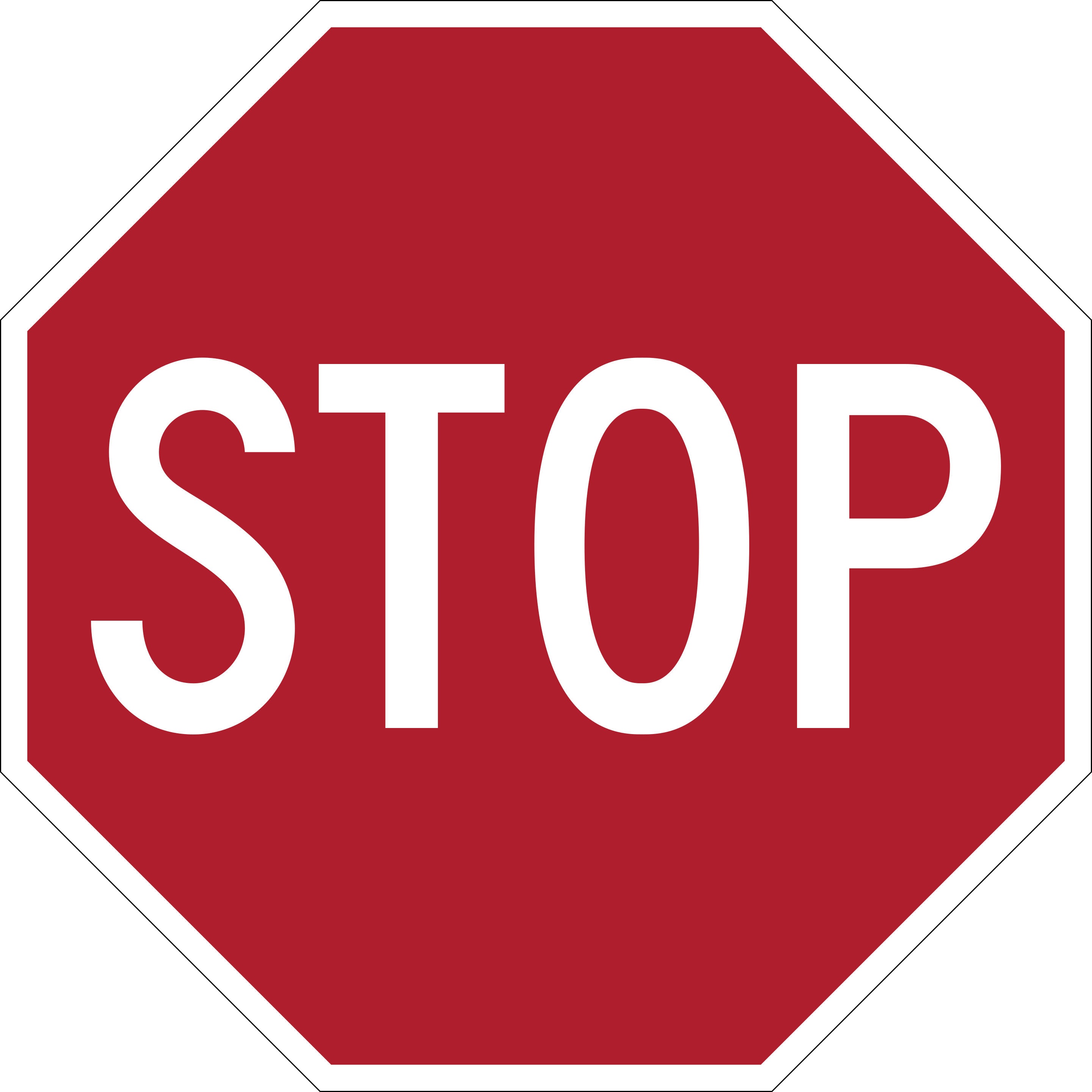
Stop 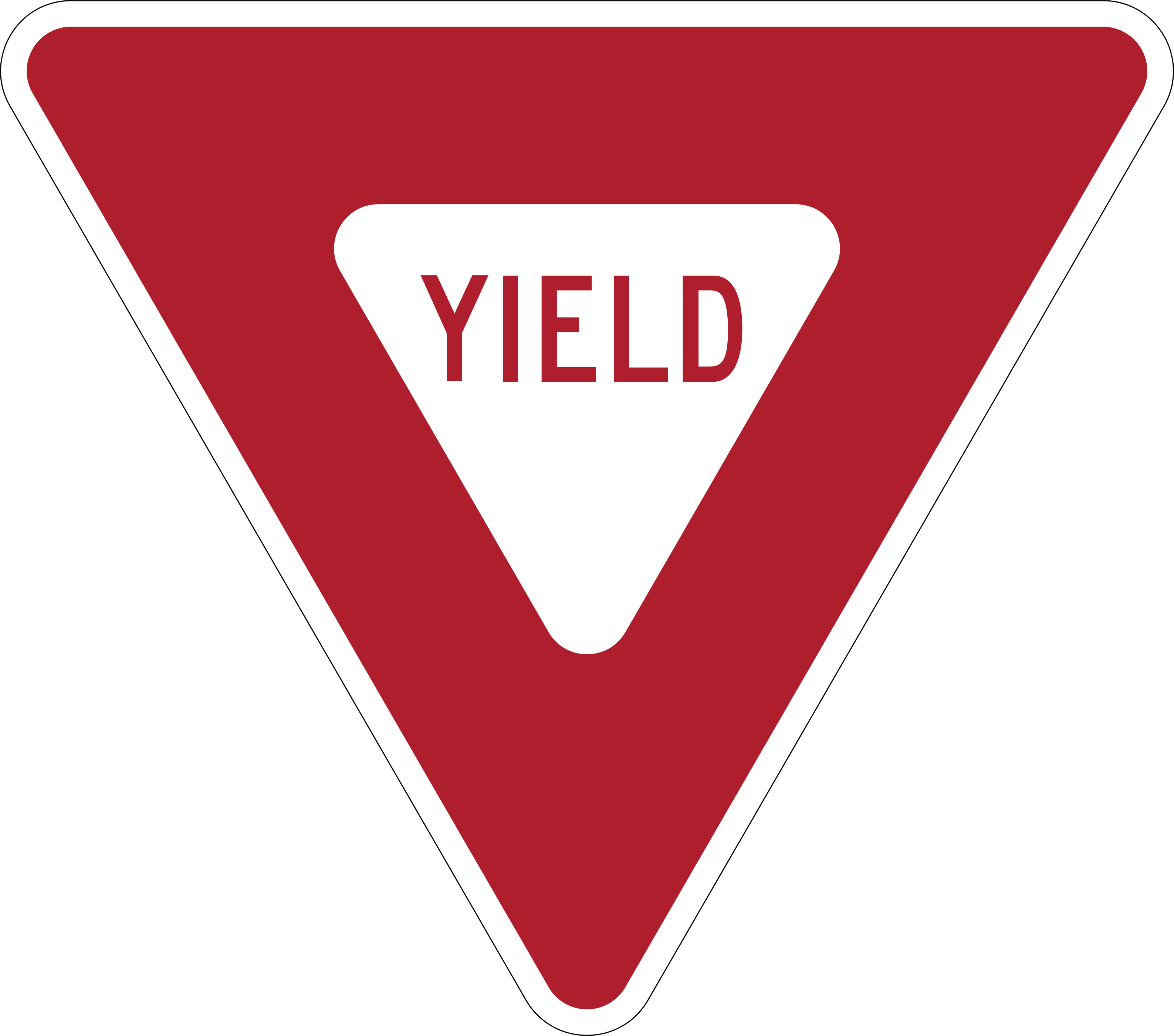
Yield 
School 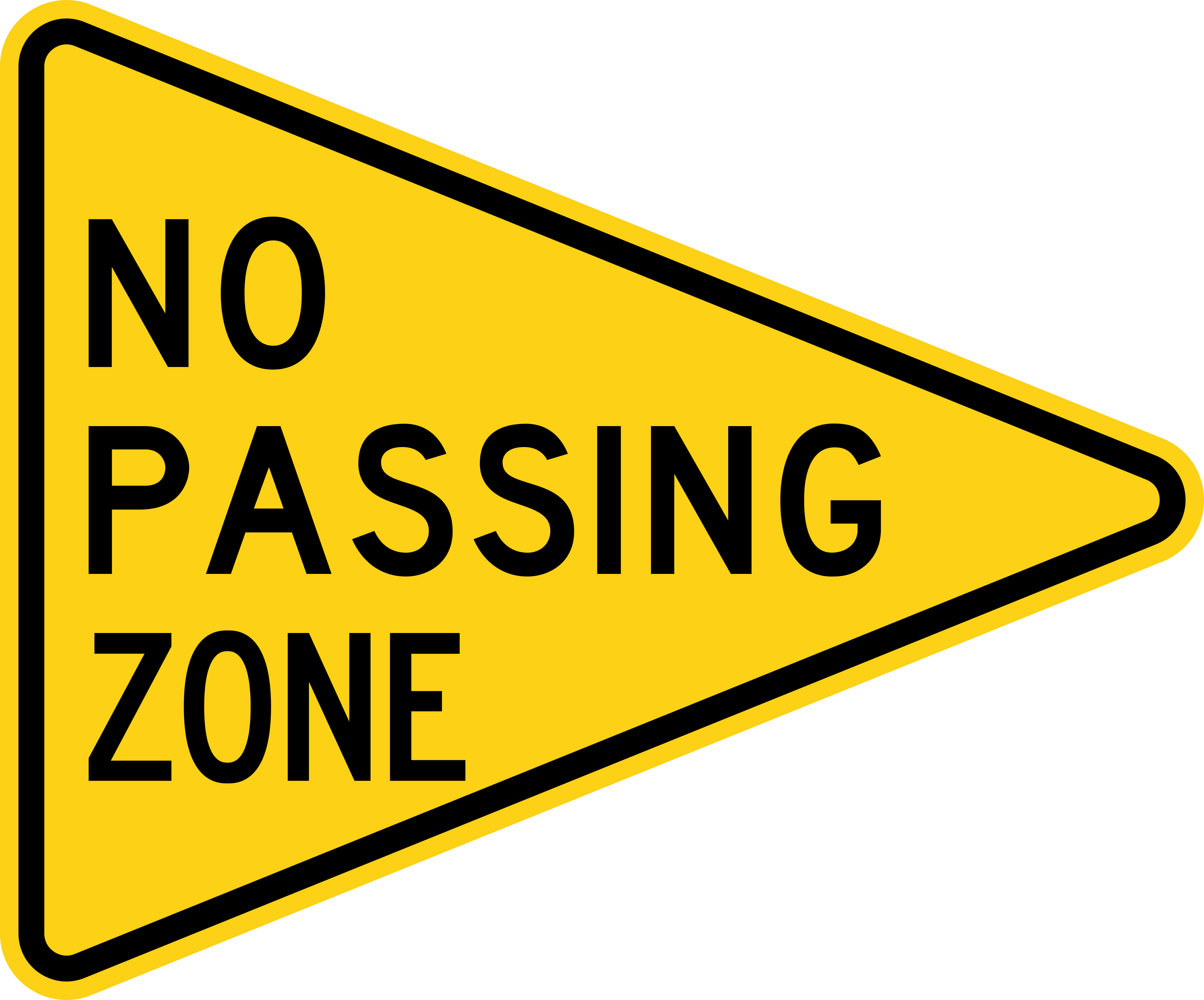
No passing zone 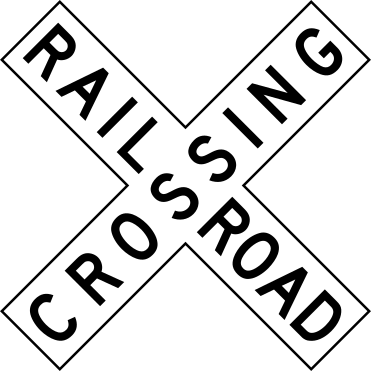
Railroad crossbuck
3 questions from the Iowa practice test
1. What does Iowa reserve the octagon shape for?
- A stop sign
- A yield sign
- A railroad crossing warning
- A school crossing sign
Show answer
A stop sign. The octagon is reserved for the stop sign; the manual says to come to a full stop at an intersection controlled by this sign. A yield sign uses an equilateral triangle, a railroad crossing advance sign is circular, and a school crossing sign uses a pentagon. The manual says the shape and color of traffic signs give clues to the type of information they provide. Once the octagonal sign is identified, the driver must make a full stop and wait until the relevant traffic and crosswalk are clear before proceeding.
2. What roadway situation is identified by a pentagon-shaped sign?
- A railroad crossing ahead
- A school area or school crossing
- A no-passing zone
- A general service area
Show answer
A school area or school crossing. The five-sided pentagon marks a school area or school crossing. That distinctive outline gives the driver an early visual cue to watch for children and people using the marked crossing. A circular sign warns of a railroad crossing, a pennant marks a no-passing zone, and service information uses a different sign system. The shape does not itself set a speed, so the driver should also read the posted message and respond to nearby children, buses, and crossing activity. Slow early enough to stop without a sudden maneuver.
3. What do the shape and color of a traffic sign help a driver identify?
- The vehicle's required fuel grade
- The type of information the sign provides
- The distance since the last license renewal
- The weather forecast for the next hour
Show answer
The type of information the sign provides. Sign shape and color are recognition tools that help a driver understand whether the message concerns a law, hazard, destination, service, or another roadway condition. The choice “The type of information the sign provides” describes that purpose. The remaining choices invent information that traffic signs are not designed to provide. Once the general category is recognized, read the symbol or wording and respond to the actual instruction. For example, a warning color should prompt a scan for the hazard ahead, while a regulatory color signals an enforceable rule. Good sign reading combines the visual clue with the road situation.
Practice this topic
Lock it in with road signs questions from the free Iowa practice test. Every answer comes with a plain English explanation.
Source: the Iowa Driver's Manual, Chapter 2: Traffic Signs. This lesson is a plain English summary, not the law itself; where it differs, the manual and the statute govern. Last checked 2026-09-27.