
Key points
A red circle with a red slash over a symbol means you cannot do that, such as no left turn.
Source: Handbook p. 8
“Some regulatory signs have a red circle with a red slash over a symbol. These indicate you cannot do something; for example, no left turn, no right turn, or no U-turn.”
Iowa Driver's Manual, Handbook p. 8At a stop sign, stop fully and wait until crossing vehicles and the crosswalk are clear.
Source: Handbook p. 8
“A stop sign means you must come to a full stop and wait until crossing vehicles and the cross-walk are clear before proceeding.”
Iowa Driver's Manual, Handbook p. 8Stop at the stop line if there is one, then pull forward to the sign or intersection edge if needed.
Source: Handbook p. 8
“Stop at the stop line if one is present. If necessary, you may then pull forward to the stop sign or the edge of the intersection and then proceed when it is safe to do so.”
Iowa Driver's Manual, Handbook p. 8A yield sign means slow down and yield to traffic in the intersection or roadway you are entering.
Source: Handbook p. 8
“A yield sign means you must slow down and yield the right of way to traffic in the intersection you are crossing or roadway you are entering.”
Iowa Driver's Manual, Handbook p. 8Maximum speed limits are for ideal conditions; slow down when roads are slippery or visibility is poor.
Source: Handbook p. 8
“Maximum speed limits are for ideal driving conditions. Sometimes you must reduce your speed when conditions require it, such as when the roadway is slippery (during rain or snow) or it is difficult to see clearly down the road (during fog).”
Iowa Driver's Manual, Handbook p. 8If a road's minimum speed is too fast for you, use another route.
Source: Handbook p. 8
“If this minimum speed is too fast for you, then you should use another route.”
Iowa Driver's Manual, Handbook p. 8If you see a Wrong Way sign, get off the traveled road and turn around as quickly and safely as possible.
Source: Handbook p. 8
“Remove your vehicle from the traveled portion of the road and get stopped and turned around as quickly and safely as possible.”
Iowa Driver's Manual, Handbook p. 8The blue ENS sign at railroad crossings gives a phone number and crossing ID to report problems.
Source: Handbook p. 8
“It includes a phone number to contact the railroad and a unique crossing identification number.”
Iowa Driver's Manual, Handbook p. 8
Recognize these signs
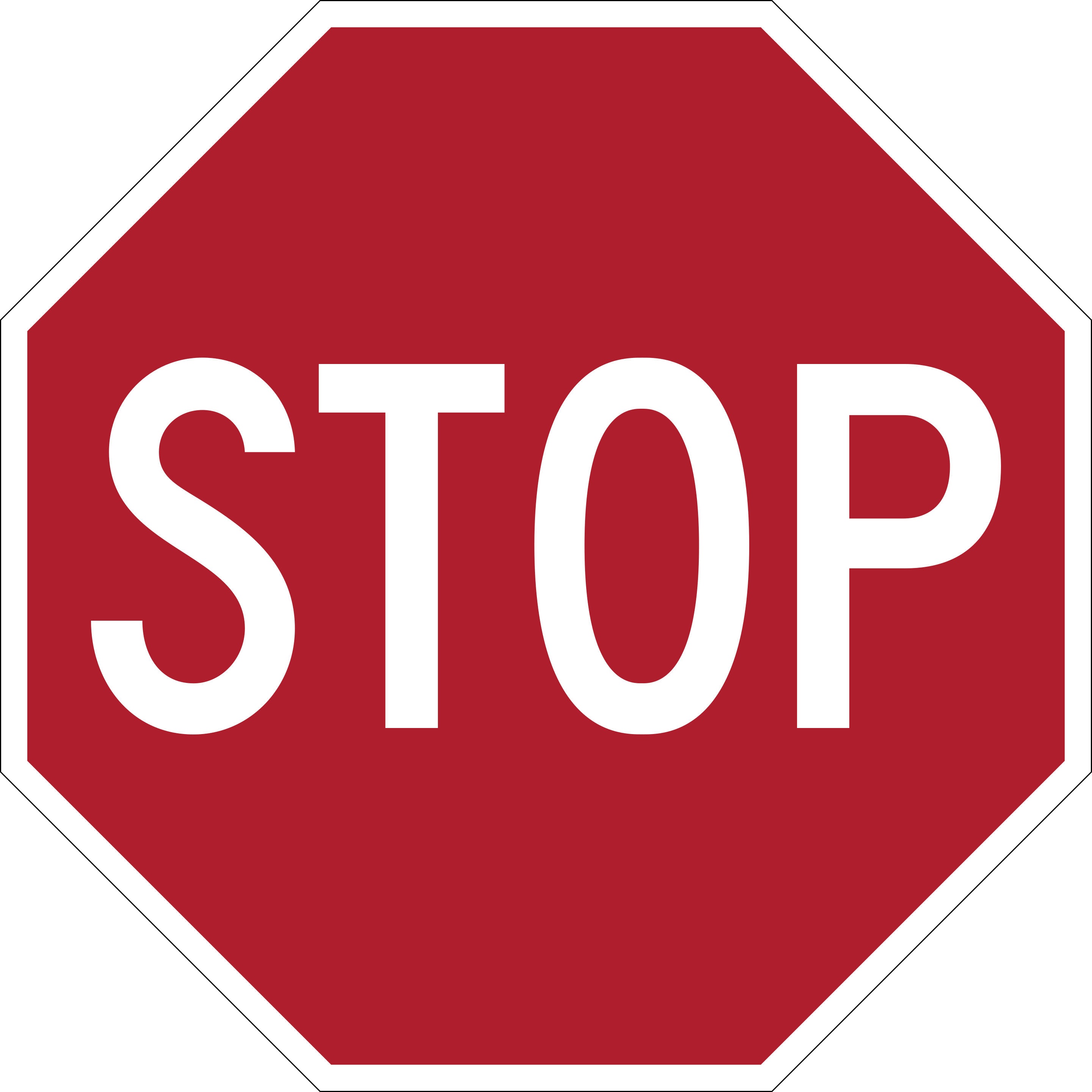
Stop 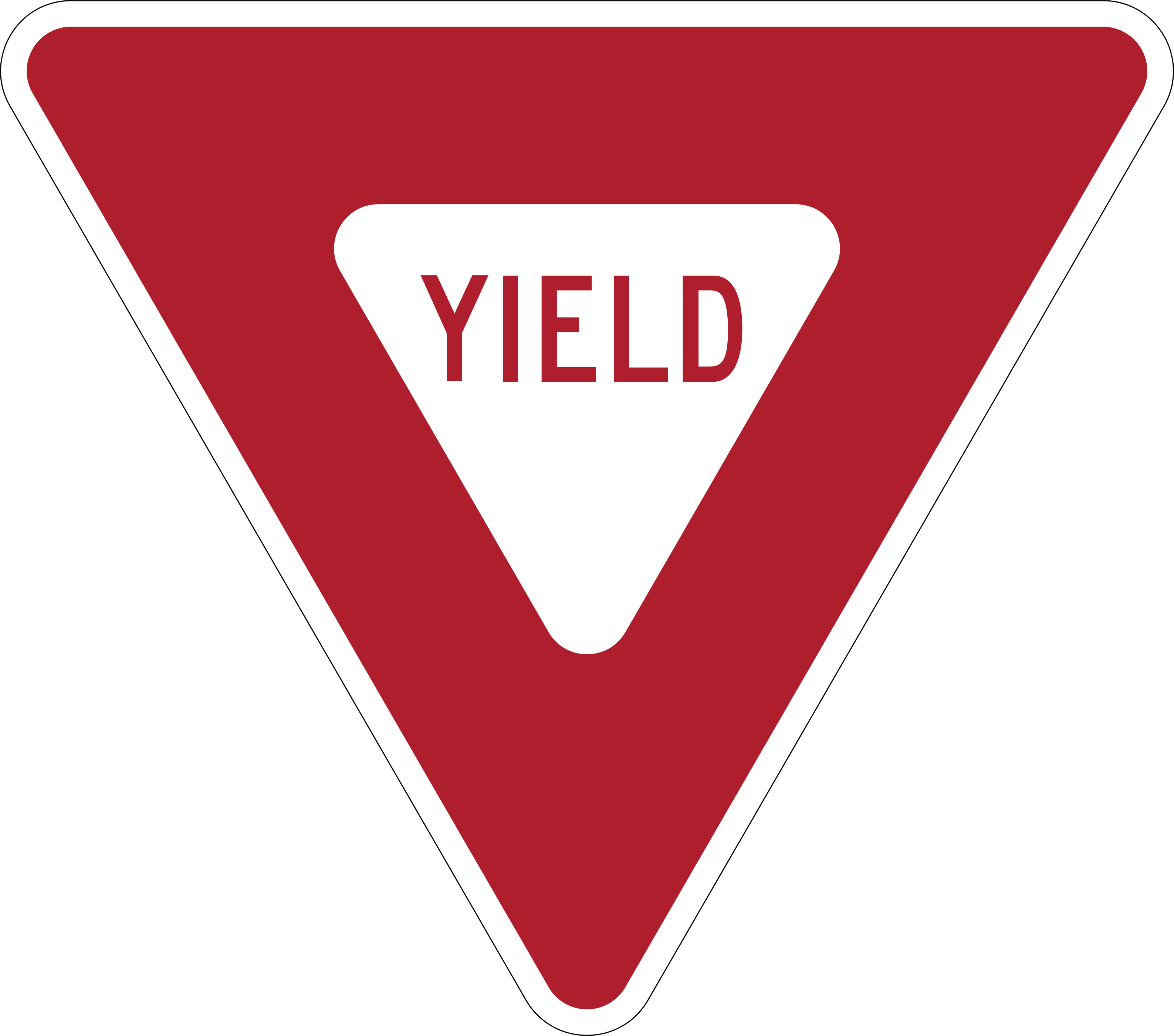
Yield 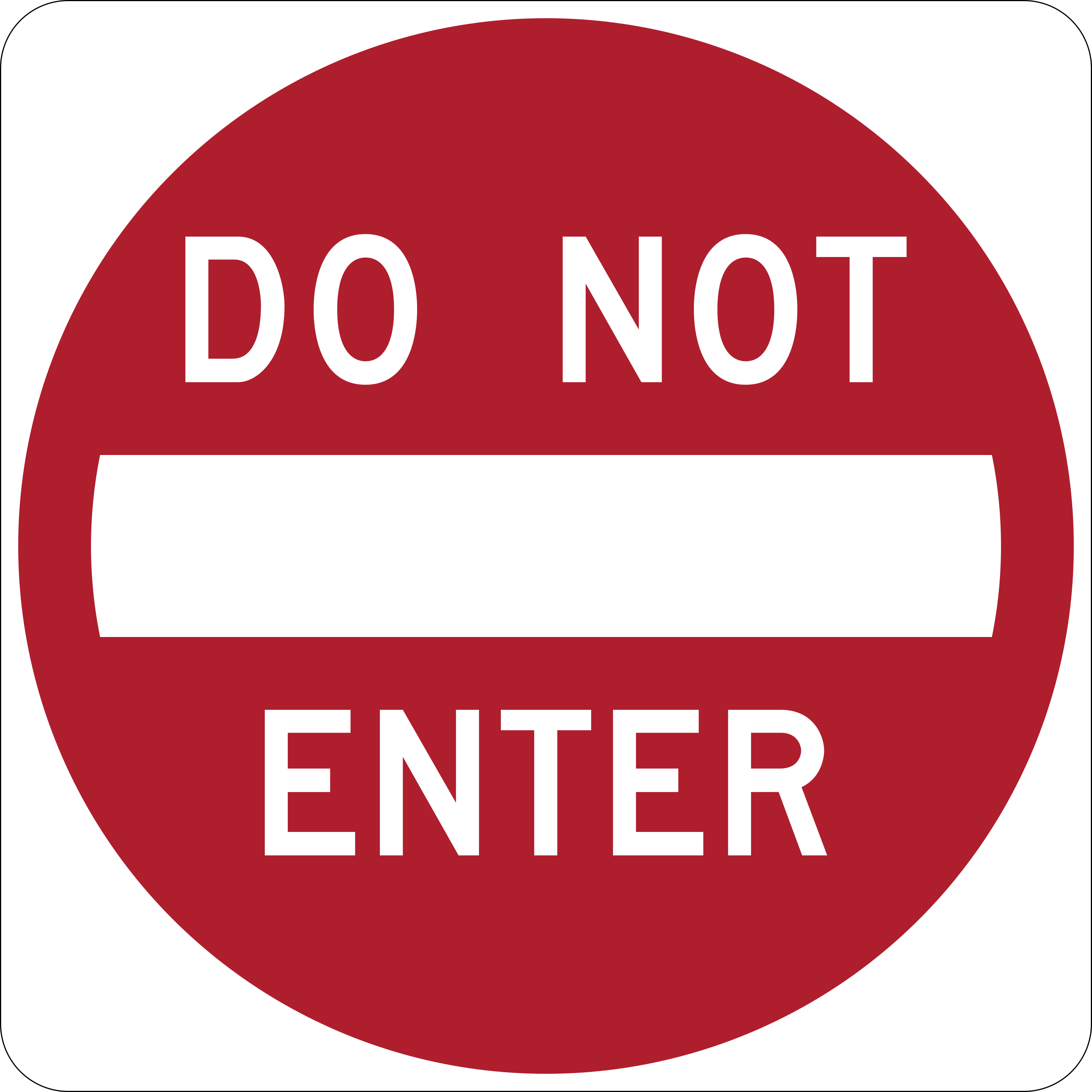
Do not enter 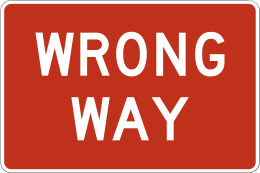
Wrong way 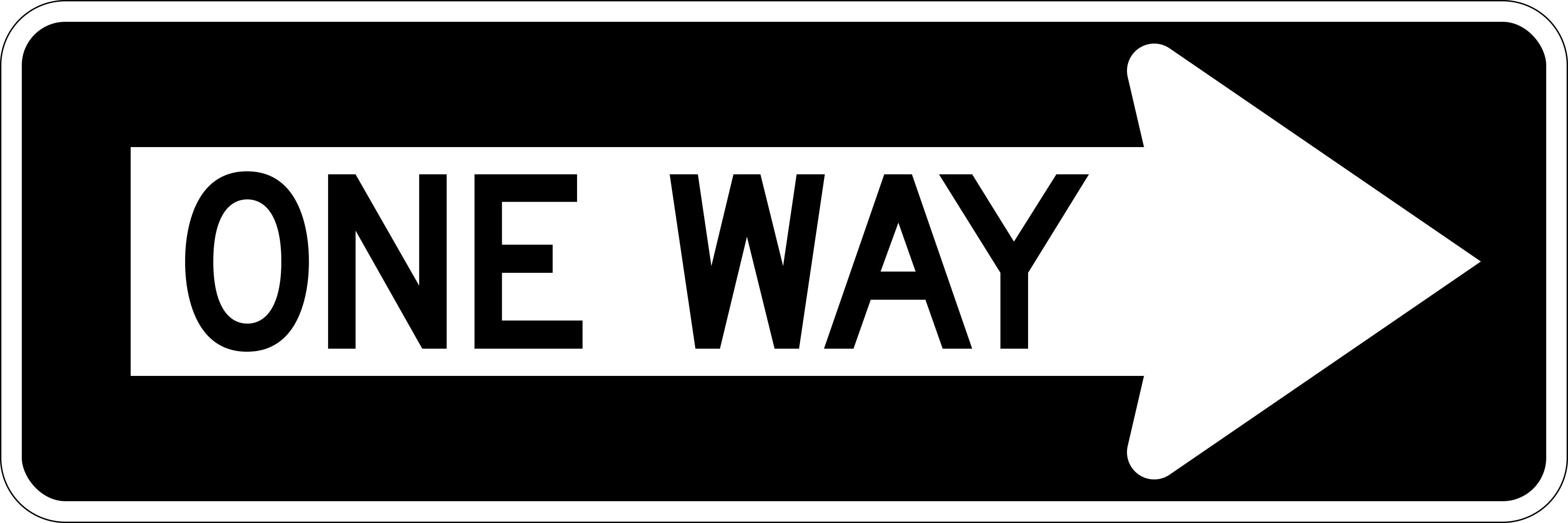
One way 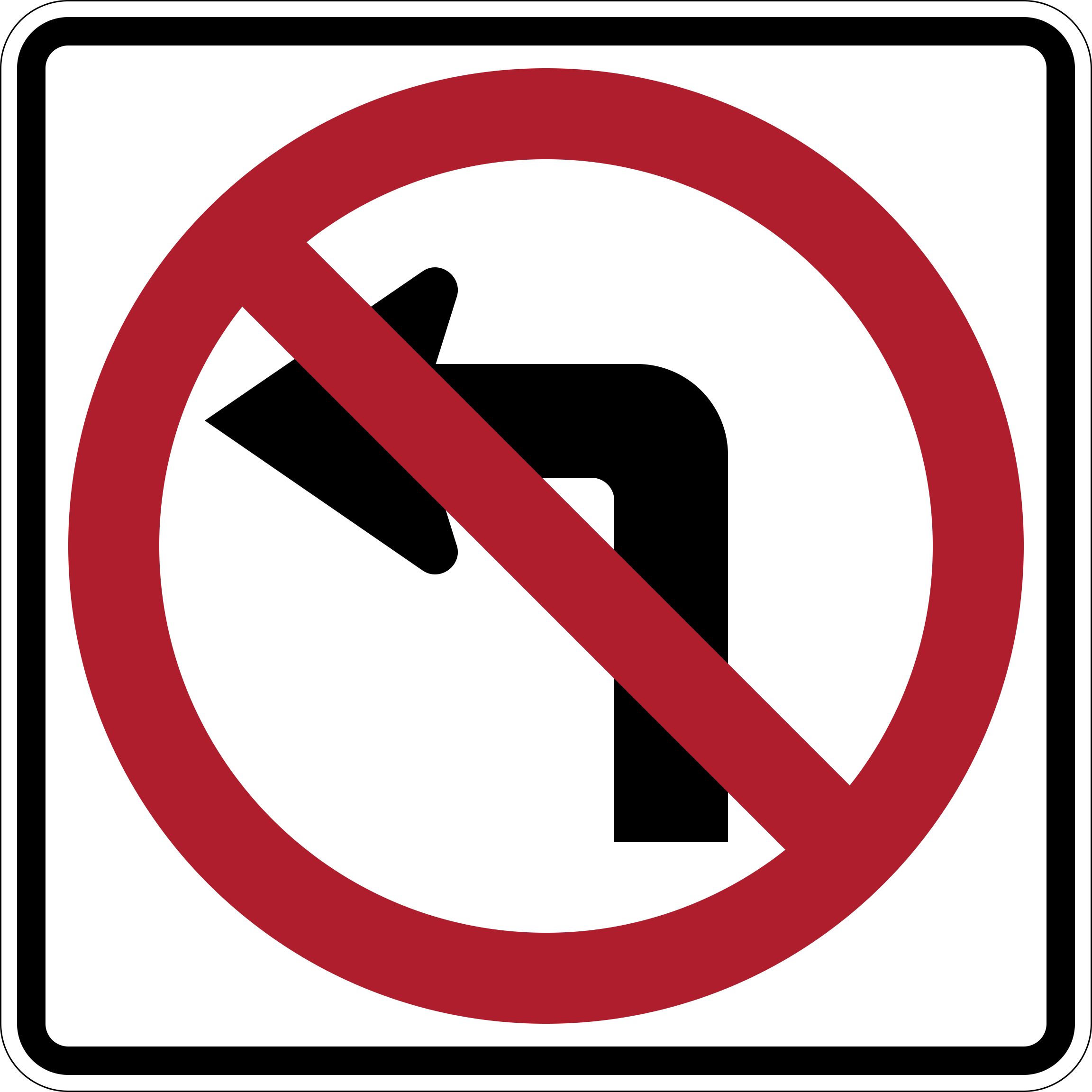
No left turn 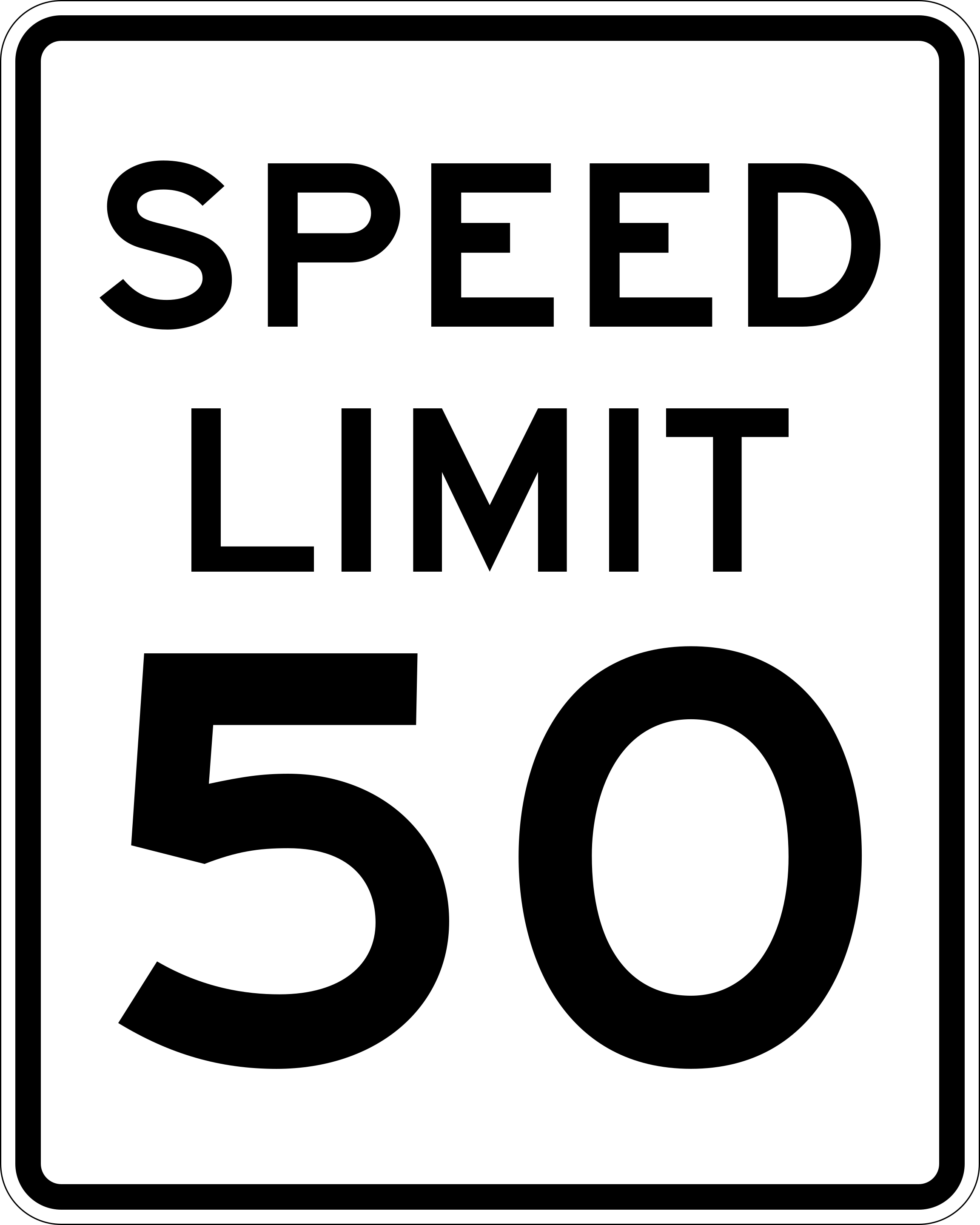
Speed limit
3 questions from the Iowa practice test
1. What action does an Iowa stop sign require before proceeding?
- Stop only when a police officer is present
- Slow down and continue if the driver sees no traffic
- Come to a full stop, wait for crossing traffic and the crosswalk to clear, then proceed safely
- Yield without stopping whenever the crosswalk is empty
Show answer
Come to a full stop, wait for crossing traffic and the crosswalk to clear, then proceed safely. A stop sign requires a full stop and waiting until crossing vehicles and the crosswalk are clear before proceeding. If a stop line is present, stop there first. Merely slowing down is not enough, and the duty does not depend on a police officer being nearby. An empty crosswalk does not turn the sign into a yield sign because crossing traffic must also be considered. Use the stop line as the first visual cue, then check the entire crossing area before moving.
2. What does an Iowa yield sign tell a driver to do?
- Slow down and yield to traffic in the intersection or roadway being entered
- Stop at every yield sign even when no traffic is present
- Accelerate so cross traffic must wait
- Enter the roadway without checking for other users
Show answer
Slow down and yield to traffic in the intersection or roadway being entered. A yield sign directs the driver to slow down and yield the right of way to traffic in the intersection being crossed or the roadway being entered. It is not an automatic full-stop command in every circumstance, so the choice “Stop at every yield sign even when no traffic is present” adds a condition the manual does not state. Accelerating would reverse the sign's purpose, and entering without checking defeats the obligation to yield. Approach with reduced speed, scan for traffic, and stop if the situation requires it to give others priority.
3. What does a red circle with a red slash over a symbol on a regulatory sign mean?
- The roadway is reserved for the symbol shown
- The action shown is recommended during bad weather
- The action shown by the symbol is prohibited
- The symbol identifies the next available service
Show answer
The action shown by the symbol is prohibited. A red circle with a red slash is used on regulatory signs to show that a driver cannot do the action represented by the symbol. Examples include no left turn, no right turn, and no U-turn. The marking is not a recommendation, reservation, or service symbol. Study the picture beneath the slash because that picture identifies the prohibited movement. Before turning, scan for the sign so a permitted maneuver at one intersection is not carried into a restricted one.
Practice this topic
Lock it in with road signs questions from the free Iowa practice test. Every answer comes with a plain English explanation.
Source: the Iowa Driver's Manual, Chapter 2: Regulatory Signs. This lesson is a plain English summary, not the law itself; where it differs, the manual and the statute govern. Last checked 2026-09-27.