
Key points
When other people do not follow right of way rules, you should yield; always put safety first.
Source: Handbook p. 28
“Always put safety first. When other people don’t follow the rules of right-of-way, you should yield”
Oklahoma Driver Manual, Handbook p. 28Entering or crossing a highway with no signs or signals, stop and yield to approaching traffic.
Source: Handbook p. 29
“When entering or crossing highways without traffic signs or signals: Stop and yield to approaching traffic and go only when it’s safe to do so.”
Oklahoma Driver Manual, Handbook p. 29At a stop sign, stop before the crosswalk and yield to pedestrians and vehicles.
Source: Handbook p. 29
“When you have a stop sign: Stop before the crosswalk. Yield to pedestrians and to vehicles in or approaching the intersection.”
Oklahoma Driver Manual, Handbook p. 29When turning left, yield to all oncoming traffic and go only when you have enough clear distance.
Source: Handbook p. 29
“When making a left turn: Yield to all oncoming traffic. Slow down and stop if you have to. Go only when there is enough clear distance for you to turn without interfering with oncoming traffic.”
Oklahoma Driver Manual, Handbook p. 29Coming out of a driveway, alley or private road, stop before the sidewalk or crosswalk.
Source: Handbook p. 29
“When entering or crossing a public road from a private road, alley, driveway or building: stop before the sidewalk or crosswalk, then go when it’s safe to do so.”
Oklahoma Driver Manual, Handbook p. 29At four way stops and uncontrolled intersections, the first vehicle in goes first.
Source: Handbook p. 29
“At four-way-stop intersections and at intersections without stop signs or signals, the car or truck that entered the intersection first has the right-of-way.”
Oklahoma Driver Manual, Handbook p. 29If two vehicles arrive together, the driver on the left yields to the driver on the right.
Source: Handbook p. 29
“When two vehicles approach at the same time, the driver on the left yields to the driver on the right”
Oklahoma Driver Manual, Handbook p. 29If stopped traffic blocks an intersection, stop before the crosswalk and wait.
Source: Handbook p. 30
“If traffic is stopped and is blocking an intersection, stop before reaching the crosswalk and wait for the traffic to move.”
Oklahoma Driver Manual, Handbook p. 30
Recognize these signs
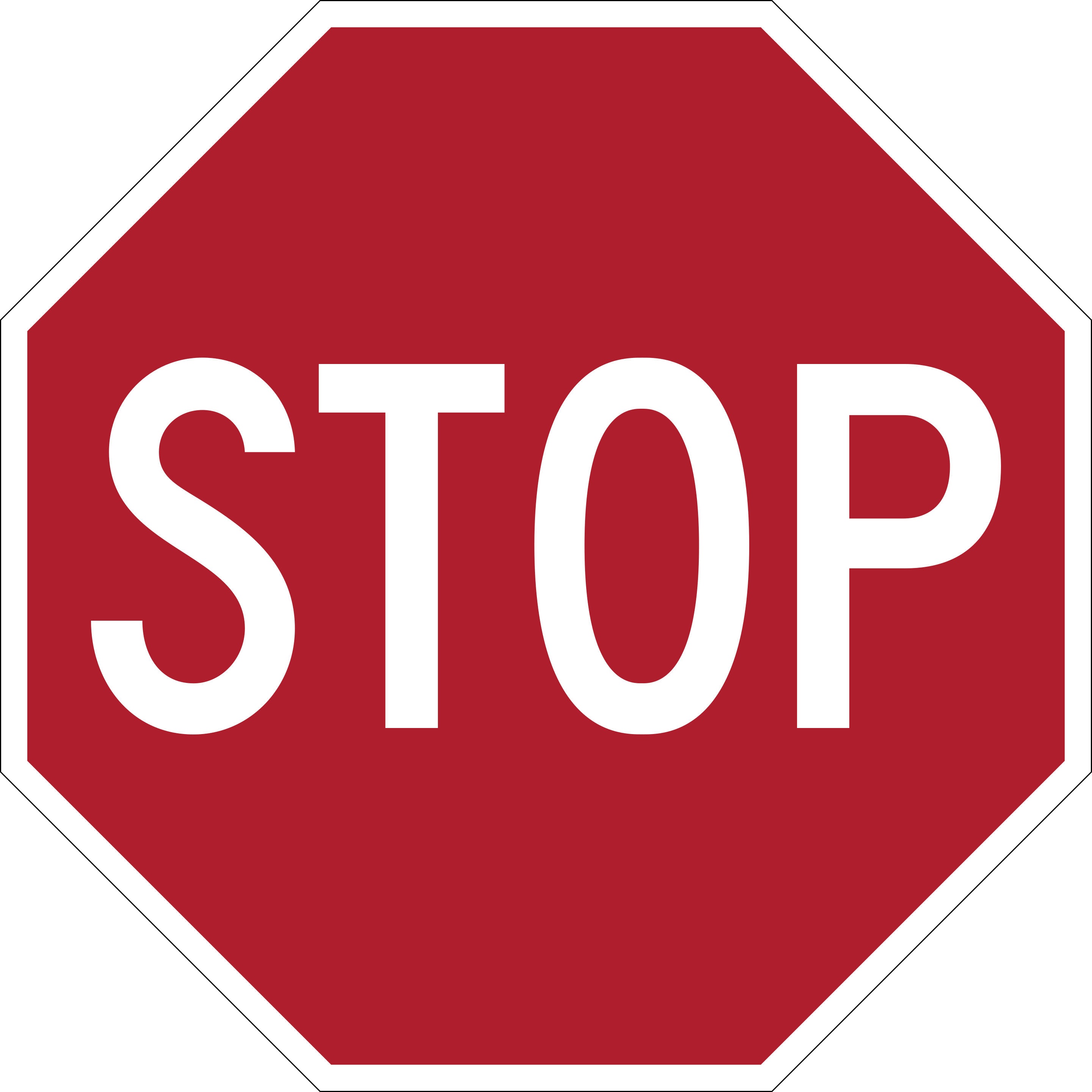
Stop 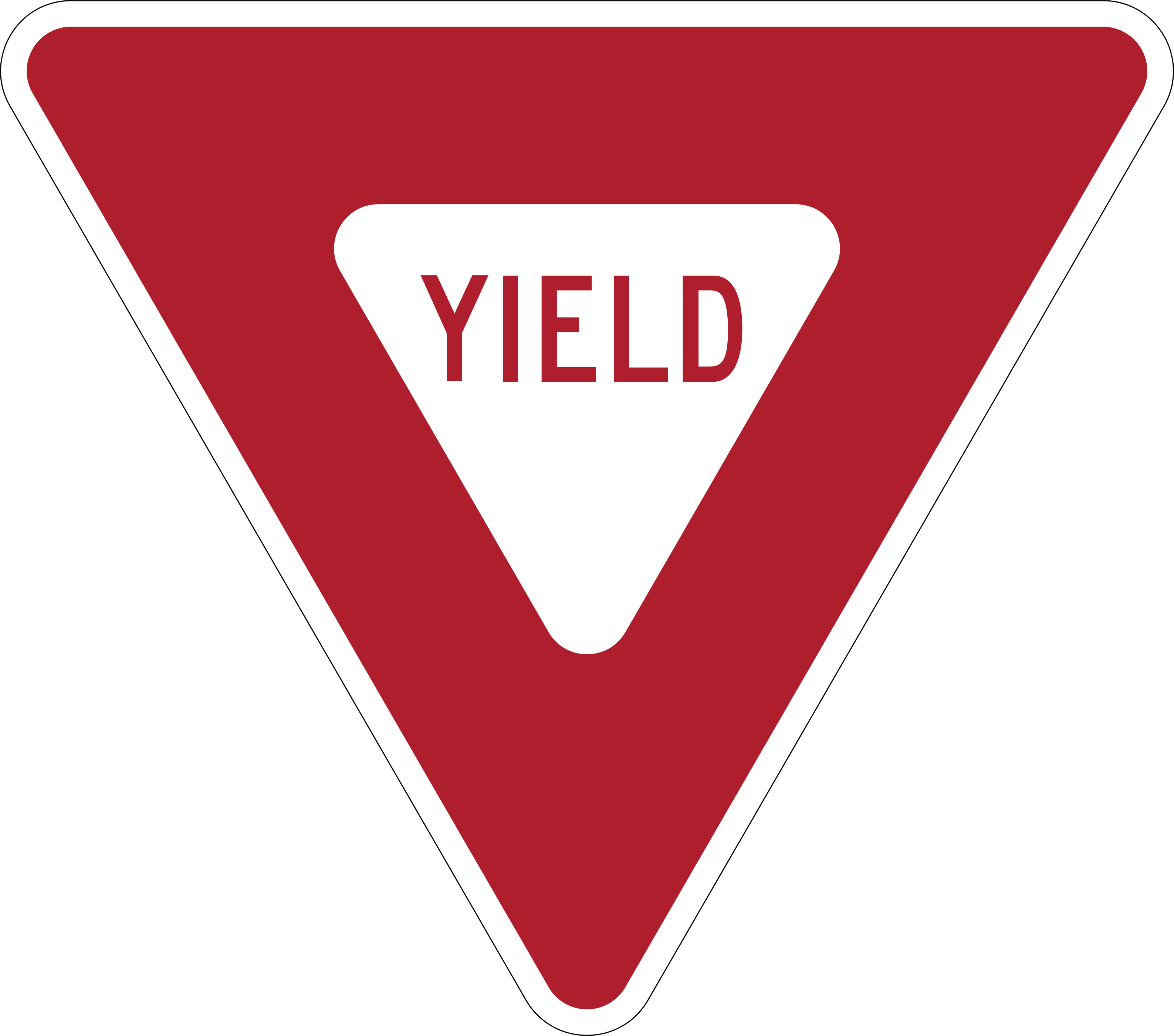
Yield
3 questions from the Oklahoma practice test
1. At an intersection without traffic signs or signals, what must a driver do before entering?
- Enter first because the larger road has priority
- Wait only for pedestrians
- Accelerate to make other traffic yield
- Stop and yield to approaching traffic
Show answer
Stop and yield to approaching traffic. When entering or crossing a highway without signs or signals, the manual directs the driver to stop and yield to approaching traffic, proceeding only when it is safe. Road size does not create an automatic privilege, and accelerating to force a gap is unsafe. Watching only for pedestrians misses the vehicles the rule specifically addresses. Use the sequence stop, yield, then go when the path is clear as the practical intersection cue.
2. When two vehicles approach an uncontrolled intersection at the same time, which driver yields?
- The driver in the larger vehicle
- The driver on the right
- The driver on the left
- The driver traveling faster
Show answer
The driver on the left. At an intersection without stop signs or signals, the vehicle that entered first has priority. If two vehicles approach at the same time, the driver on the left yields to the driver on the right. Vehicle size and speed do not decide the issue. Look early enough to determine arrival order, and if that order is simultaneous, allow the vehicle on your right to proceed before entering.
3. When making a left turn, what traffic must you yield to?
- No traffic because the turn signal gives priority
- Only vehicles that are already stopped
- Traffic behind you, but not vehicles approaching ahead
- All oncoming traffic, turning only when there is enough clear distance
Show answer
All oncoming traffic, turning only when there is enough clear distance. A left-turning vehicle crosses the path of approaching traffic, so the driver must wait for all oncoming traffic and proceed only when the gap is sufficient. The signal communicates intent, but it does not grant priority over vehicles coming toward the intersection. The stopped-only option overlooks moving traffic that may be close enough to be dangerous. Slow down before the turn, keep watching ahead, and do not begin crossing until the entire maneuver can be completed without interfering with approaching vehicles.
Practice this topic
Lock it in with right of way questions from the free Oklahoma practice test. Every answer comes with a plain English explanation.
Source: the Oklahoma Driver Manual, Chapter 5: Right of Way. This lesson is a plain English summary, not the law itself; where it differs, the manual and the statute govern. Last checked 2026-09-27.