
Key points
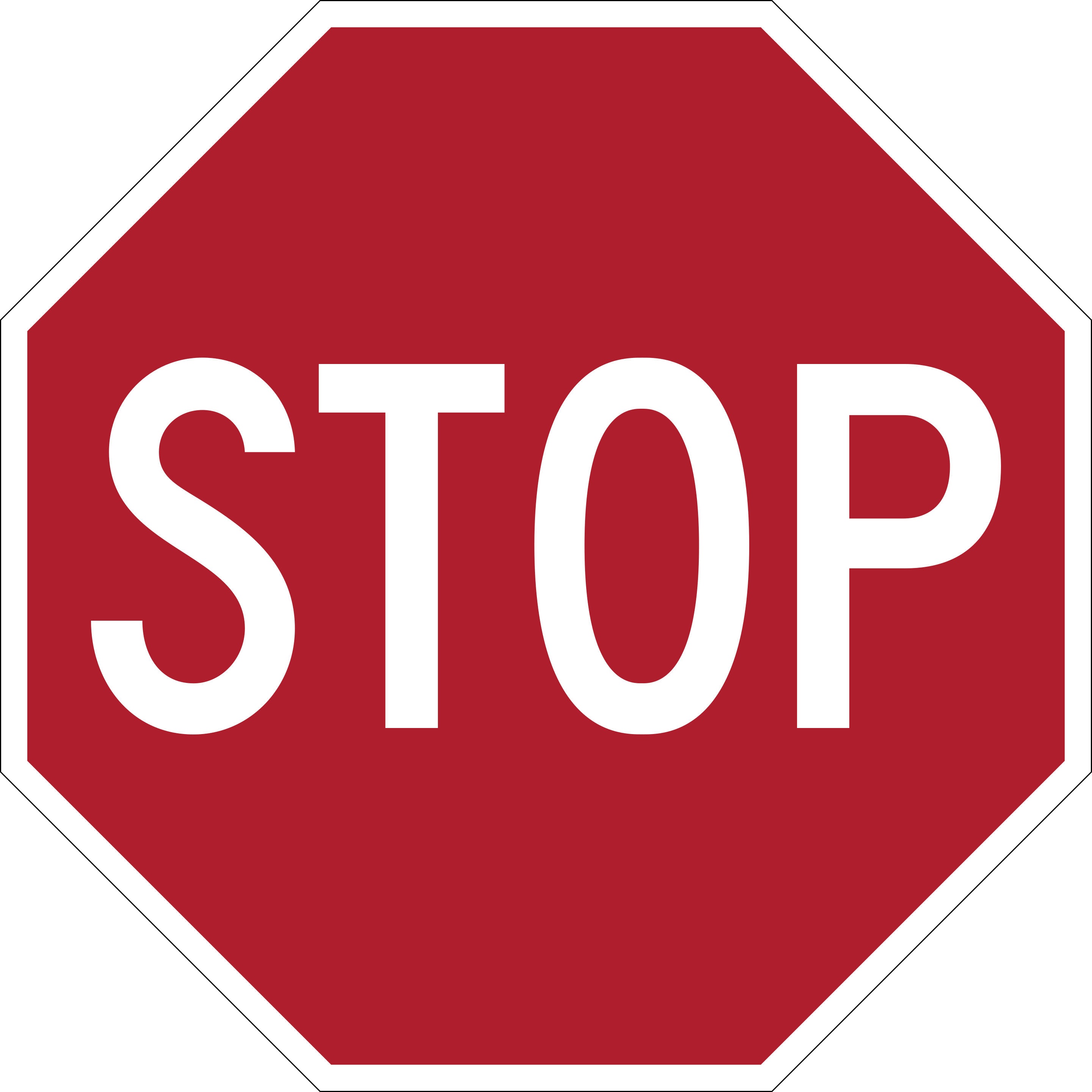
A red octagon means stop completely before the crosswalk, even an unmarked one, and stay stopped until the way is clear.
Source: Handbook p. 19
“Come to a complete stop at the intersection. You must stop before the pedestrian crosswalk, even if it isn’t marked. Stay stopped until the way is clear in all directions.”
Oklahoma Driver Manual, Handbook p. 19Even a damaged or dirty stop sign is known by its octagon shape and red color.
Source: Handbook p. 19
“Even if a stop sign is damaged or blocked by dirt or snow, you know by the octagonal shape and red color that you must stop.”
Oklahoma Driver Manual, Handbook p. 19An all way plate added below a stop sign means all traffic approaching the intersection must stop.
Source: Handbook p. 19
“Added below a stop sign, means all traffic approaching this intersection must stop.”
Oklahoma Driver Manual, Handbook p. 19At a yield sign, slow down, be ready to stop and let oncoming vehicles pass before entering.
Source: Handbook p. 19
“Slow down and be ready to stop if needed. Let oncoming vehicles pass before crossing or entering the flow of traffic.”
Oklahoma Driver Manual, Handbook p. 19A red circle with a line through it means do not or not allowed.
Source: Handbook p. 19
“RED CIRCLE WITH A LINE THROUGH IT Means “DO NOT” or “NOT ALLOWED.””
Oklahoma Driver Manual, Handbook p. 19A rectangle is always a regulatory sign; speed limit signs are regulatory.
Source: Handbook p. 19
“For example, a rectangle is always a regulatory sign, telling you about laws and regulations or giving you instructions. Speed limit signs are regulatory.”
Oklahoma Driver Manual, Handbook p. 19A speed limit sign shows the highest speed you can travel under ideal conditions.
Source: Handbook p. 20
“Speed limit sign. This is the highest speed you can travel under ideal conditions.”
Oklahoma Driver Manual, Handbook p. 20When the yellow light on a School Zone sign is flashing, slow to the limit shown.
Source: Handbook p. 20
“When you see the “School Zone” sign, you must reduce your speed to the limit shown when the yellow light is flashing.”
Oklahoma Driver Manual, Handbook p. 20
Recognize these signs
Stop 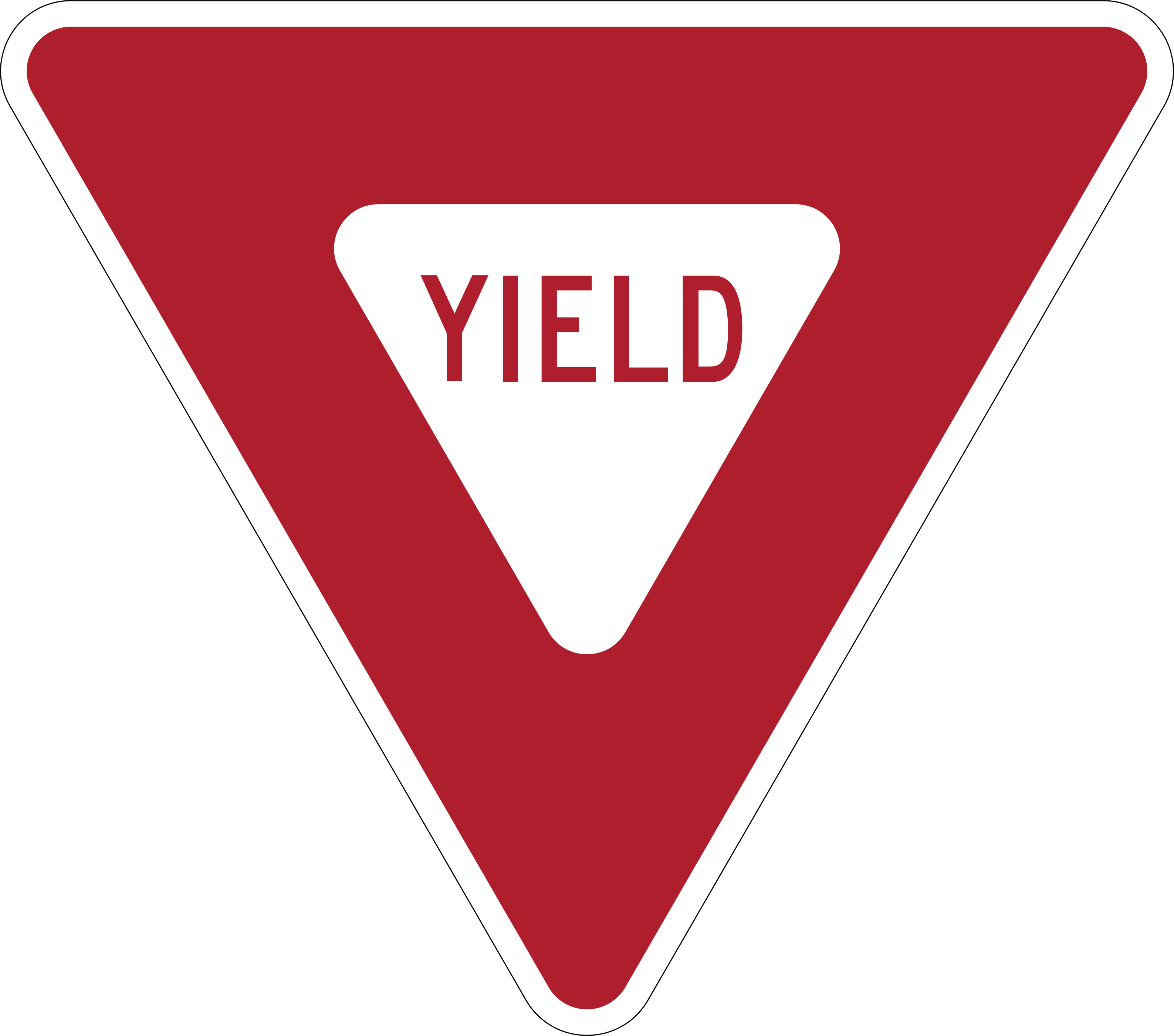
Yield 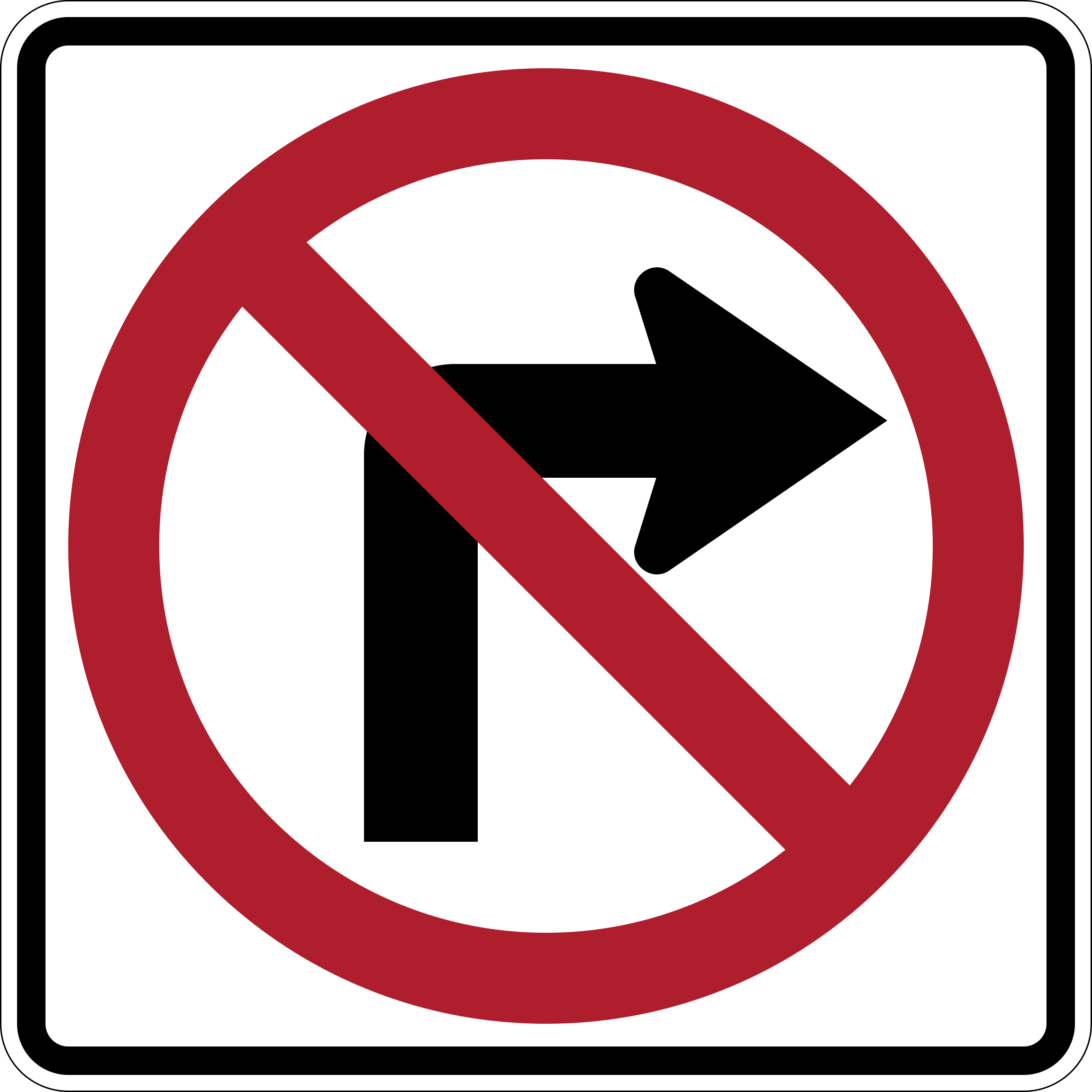
No right turn 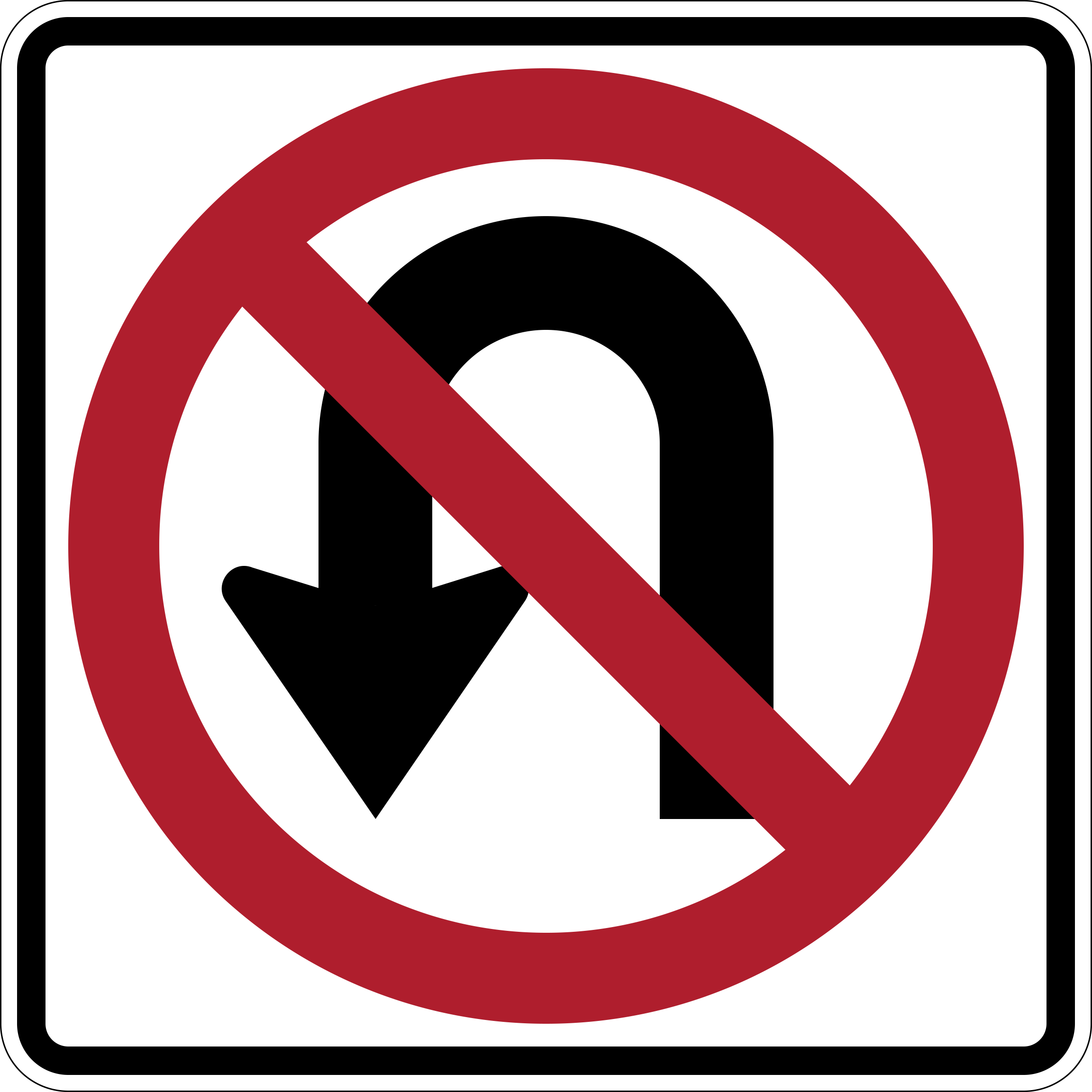
No U turn 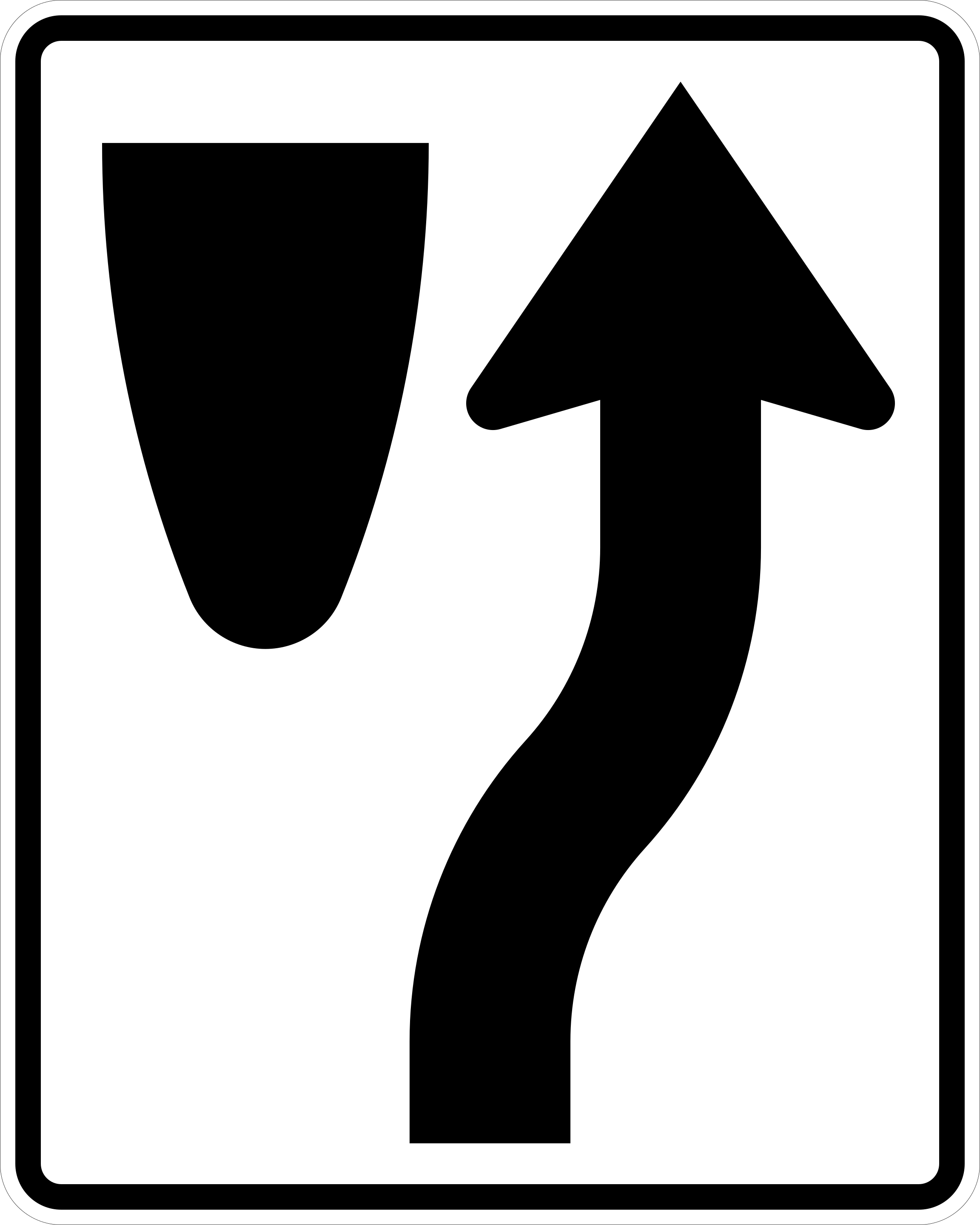
Keep right 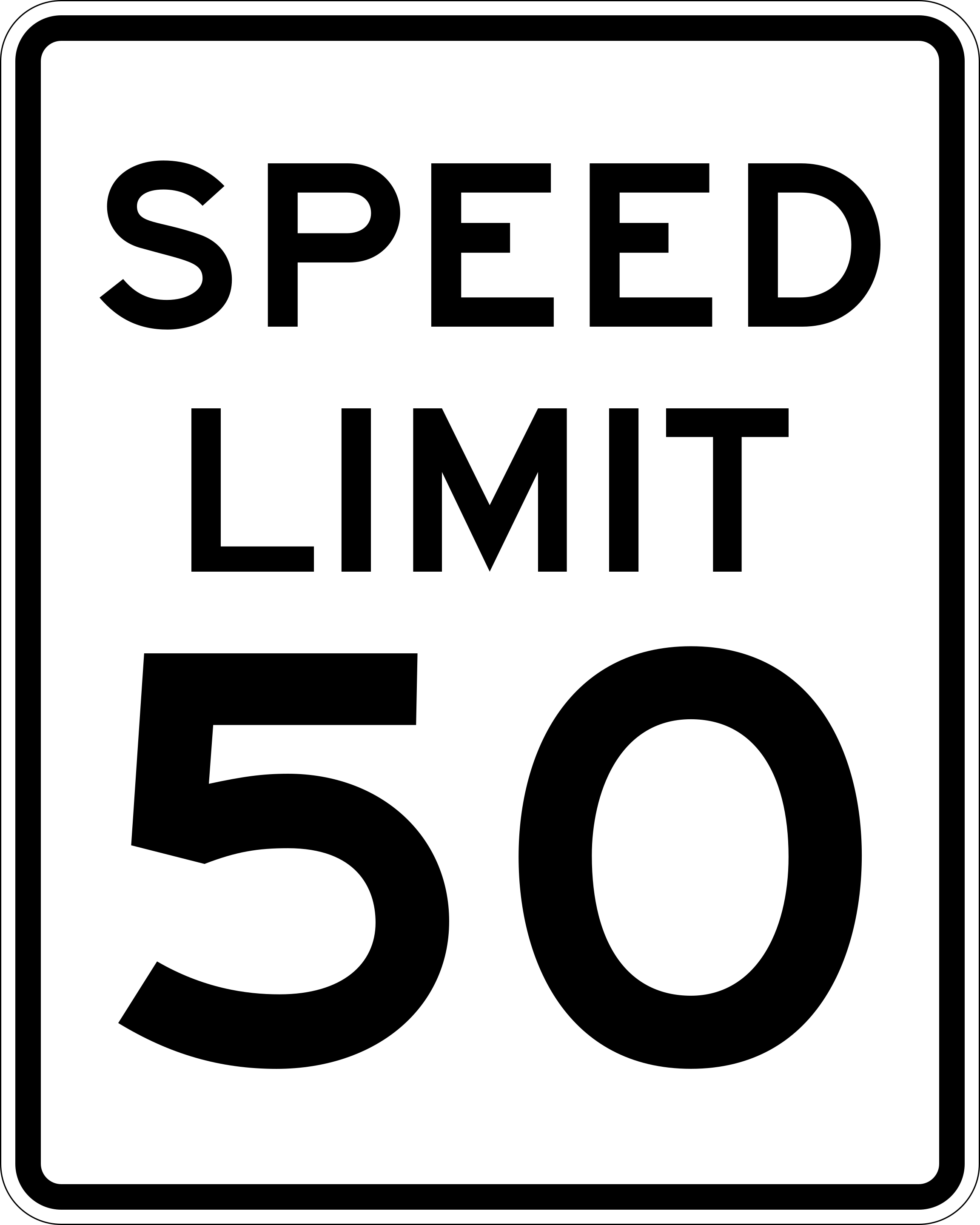
Speed limit 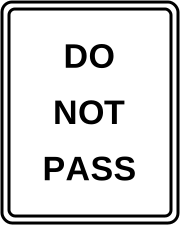
Do not pass
3 questions from the Oklahoma practice test
1. At this red octagonal sign, where must you stop and how long must you wait?
- Stop before the pedestrian crosswalk and remain stopped until every direction is clear
- Stop after entering the intersection, then continue if traffic is light
- Reduce speed at the crosswalk, then continue without stopping when no one is walking
- Stop only when a vehicle is approaching from the opposite direction
Show answer
Stop before the pedestrian crosswalk and remain stopped until every direction is clear. The octagon identifies a full stop, not a rolling pause. Oklahoma places the stopping point before the pedestrian crosswalk, whether or not that crosswalk has painted lines, and requires the vehicle to stay stopped until every direction is clear. The choice “Stop after entering the intersection, then continue if traffic is light” moves the stopping point too far forward. A driver should scan left, right, and ahead after stopping, then proceed only when people and vehicles no longer create a conflict.
2. What should a driver do on approaching this red and white triangle?
- Accelerate so the driver can enter the traffic stream before other vehicles
- Enter immediately because the triangle grants priority over approaching traffic
- Stop at the sign every time, even when the intersection is empty
- Slow down, be ready to stop, and let oncoming vehicles pass first
Show answer
Slow down, be ready to stop, and let oncoming vehicles pass first. A yield sign calls for controlled caution rather than an automatic stop. Reduce speed enough to evaluate vehicles and pedestrians, and be prepared to stop if the opening is not safe. The choice “Slow down, be ready to stop, and let oncoming vehicles pass first” also recognizes that oncoming traffic must be allowed through before you cross or join its path. A complete stop can be needed, but the sign does not require one when the way is plainly clear.
3. What kind of information does a rectangular traffic sign generally provide?
- A railroad crossing symbol only
- A warning that an animal may cross
- A route distance to a park only
- Laws, regulations, or driving instructions
Show answer
Laws, regulations, or driving instructions. Rectangular signs are regulatory signs. They tell drivers about laws and regulations or give instructions, including speed limits and lane movements. A diamond shape is used for general warnings, while green or brown guide signs identify routes and destinations. The shape is a useful first clue, but the words and symbols still control the specific movement. Read the entire rectangle and obey its instruction before continuing.
Practice this topic
Lock it in with road signs questions from the free Oklahoma practice test. Every answer comes with a plain English explanation.
Source: the Oklahoma Driver Manual, Chapter 4: Signs, Signals and Markings. This lesson is a plain English summary, not the law itself; where it differs, the manual and the statute govern. Last checked 2026-09-27.