
Key points
A sign's shape gives a clue to its meaning; learn the nine basic shapes.
Source: Handbook p. 41
“A traffic sign’s shape gives you a clue as to its meaning and purpose. Learn to recognize these nine basic shapes and what they mean.”
What Every Driver Must Know, Handbook p. 41Regulatory signs state specific laws on speed and movement and are usually rectangular in white and black, red, white and black, or red and white.
Source: Handbook p. 42
“These signs regulate the speed and movement of traffic. They are usually rectangular and have a color pattern of white and black, red, white and black, or red and white.”
What Every Driver Must Know, Handbook p. 42Red means stop, prohibited or forbidden; yellow means caution; orange means construction or maintenance.
Source: Handbook p. 42
“Red: Stop/prohibited/forbidden Blue: Service/hospitality Green: Directions/guidance Yellow: Caution/general warning Orange: Caution for construction or maintenance”
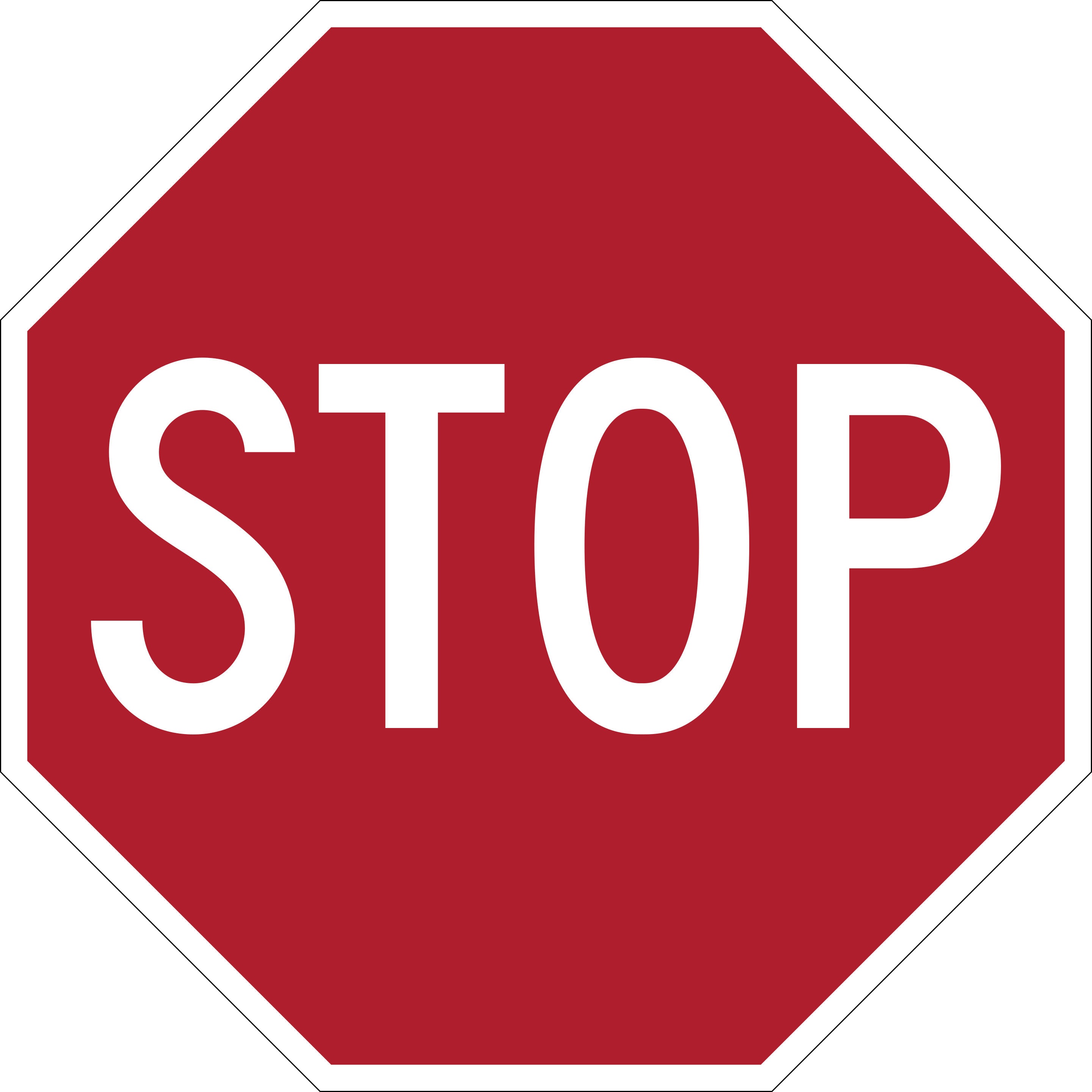
What Every Driver Must Know, Handbook p. 42A stop sign means come to a complete stop and yield to traffic and pedestrians before going.
Source: Handbook p. 44
“Stop Sign. Come to a complete stop and yield to traffic and pedestrians before proceeding.”
What Every Driver Must Know, Handbook p. 44A yield sign means slow down and let vehicles crossing your path go by.
Source: Handbook p. 44
“Yield. Yield the right of way. Slow down and let vehicles crossing your path go by.”
What Every Driver Must Know, Handbook p. 44A Wrong Way sign means you have entered a lane of oncoming traffic.
Source: Handbook p. 44
“Wrong Way. You have entered a lane of oncoming traffic.”
What Every Driver Must Know, Handbook p. 44The Pass With Care sign marks the end of a no passing zone.
Source: Handbook p. 44
“Pass With Care. This sign follows the Do Not Pass sign. It is on the right side of the road and marks the end of a no-passing zone.”
What Every Driver Must Know, Handbook p. 44The yellow pennant No Passing Zone sign is on the left side of the road.
Source: Handbook p. 45
“No Passing Zone. Located on the left side of the roadway, this yellow pennant cautions you to refrain from passing because conditions make passing hazardous.”
What Every Driver Must Know, Handbook p. 45The orange slow moving vehicle triangle marks vehicles that do not go faster than 25 mph.
Source: Handbook p. 44
“The orange triangle is mounted on the back of vehicles that do not move faster than 25 mph”
What Every Driver Must Know, Handbook p. 44Construction warning signs are diamond shaped with black lettering on orange or yellow.
Source: Handbook p. 26
“Warning signs in construction, maintenance or other designated work areas are diamond-shaped with black lettering on an orange or yellow background.”
What Every Driver Must Know, Handbook p. 26
Numbers to know
| Number | What it means | Manual |
|---|---|---|
| 9 shapes | basic traffic sign shapes to learn | Handbook p. 41 |
| 25 mph | top speed of a vehicle with the slow moving triangle | Handbook p. 44 |
Recognize these signs
Stop 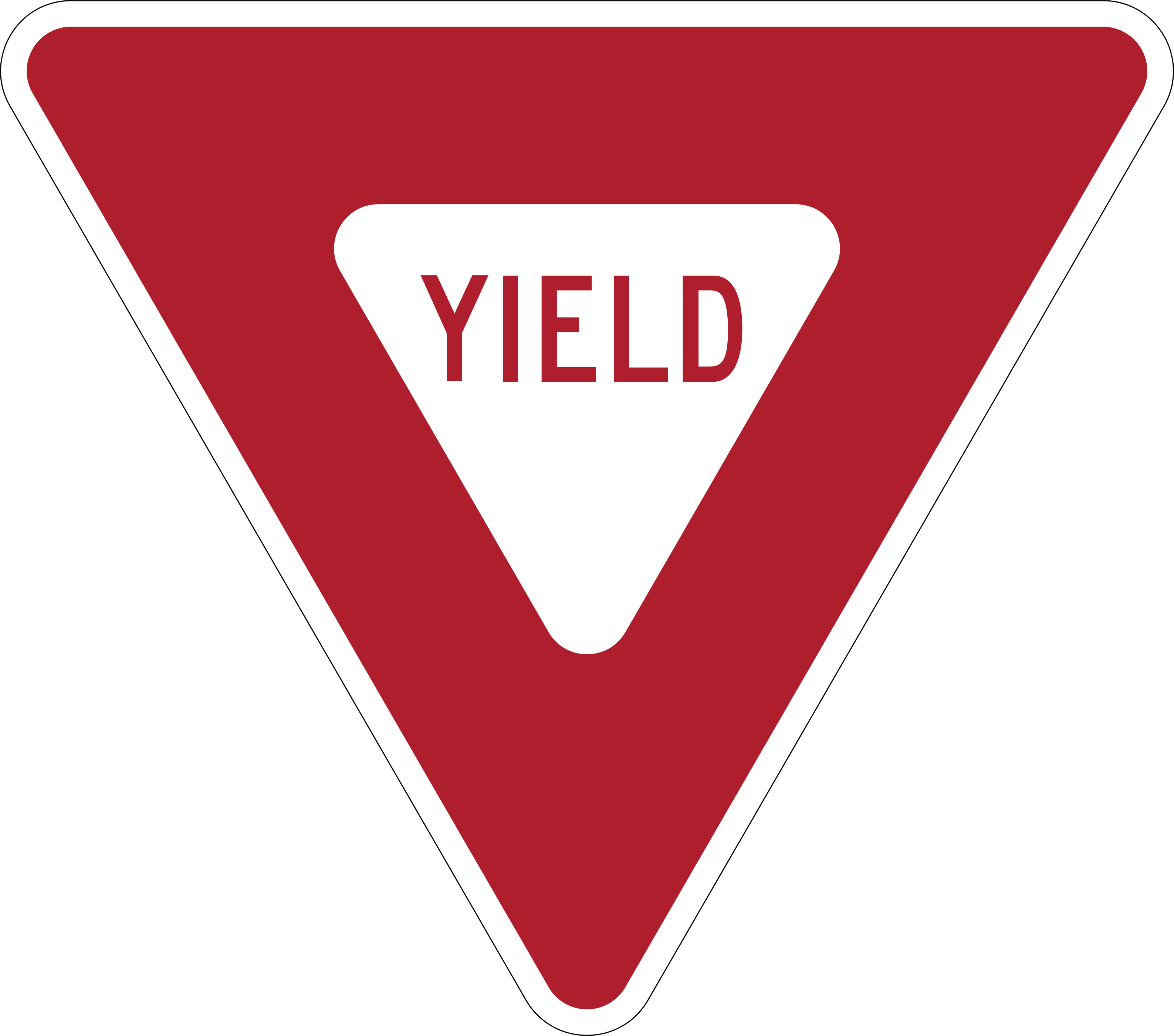
Yield 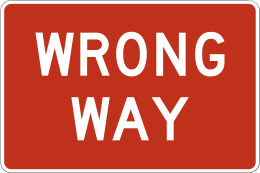
Wrong way 
Do not enter 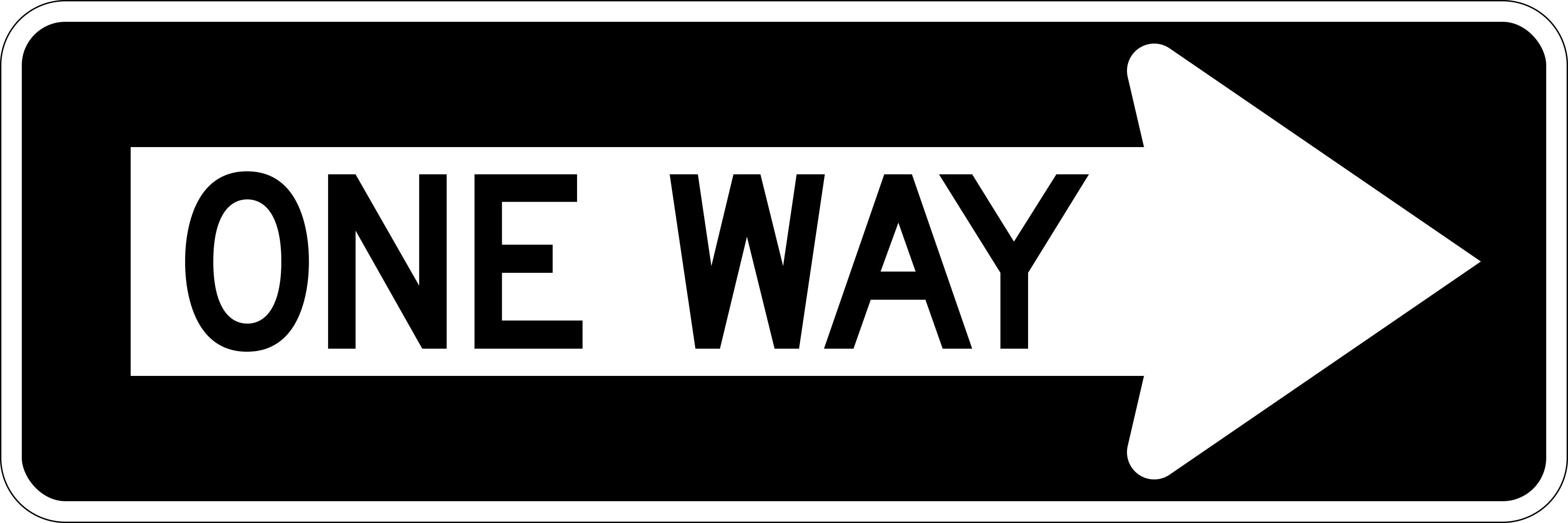
One way 
School crossing 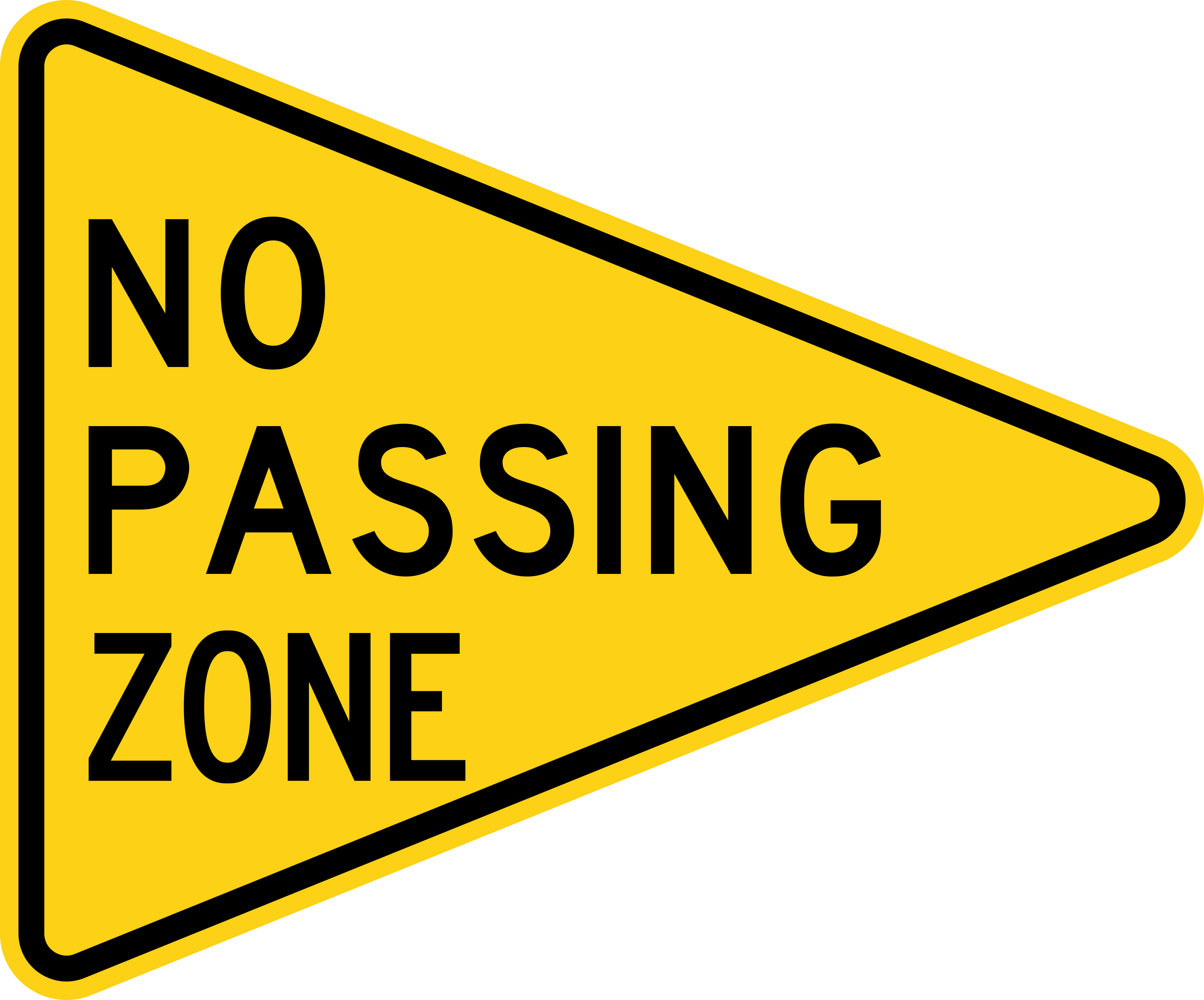
No passing zone 
Slow moving vehicle 
Stop ahead 
Merging traffic 
Lane ends 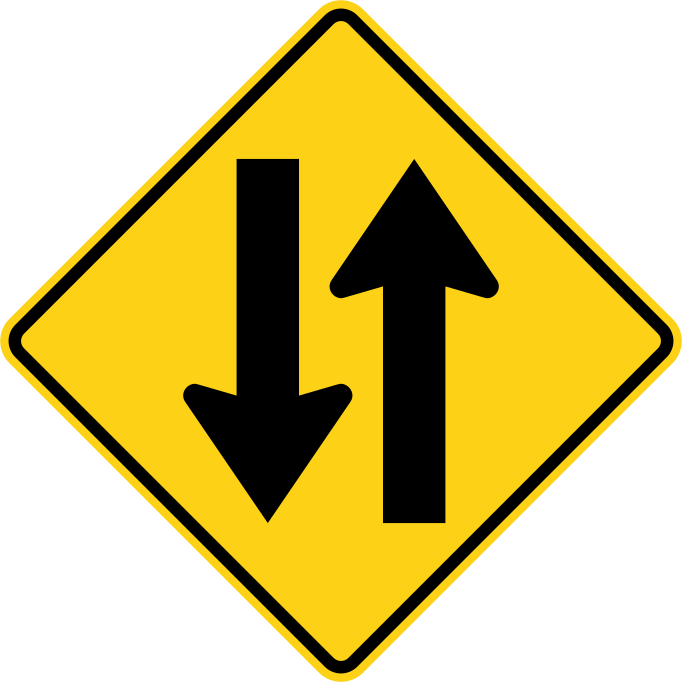
Two way traffic 
Slippery when wet
3 questions from the Michigan practice test
1. What clue does a Michigan traffic sign’s shape provide?
- The exact distance to the next gas station
- Its meaning and purpose
- The age of the pavement beneath it
- The color of the vehicle that must obey it
Show answer
Its meaning and purpose. Michigan explains that a traffic sign’s shape provides a clue about its meaning and purpose. Shape recognition helps a driver interpret a sign quickly, even before reading every word or symbol. The shape does not identify the pavement’s age, calculate a distance to a gas station, or describe a vehicle color. Study the basic shapes together with their functions, such as octagon for STOP, triangle for YIELD, diamond for WARNING, and pentagon for SCHOOL. That visual association gives the driver an early cue when approaching a sign in traffic.
2. What does an orange Michigan traffic sign indicate?
- A route direction to a destination
- A railroad crossing is ahead
- Construction or maintenance crews are working in the area
- A service or hospitality location
Show answer
Construction or maintenance crews are working in the area. An orange sign warns that construction or maintenance crews are working in the area, so drivers should proceed with care and expect changing conditions. The railroad choice belongs to railroad warning devices, while route directions use a different sign purpose. Service or hospitality information also describes another color category. Orange should prompt a slower, more attentive approach, especially near lane shifts, workers, equipment, or temporary traffic controls. Read the full sign and follow any cones, flaggers, or posted instructions around the work area.
3. What does a Pass With Care sign mark?
- The end of a no-passing zone
- A school crossing for children
- A railroad crossing ahead
- A lane reserved for emergency vehicles
Show answer
The end of a no-passing zone. Michigan explains that the Pass With Care sign follows a Do Not Pass sign and marks the end of a no-passing zone. It indicates that passing may resume only when the maneuver is safe and lawful. It does not identify a railroad crossing, a school crossing, or an emergency-only lane. Even after the restriction ends, check sight distance, lane markings, and oncoming traffic before moving left. The sign gives the location of the zone’s end, not a command to pass immediately.
Practice this topic
Lock it in with road signs questions from the free Michigan practice test. Every answer comes with a plain English explanation.
Source: the What Every Driver Must Know, Chapter 5: Signs, Pavement Markings and Signals. This lesson is a plain English summary, not the law itself; where it differs, the manual and the statute govern. Last checked 2026-09-27.