
Key points
Regulatory signs have a red or white background and inform you of traffic laws or regulations.
Source: Handbook p. 86
“Regulatory signs have a red or white background and inform drivers of traffic laws or regulations.”
Massachusetts Driver's Manual, Handbook p. 86Brown signs direct you to recreation areas, parks, points of interest and scenic sites.
Source: Handbook p. 86
“Brown signs direct you to public recreational areas, state and national parks, points of interest, and scenic sites.”
Massachusetts Driver's Manual, Handbook p. 86A STOP sign always means come to a complete halt.
Source: Handbook p. 86
“A STOP sign always means “come to a complete halt” and applies to each vehicle that comes to the sign.”
Massachusetts Driver's Manual, Handbook p. 86At a 4 way or all way stop, the first vehicle in the intersection has the right of way.
Source: Handbook p. 86
“If a 4-WAY or ALL WAY sign is added to a STOP sign at an intersection, all traffic coming to the intersection must stop. The first vehicle in the intersection or four-way stop has the right of way.”
Massachusetts Driver's Manual, Handbook p. 86At a YIELD sign, slow down, be prepared to stop, and let others go first.
Source: Handbook p. 86
“When you see a YIELD sign, slow down and be prepared to stop. Let vehicles, bicyclists, and pedestrians go before you proceed.”
Massachusetts Driver's Manual, Handbook p. 86A red circle with a diagonal slash means something is prohibited.
Source: Handbook p. 86
“Signs that use a red circle with a diagonal slash mean that something is prohibited.”
Massachusetts Driver's Manual, Handbook p. 86Yellow and fluorescent yellow green warning signs warn of hazards or changes ahead.
Source: Handbook p. 86
“Yellow and fluorescent yellow-green warning signs warn you of hazards or changes in conditions ahead.”
Massachusetts Driver's Manual, Handbook p. 86Green signs give highway directions, and blue signs list services like gas, food and lodging.
Source: Handbook p. 86
“Green signs give highway directions and guide you through highway interchanges. Blue signs list motorist services, like gas, food, and lodging.”
Massachusetts Driver's Manual, Handbook p. 86
Numbers to know
| Number | What it means | Manual |
|---|---|---|
| 4 way | stop sign plaque meaning all traffic must stop | Handbook p. 86 |
Recognize these signs
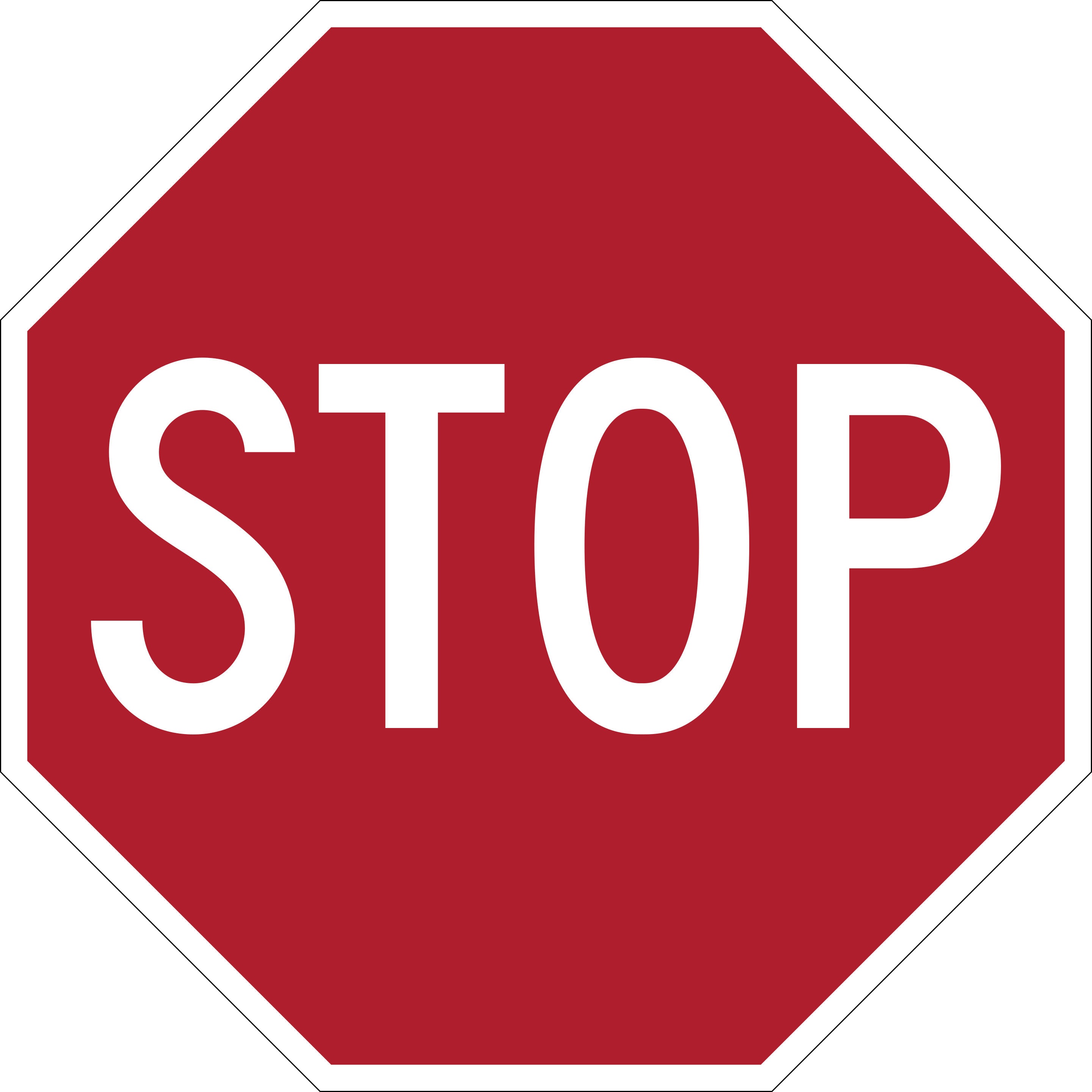
Stop 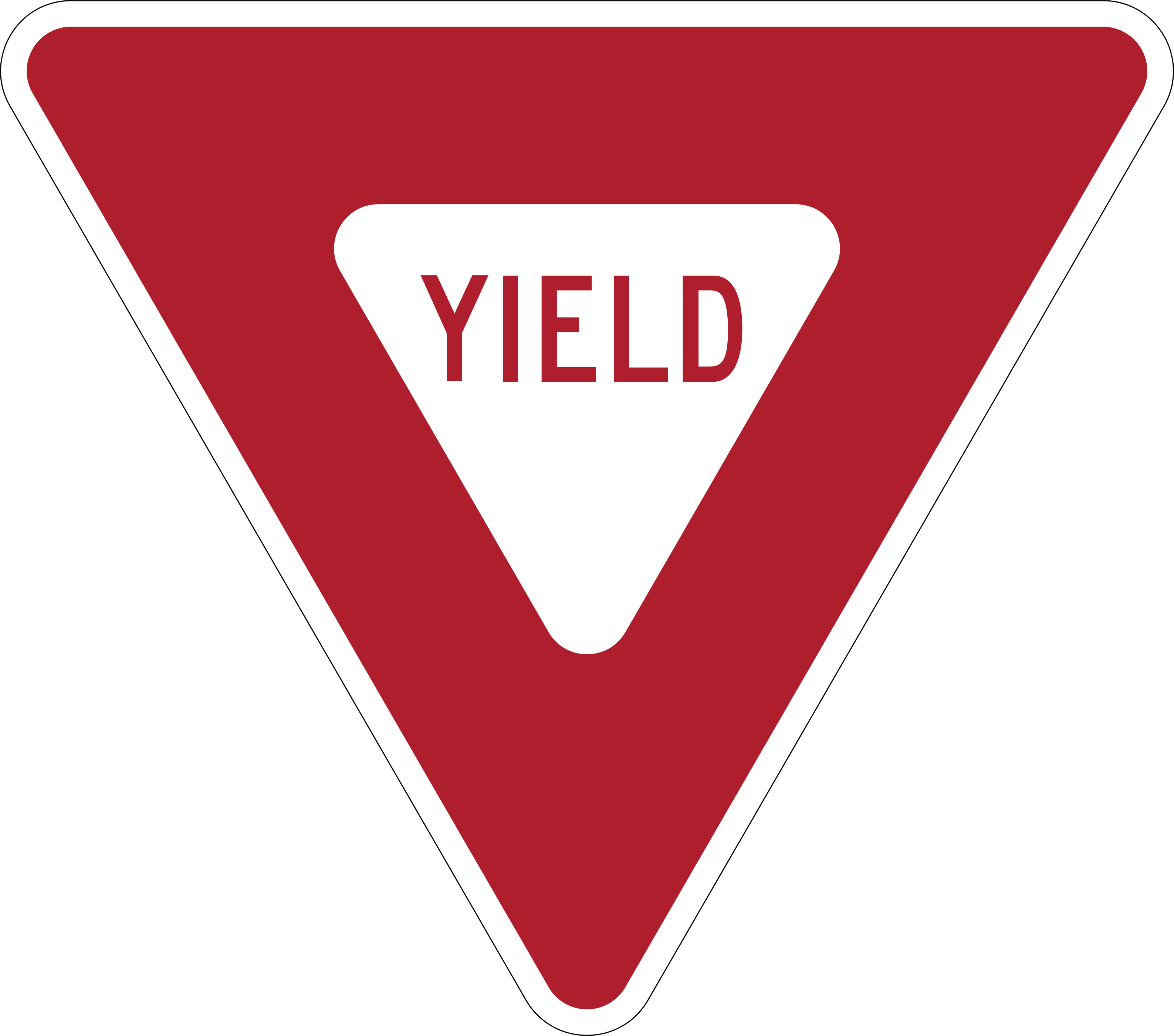
Yield 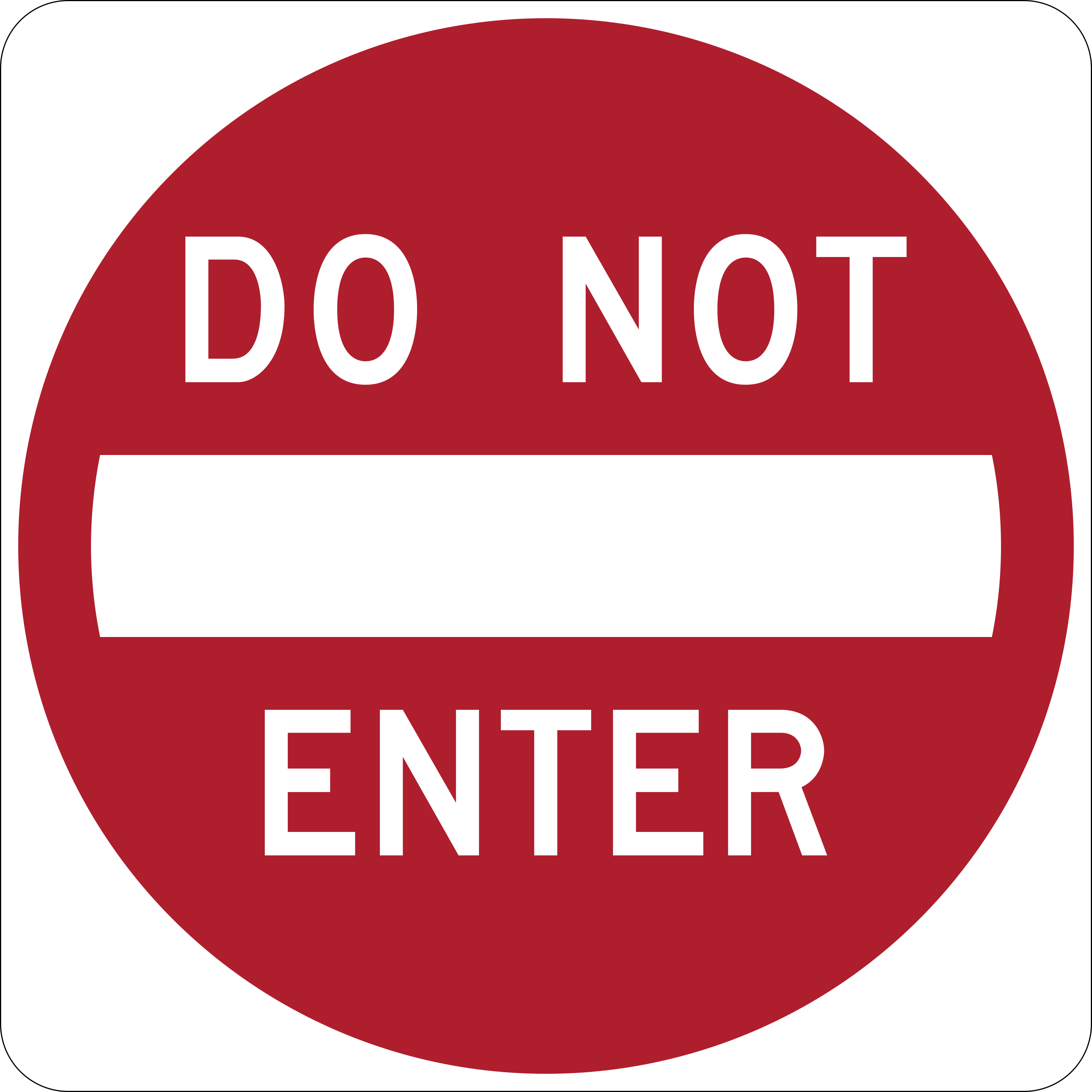
Do not enter 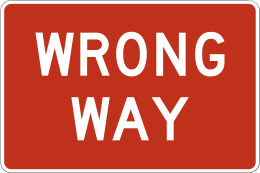
Wrong way 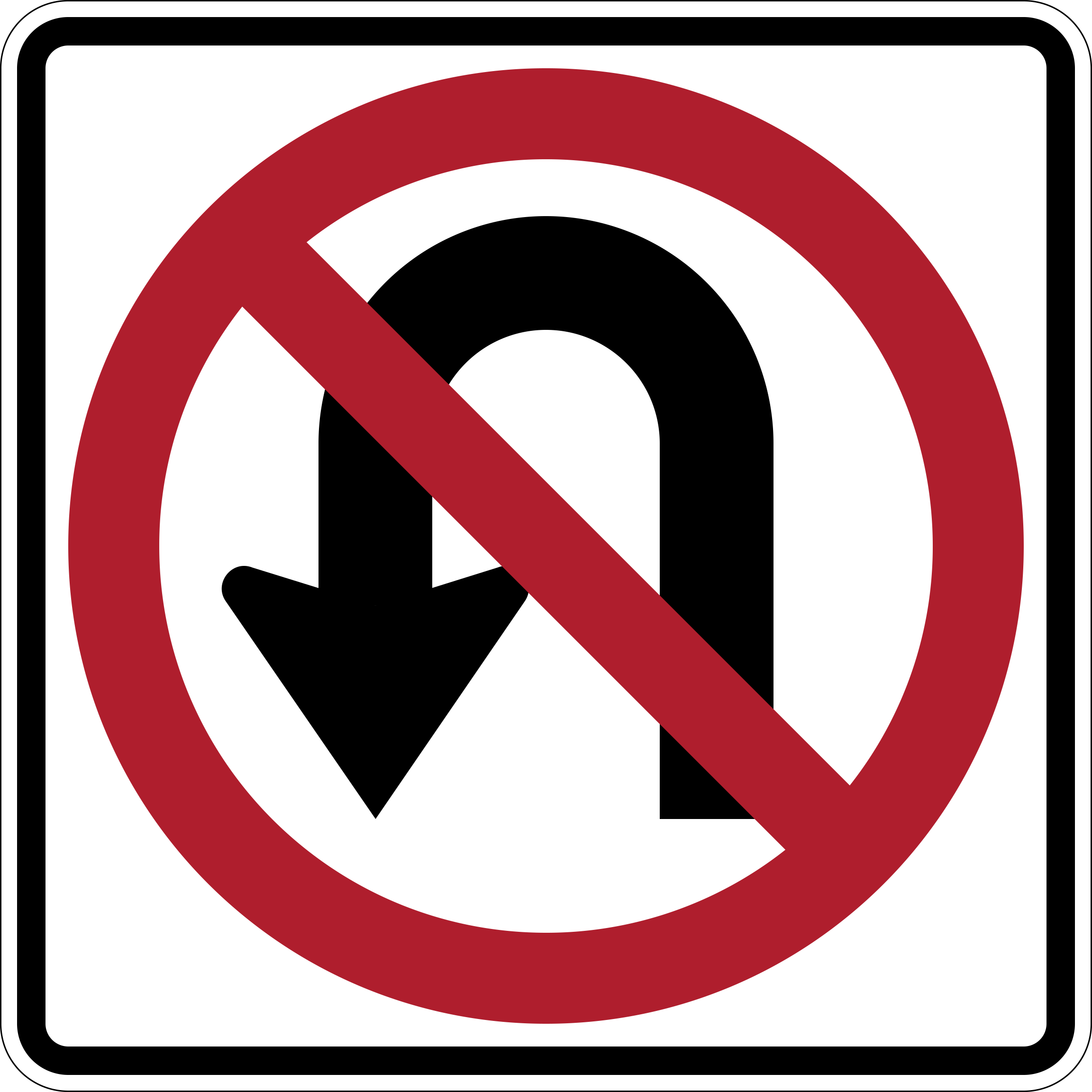
No U turn 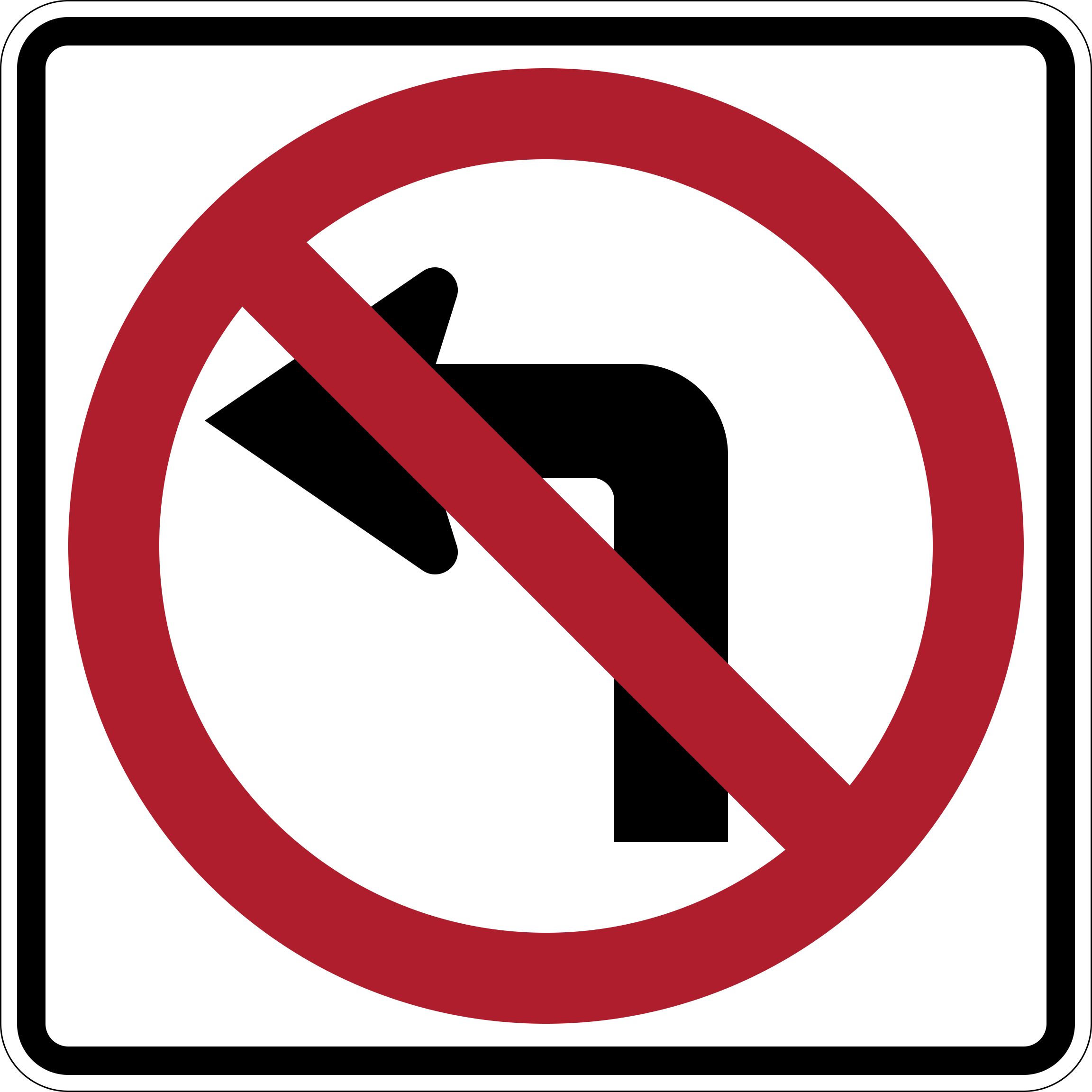
No left turn 
Stop ahead 
Merge 
Slippery when wet 
Winding road 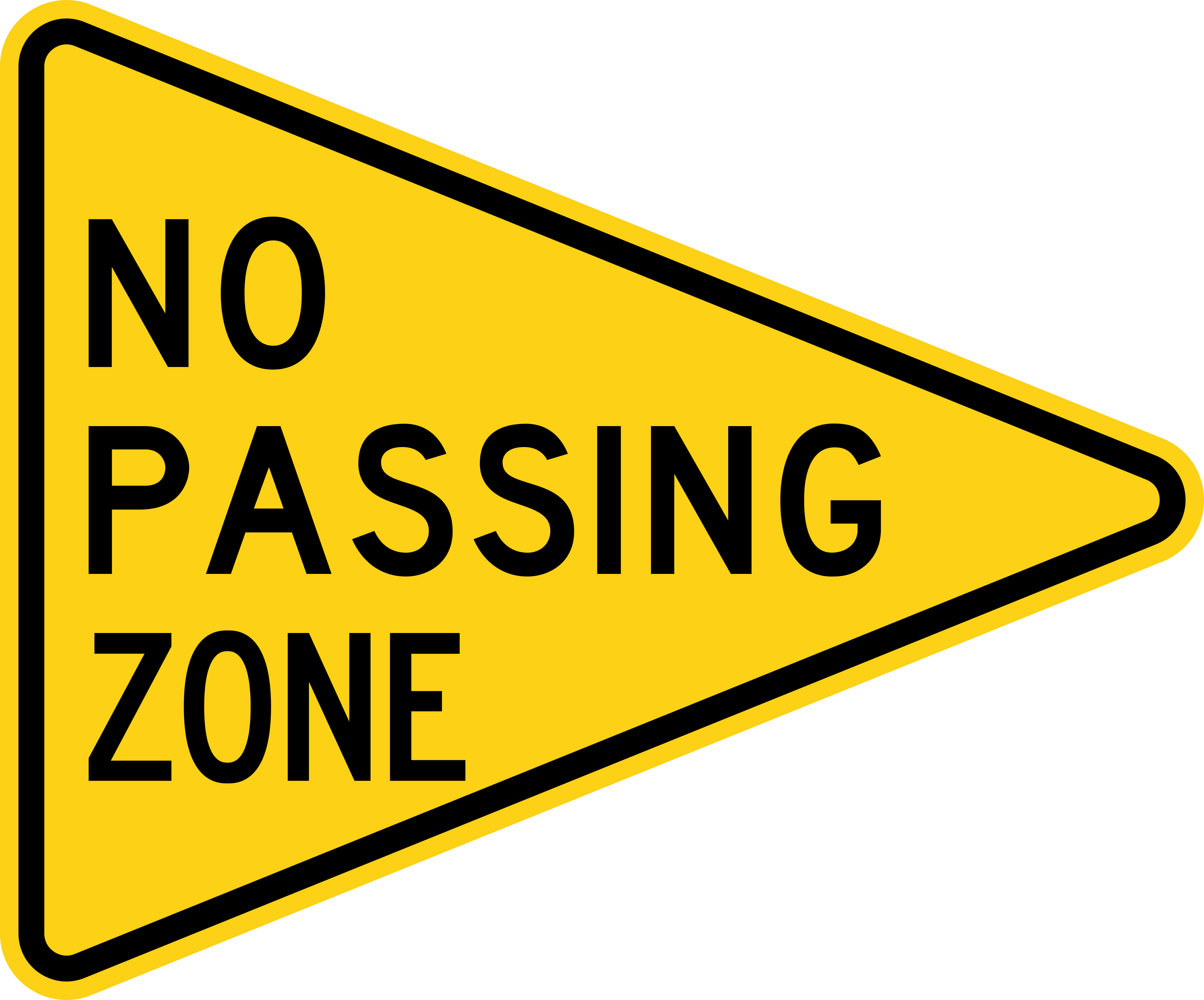
No passing zone
3 questions from the Massachusetts practice test
1. What does a STOP sign always mean in Massachusetts, and to whom does it apply?
- Slow to a crawl, and only the first vehicle in line must stop
- Come to a complete halt, and it applies to each vehicle that comes to the sign
- Stop only if cross traffic is present
- Yield, unless the intersection is clear
Show answer
Come to a complete halt, and it applies to each vehicle that comes to the sign. A stop sign never softens into a yield. The manual says it always means come to a complete halt, and the duty applies to each vehicle that reaches the sign, so the second and third cars in line stop at the sign in turn rather than following the leader through. Stopping only when cross traffic is visible misses the pedestrians and the cars hidden by parked vehicles. Stop before the line or crosswalk, look both ways, and go only when the way is clear.
2. What do yellow and fluorescent yellow-green warning signs tell a Massachusetts driver?
- That there are hazards or changes in conditions ahead
- The distance to the next exit
- That the road is closed
- That a law is being stated that you must obey
Show answer
That there are hazards or changes in conditions ahead. Yellow, including the bright fluorescent yellow green version, is the warning color. These signs announce a hazard or a change in conditions ahead: the road layout may be changing, a school zone may be coming, or there may be a special situation ahead, and the manual says to slow down and obey the sign. Regulatory signs, which state laws, have a red or white background, and green guide signs give highway directions, distances and destinations. Nothing about a yellow warning sign means the road is closed. Read yellow as a prompt to slow and look.
3. What should a Massachusetts driver do on seeing a YIELD sign?
- Slow down and be prepared to stop
- Speed up to merge ahead of traffic
- Come to a complete halt every time
- Stop only if a police officer is present
Show answer
Slow down and be prepared to stop. The yield sign asks for judgment rather than an automatic stop. Slow down and be prepared to stop, let vehicles, bicyclists and pedestrians go before you proceed, and come to a complete stop if traffic conditions require it. A full stop every time is the stop sign rule, speeding up to beat traffic is the crash the sign exists to prevent, and police presence has nothing to do with it. The yield sign hands you the decision, so look well ahead as you approach and give yourself room to stop if someone has the right of way.
Practice this topic
Lock it in with road signs questions from the free Massachusetts practice test. Every answer comes with a plain English explanation.
Source: the Massachusetts Driver's Manual, Chapter 4: Rules of the Road. This lesson is a plain English summary, not the law itself; where it differs, the manual and the statute govern. Last checked 2026-09-27.