
Key points
Warning signs are usually yellow with black lettering or symbols and diamond shaped.
Source: Handbook p. 25
“These signs are usually yellow with black lettering or symbols and are diamond shaped.”
Louisiana Class D and E Driver's Guide, Handbook p. 25A red circle with a red slash over a symbol prohibits that action.
Source: Handbook p. 26
“Some regulatory signs have a red circle with a red slash over a symbol. These signs prohibit certain actions.”
Louisiana Class D and E Driver's Guide, Handbook p. 26The maximum speed limit should be driven only in ideal conditions, and you must slow down when weather or traffic requires it.
Source: Handbook p. 27
“The maximum limit should be driven only in ideal driving conditions and you must reduce your speed when weather or traffic conditions require it.”
Louisiana Class D and E Driver's Guide, Handbook p. 27A school speed limit When Flashing applies only while the sign is flashing.
Source: Handbook p. 27
“The speed limit is required only when flashing; otherwise obey the roadways speed limit.”
Louisiana Class D and E Driver's Guide, Handbook p. 27You may not drive more than 200 feet in a shared center left turn lane.
Source: Handbook p. 27
“You must not drive more than 200 feet in this lane when making a left turn from this lane.”
Louisiana Class D and E Driver's Guide, Handbook p. 27Do not enter an intersection if you cannot clear it completely.
Source: Handbook p. 28
“You must not enter an intersection if traffic conditions do not permit you to clear the intersection completely.”
Louisiana Class D and E Driver's Guide, Handbook p. 28Blue service signs show services such as rest areas, gas, hotels or hospitals.
Source: Handbook p. 30
“These blue signs are square or rectangular shaped with white lettering or symbols. They show the location of various services such as rest areas, gas stations, hotels or hospitals.”
Louisiana Class D and E Driver's Guide, Handbook p. 30In Louisiana, traffic fines are doubled in construction zones.
Source: Handbook p. 31
“In Louisiana, traffic fines are double for construction zones.”
Louisiana Class D and E Driver's Guide, Handbook p. 31
Numbers to know
| Number | What it means | Manual |
|---|---|---|
| 200 feet | maximum travel in a shared center left turn lane | Handbook p. 27 |
Recognize these signs

Cross road ahead 
Winding road 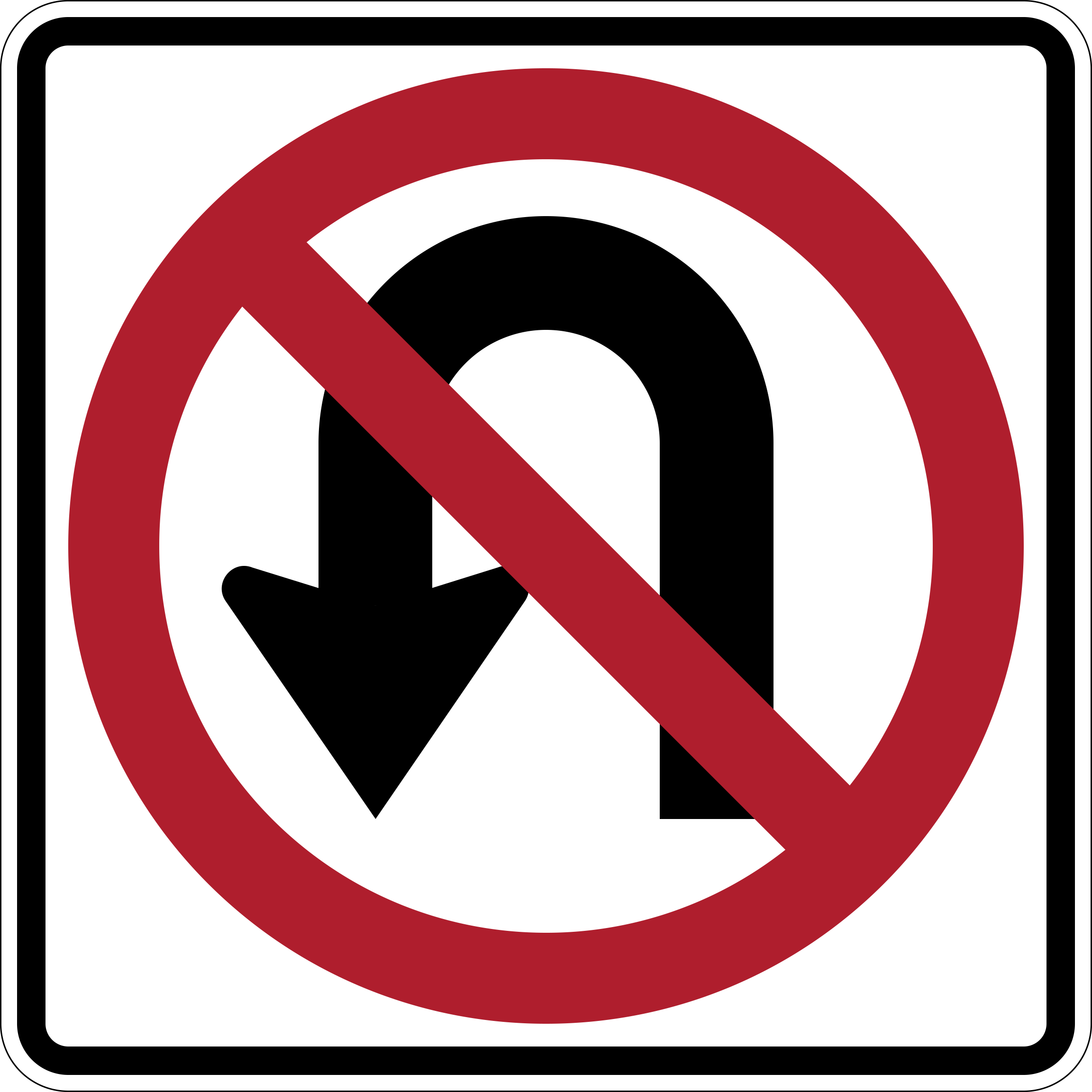
No U turn 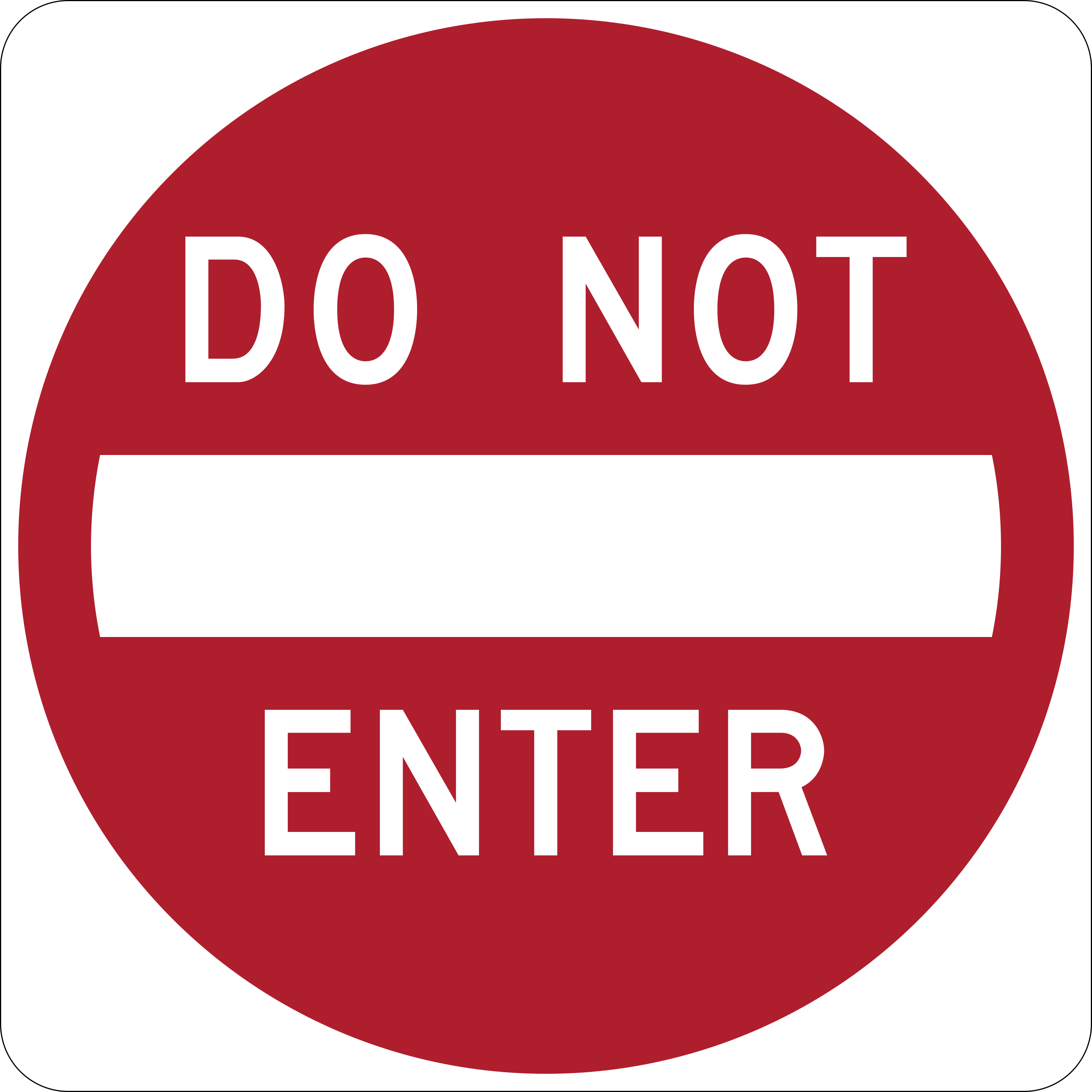
Do not enter 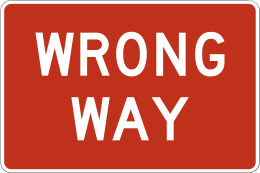
Wrong way 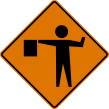
Flagger ahead
3 questions from the Louisiana practice test
1. What shape and colors are typical of Louisiana warning signs?
- Blue with white lettering, usually rectangular
- White with green lettering, usually circular
- Yellow with black lettering or symbols, usually diamond-shaped
- Orange with black lettering, usually triangular
Show answer
Yellow with black lettering or symbols, usually diamond-shaped. Louisiana warning signs are usually yellow with black lettering or symbols and have a diamond shape. That combination alerts a driver to a possible hazard or special roadway condition ahead. Blue rectangular signs generally point to services, while white signs commonly communicate regulations. Orange backgrounds identify temporary traffic control areas, not the ordinary warning-sign category. When the diamond shape and yellow background appear together, scan ahead and be ready to slow or stop for the condition shown.
2. What information is commonly provided by a blue service sign?
- A prohibition against passing
- The location of services such as gas stations or hospitals
- A warning about a curve or slippery pavement
- The maximum speed allowed on the road
Show answer
The location of services such as gas stations or hospitals. Blue service signs direct travelers to useful facilities, including rest areas, gas stations, hotels, and hospitals. They are informational rather than warnings, prohibitions, or speed commands. No-passing rules belong to regulatory or warning signs, curves and slippery pavement are hazard messages, and maximum speed is posted on a regulatory sign. A simple roadside cue is color plus purpose: blue helps locate a service. Follow the symbol or wording and make any exit or turn safely.
3. What does a red circle with a red slash over a symbol mean?
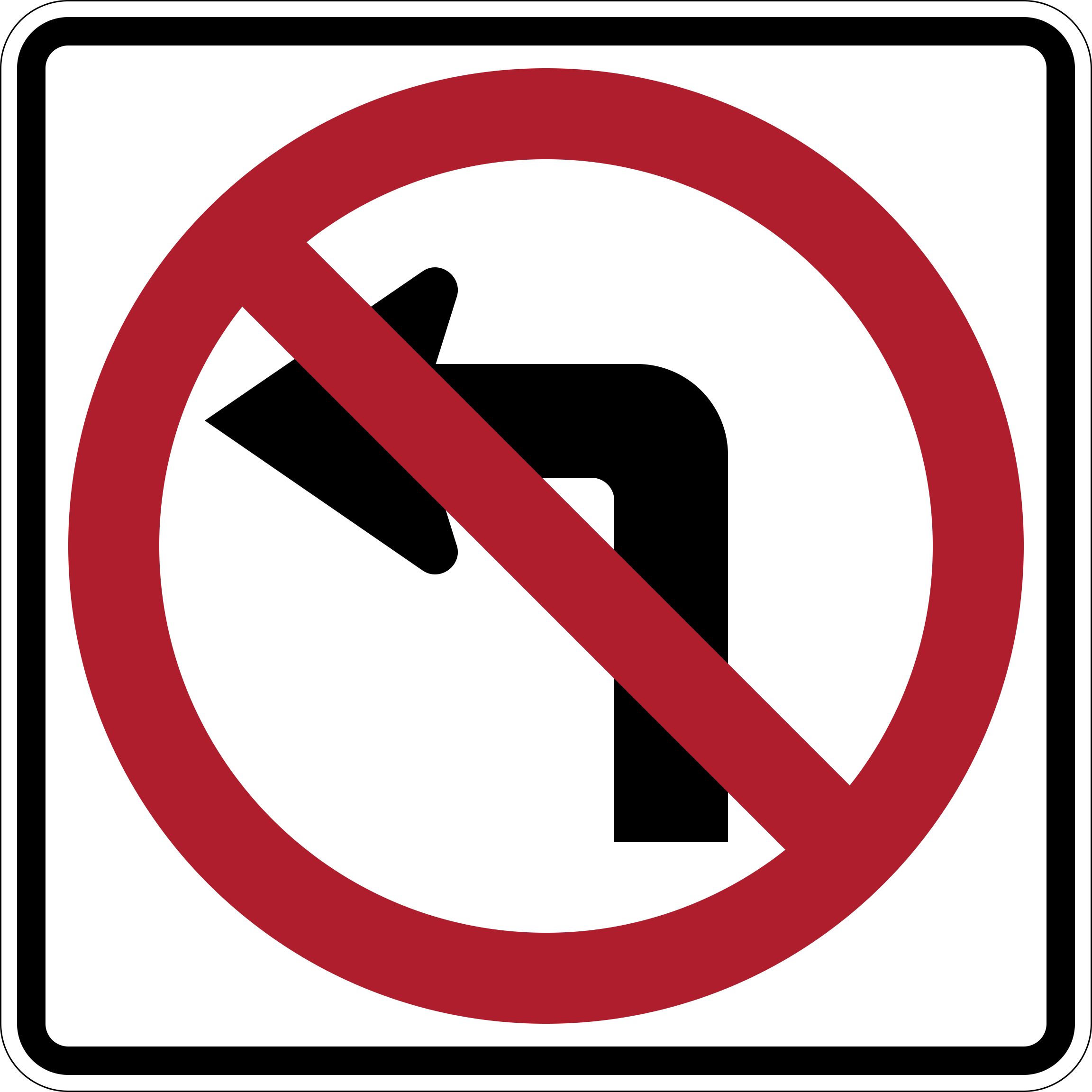
- The action represented by the symbol is prohibited
- The action is recommended at that location
- The symbol identifies a nearby traveler service
- The sign gives an advisory curve speed
Show answer
The action represented by the symbol is prohibited. A red circle with a slash is a prohibition symbol. It tells the driver not to perform the action shown, such as turning left, turning right, or making a U-turn. It is not a recommendation, a service marker, or an advisory speed message. Look at the crossed-out symbol itself to identify the forbidden movement, then obey the restriction even if the roadway appears clear. The red slash is the quick visual cue that the pictured action is not allowed.
Practice this topic
Lock it in with road signs questions from the free Louisiana practice test. Every answer comes with a plain English explanation.
Source: the Louisiana Class D and E Driver's Guide, Chapter 3: Signs, Traffic Lights, and Pavement Markings. This lesson is a plain English summary, not the law itself; where it differs, the manual and the statute govern. Last checked 2026-09-27.