
Key points
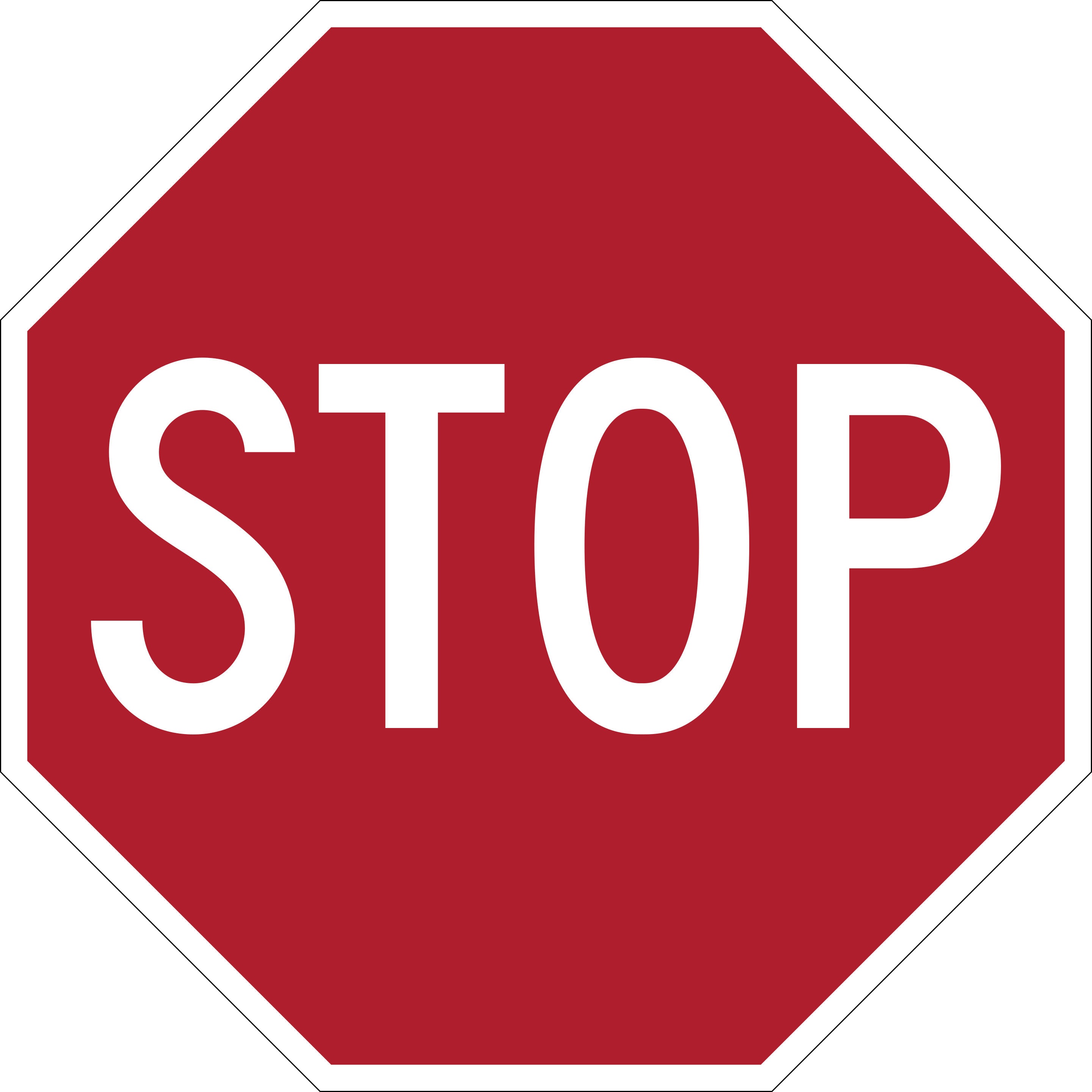
The octagon is used only for stop signs, usually posted six to 50 feet from the intersection.
Source: Handbook p. 83
“The octagonal shape is used for stop signs only. The stop sign is usually posted six to 50 feet from the intersection.”
North Carolina Driver Handbook, Handbook p. 83At a stop sign the law requires a FULL stop. Do not go again until the way is clear.
Source: Handbook p. 83
“When you approach this sign, the law requires you to come to a FULL stop. Do not proceed to move again until you are sure the way is clear.”
North Carolina Driver Handbook, Handbook p. 83If there is no stop line or crosswalk, stop before entering the intersection where you can see the cross street.
Source: Handbook p. 83
“If there is no stop line or marked crosswalk, the driver must stop before entering the intersection where he/she has a view of the intersecting street.”
North Carolina Driver Handbook, Handbook p. 83The yield sign is a red and white triangle with the point at the bottom. Slow down and yield.
Source: Handbook p. 83
“The yield sign is triangular shaped with the point at the bottom. This sign is red and white with the word “YIELD” in large letters at the top. When you approach the yield sign, you must slow down and yield the right of way.”
North Carolina Driver Handbook, Handbook p. 83Rectangular and square signs, black and white or red and white, show speed limits and other rules.
Source: Handbook p. 83
“Rectangular and square-shaped signs, which are normally black and white or red and white, are also used to show speed limits and other regulations.”
North Carolina Driver Handbook, Handbook p. 83The yellow pennant on the left side of the road marks the start of a no-passing zone.
Source: Handbook p. 84
“The pennant is located on the left side of the road and points to the beginning of the no-passing zone (solid yellow line in your lane).”
North Carolina Driver Handbook, Handbook p. 84Diamond signs are warnings. Orange ones warn of construction or maintenance areas.
Source: Handbook p. 84
“Diamond-shaped signs are also caution or warning signs. They are normally black on yellow, but when they are black on orange, they warn of conditions for construction or maintenance areas.”
North Carolina Driver Handbook, Handbook p. 84A STOP AHEAD sign is placed well before a stop sign that a curve or object hides from view.
Source: Handbook p. 84
“It is placed far ahead of a stop sign when the driver’s view of the stop sign is blocked by a curve or other objects.”
North Carolina Driver Handbook, Handbook p. 84A round yellow sign with a black cross and RR warns of a railroad crossing ahead. Slow down.
Source: Handbook p. 84
“A circular sign, with a black cross and the black letters “RR” on a yellow background, gives advance warning of a railroad crossing. When you see this sign, slow down.”
North Carolina Driver Handbook, Handbook p. 84
Numbers to know
| Number | What it means | Manual |
|---|---|---|
| 6 to 50 feet | usual stop sign distance from the intersection | Handbook p. 83 |
Recognize these signs
Stop 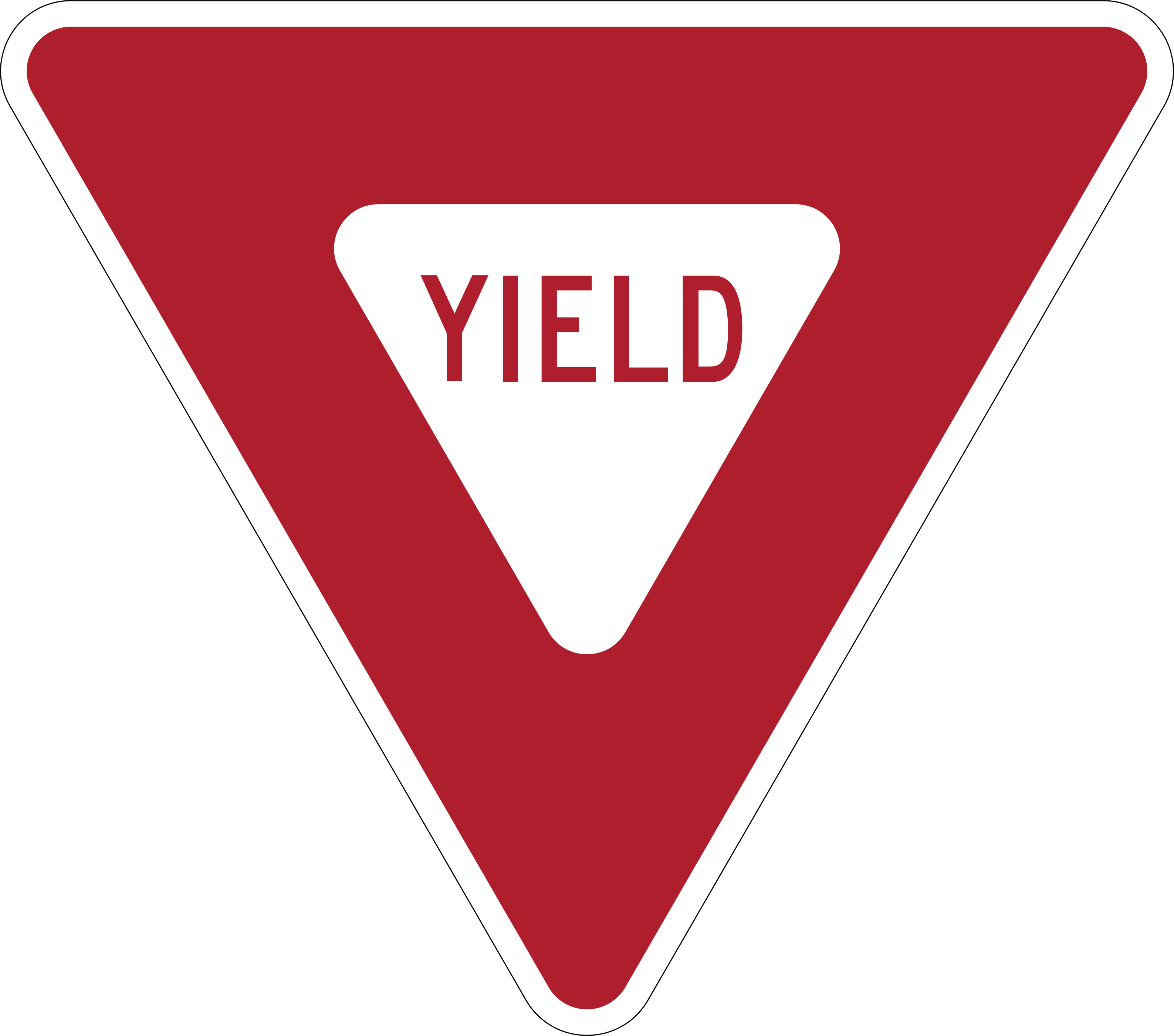
Yield 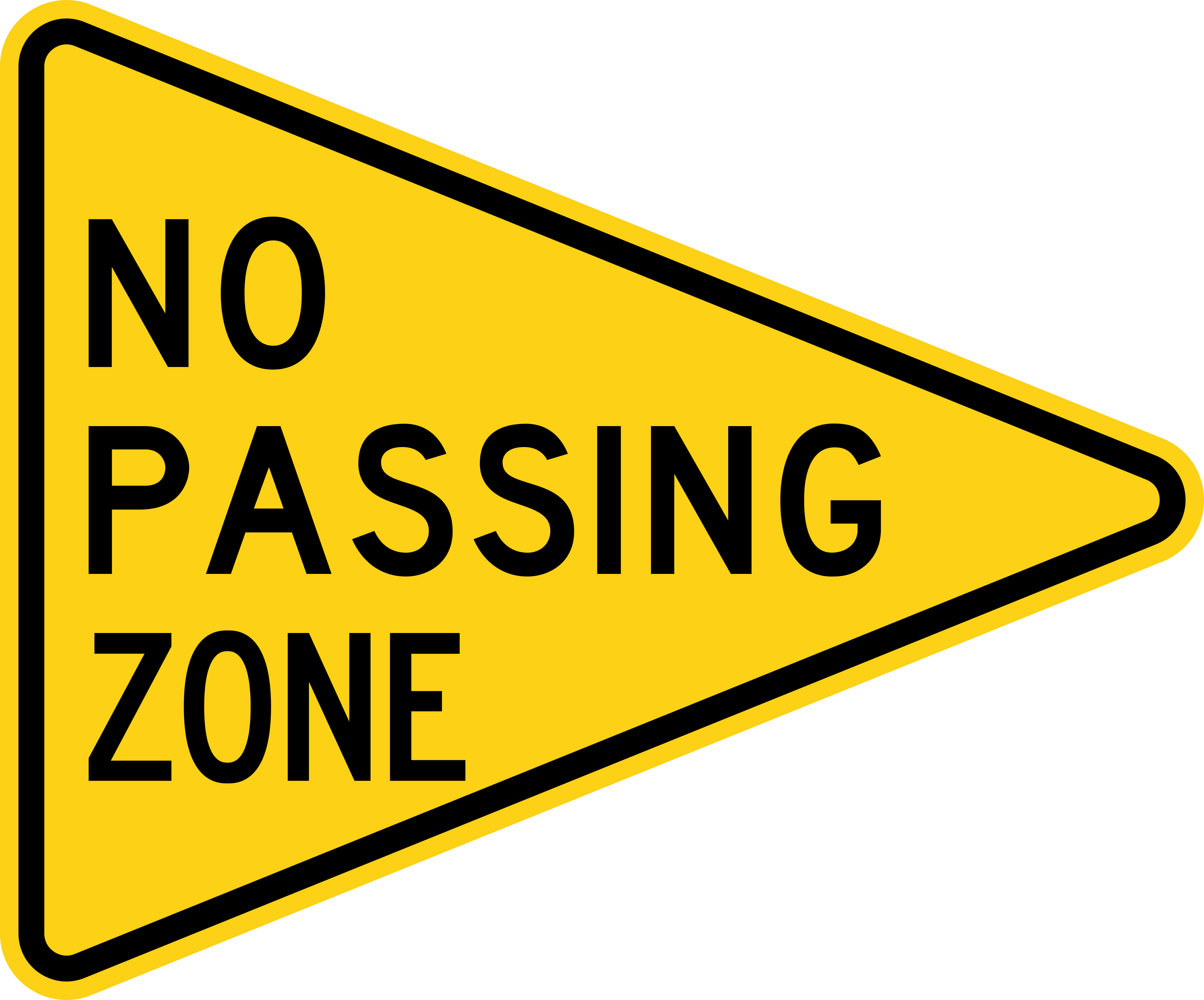
No passing zone 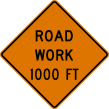
Road work ahead 
Stop ahead 
Railroad crossing ahead
3 questions from the North Carolina practice test
1. Which sign shape is used only for stop signs?
- The circular sign
- The five-sided pentagon
- The eight-sided octagon
- The triangular sign
Show answer
The eight-sided octagon. The eight-sided shape is reserved for stop signs, making the sign recognizable even when its words or face are difficult to see. A pentagon warns of a school zone or school crossing. A circular sign can provide advance warning of a railroad crossing, and a triangle identifies a yield sign. The shape therefore supplies an important recognition cue before the driver reads the message. When the outline is an octagon, prepare for the full stop required by the stop sign and do not treat it as a warning-only device or a yield instruction.
2. What shape does a North Carolina yield sign have, and where is its point?
- An octagon with the point at the top
- A diamond with the point at the side
- A circle with the point at the bottom
- A triangle with the point at the bottom
Show answer
A triangle with the point at the bottom. A North Carolina yield sign is triangular, with its point directed downward. That shape distinguishes it from the octagonal stop sign and from diamond-shaped warning signs. The sign’s red and white treatment also helps identify the instruction, but the downward point is the visual cue asked about here. When approaching it, slow down and yield to traffic as required; stopping depends on the traffic on the intersecting street. Do not confuse the triangle with a stop sign, which requires a full stop before proceeding when the way is clear.
3. What does the pennant-shaped yellow warning sign emphasize?
- The circular railroad crossing sign
- The rectangular regulatory DO NOT PASS sign
- The blue and white hospital sign
- The five-sided school crossing sign
Show answer
The rectangular regulatory DO NOT PASS sign. The pennant-shaped yellow warning sign emphasizes the rectangular regulatory DO NOT PASS sign. It reinforces the beginning of a no-passing zone rather than replacing the rule-setting sign. The circular sign with RR warns of a railroad crossing, and the five-sided sign warns of a school zone or school crossing. Blue and white signs identify services or facilities. When a pennant appears on the left side of the road, look for the solid yellow line and treat the area ahead as the start of a no-passing restriction.
Practice this topic
Lock it in with road signs questions from the free North Carolina practice test. Every answer comes with a plain English explanation.
Source: the North Carolina Driver Handbook, Chapter 5: Signals, Signs and Pavement Markings. This lesson is a plain English summary, not the law itself; where it differs, the manual and the statute govern. Last checked 2026-09-27.