
Key points
There are 3 kinds of signs: warning signs for hazards, guidance signs for routes, and regulatory signs for speed and movement.
Source: Handbook p. 213
“Signs are divided into three basic categories: • Warning: Warn motorists of hazards ahead that are difficult to see • Guidance: Guide motorists to a destination by clearly identifying the route • Regulatory: Regulate traffic speed and movement”
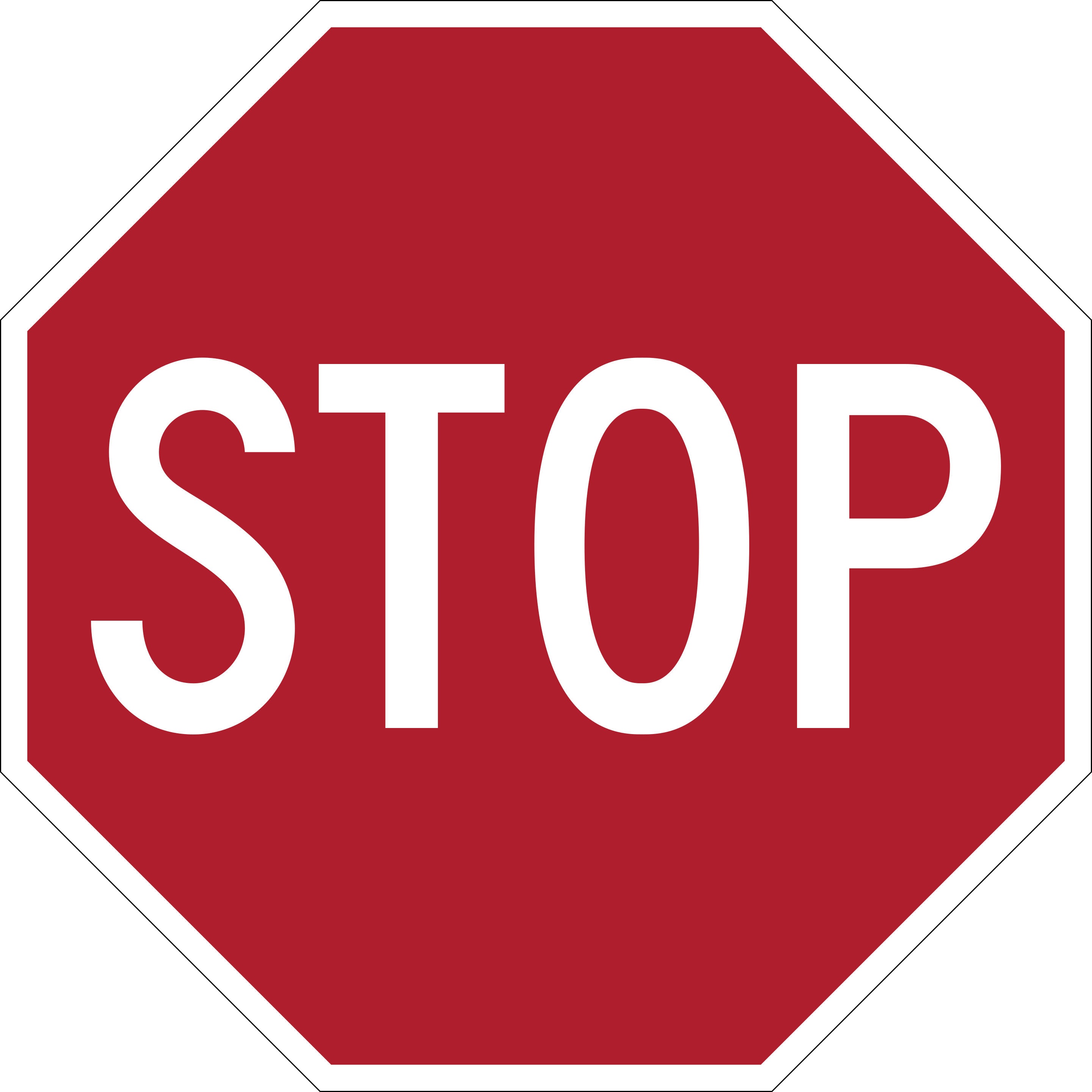
New Jersey Driver Manual, Handbook p. 213A red octagon, with 8 sides, is used only for STOP signs. A red triangle, with 3 sides, is a YIELD sign.
Source: Handbook p. 214
“Red Octagon 8 STOP signs only Red Triangle 3 YIELD signs”
New Jersey Driver Manual, Handbook p. 214A yellow pennant, with 3 sides, warns of a no passing zone. A yellow pentagon, with 5 sides, marks a school sign.
Source: Handbook p. 214
“Yellow Pennant 3 No-passing warning signs Yellow Pentagon 5 School signs”
New Jersey Driver Manual, Handbook p. 214A round yellow sign warns that a railroad crossing is ahead.
Source: Handbook p. 214
“Yellow Round (NONE) Railroad crossing advance warning signs”
New Jersey Driver Manual, Handbook p. 214The white X shaped crossbuck means the same as a yield sign. Always yield to trains.
Source: Handbook p. 216
“X-shaped railroad crossing sign with black wording on a white background means the same as a Yield sign. Motorists must always yield the right-of-way to trains.”
New Jersey Driver Manual, Handbook p. 216Warning signs are yellow diamonds with a black symbol or words.
Source: Handbook p. 214
“The signs are yellow and diamond-shaped with a black symbol or word message.”
New Jersey Driver Manual, Handbook p. 214In work zones marked by orange road work signs, all traffic fines are doubled.
Source: Handbook p. 215
“In New Jersey, all traffic fines are doubled in work zones.”
New Jersey Driver Manual, Handbook p. 215Regulatory signs are generally tall rectangles with black wording and border on a white background.
Source: Handbook p. 215
“Regulatory signs are generally rectangular, with the longer vertical dimension, and have black wording and border on a white background.”
New Jersey Driver Manual, Handbook p. 215Blue signs with white letters or symbols give information about motorist services.
Source: Handbook p. 215
“Motorist service signs have white letters or symbols on a blue background and provide information about motorist services.”
New Jersey Driver Manual, Handbook p. 215An orange triangle on the back of a vehicle marks a slow moving vehicle, such as farm or construction equipment.
Source: Handbook p. 217
“A fluorescent and reflective orange triangular sign indicates slow-moving vehicles, such as farm and construction equipment operating on public highways.”
New Jersey Driver Manual, Handbook p. 217
Numbers to know
| Number | What it means | Manual |
|---|---|---|
| 8 sides | red octagon, STOP signs only | Handbook p. 214 |
| 3 sides | red triangle YIELD sign and yellow pennant no passing sign | Handbook p. 214 |
| 5 sides | yellow pentagon school sign | Handbook p. 214 |
| 3 categories | warning, guidance and regulatory signs | Handbook p. 213 |
Recognize these signs
Stop 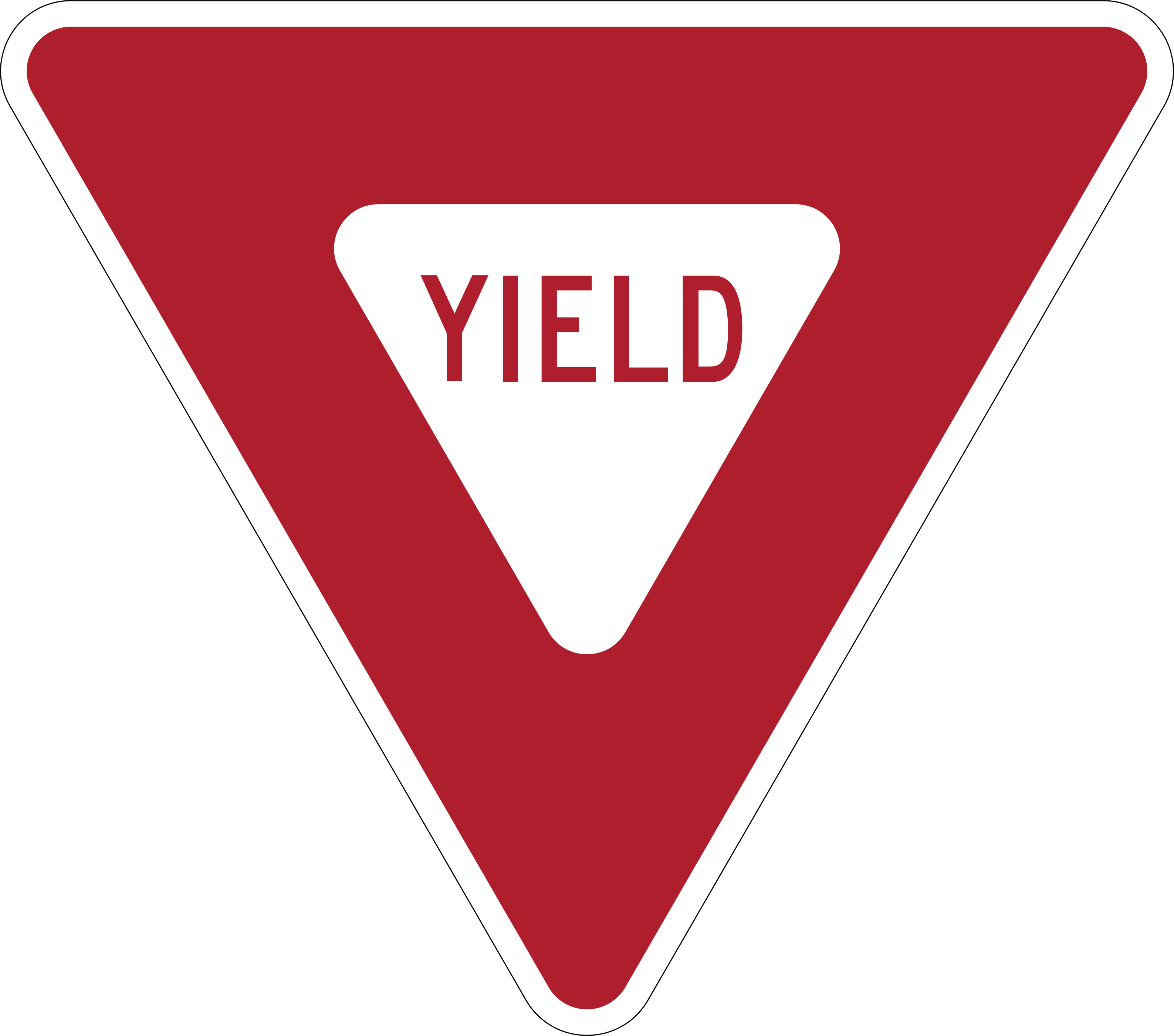
Yield 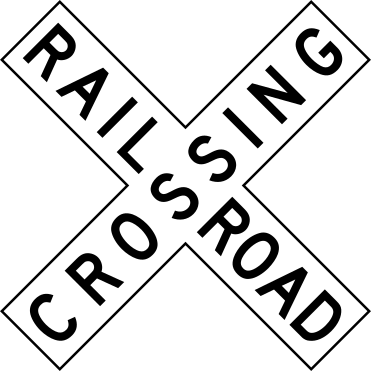
Railroad crossbuck 
Railroad crossing ahead 
School 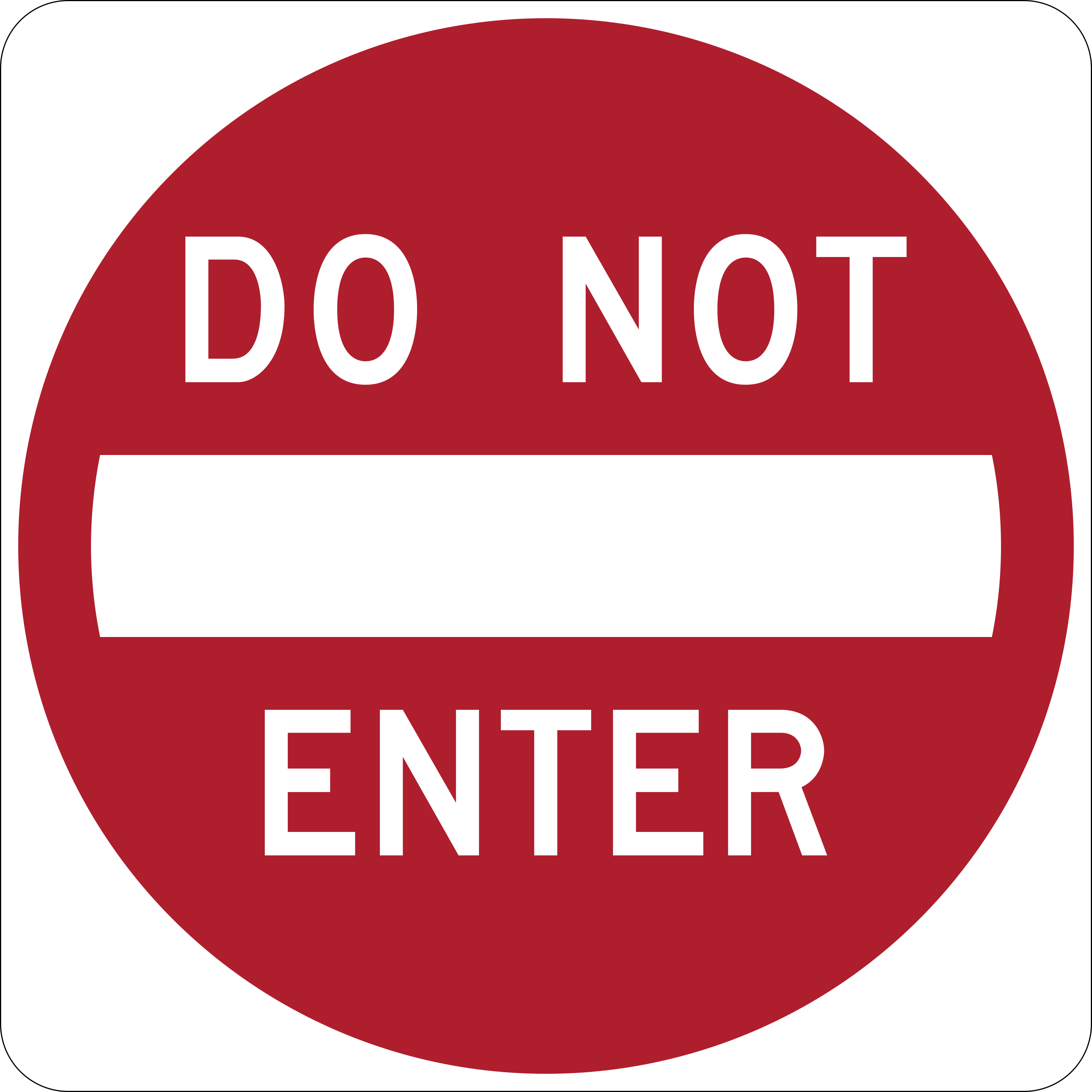
Do not enter 
Crossroad ahead 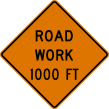
Road work ahead 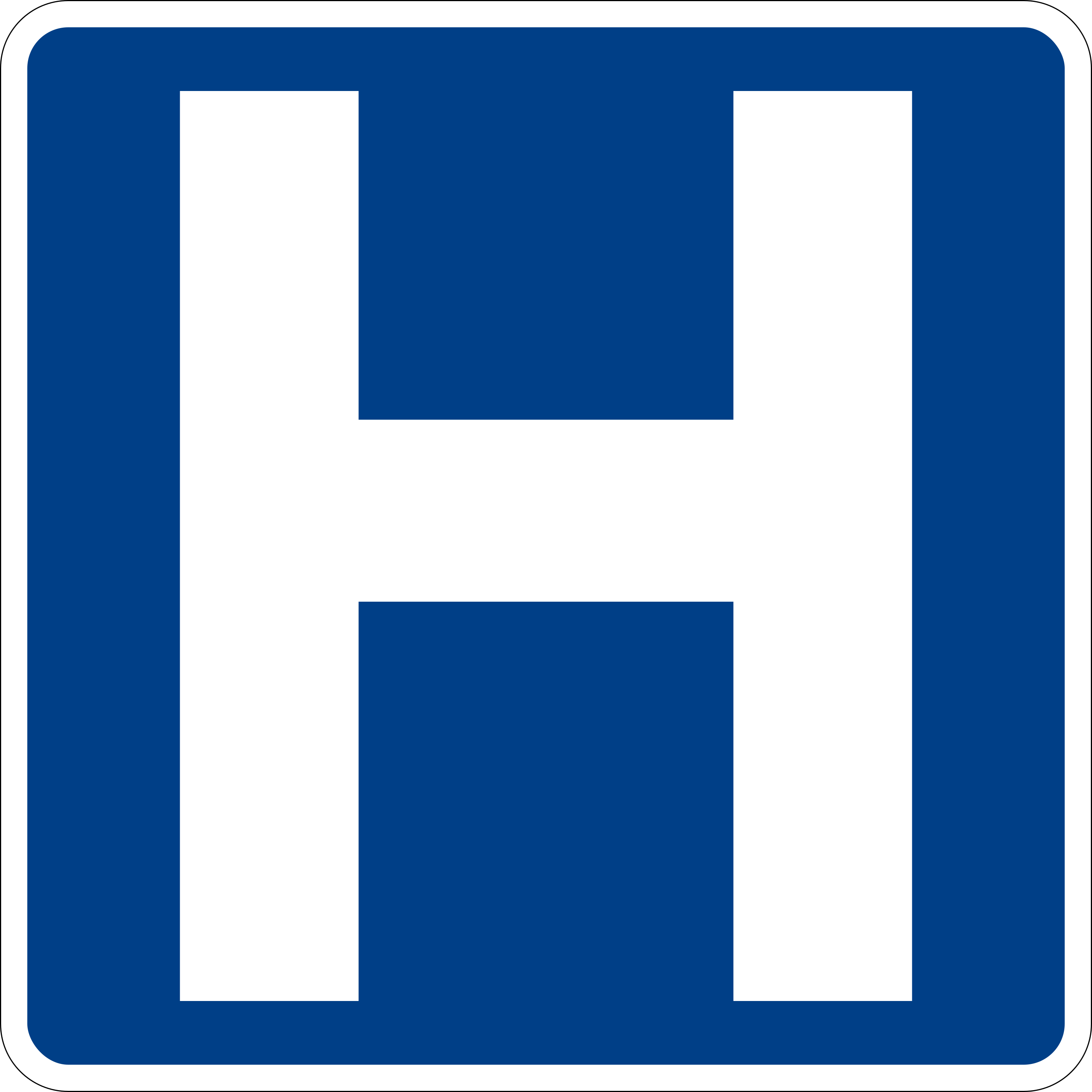
Hospital
3 questions from the New Jersey practice test
1. What does New Jersey’s red octagonal sign require?
- YIELD
- Do not enter
- Keep right around an obstruction
- STOP
Show answer
STOP. The red octagon is reserved for a STOP sign. Its shape and color identify a required stop, unlike the inverted triangle used for YIELD. A square with a red circle and white band identifies DO NOT ENTER, so that choice describes a different design. Keeping right around an obstruction is a different instruction that no octagon gives. When studying signs, connect the eight-sided red outline with stopping, then proceeding only when the way is safe.
2. A red-bordered inverted triangle in New Jersey identifies which instruction?
- YIELD
- STOP
- No passing
- Railroad crossing ahead
Show answer
YIELD. The inverted triangle is the distinctive shape assigned to a YIELD sign. Its red wording and border tell the driver to give right-of-way as required, rather than make the complete stop associated with the red octagon. A yellow pennant warns of a no-passing area, and the round yellow sign warns of a railroad crossing ahead. The useful recognition cue is the triangle pointing downward, with a white center and red border.
3. What does a cross buck sign require a New Jersey driver to do?
- Stop only when a gate is lowered
- Yield the right-of-way to trains
- Pass the tracks without checking both directions
- Treat the sign as permission to cross anywhere
Show answer
Yield the right-of-way to trains. The cross buck is an X-shaped railroad crossing sign, and the manual says it means the same as a Yield sign. A driver must give trains the right-of-way because trains cannot swerve to avoid a vehicle. Waiting for a lowered gate misses the point, because the crossbuck itself already requires yielding to any train, and crossing without checking ignores the hazard. The sign does not authorize crossing away from a marked location. Slow, look, and proceed only when the crossing is clear.
Practice this topic
Lock it in with road signs questions from the free New Jersey practice test. Every answer comes with a plain English explanation.
Source: the New Jersey Driver Manual, Chapter 11: Appendix, Driver Safety. This lesson is a plain English summary, not the law itself; where it differs, the manual and the statute govern. Last checked 2026-10-12.