
Key points
Most warning signs are yellow. Pedestrian, bicycle and school signs may be yellow or fluorescent yellow green.
Source: Handbook p. 59
“Most warning signs are yellow. Pedestrian or bicycle crossing signs and school zone signs may be yellow or fluorescent yellow-green.”
Minnesota Driver's Manual, Handbook p. 59Pentagon shaped school zone signs mean a school or school crosswalk is ahead. Watch for children.
Source: Handbook p. 60
“pentagon-shaped warning signs indicate that a school or an approved school crosswalk is ahead. Watch for children and be prepared to stop.”
Minnesota Driver's Manual, Handbook p. 60The pennant sign on the left side of a two way highway warns of the start of a no passing zone.
Source: Handbook p. 60
“This sign is on the left side of a two-way highway. It warns of the beginning of a no passing zone.”
Minnesota Driver's Manual, Handbook p. 60The slow moving vehicle emblem is required on vehicles traveling 30 mph or less.
Source: Handbook p. 61
“This emblem must be displayed on all vehicles that travel at speeds of 30 mph or less”
Minnesota Driver's Manual, Handbook p. 61Lane Ends: right lane vehicles must merge into the left lane and yield.
Source: Handbook p. 63
“In this example, vehicles in the right lane must merge into left-lane traffic. Right-lane vehicles must yield.”
Minnesota Driver's Manual, Handbook p. 63Orange signs mark construction and work zones. Slow down when you see one.
Source: Handbook p. 64
“Orange signs with black letters are used in construction and work zones. Slow down when you see an orange sign.”
Minnesota Driver's Manual, Handbook p. 64Blue signs direct you to services such as gas, food, motels, hospitals and rest areas.
Source: Handbook p. 65
“Blue signs direct you to services such as telephones, gas, food, motels, hospitals and rest areas.”
Minnesota Driver's Manual, Handbook p. 65
Numbers to know
| Number | What it means | Manual |
|---|---|---|
| 30 mph | vehicles this slow must display the slow moving vehicle emblem | Handbook p. 61 |
Recognize these signs

School zone 
Pedestrian crossing 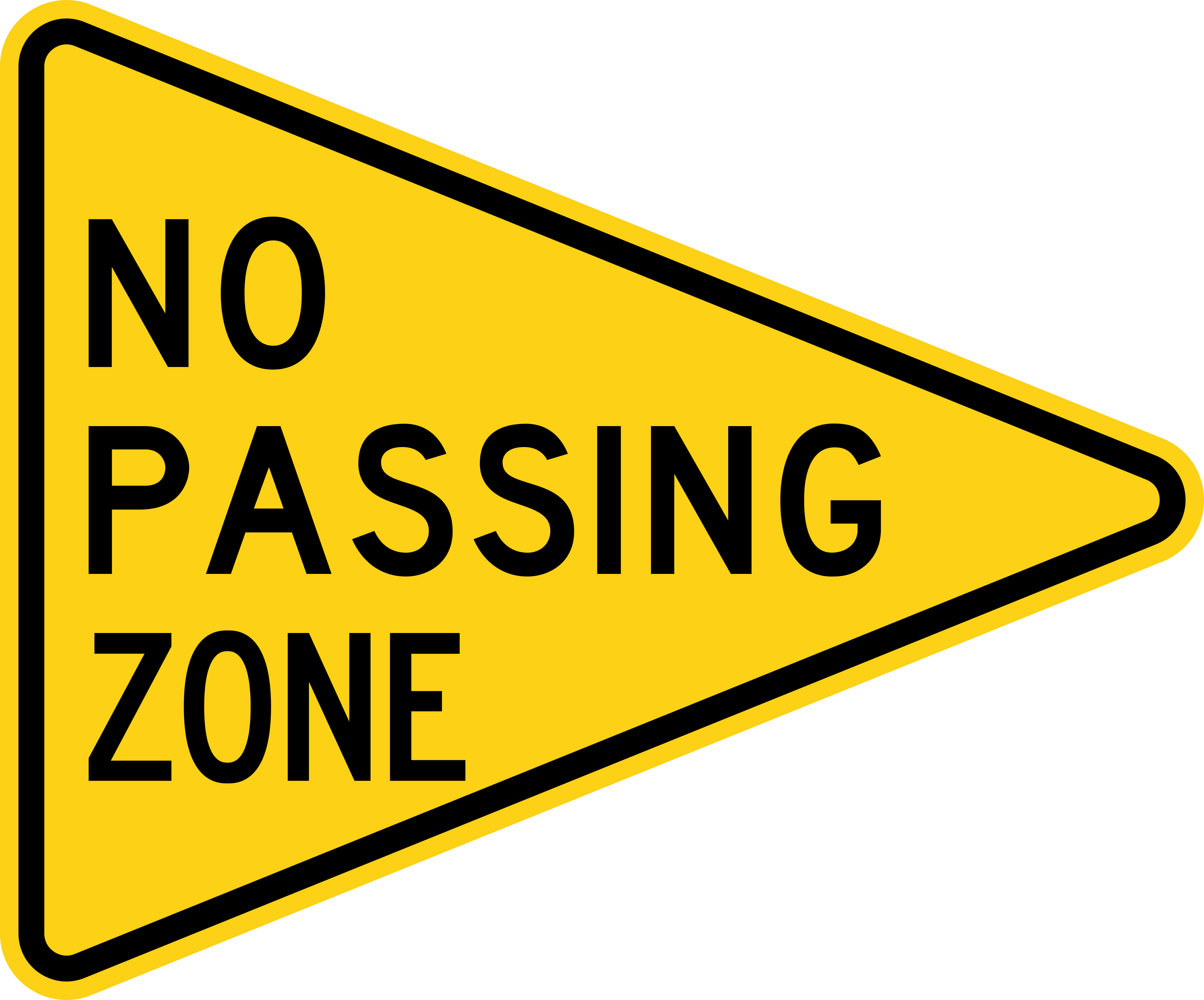
No passing zone 
Slow moving vehicle 
Lane ends 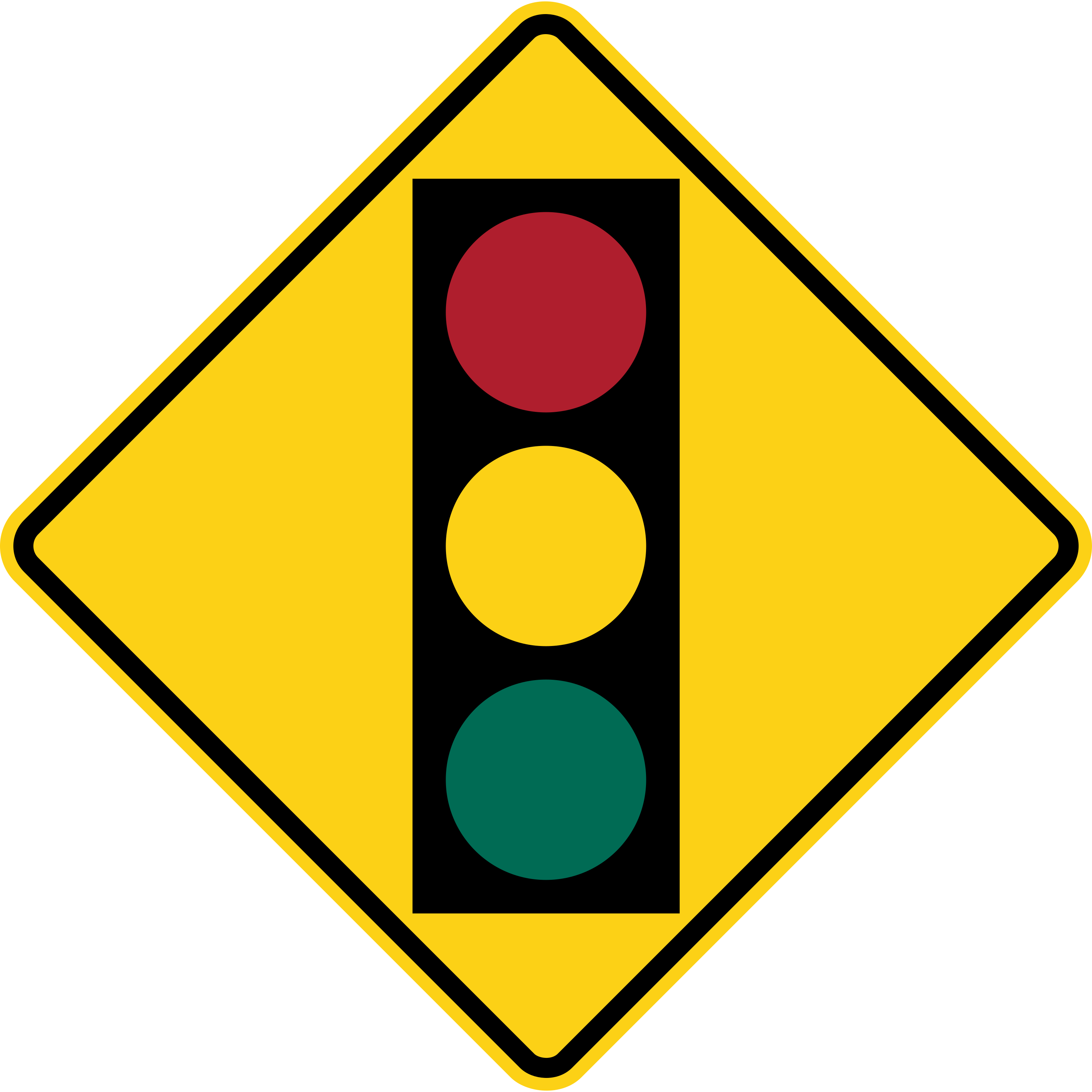
Traffic signal ahead 
Road work ahead
3 questions from the Minnesota practice test
1. What information do most yellow warning signs provide?
- The name of the next county road
- A legal speed limit that applies only to commercial vehicles
- The location of a fuel or lodging service
- A possible hazard ahead
Show answer
A possible hazard ahead. Warning signs alert drivers to possible hazards ahead, and most of them are yellow. Their purpose is to prompt recognition and a timely response, such as reducing speed or preparing for a change in the road. A speed limit is a regulatory message, while fuel and lodging services use motorist service signs. A county road name is route or guidance information. The practical cue is the yellow diamond: expect something about the roadway or traffic pattern to require attention, then adjust early instead of waiting until the hazard is immediately alongside the vehicle.
2. What does a Minnesota School Zone sign indicate?
- A school or approved school crosswalk is ahead, so watch for children
- A school bus may be passed without checking traffic
- A pedestrian signal will stay green for all drivers
- The road becomes a no-passing zone in every direction
Show answer
A school or approved school crosswalk is ahead, so watch for children. A School Zone warning sign tells drivers that a school or approved school crosswalk is ahead. It also calls attention to children and the need to be prepared to stop. The sign does not permit passing a bus, guarantee a favorable signal, or create a universal no-passing rule. Reduce speed as appropriate, scan sidewalks and the crossing, and expect a child to enter the roadway unexpectedly. The pentagon shape and yellow or fluorescent yellow-green color can help with recognition, while the warning message guides the immediate driving response.
3. What does an orange traffic sign usually indicate in Minnesota?
- A recreational site or cultural attraction
- A construction or work zone condition
- A mandatory stop at a railroad crossing
- A route to food, fuel, or lodging
Show answer
A construction or work zone condition. Orange signs identify construction and work zone warnings. They can signal restricted lanes, detours, or other road work hazards, so drivers should slow down and follow the changed path. Brown signs point toward historic, cultural, or recreational locations, while blue signs describe motorist services. A railroad stop requirement is not the general meaning of orange. Watch for cones, drums, barriers, workers, and people giving directions near the orange sign. The sign color is an immediate cue that normal lane patterns or speeds may not continue through the area.
Practice this topic
Lock it in with road signs questions from the free Minnesota practice test. Every answer comes with a plain English explanation.
Source: the Minnesota Driver's Manual, Chapter 5: Signs, signals and pavement markings. This lesson is a plain English summary, not the law itself; where it differs, the manual and the statute govern. Last checked 2026-09-27.