
Key points
Sign shapes and colors are coded to give you a general idea of the meaning before you can read the sign.
Source: Handbook p. 56
“The shapes and colors of signs are coded to give you a general idea of what the sign means, even before you can read it up close.”
Minnesota Driver's Manual, Handbook p. 56Red prohibits and commands, white regulates, and yellow warns.
Source: Handbook p. 56
“Red: Prohibits and commands White: Regulates Warning Yellow: Warns”
Minnesota Driver's Manual, Handbook p. 56Regulatory signs direct you to follow traffic laws. Disobeying them can bring a citation and fine.
Source: Handbook p. 57
“Regulatory signs direct drivers to follow certain traffic laws. You must obey these signs to drive safely and lawfully.”
Minnesota Driver's Manual, Handbook p. 57At a stop sign, stop completely and stay stopped until pedestrians and vehicles with the right of way clear.
Source: Handbook p. 57
“Come to a complete stop. Remain stopped until pedestrians and vehicles with the right of way have cleared the intersection.”
Minnesota Driver's Manual, Handbook p. 57At a yield sign, slow down or stop and give the right of way to all other vehicles and pedestrians.
Source: Handbook p. 57
“Slow down or stop if necessary. Give the right of way to all other vehicles and pedestrians.”
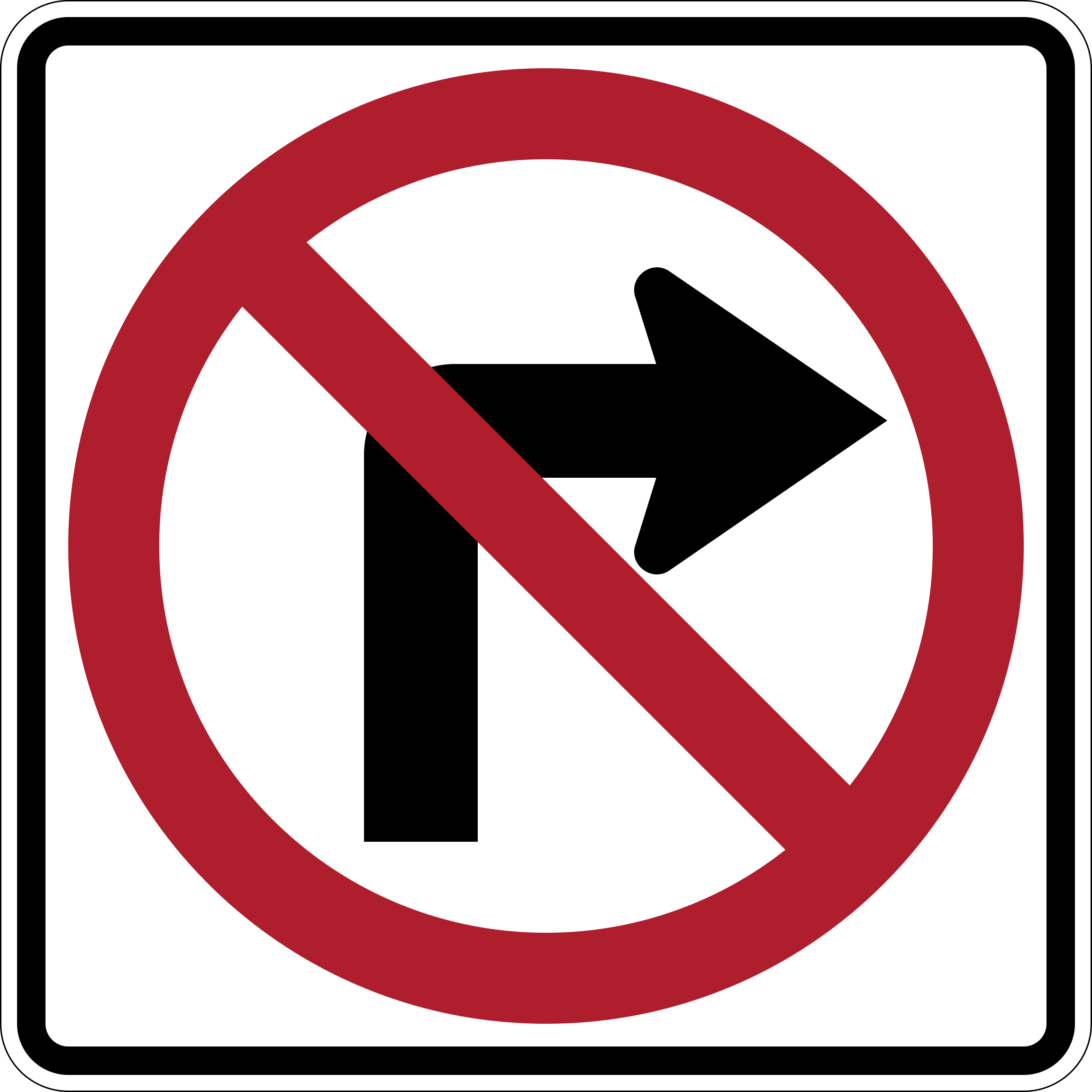
Minnesota Driver's Manual, Handbook p. 57A red circle with a slash means do not take that action.
Source: Handbook p. 57
“A red circle with a red slash mark across a symbol indicates that you should not take a certain course of action.”
Minnesota Driver's Manual, Handbook p. 57Wrong Way means you have entered a lane of oncoming traffic.
Source: Handbook p. 57
“You have entered a lane of oncoming traffic. You are traveling in the wrong direction.”
Minnesota Driver's Manual, Handbook p. 57A diamond symbol marks a lane reserved for specific uses, such as carpools, buses or bicycles.
Source: Handbook p. 59
“The diamond symbol indicates that the traffic lane is reserved for specific use or certain types of vehicles.”
Minnesota Driver's Manual, Handbook p. 59
Recognize these signs
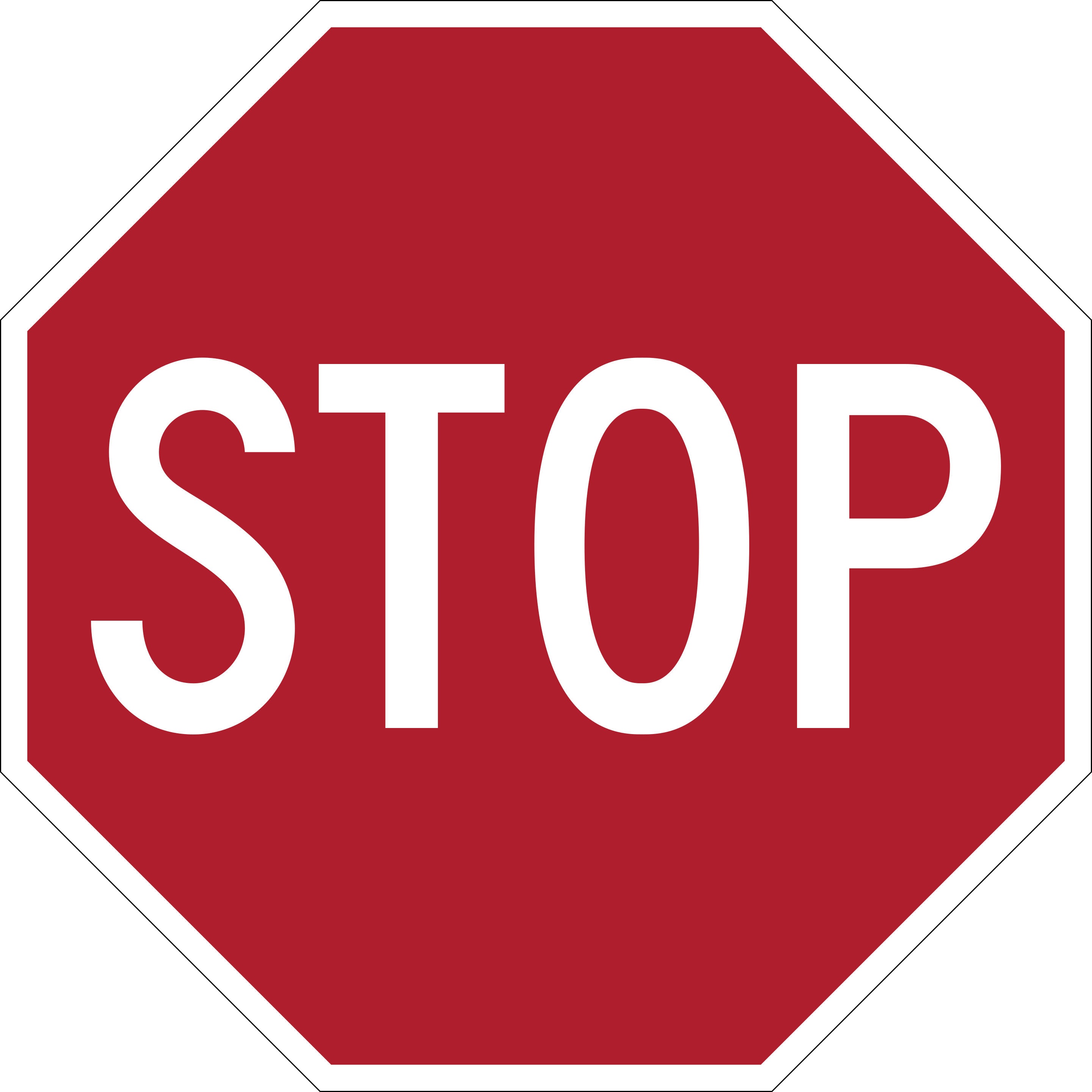
Stop 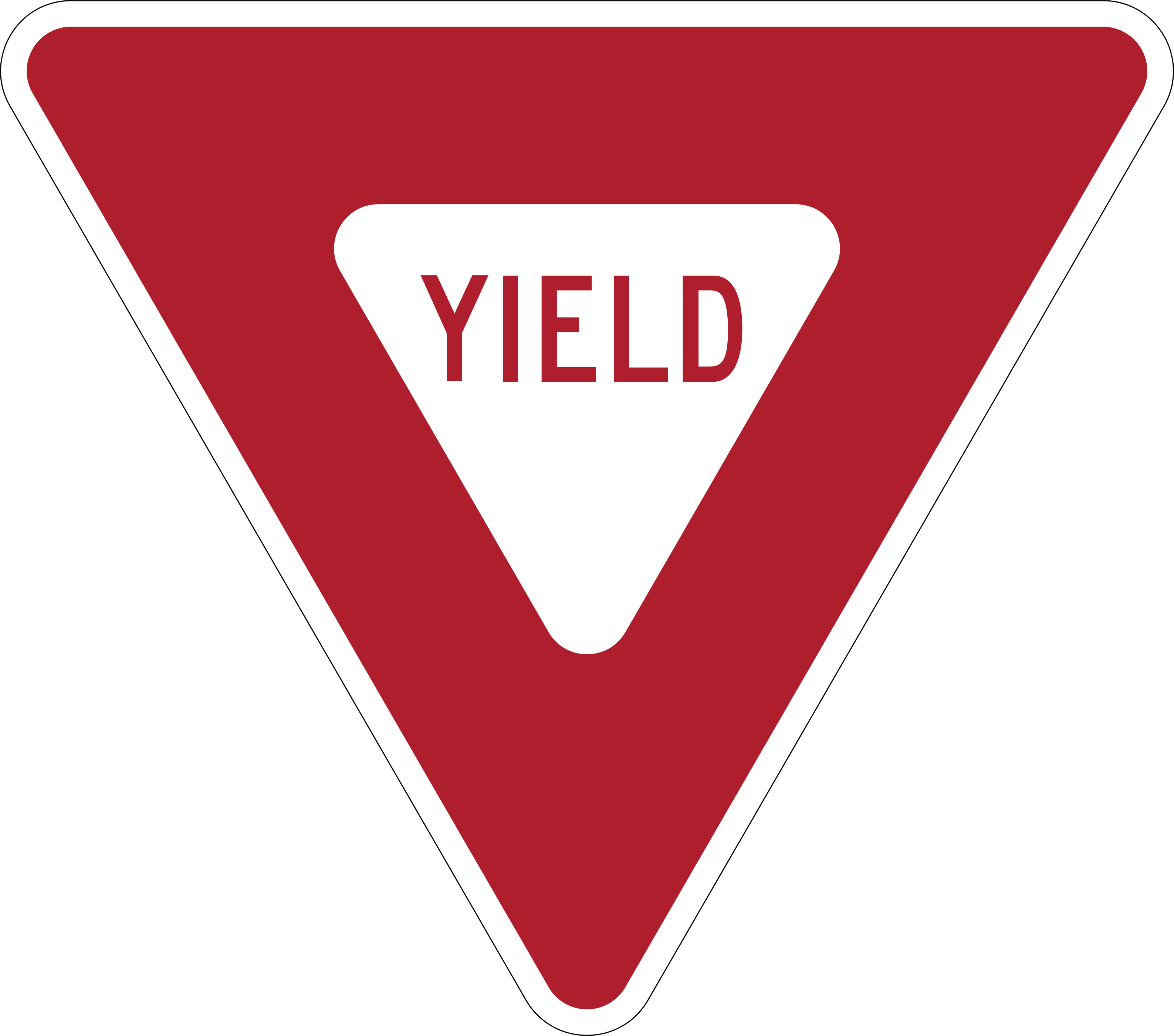
Yield 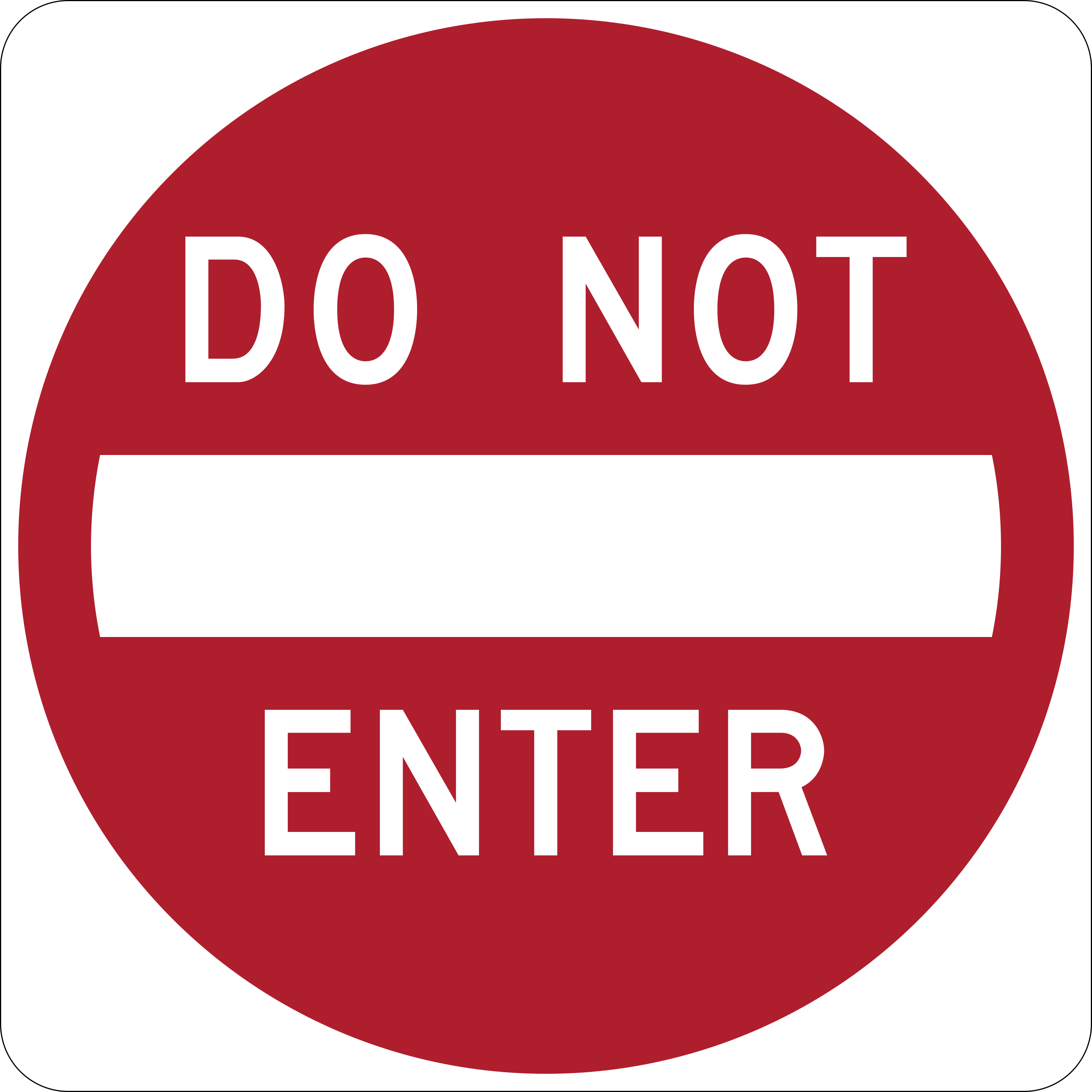
Do not enter 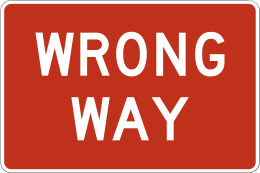
Wrong way 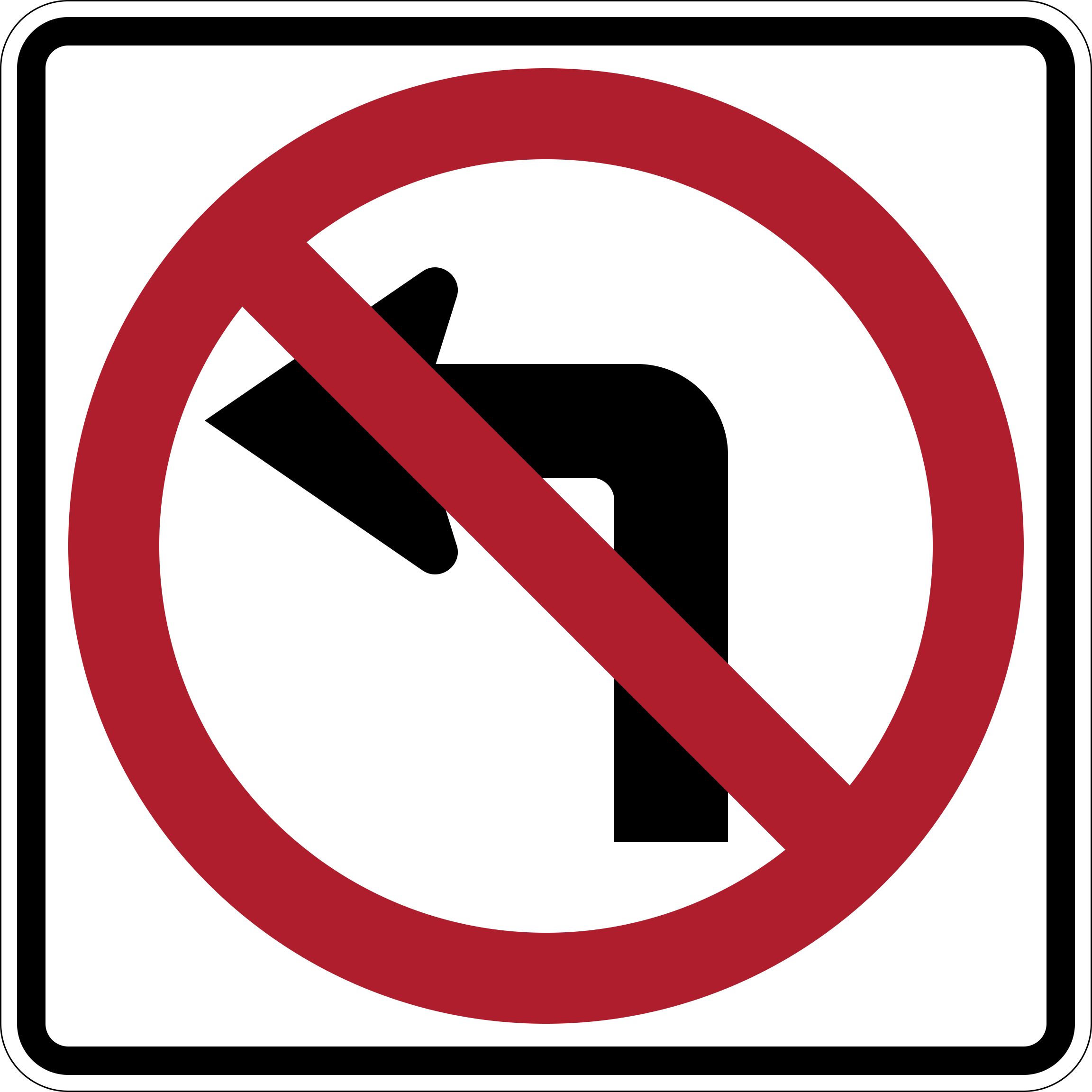
No left turn 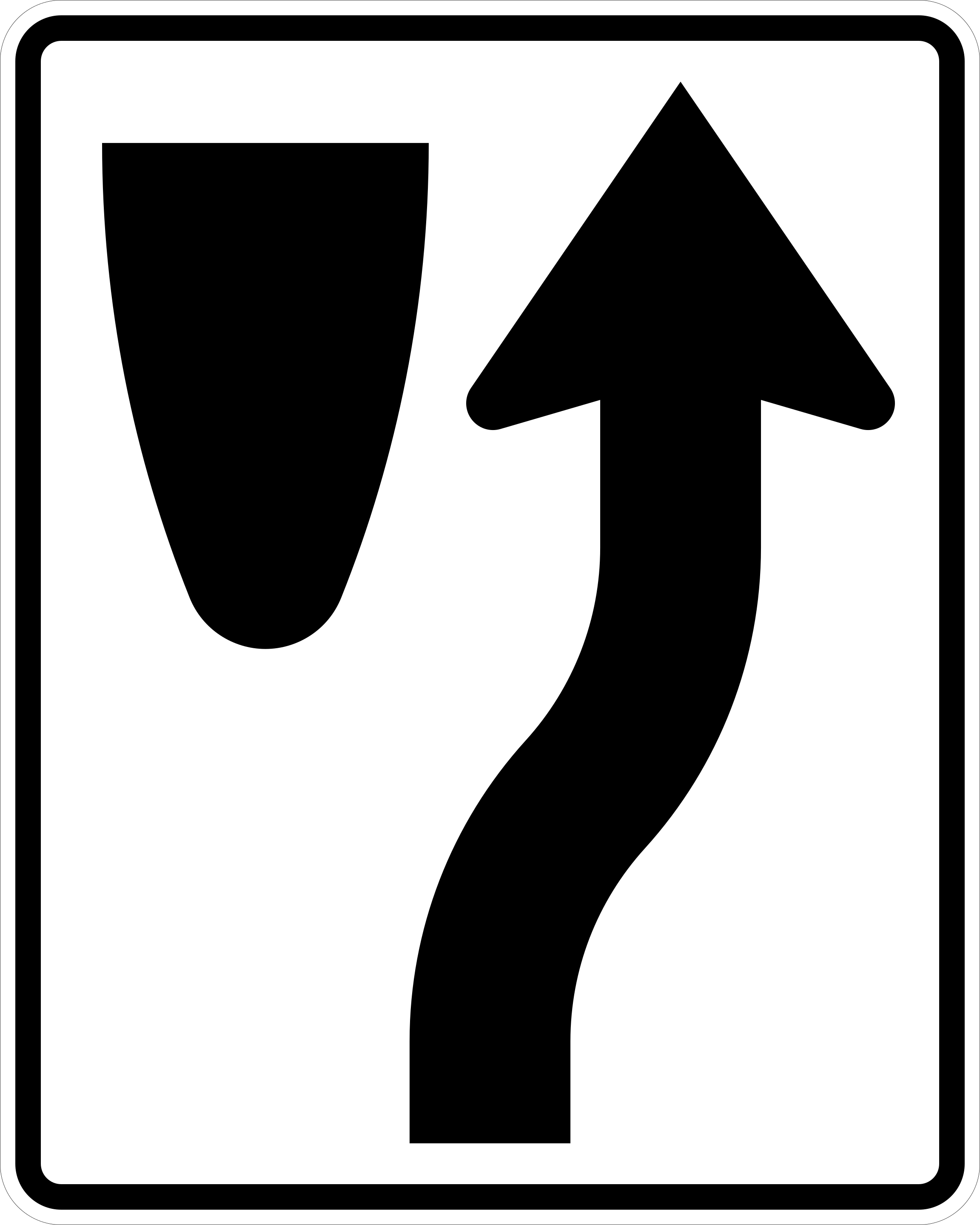
Keep right
3 questions from the Minnesota practice test
1. Which kind of sign is shown, and what must a driver do with it?
- A brown recreation sign that marks a park
- A green guide sign that is optional
- A regulatory sign that must be obeyed
- An orange construction sign that applies only to trucks
Show answer
A regulatory sign that must be obeyed. The pictured movement restriction is a regulatory instruction. Minnesota describes regulatory signs as directions tied to traffic laws, so a driver must obey the prohibition even when traffic is light or the maneuver looks harmless. The green choice confuses guidance with a legal command, brown signs point to historic or recreational locations, and orange signs manage construction areas. Before turning, scan for a red restriction symbol and compare it with the movement you intend to make. If the symbol covers that movement, choose another legal path.
2. At a stop sign, how long must you remain stopped before proceeding?
- Until pedestrians and vehicles with the right of way have cleared the intersection
- Only until your vehicle’s front wheels reach the crosswalk
- Until the driver behind you honks
- Only long enough to check traffic on the left
Show answer
Until pedestrians and vehicles with the right of way have cleared the intersection. A stop sign requires a complete stop and continued waiting until road users with the right of way have cleared. If there is a marked stop line, stop before it, and if there is a pedestrian crosswalk, stop before entering it. The choice about reaching the crosswalk reverses the safety boundary, while a horn from behind has no legal effect. Look in every relevant direction and yield before moving. The cue is stop before the line or crosswalk, wait for priority users to clear, then proceed with caution.
3. What does a red circle with a red slash across a symbol indicate?
- The symbol marks a route to a public facility
- You may take the action after stopping twice
- The pictured action is required during construction
- You should not take the pictured course of action
Show answer
You should not take the pictured course of action. The manual uses a red circle with a red slash to show that the pictured course of action should not be taken. That instruction applies to the movement represented by the symbol, such as a prohibited turn, rather than to every possible movement at the intersection. Stopping twice does not cancel a prohibition, construction does not turn the symbol into a requirement, and the sign is not a route marker. Identify the crossed-out symbol, then choose a legal movement that is allowed by the signal, lane markings, and other signs. The cue is slash means do not take the pictured action.
Practice this topic
Lock it in with road signs questions from the free Minnesota practice test. Every answer comes with a plain English explanation.
Source: the Minnesota Driver's Manual, Chapter 5: Signs, signals and pavement markings. This lesson is a plain English summary, not the law itself; where it differs, the manual and the statute govern. Last checked 2026-09-27.