
Key points
Regulatory signs are white with black, red or green letters or symbols and state laws you must obey.
Source: Handbook p. 35
“white with black, red, or green letters and/or symbols. These signs talk about specific laws that you must obey”
South Dakota Driver License Manual, Handbook p. 35A red circle with a red slash over a symbol prohibits that action.
Source: Handbook p. 35
“Some regulatory signs have a red circle with a red slash over a symbol, which prohibits certain actions.”
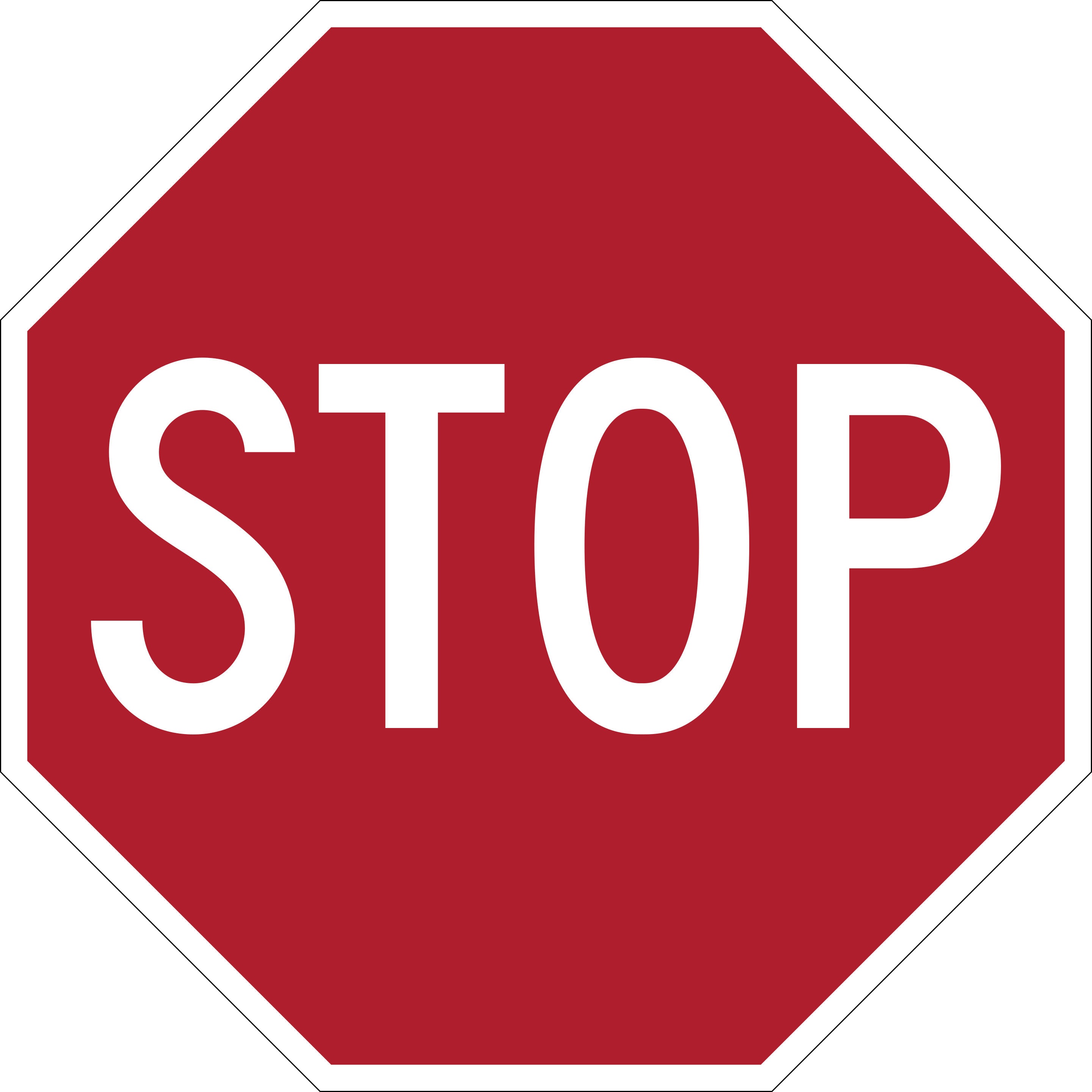
South Dakota Driver License Manual, Handbook p. 35The stop sign has 8 sides. Stop behind the stop line or crosswalk, or before the sign.
Source: Handbook p. 35
“A stop sign has eight sides and is red with white letters. You must stop behind the stop line or crosswalk, if one is present, or before the stop sign itself.”
South Dakota Driver License Manual, Handbook p. 35A yield sign is a red and white downward triangle: slow down and yield.
Source: Handbook p. 35
“A yield sign is a red and white downward-pointing triangle with red letters. It means you must slow down and yield the right-of-way”
South Dakota Driver License Manual, Handbook p. 35Speed limit signs are black and white and show the maximum or minimum speed.
Source: Handbook p. 35
“These signs are black and white, and they indicate the maximum safe speed allowed or the minimum safe speed required.”
South Dakota Driver License Manual, Handbook p. 35If a posted minimum speed is too fast for you, use another road.
Source: Handbook p. 35
“If the minimum posted speed is too fast for you, you should use another road.”
South Dakota Driver License Manual, Handbook p. 35Never drive the wrong way on a one way street.
Source: Handbook p. 35
“Never drive the wrong way on a one-way street.”
South Dakota Driver License Manual, Handbook p. 35Service signs are blue with white letters or symbols.
Source: Handbook p. 36
“These signs are square or rectangular shaped and are blue with white letters or symbols. They show the location of various services such as rest areas, gas stations, campgrounds, or hospitals.”
South Dakota Driver License Manual, Handbook p. 36
Numbers to know
| Number | What it means | Manual |
|---|---|---|
| 8 sides | stop sign | Handbook p. 35 |
Recognize these signs
Stop 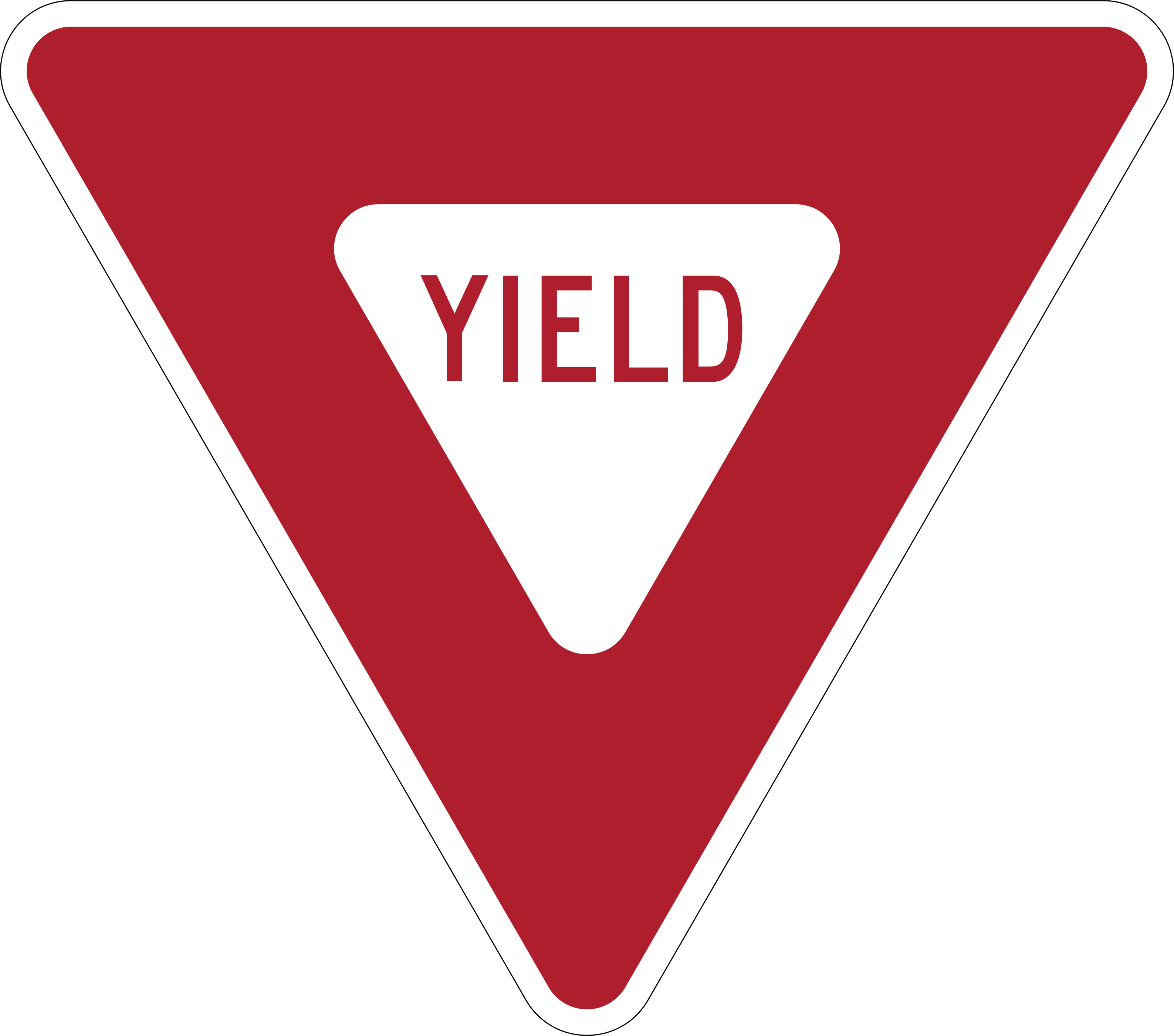
Yield 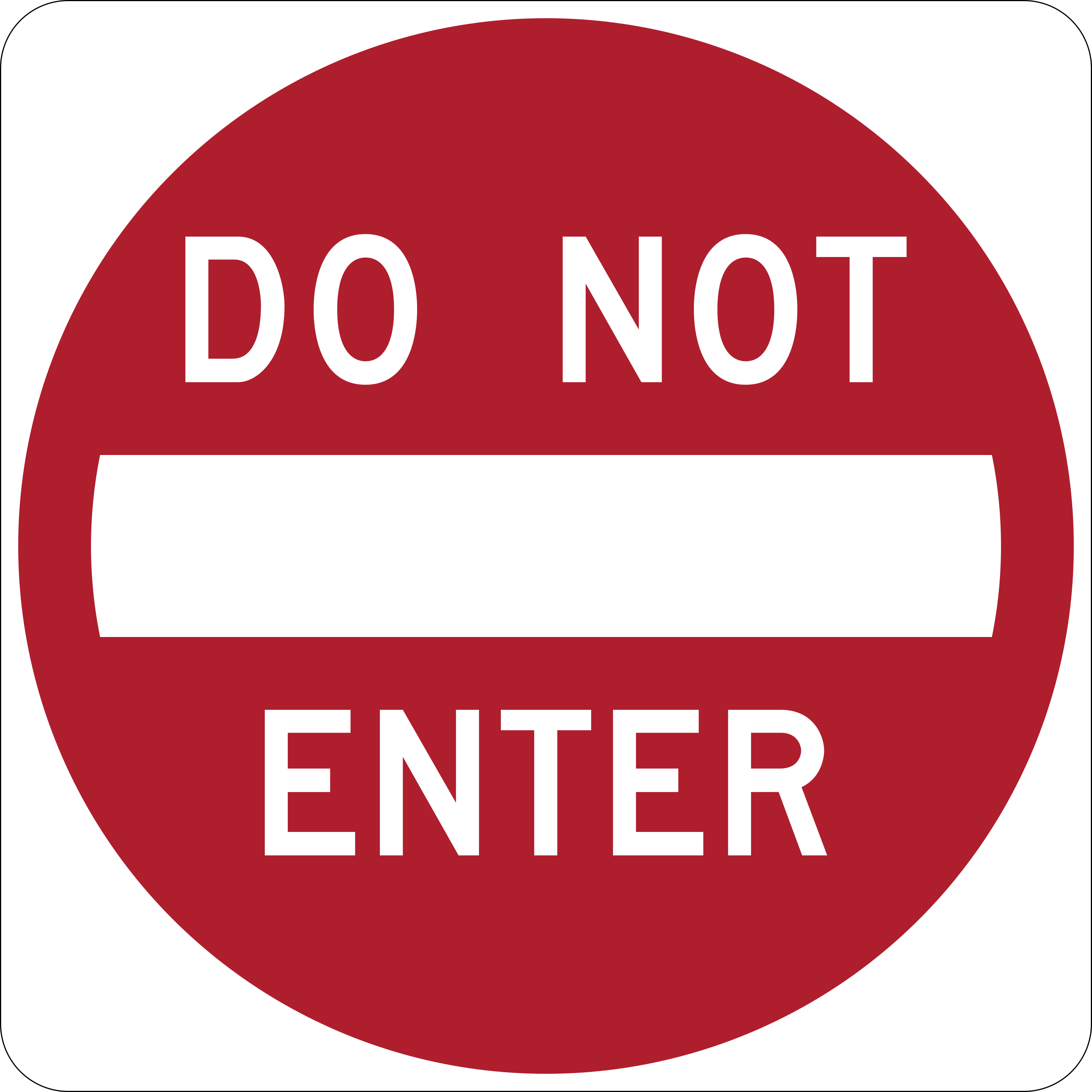
Do not enter 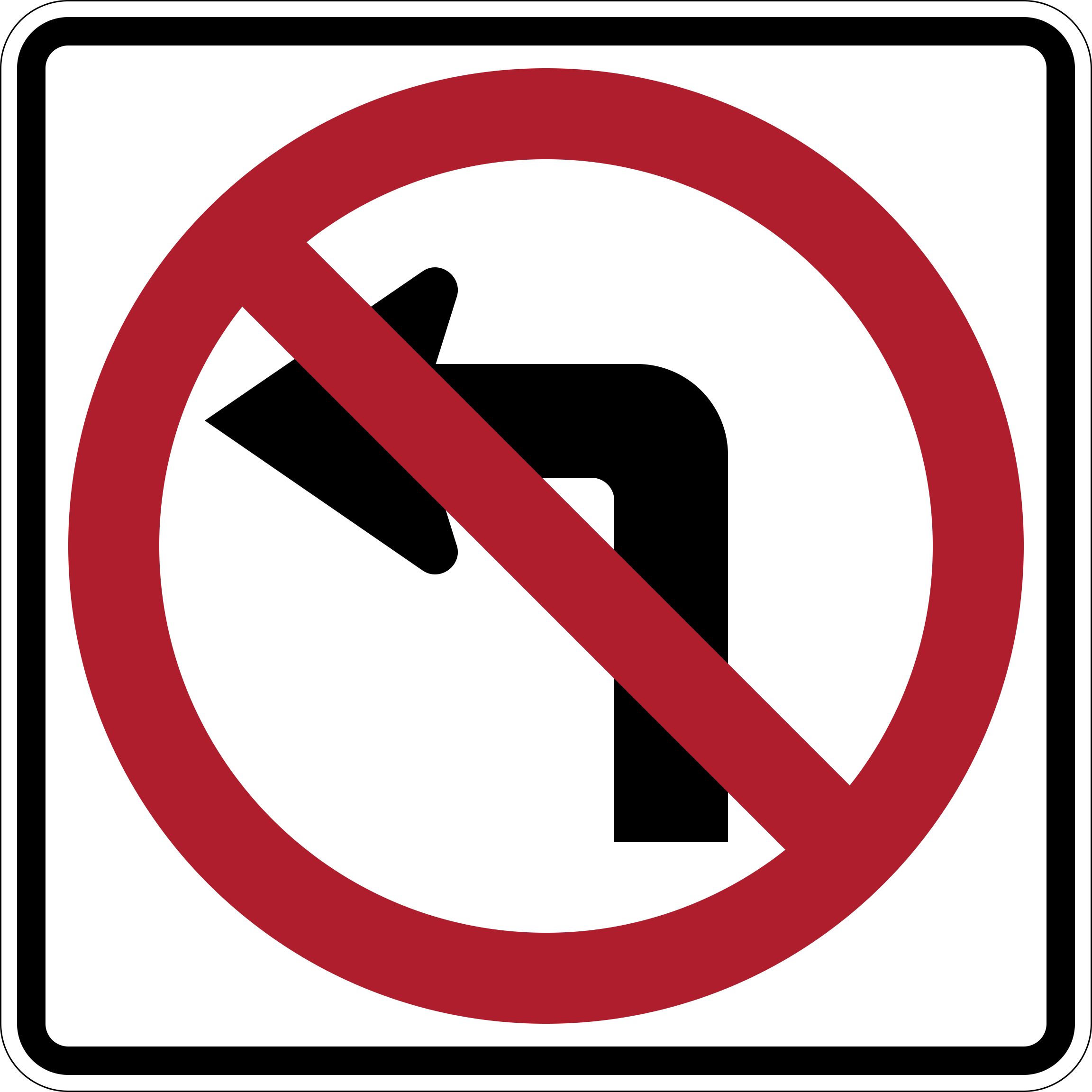
No left turn 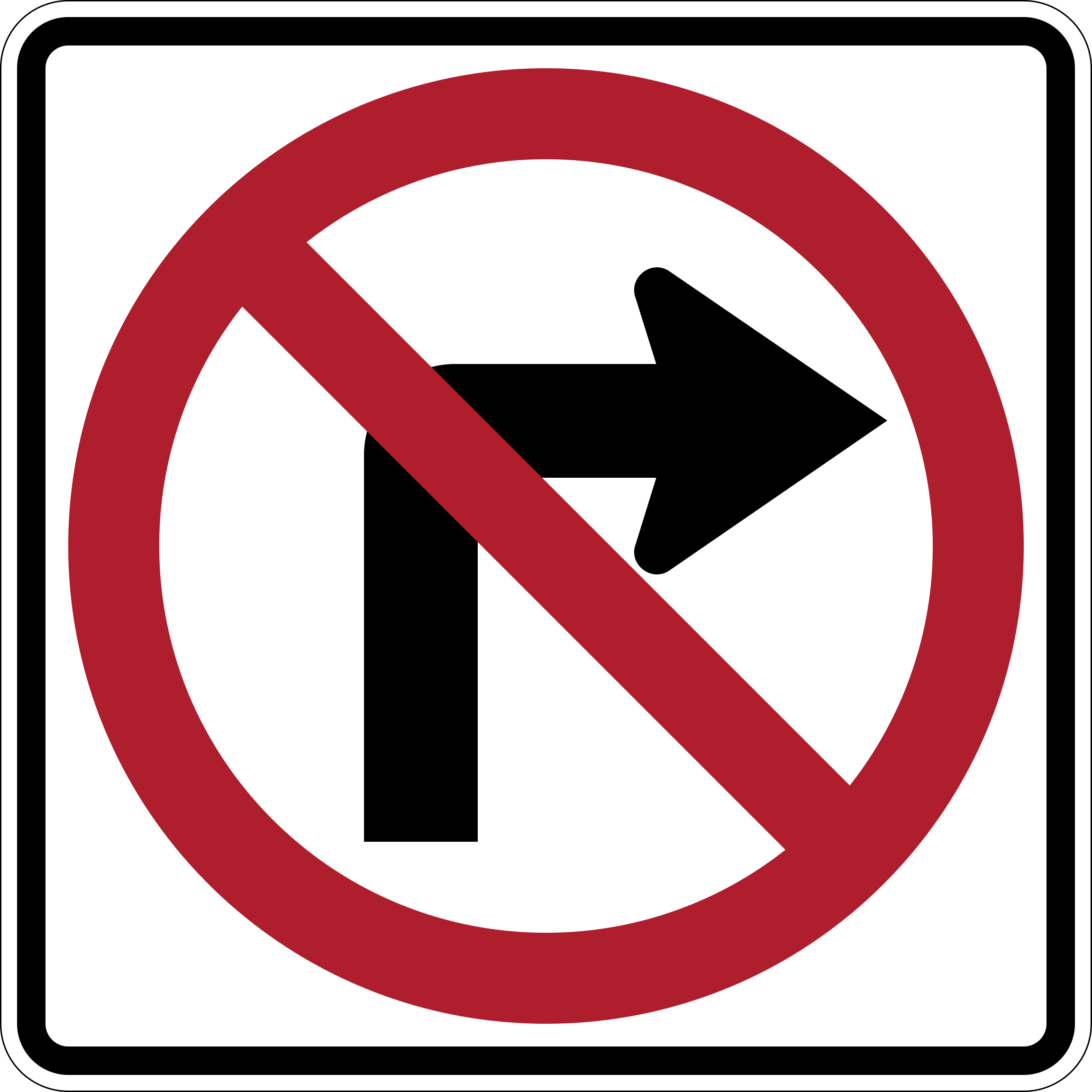
No right turn 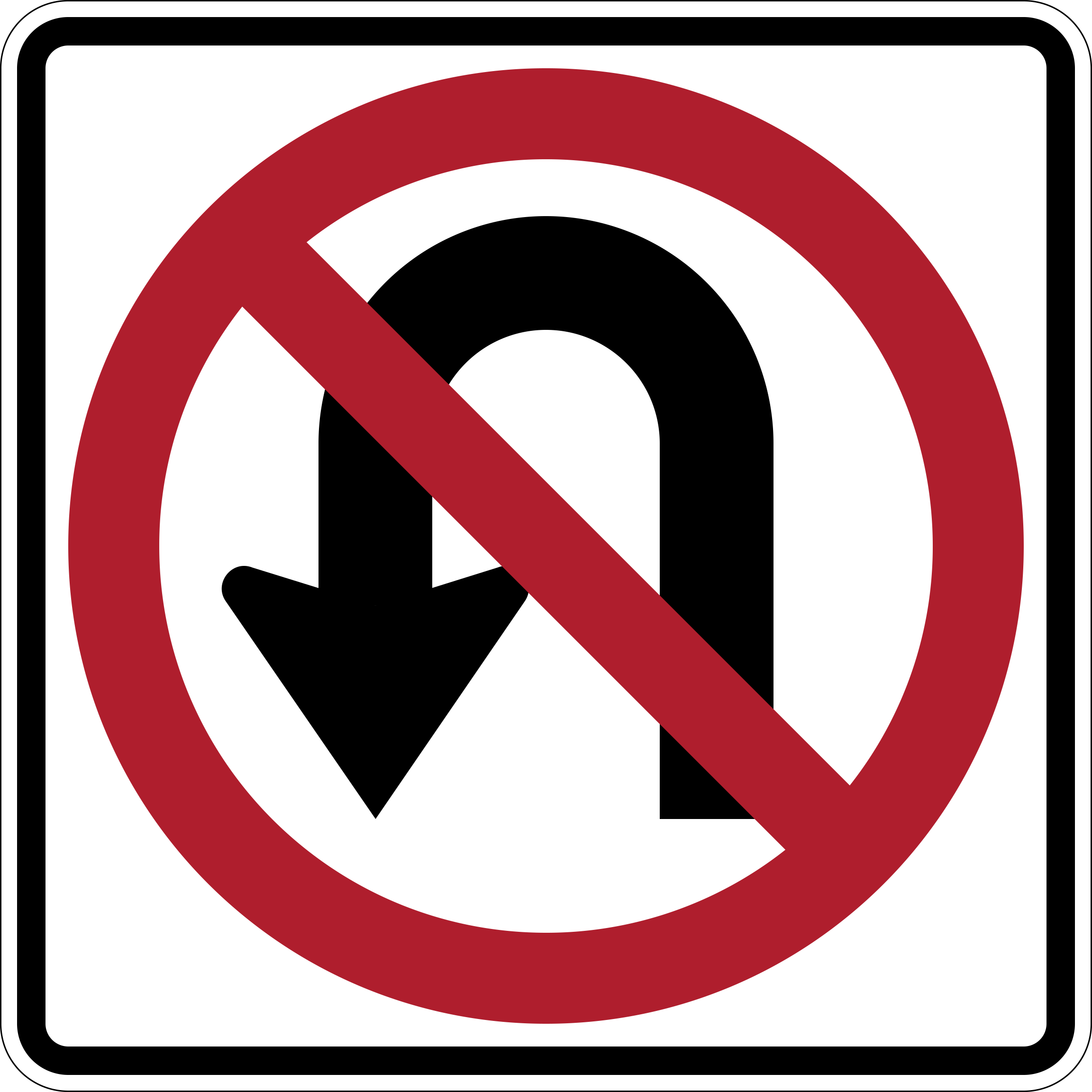
No U turn 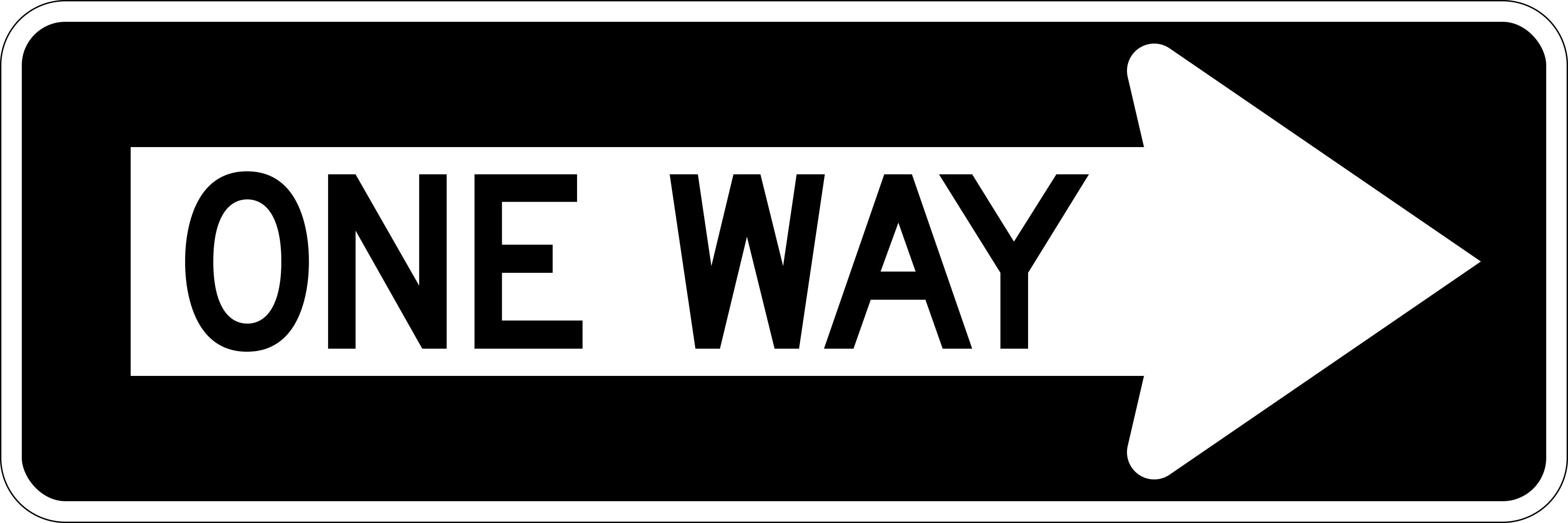
One way 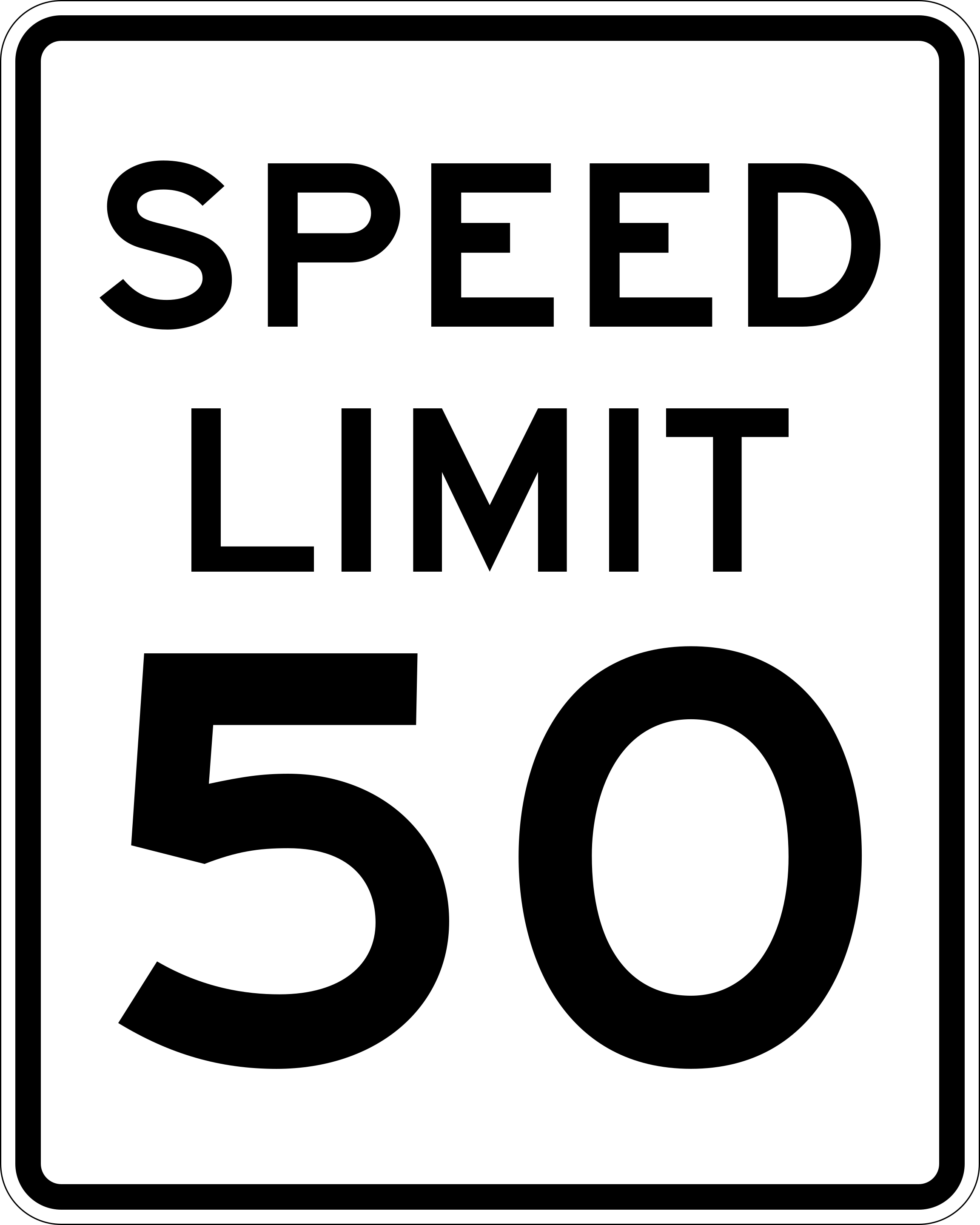
Speed limit 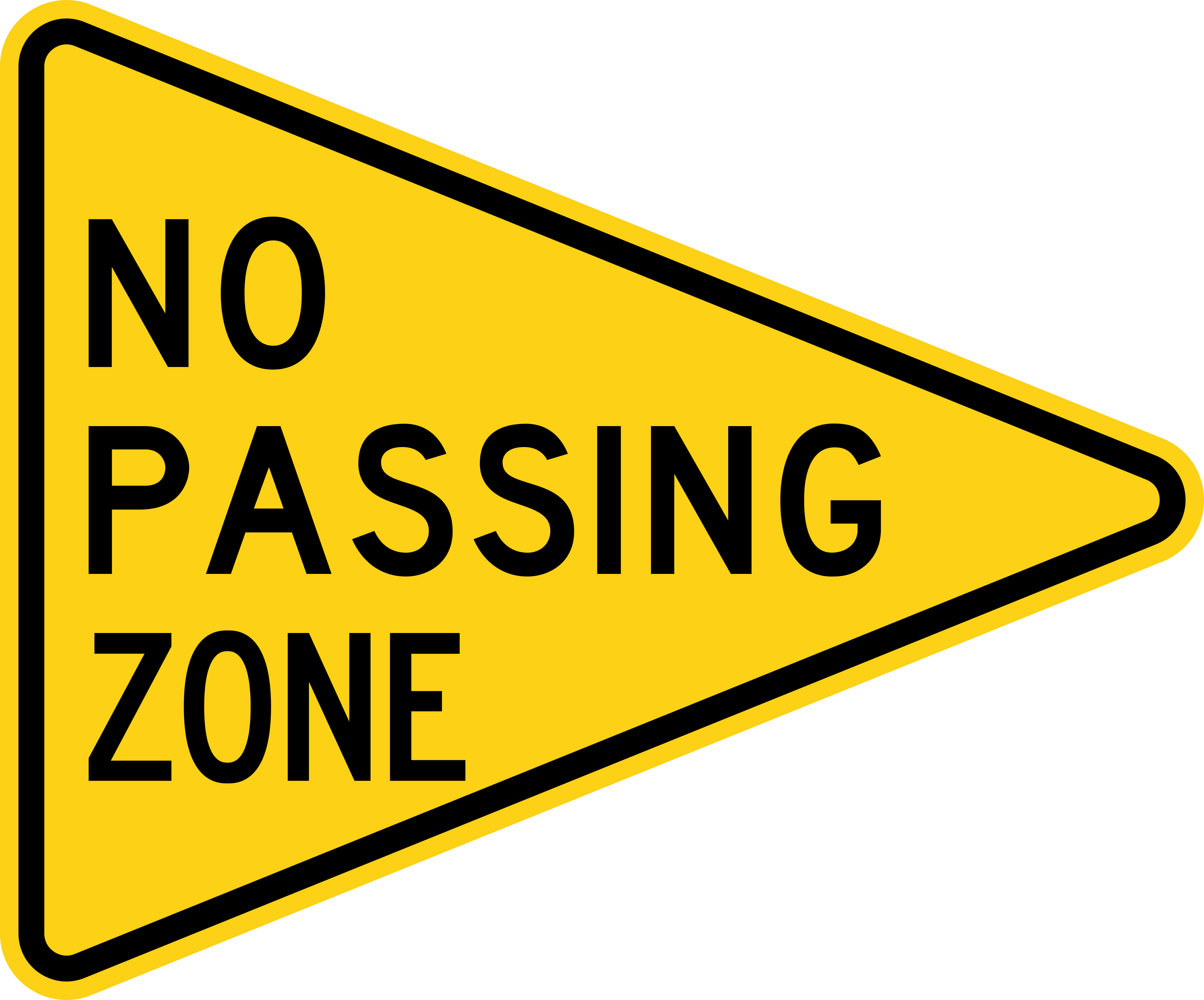
No passing zone
3 questions from the South Dakota practice test
1. What is the purpose of regulatory signs such as stop, yield, and turn-control signs?
- They point out scenic and service destinations
- They warn only of temporary work zones
- They state traffic laws drivers must obey
- They mark pavement edges during fog
Show answer
They state traffic laws drivers must obey. Regulatory signs tell drivers about specific laws, including traffic direction, lane use, turning, speed, parking, and other special situations. A service-destination answer belongs to guide or service signs, not regulatory signs. The cue is a white, red, black, or special-shaped command sign; read it as an enforceable instruction and adjust before reaching the intersection or lane control. Some regulatory signs use a red circle with a slash over a symbol to prohibit an action.
2. What does a yield sign tell a South Dakota driver to do?
- Slow down and give right of way to traffic in or entering the conflict area
- Stop every time before the sign
- Proceed first if driving on the wider street
- Turn only in the direction shown by an arrow
Show answer
Slow down and give right of way to traffic in or entering the conflict area. A yield sign means slow down and be ready to let other traffic go first in the intersection or roadway you are entering. It differs from a stop sign, where the manual demands a stop behind the line or crosswalk; the yield duty is to slow and let others go first, stopping when they are in your way. The stop every time choice changes the control from yield to stop. The visual cue is the red and white downward triangle, which warns you to check gaps before entering.
3. What do blue service signs show?
- Places where passing is prohibited
- The maximum safe speed for ideal conditions
- Locations of services such as rest areas, gas stations, campgrounds, or hospitals
- A railroad crossing with more than one track
Show answer
Locations of services such as rest areas, gas stations, campgrounds, or hospitals. Blue service signs point drivers toward services such as rest areas, gas, camping, or hospitals. A maximum safe speed is posted on a speed limit sign, which is black and white. The cue is a blue square or rectangle with white letters or symbols for traveler services near an exit or roadway. These signs help with trip decisions, but they do not change right-of-way or speed obligations by themselves.
Practice this topic
Lock it in with road signs questions from the free South Dakota practice test. Every answer comes with a plain English explanation.
Source: the South Dakota Driver License Manual, Rules of the Road. This lesson is a plain English summary, not the law itself; where it differs, the manual and the statute govern. Last checked 2026-09-27.