
Key points
Some regulatory signs have a red circle with a red slash over a symbol, which prohibits that action.
Source: Handbook p. 22
“Some regulatory signs have a red circle with a red slash over a symbol, which prohibit certain actions.”
New Hampshire Driver's Manual, Handbook p. 22Black and white speed limit signs show the maximum legal speed in ideal conditions.
Source: Handbook p. 22
“Speed Limit Signs These black and white signs indicate the maximum legal speed allowed in ideal conditions.”
New Hampshire Driver's Manual, Handbook p. 22Guide signs are square or rectangular and green, brown or blue.
Source: Handbook p. 22
“These signs are square and rectangular and are green, brown, or blue.”
New Hampshire Driver's Manual, Handbook p. 22Even numbered interstates run west and east, odd numbered ones run north and south.
Source: Handbook p. 22
“Interstate routes are numbered by code. Even numbers are west/east routes and odd numbers are north/south routes.”
New Hampshire Driver's Manual, Handbook p. 22A three digit route with an even first number goes through or around a city; an odd first number leads into a city.
Source: Handbook p. 22
“Three numbered routes with an odd first number are routes into a city. Three numbered routes with an even first number go through or around a city.”
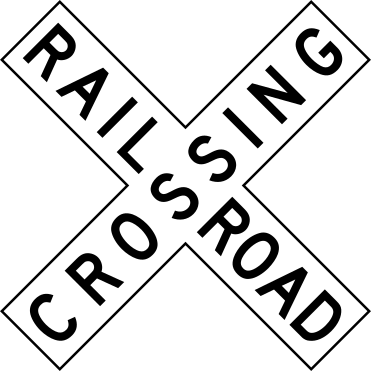
New Hampshire Driver's Manual, Handbook p. 22When a train approaches, stop behind the stop line or not less than 15 feet nor more than 50 feet from the nearest rail.
Source: Handbook p. 22
“a driver must stop behind the stop line or not less than 15 feet, nor more than 50 feet from the nearest rail of the track.”
New Hampshire Driver's Manual, Handbook p. 22Buses carrying passengers and trucks with flammable or hazardous material must stop before any railroad crossing.
Source: Handbook p. 22
“The law requires buses that carry passengers and trucks carrying flammable or hazardous material to stop before any railroad crossing, even if there is no sign of a train coming.”
New Hampshire Driver's Manual, Handbook p. 22In work zones, you must follow the instructions of a person directing traffic with a sign or flag.
Source: Handbook p. 23
“In work zones, traffic may be controlled by a person with a sign or flag to tell drivers which direction to travel, to slow down or stop. Drivers must follow their instructions.”
New Hampshire Driver's Manual, Handbook p. 23Fines may be doubled in a work zone when it is clearly marked.
Source: Handbook p. 23
“Fines may be doubled in a work zone; however, this will be clearly marked before entering the work zone.”
New Hampshire Driver's Manual, Handbook p. 23
Numbers to know
| Number | What it means | Manual |
|---|---|---|
| 15 to 50 feet | where to stop from the nearest rail when a train approaches | Handbook p. 22 |
Recognize these signs
Railroad crossbuck 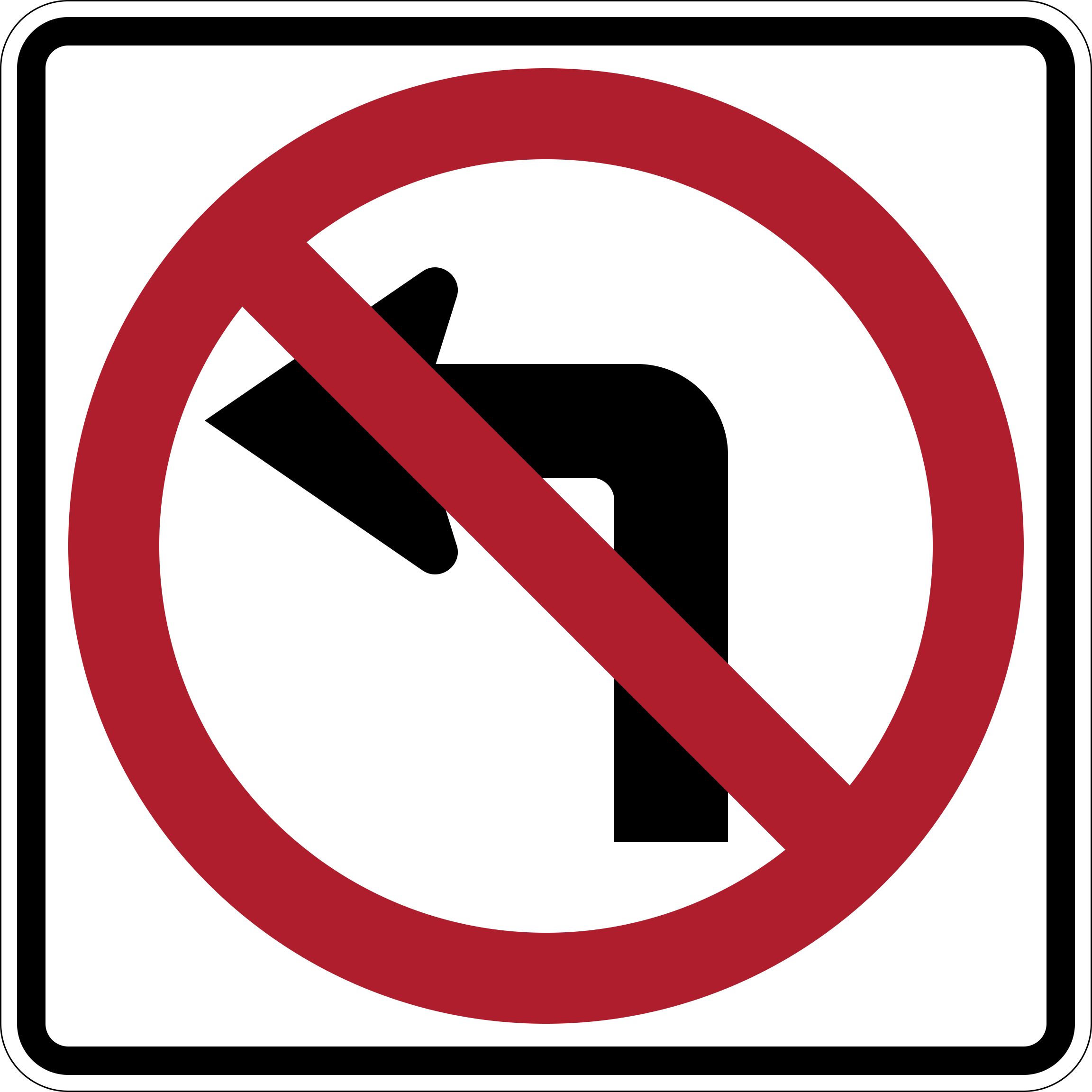
No left turn 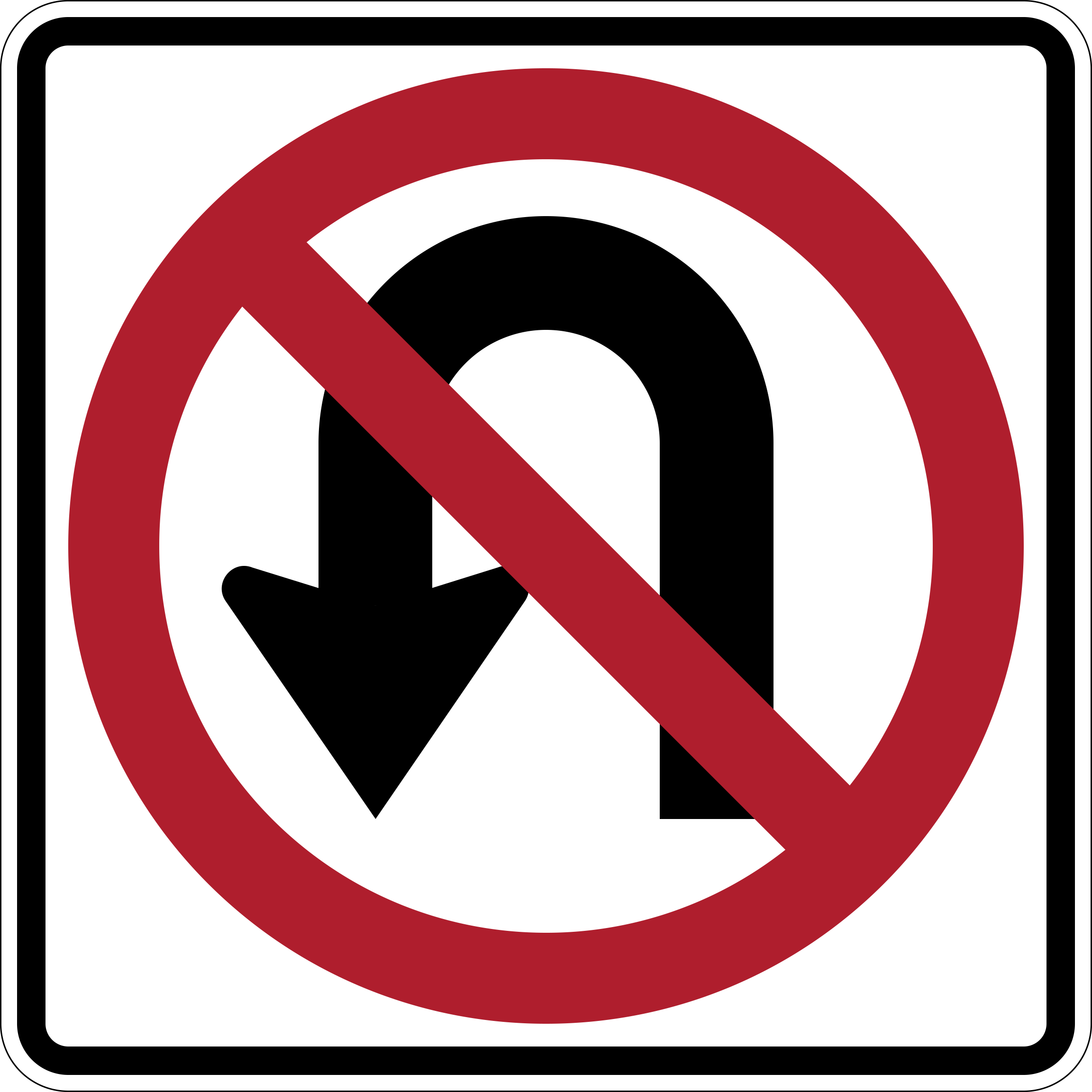
No U turn 
Do not enter 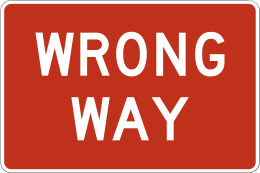
Wrong way 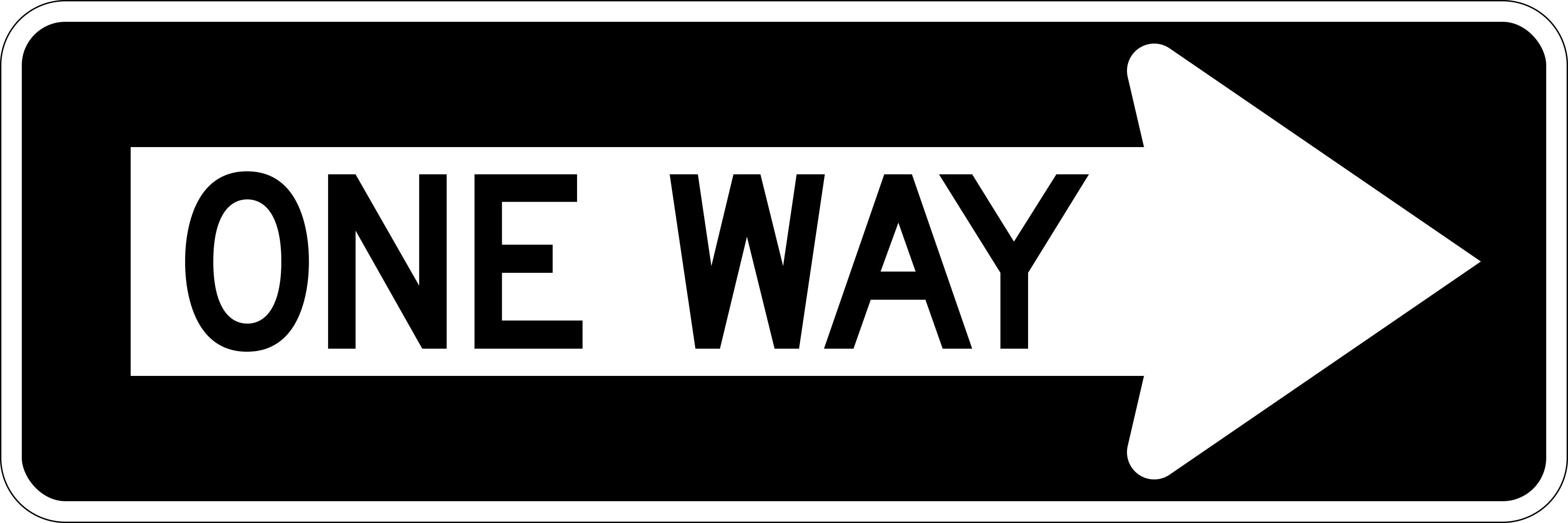
One way 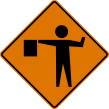
Flagger ahead 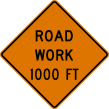
Road construction ahead 
Detour
3 questions from the New Hampshire practice test
1. What does a three-digit interstate route number with an even first digit indicate?
- A route into a city
- A scenic route
- A truck only route
- A route that goes through or around a city
Show answer
A route that goes through or around a city. Three numbered interstate routes carry their own code. Those with an odd first number are routes into a city, and those with an even first number go through or around a city, such as a beltway. The base rule for two digit routes is that even numbers run west and east and odd numbers run north and south. Nothing in the numbering marks scenic or truck routes; those are shown by separate guide and regulatory signs.
2. How are interstate route numbers coded in New Hampshire and nationally?
- Odd numbers run west and east; even numbers run north and south
- Even numbers run west and east; odd numbers run north and south
- Low numbers are toll roads
- Three digit routes are always toll roads
Show answer
Even numbers run west and east; odd numbers run north and south. Interstate routes are numbered by code. Even numbers are west and east routes and odd numbers are north and south routes. Three digit routes follow a second rule: an odd first number marks a route into a city, and an even first number marks a route that goes through or around a city. The shape and color of route signs also tell you the type of road, whether interstate, US route, state route, or local road.
3. A right turn arrow with a red slash is posted at an intersection. Which of the manual's sign shapes and colors does it use, and what does it forbid?
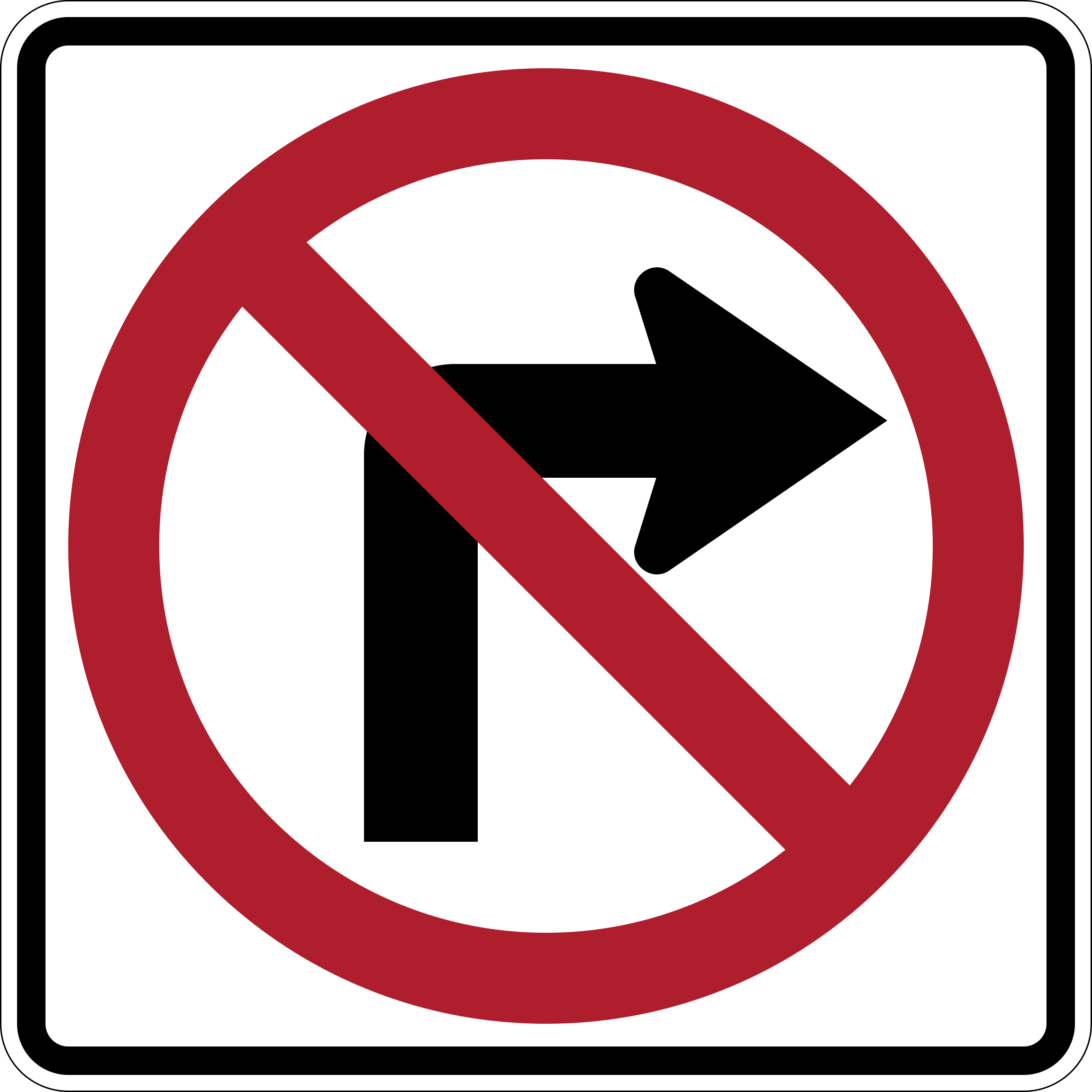
- A red prohibition symbol on a regulatory sign forbidding a right turn there
- A green guide sign recommending a left turn
- An orange work zone sign forbidding trucks
- A yellow warning diamond forbidding right turns in rain
Show answer
A red prohibition symbol on a regulatory sign forbidding a right turn there. Regulatory signs are square or rectangular, and some carry a red circle with a red slash over a symbol to prohibit an action. No Right Turn is one of the manual's named prohibition signs, and its red color means stop or do not do something. Yellow diamonds warn, green rectangles guide, and orange signs mark road work, so none of those describe this sign. The ban applies at the location where the sign is posted, so turn right at another intersection instead.
Practice this topic
Lock it in with road signs questions from the free New Hampshire practice test. Every answer comes with a plain English explanation.
Source: the New Hampshire Driver's Manual, Section 6: Rules of the Road. This lesson is a plain English summary, not the law itself; where it differs, the manual and the statute govern. Last checked 2026-09-27.