
Key points
Know signs by their shape and color as well as their words, numbers or figures.
Source: Handbook p. 74
“You must know highway signs by their shape and color, as well as by the words, numbers, or figures on them.”
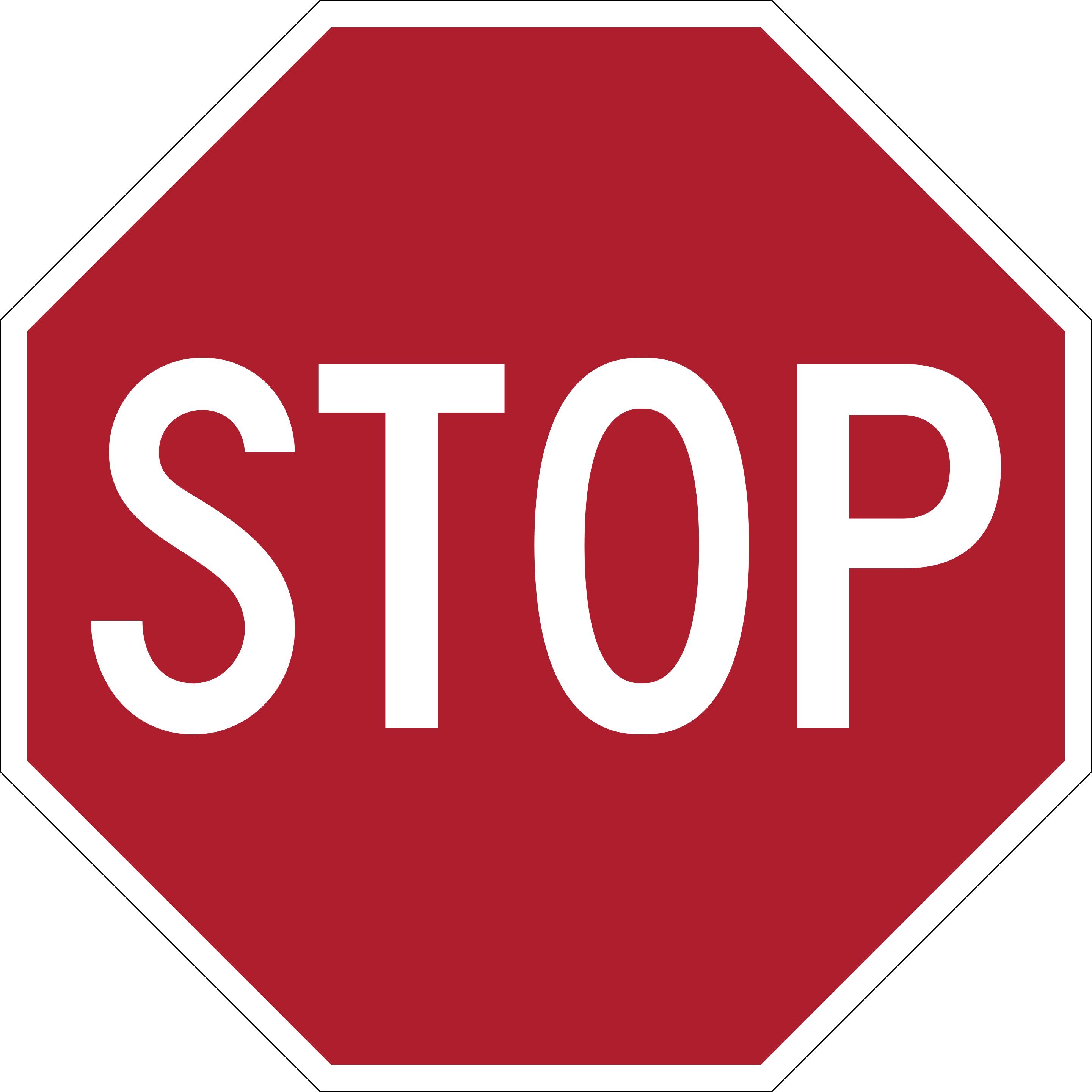
Delaware Driver Manual, Handbook p. 74The stop sign is the only 8 sided sign. Stop at the stop line, or the crosswalk, or before the intersection.
Source: Handbook p. 74
“The stop sign is the only 8-sided sign you will see on the highway. It’s red with white letters. When you come to a stop sign, you must make a complete stop at the stop line; or, if none, at the crosswalk; or if none, before entering the intersection.”
Delaware Driver Manual, Handbook p. 74Slow down as you approach a yield sign, look left and right, and yield to pedestrians and vehicles that are crossing.
Source: Handbook p. 74
“Slow down as you approach a yield sign. Look to left and right. Yield to pedestrians and vehicles performing lawful maneuvers or crossing.”
Delaware Driver Manual, Handbook p. 74The five sided black on yellow sign warns only of schools and school crossings.
Source: Handbook p. 75
“Five-sided sign black on yellow is used only to warn of schools and school crossings.”
Delaware Driver Manual, Handbook p. 75The round black on yellow sign warns of a highway rail crossing ahead.
Source: Handbook p. 75
“Round sign black on yellow is used as an advance warning that you are approaching a highway-rail intersection.”
Delaware Driver Manual, Handbook p. 75The white X shaped crossbuck means the same as a yield sign: yield to trains.
Source: Handbook p. 84
“This sign has the same meaning as a Yield sign. You must yield to crossing trains.”
Delaware Driver Manual, Handbook p. 84Warning signs are usually yellow with black lettering, most are diamond shaped, and they tell you to slow down and be prepared to stop.
Source: Handbook p. 75
“These signs are usually yellow with black lettering or symbols and most are diamond shaped. These signs warn you to slow down and be prepared to stop if necessary.”
Delaware Driver Manual, Handbook p. 75Most guide signs are rectangles with white letters on a green background.
Source: Handbook p. 78
“Most guide signs are rectangular (four-sided) in shape with white letters on a green background.”
Delaware Driver Manual, Handbook p. 78Fines for speeding in a work zone are doubled.
Source: Handbook p. 79
“Fines for exceeding the speed limit in a work zone are doubled.”
Delaware Driver Manual, Handbook p. 79If you exceed an advisory speed and crash, you may be found to have broken the general speed law.
Source: Handbook p. 94
“Although an advisory speed is not a specific speed limit, if you exceed it and have a crash, it may be concluded that you violated the general speed restriction and you could be subject to arrest.”
Delaware Driver Manual, Handbook p. 94
Recognize these signs
Stop 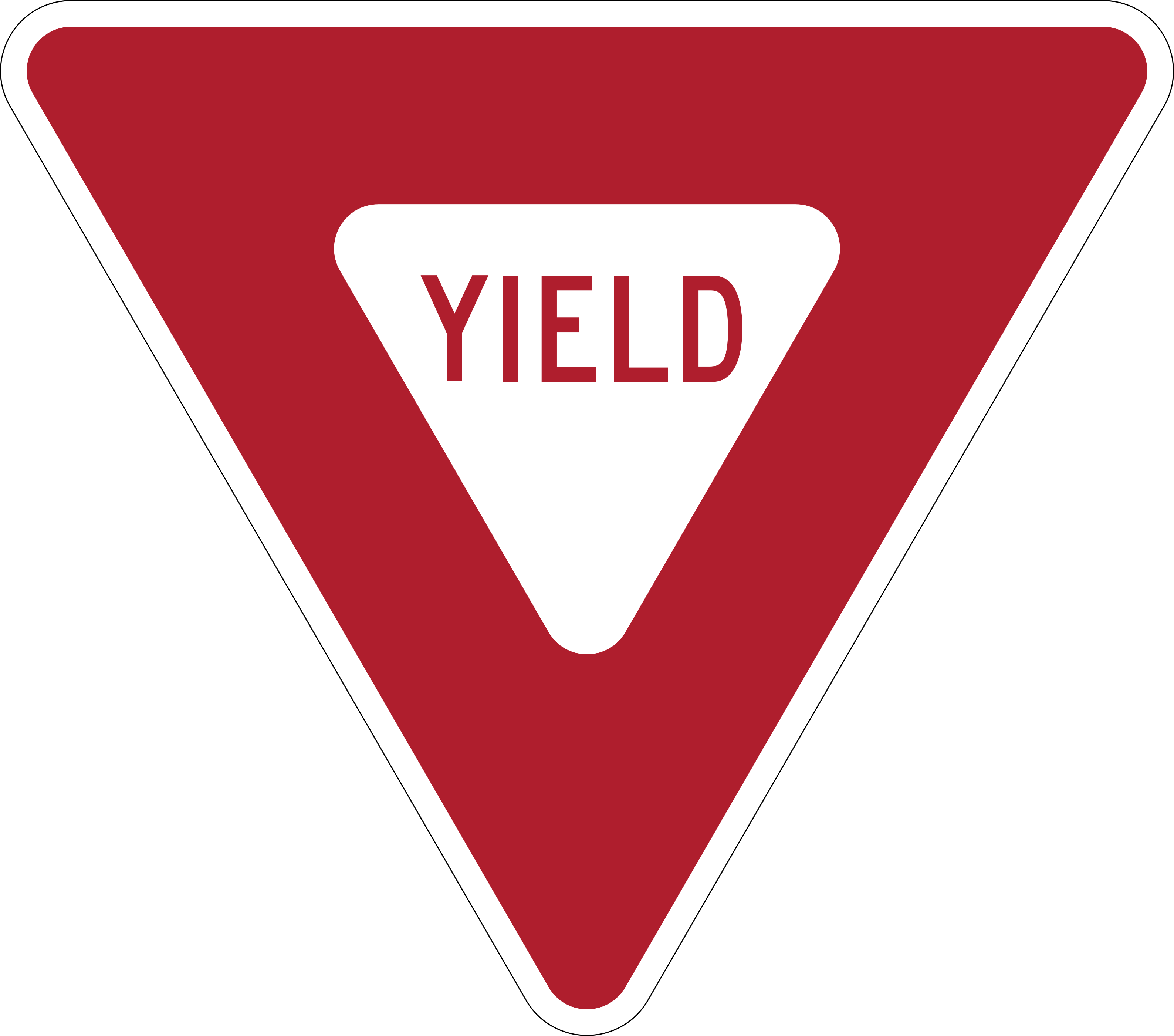
Yield 
Do not enter 
No left turn 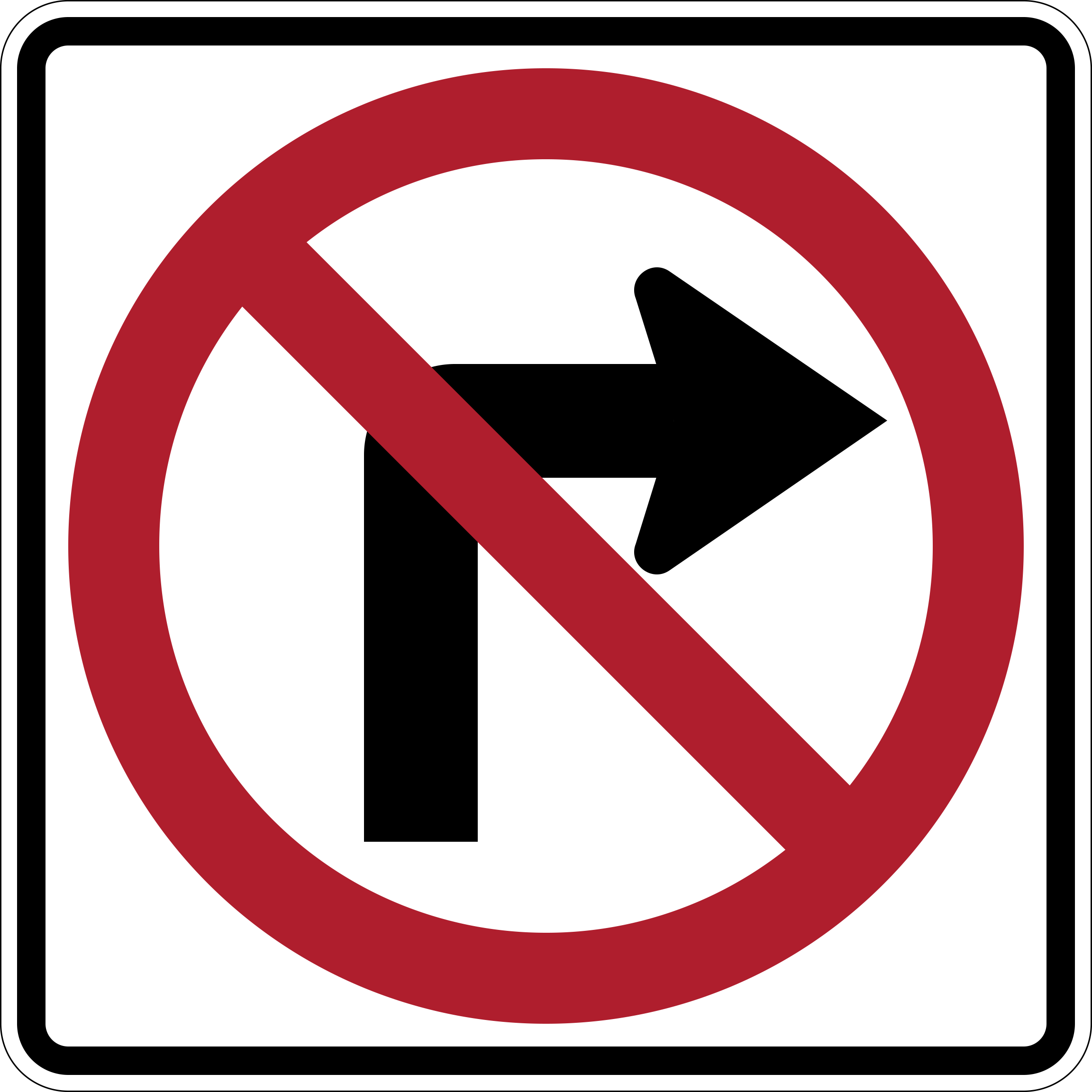
No right turn 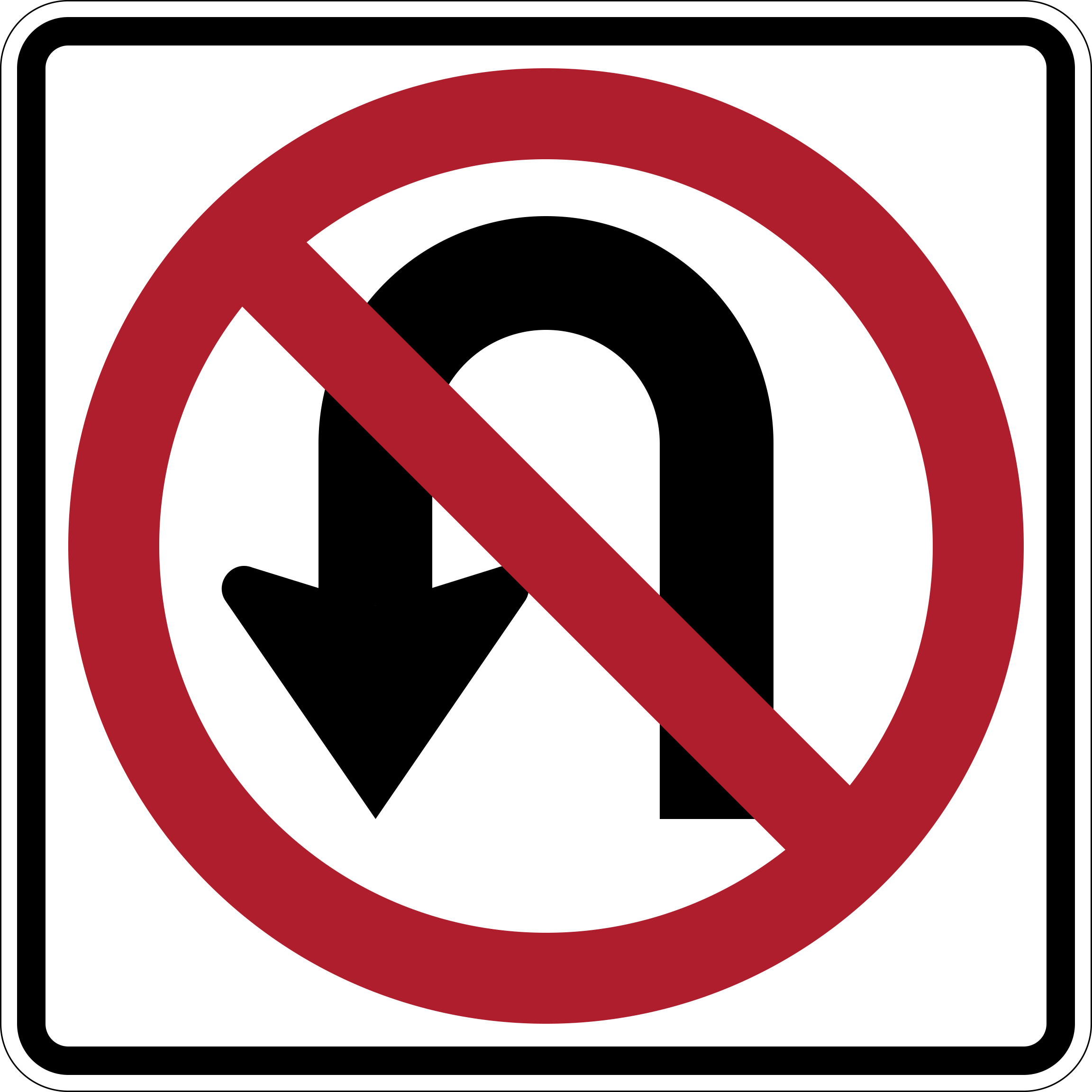
No U turn 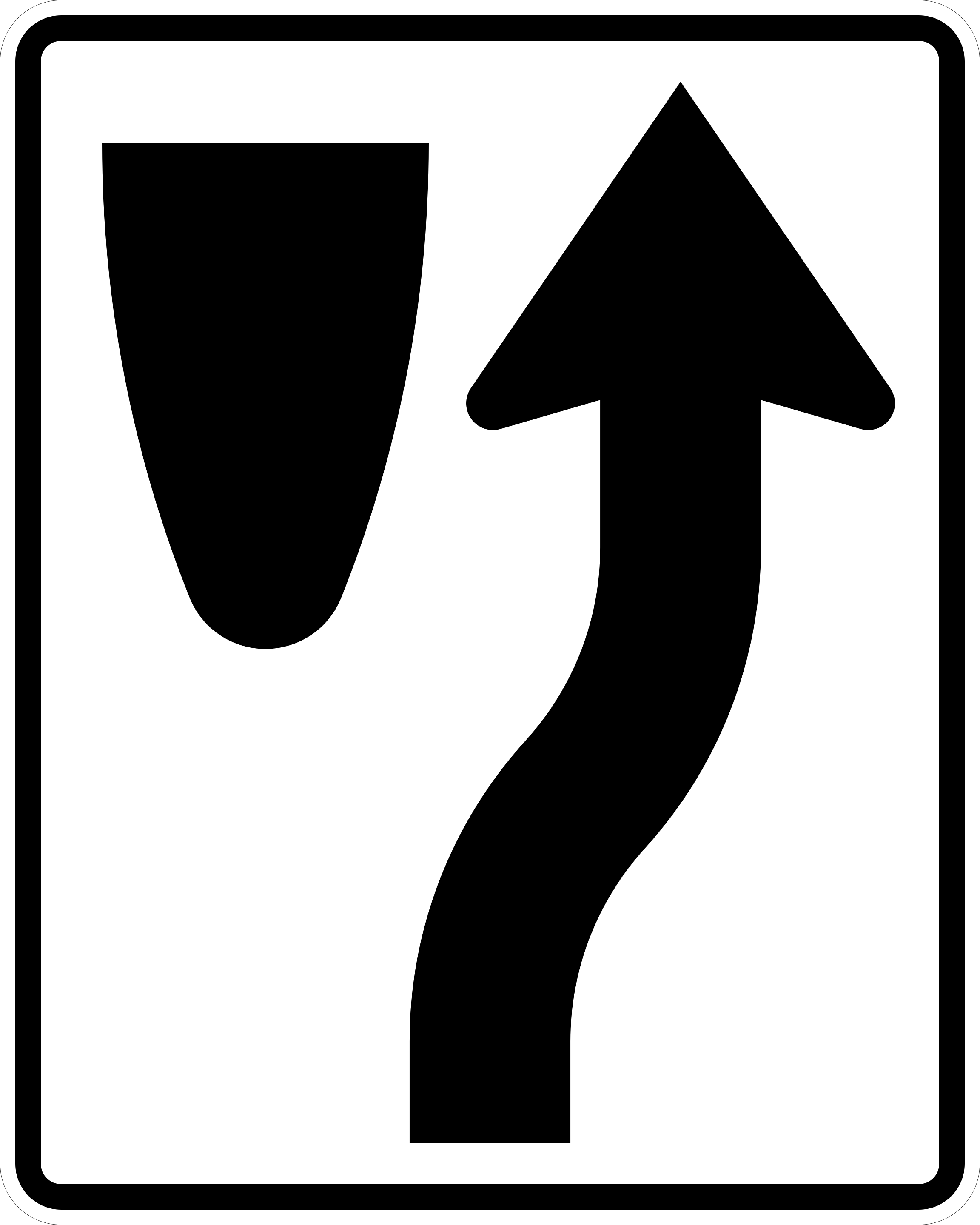
Keep right 
School 
Railroad crossing ahead 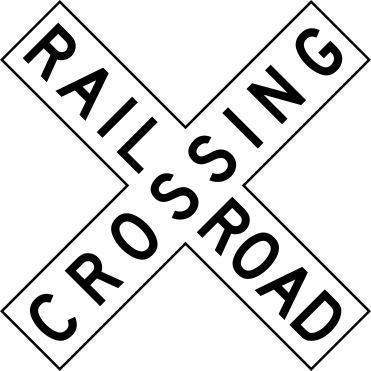
Railroad crossbuck 
Roundabout 
Slippery when wet
3 questions from the Delaware practice test
1. Which highway sign shape is reserved for a stop sign in Delaware?
- An eight-sided shape
- A five-sided shape
- A round shape
- A diamond shape
Show answer
An eight-sided shape. The octagon is reserved for the stop sign, making the instruction recognizable even before the driver reads its words. Delaware describes the five-sided sign as a school warning, the round sign as an advance railroad warning, and the diamond as a general warning shape. Those alternatives therefore identify different hazards or rules. The cue is the eight-sided outline: prepare for a complete stop at the required stopping point, then yield before proceeding.
2. A sign has white letters on a brown background. What kind of information does it usually give?
- Gas, food, or lodging services
- Directions to an interstate route
- A work zone ahead
- Recreation areas, such as a state park
Show answer
Recreation areas, such as a state park. Delaware uses color to show what kind of information a sign carries. Recreation signs usually have white letters on a brown background, for example one pointing to a state park. Blue backgrounds mark motorist services like gas, food, and lodging, which makes that the most tempting wrong answer. Route directions appear on green guide signs and on route markers, and work zone warnings are usually orange. Recognizing brown from a distance tells you the sign is about a park or similar destination, so you can decide early whether you need to change lanes.
3. You reach a railroad crossing that has no number-of-tracks sign. What should you check before crossing?
- Whether there is more than one track
- Whether the gate arm is raised
- Whether the car ahead has crossed
- Whether a stop line is painted
Show answer
Whether there is more than one track. Crossings with more than one train track often post a sign showing the number of tracks, warning that more than one train may be crossing. When no such sign is posted, Delaware says you should always check whether there is more than one track before you cross. A raised gate or a car ahead that has already crossed does not tell you whether a second train is coming on another track. A painted stop line shows where to stop, not how many tracks lie beyond it. Look along each track before you start across.
Practice this topic
Lock it in with road signs questions from the free Delaware practice test. Every answer comes with a plain English explanation.
Source: the Delaware Driver Manual, Section Four: Rules of the Road. This lesson is a plain English summary, not the law itself; where it differs, the manual and the statute govern. Last checked 2026-09-27.