
Key points
The shapes and colors of signs indicate the type of information they give.
Source: Handbook p. 7
“The shapes and colors of these signs indicate the type of information they provide.”
Colorado Driver Handbook, Handbook p. 7Regulatory signs are black or red on white, and failing to obey them is a traffic violation.
Source: Handbook p. 7
“Regulatory signs: These signs tell you of laws and regulations that apply at a location. They are black or red on a white background. Failure to obey these signs is a traffic violation.”
Colorado Driver Handbook, Handbook p. 7Speed limit signs show the maximum or minimum speed. The maximums are for ideal conditions, and you must slow down when conditions require.
Source: Handbook p. 7
“Speed limit signs: These signs show the maximum or minimum speed that is allowed. The maximum limits are for ideal conditions and you must reduce your speed when conditions require it.”
Colorado Driver Handbook, Handbook p. 7A stop sign means a complete stop at a clearly marked stop line. If there is none, stop before the crosswalk on the near side.
Source: Handbook p. 7
“Stop signs: These signs mean you must come to a complete stop. You must stop at a clearly marked stop line, but if none, before entering the crosswalk on the near side of the intersection”
Colorado Driver Handbook, Handbook p. 7Yield signs mean slow or stop to yield to all pedestrians and any vehicle with the right of way.
Source: Handbook p. 7
“Yield signs: These signs indicate you must slow or stop to yield to all pedestrians and any vehicle with right of way.”
Colorado Driver Handbook, Handbook p. 7Do Not Enter and Wrong Way signs warn drivers heading the wrong way on streets or freeway ramps. Do not go past them.
Source: Handbook p. 8
“Do Not Enter/Wrong Way signs: These signs warn and redirect drivers who are heading the wrong way on streets or freeway ramps. Do not proceed past one of these signs.”
Colorado Driver Handbook, Handbook p. 8Prohibited signs show something you cannot do, such as no U turn or no left turn.
Source: Handbook p. 8
“Prohibited signs: These signs indicate you cannot do something, for example, no U-turn or no left turn.”
Colorado Driver Handbook, Handbook p. 8
Recognize these signs
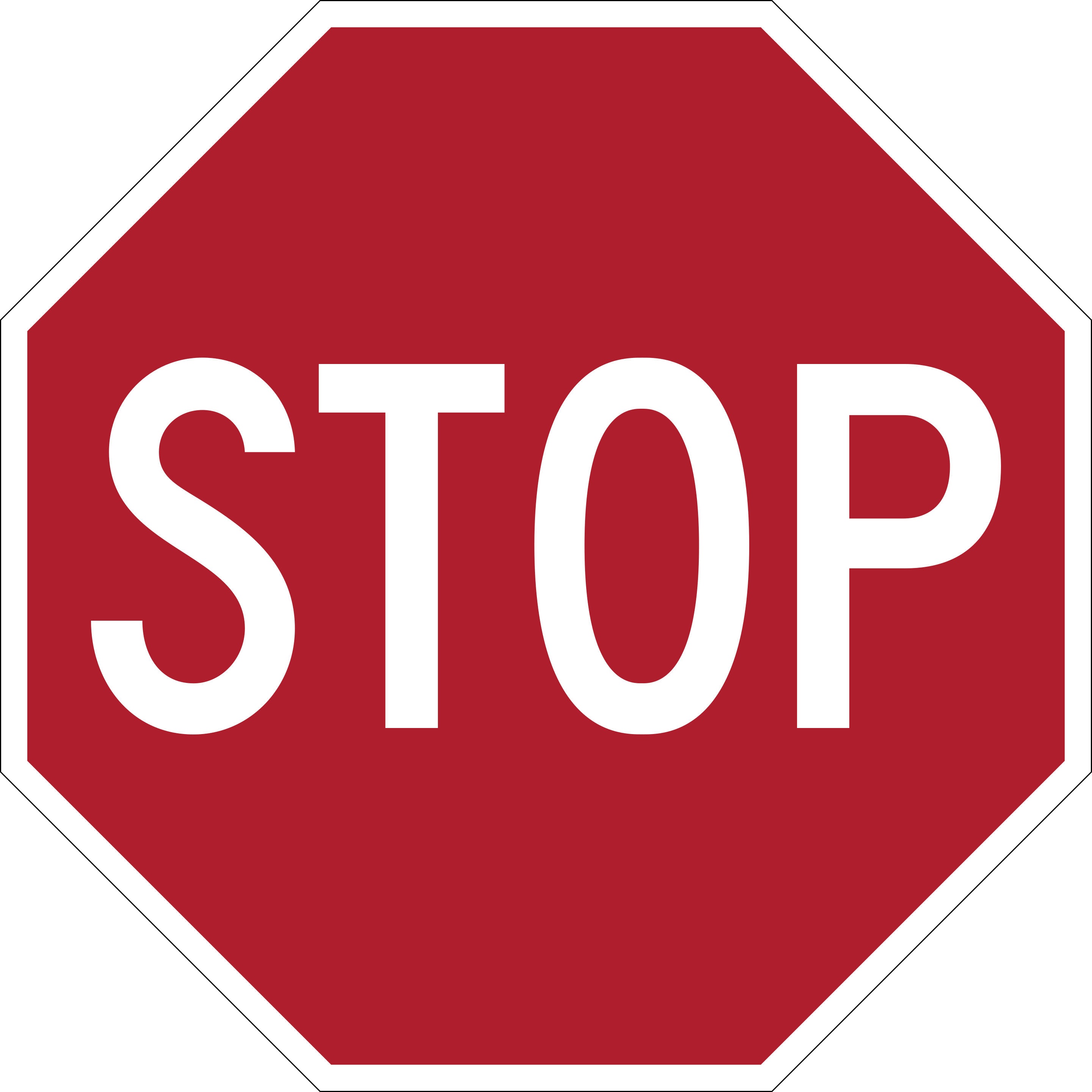
Stop 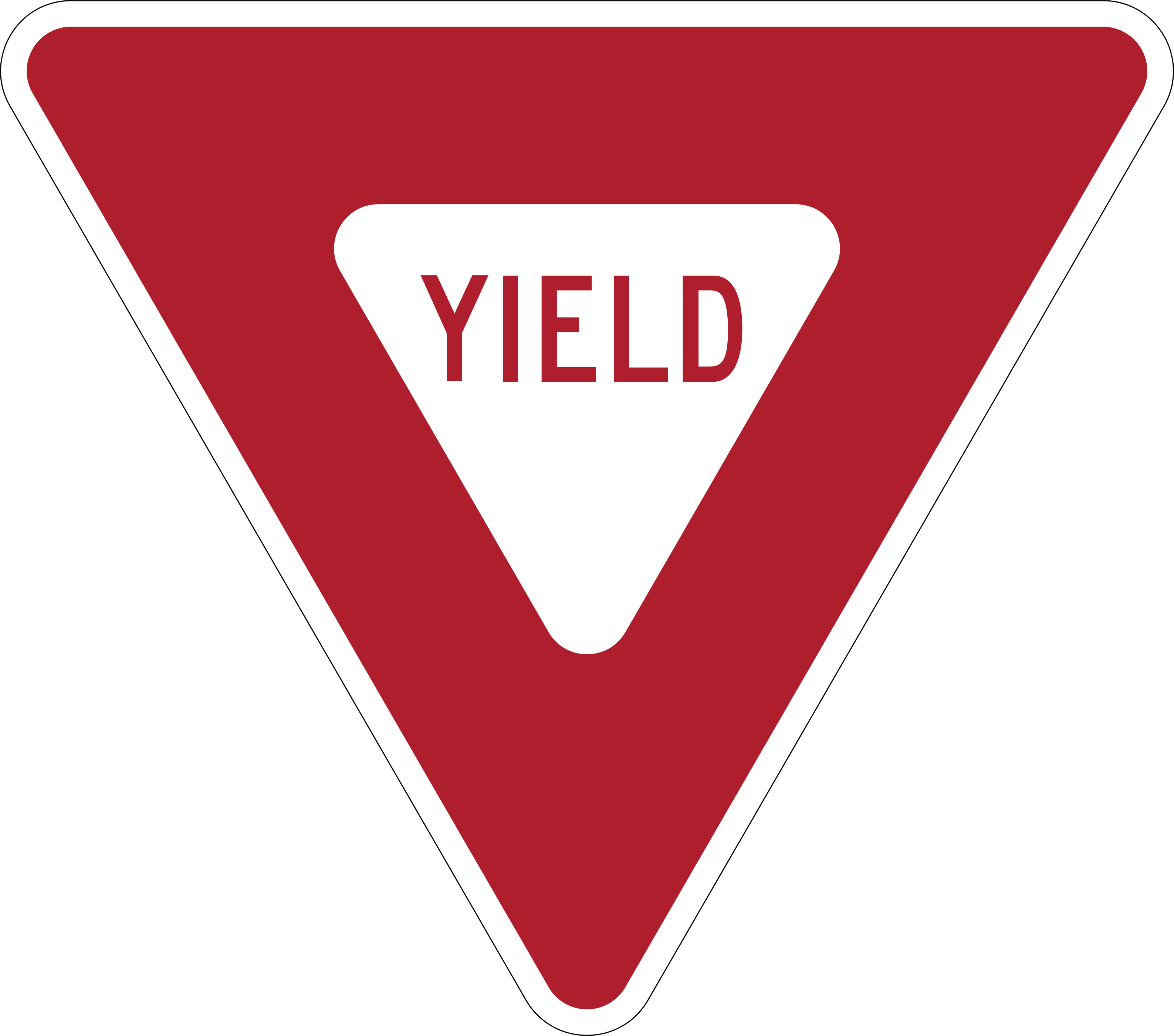
Yield 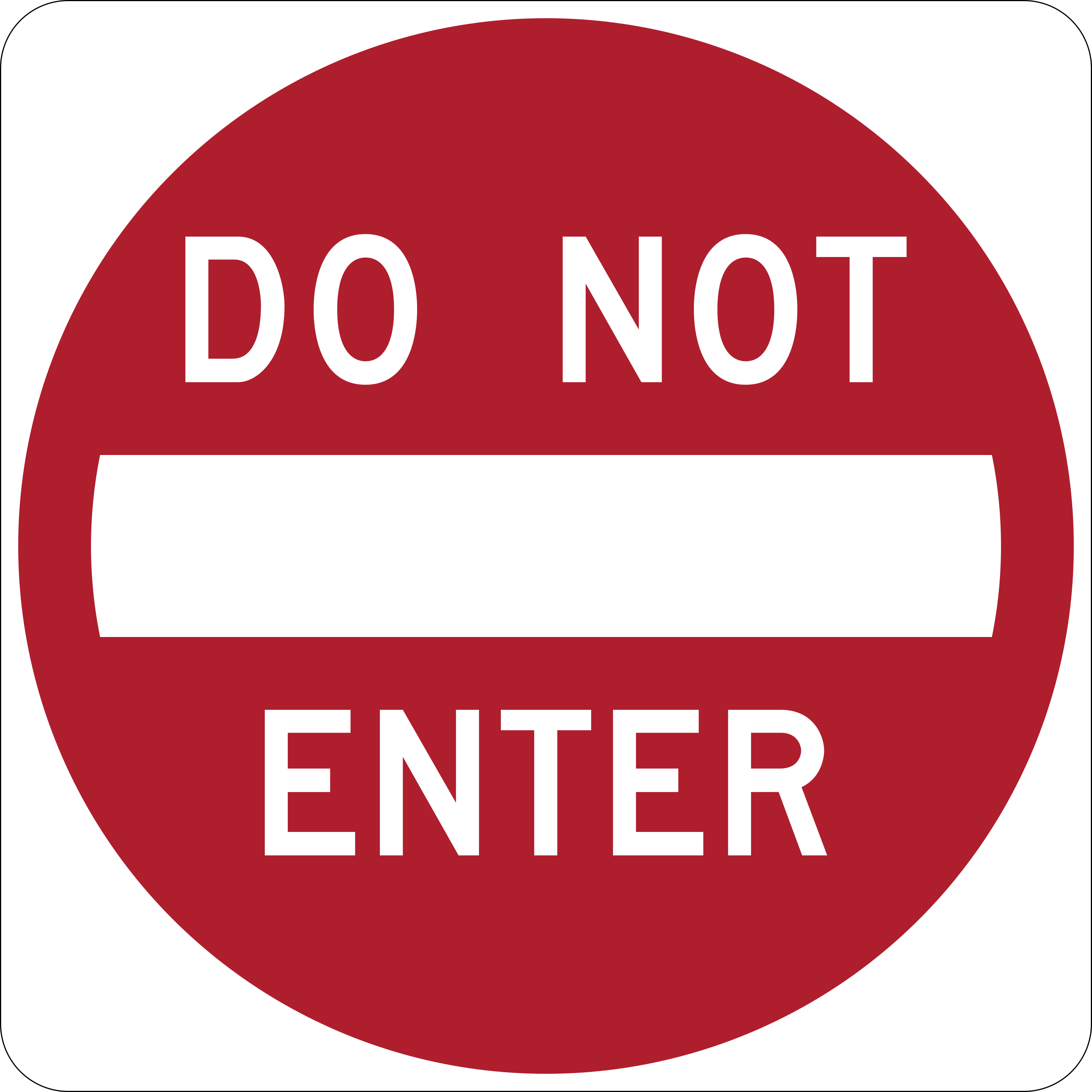
Do not enter 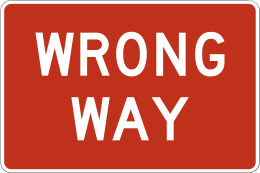
Wrong way 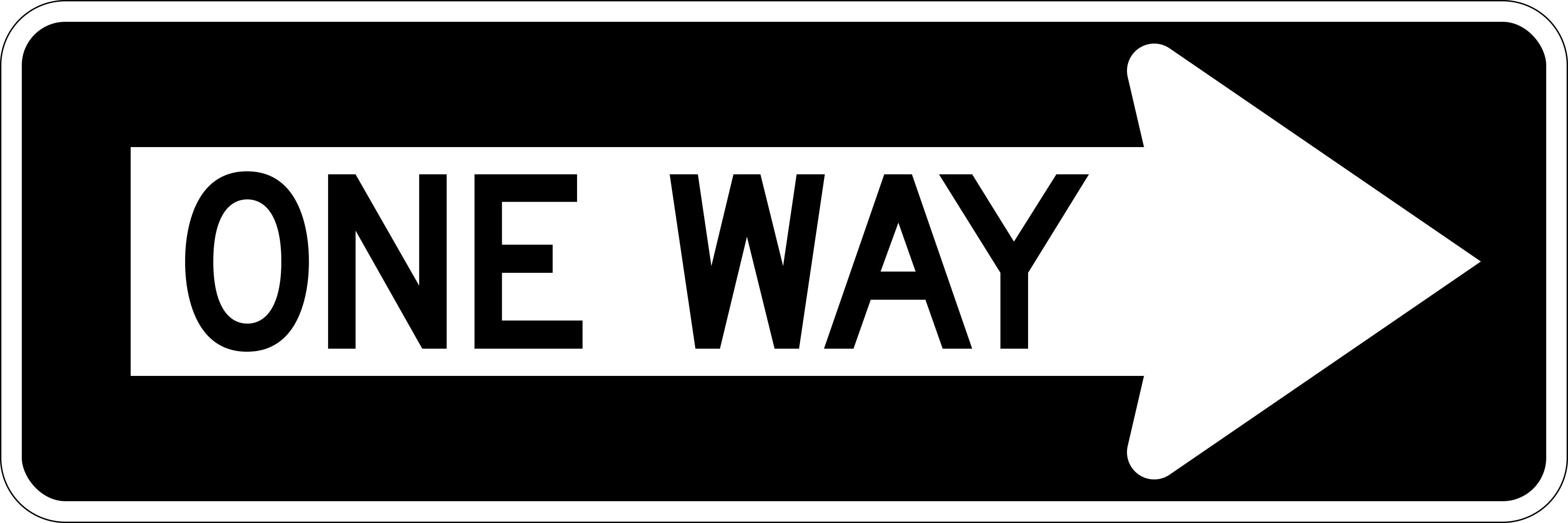
One way 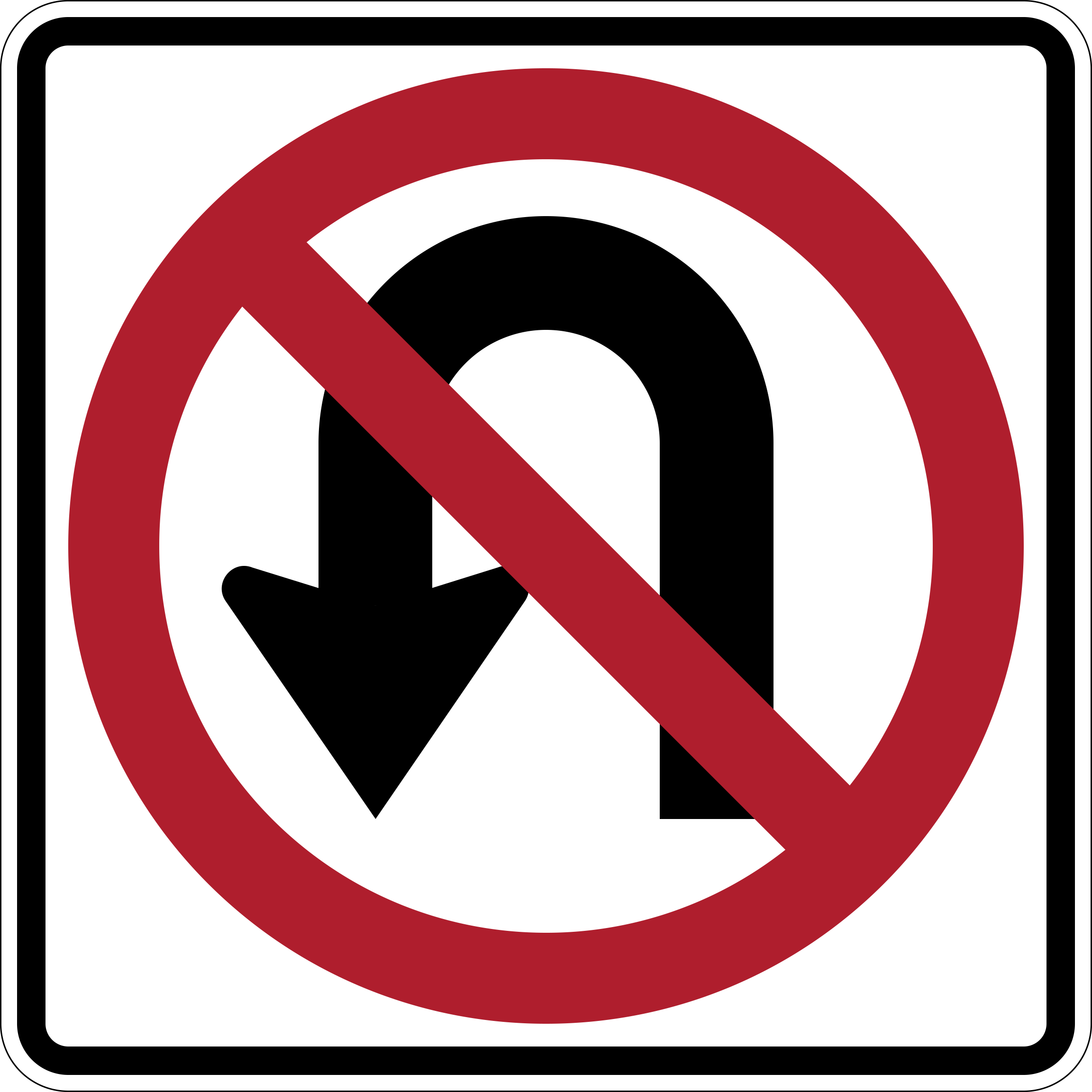
No U turn 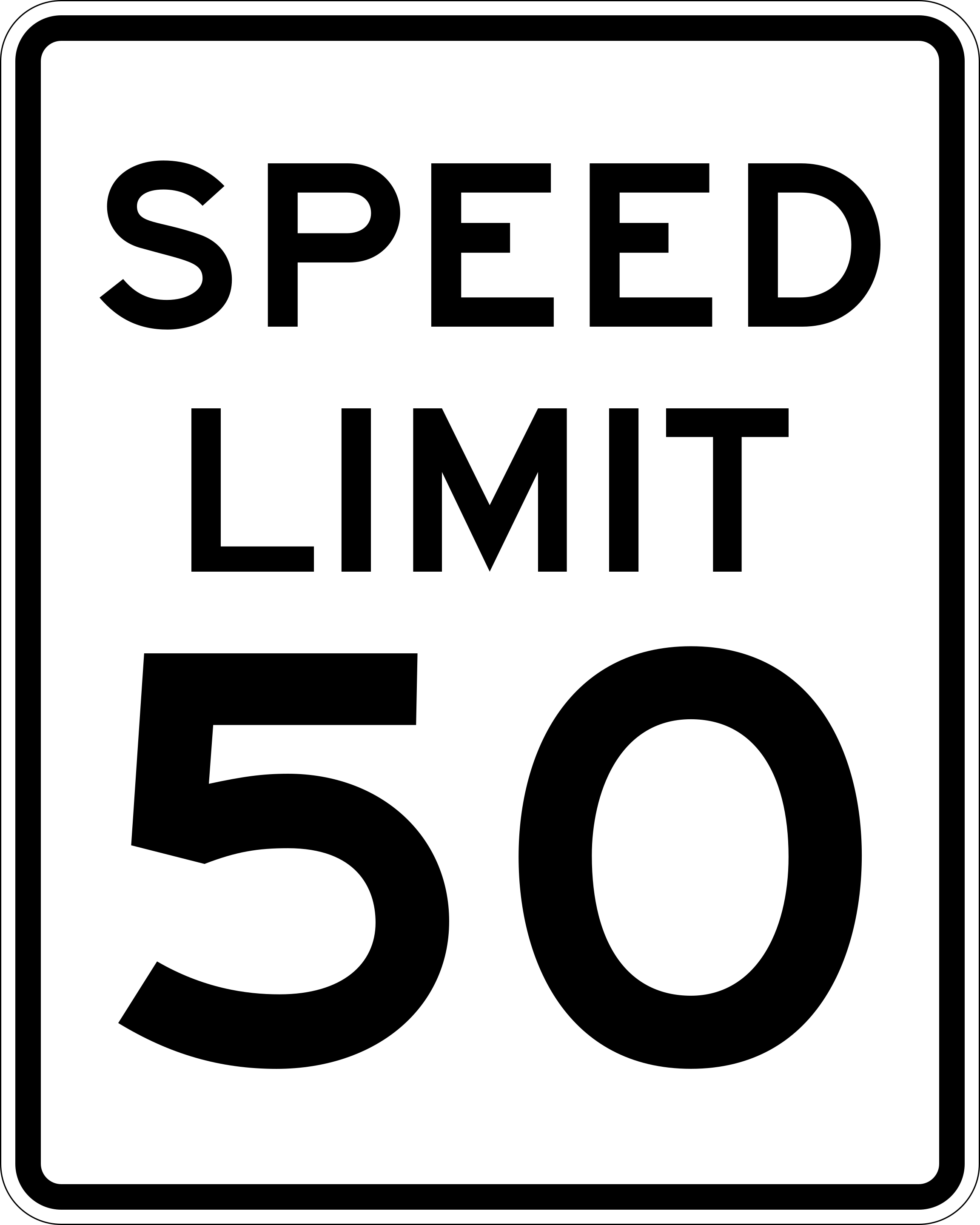
Speed limit
3 questions from the Colorado practice test
1. Where must a driver stop when a Colorado stop sign has no clearly marked stop line?
- Directly beside the stop sign post
- Before entering the near-side crosswalk, or before the nearest point with a view of approaching traffic
- After entering the intersection so the driver can see better
- At least one car length beyond the crosswalk
Show answer
Before entering the near-side crosswalk, or before the nearest point with a view of approaching traffic. Colorado uses a sequence for locating the stop: stop at a clearly marked line when one exists; otherwise stop before entering the near-side crosswalk; if neither is present, stop at the point nearest the intersecting roadway where approaching traffic can be seen. The signpost itself does not define the stopping point. Moving beyond the crosswalk or into the intersection risks blocking pedestrian space and entering cross traffic. Look for markings first, then use the next available location in that sequence.
2. What do Colorado regulatory signs usually look like?
- Blue or brown with white symbols
- Black or red on a white background
- Orange with black letters only in rural areas
- Green with mileage numbers and route arrows
Show answer
Black or red on a white background. Regulatory signs communicate laws that apply at that location and are normally black or red on white. Blue and brown point drivers toward services or recreation, while green guide signs handle route and distance information. When the sign uses a red or black message on a white background, read it as a rule you must obey, such as a turn restriction or speed control.
3. What action does a Colorado yield sign require?
- Stop every time, even when the intersection is empty
- Slow or stop and yield to pedestrians and vehicles with the right of way
- Continue at the posted speed because the sign is advisory
- Enter only after a traffic officer waves you through
Show answer
Slow or stop and yield to pedestrians and vehicles with the right of way. A yield sign requires a driver to reduce speed and give priority to pedestrians and vehicles that already have the right of way. Stopping is required when needed, but an empty approach does not require an unnecessary full stop. The choice saying the sign is merely advisory is unsafe because regulatory traffic signs carry legal requirements. A useful cue is to scan for people walking and traffic with priority before entering, then stop if either makes proceeding unsafe.
Practice this topic
Lock it in with road signs questions from the free Colorado practice test. Every answer comes with a plain English explanation.
Source: the Colorado Driver Handbook, Traffic Signs. This lesson is a plain English summary, not the law itself; where it differs, the manual and the statute govern. Last checked 2026-09-27.