
Key points
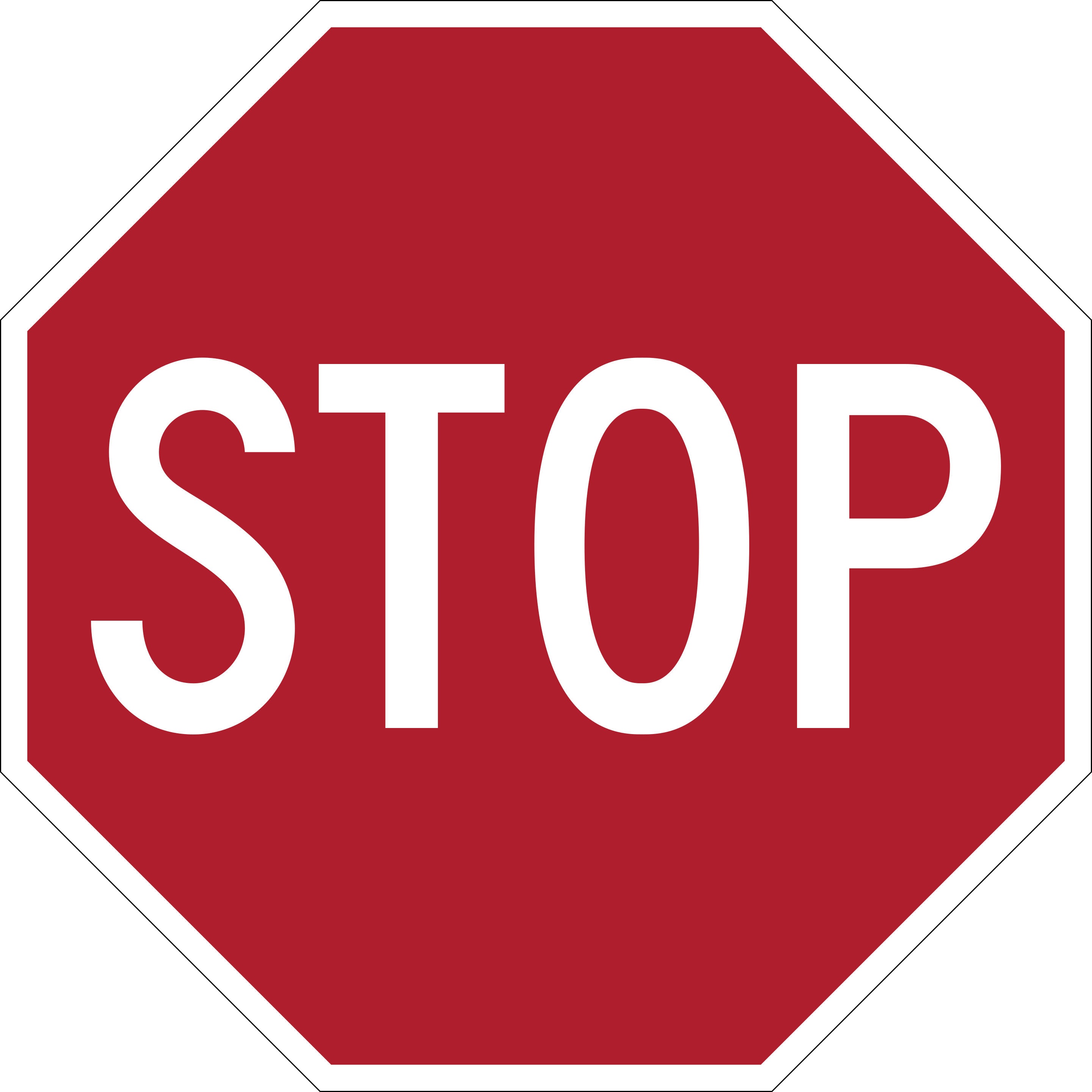
A stop sign is red with white letters and has 8 sides.
Source: Handbook p. 25
“A stop sign is red with white letters and has eight (8) sides or octagon shaped.”
Arkansas Driver License Study Guide, Handbook p. 25If your view is blocked at a stop sign, stop completely, then pull forward to see.
Source: Handbook p. 25
“If you are approaching a stop sign and obstacles are blocking your view, you should make a complete stop and pull forward to see.”
Arkansas Driver License Study Guide, Handbook p. 25At a yield sign, yield to other vehicles and stop when necessary.
Source: Handbook p. 26
“When approaching a yield sign you must yield to other vehicles and stop when necessary.”
Arkansas Driver License Study Guide, Handbook p. 26Failing to yield can bring a fine up to $1000 and a 180 day suspension.
Source: Handbook p. 26
“A driver who fails to yield could receive a fine of up to $1000 and suspension of their driver’s license for 180 days.”
Arkansas Driver License Study Guide, Handbook p. 26Regulation signs are white squares or rectangles with black or red letters.
Source: Handbook p. 27
“There are signs on a white square or rectangle with black and/or red letters or symbols.”
Arkansas Driver License Study Guide, Handbook p. 27A red circle with a red slash means that maneuver is prohibited.
Source: Handbook p. 27
“This regulation sign indicates a driver is prohibited (not allowed) from executing a particular maneuver”
Arkansas Driver License Study Guide, Handbook p. 27A speed limit sign shows the maximum speed for ideal conditions.
Source: Handbook p. 25
“The maximum speed should be used in ideal conditions and reduced as conditions arise such as slippery roads or poor visibility.”
Arkansas Driver License Study Guide, Handbook p. 25
Numbers to know
| Number | What it means | Manual |
|---|---|---|
| 8 | sides on a stop sign | Handbook p. 25 |
| $1000 / 180 days | penalty for failing to yield | Handbook p. 26 |
Recognize these signs
Stop 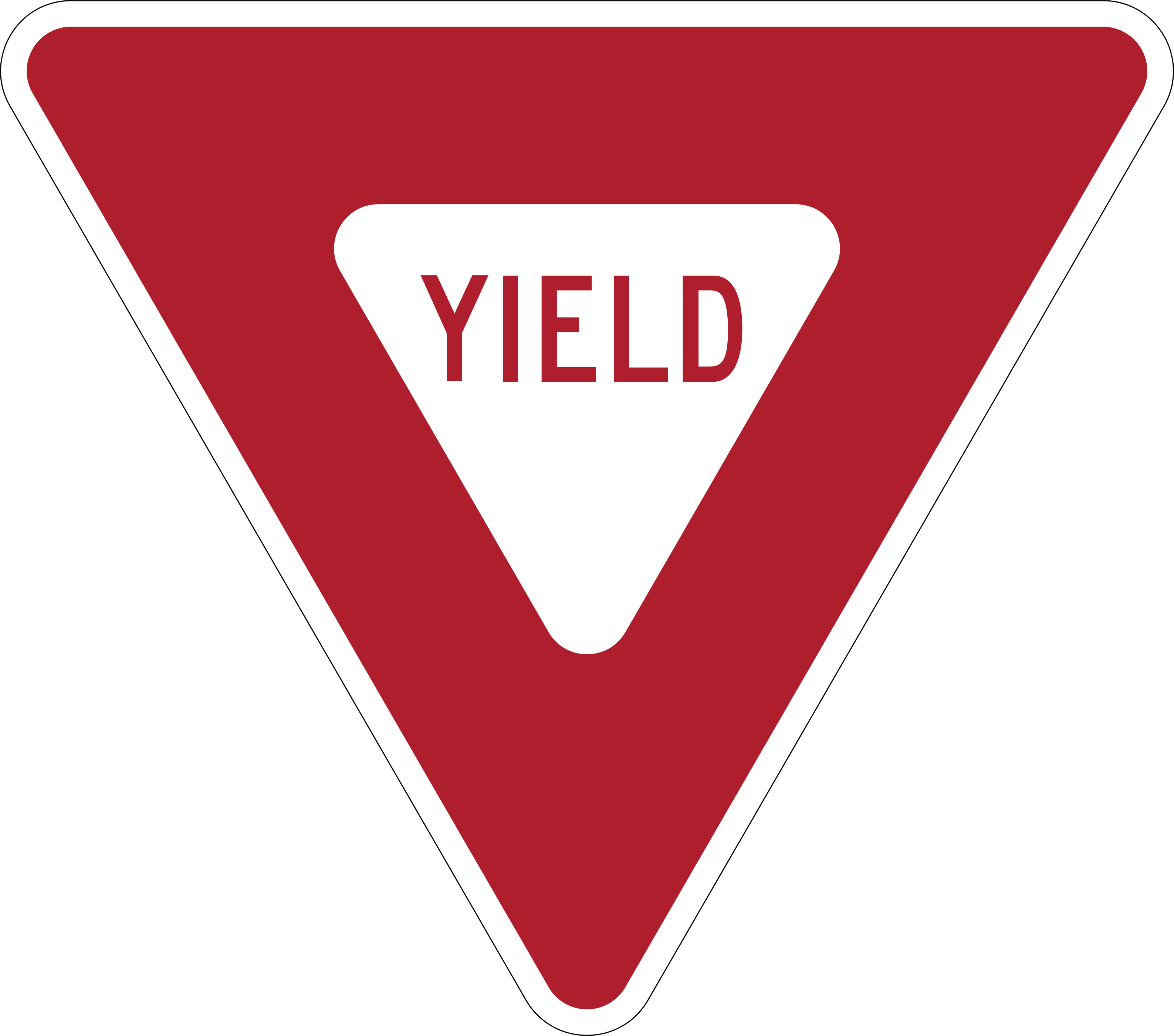
Yield 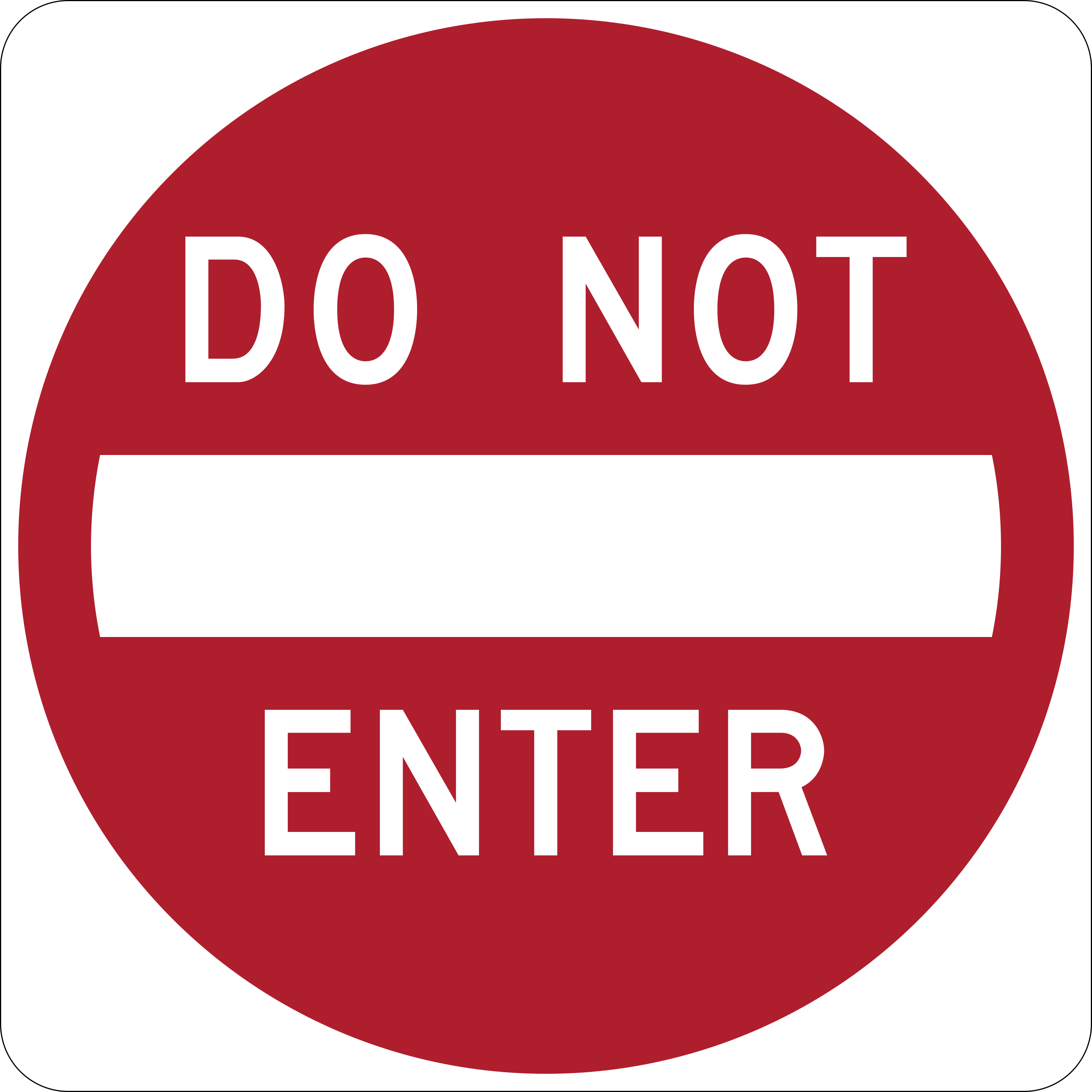
Do not enter 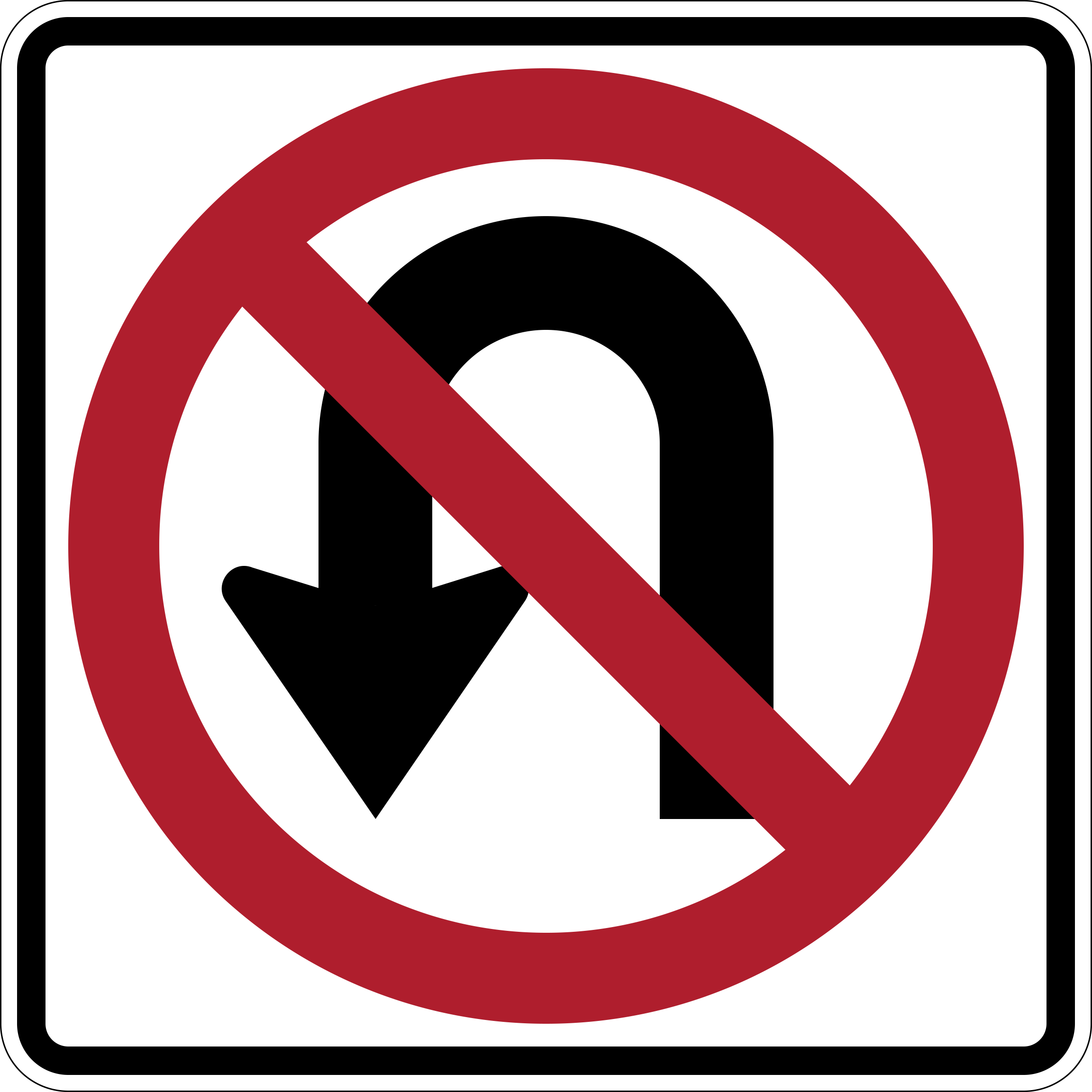
No U turn 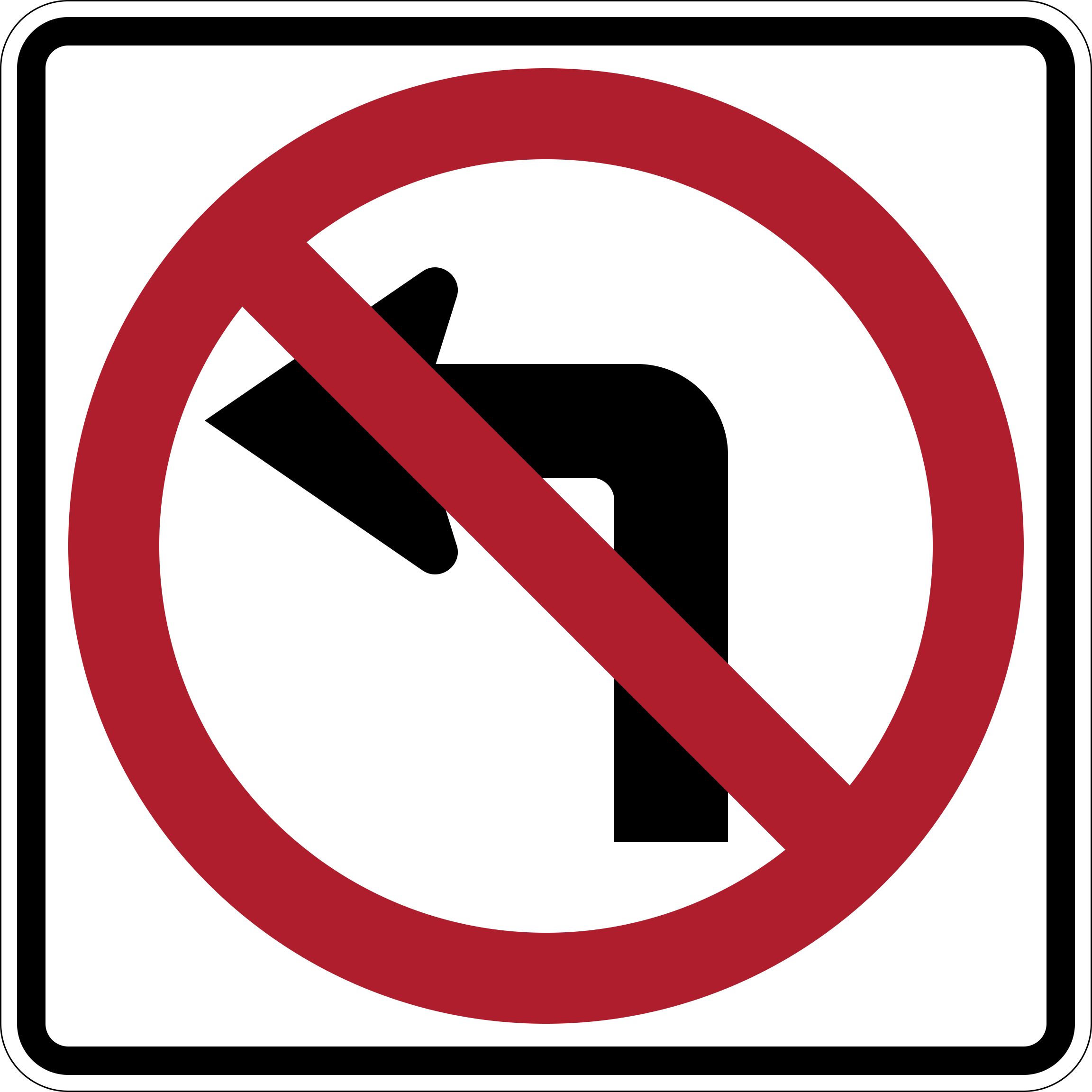
No left turn 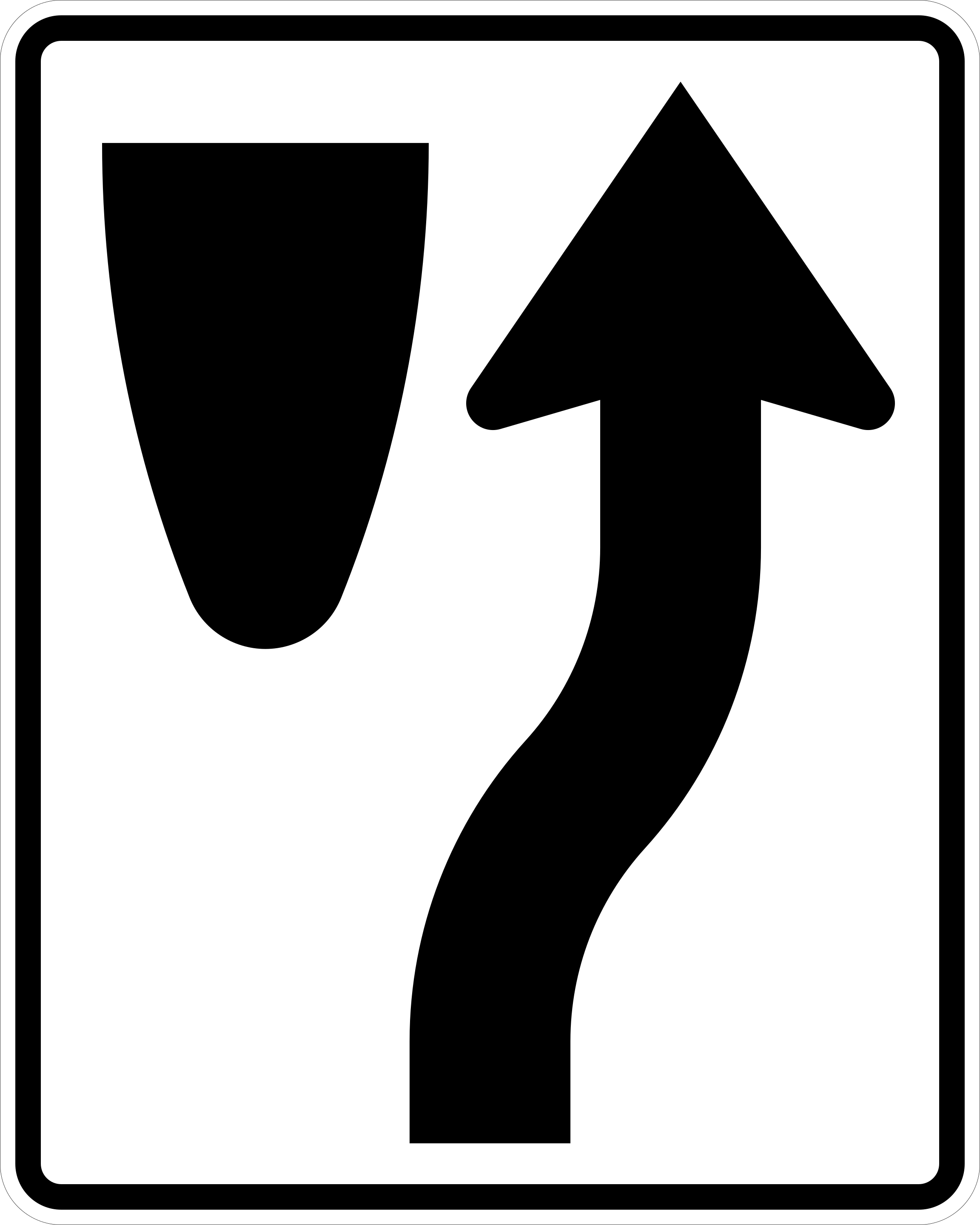
Keep right 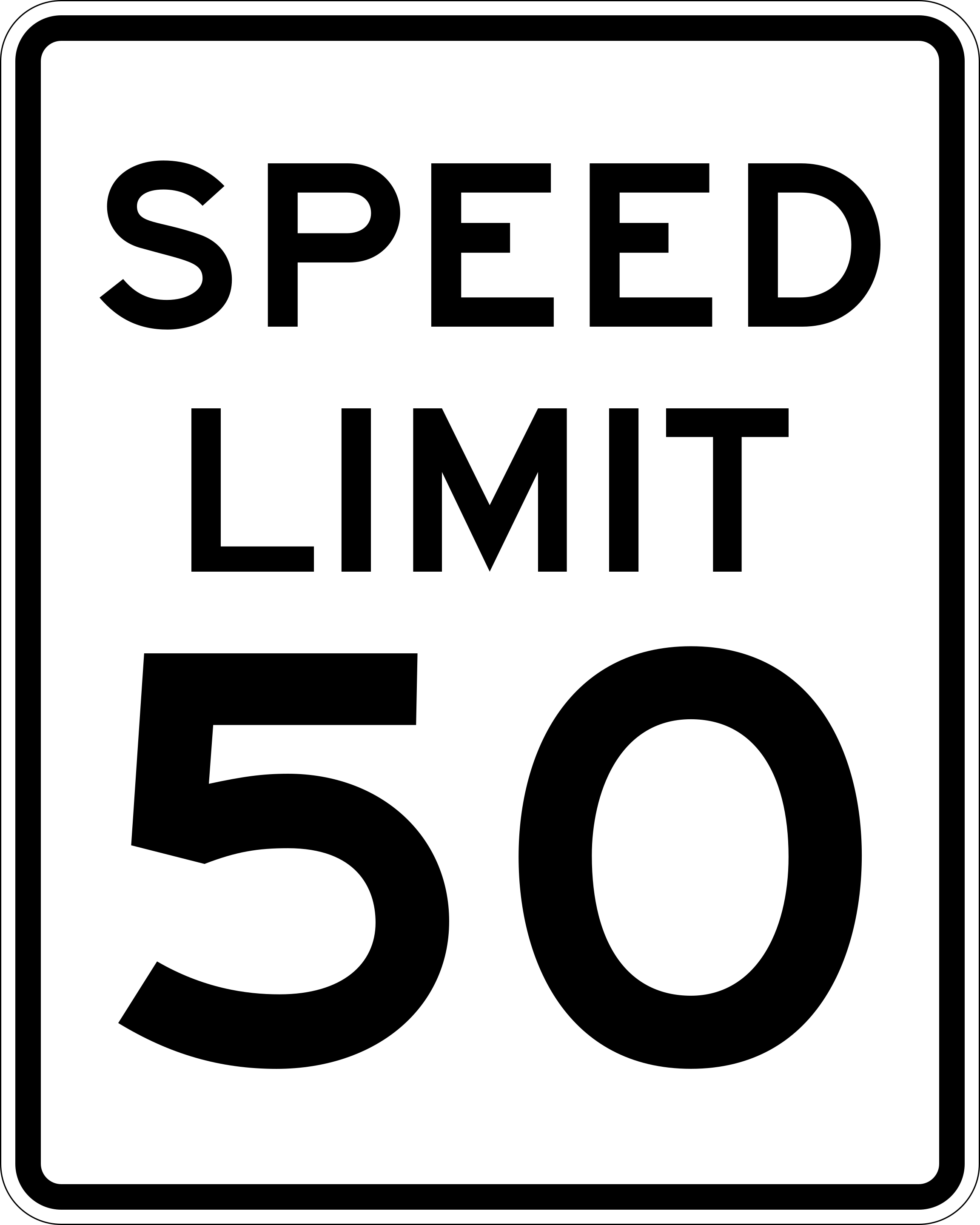
Speed limit
3 questions from the Arkansas practice test
1. At this red octagonal sign, what must the driver do before proceeding?
- Make a complete stop and wait for crossing traffic and pedestrians to clear
- Reduce speed, then continue without stopping if the road looks open
- Stop only when a vehicle is approaching from the other direction
- Yield briefly while keeping the vehicle moving through the intersection
Show answer
Make a complete stop and wait for crossing traffic and pedestrians to clear. A stop sign requires a complete stop, followed by waiting until crossing vehicles and pedestrians have cleared the intersection. The octagonal shape is a strong recognition cue, but the required action matters more than simply identifying the sign. Merely reducing speed leaves no guaranteed pause for a person in the crosswalk. Waiting for only opposing vehicles ignores cross traffic and pedestrians. After stopping, move forward only when the entire path is safe, especially if an obstruction required you to inch ahead for a better view.
2. When approaching this triangular YIELD sign, which action is required?
- Stop every time, even when no traffic or pedestrians are present
- Slow down, yield to vehicles in the intersection, and stop if necessary
- Accelerate to claim the intersection before other traffic arrives
- Continue without checking because the sign gives you priority
Show answer
Slow down, yield to vehicles in the intersection, and stop if necessary. A yield sign calls for a reduction in speed and yielding the right of way to traffic in the intersection. Stop when necessary, rather than treating every approach as an automatic stop. The stop-every-time option adds a requirement the manual does not give, while accelerating reverses the sign’s safety purpose. A yield sign never grants priority over traffic already crossing or entering the intersection. Scan both directions, check for pedestrians, and be ready to pause before entering the conflict area.
3. What penalty can an Arkansas driver face for failing to yield at a yield sign?
- A fine up to $1,000 and a 180 day license suspension
- A warning only
- A $25 fine
- Two points and no fine
Show answer
A fine up to $1,000 and a 180 day license suspension. At a yield sign you must yield to other vehicles and stop when necessary, and a driver who fails to yield could receive a fine of up to $1,000 and suspension of their driver's license for 180 days. The sign itself is a red and white or yellow and black triangle showing YIELD or YIELD RIGHT OF WAY. Slow enough that you can stop if the way is not clear.
Practice this topic
Lock it in with road signs questions from the free Arkansas practice test. Every answer comes with a plain English explanation.
Source: the Arkansas Driver License Study Guide, Chapter 2: Traffic Control Signs. This lesson is a plain English summary, not the law itself; where it differs, the manual and the statute govern. Last checked 2026-09-27.