
Key points
Regulatory signs must be obeyed without hesitation.
Source: Handbook p. 41
“You must know them well enough to recognize them immediately and, in the case of regulatory signs, obey them without hesitation.”
Alabama Driver Manual, Handbook p. 41The three types of traffic signs are regulatory, warning, and information or guide signs.
Source: Handbook p. 41
“The three types of traffic signs are classified according to function. They are regulatory, warning, and information or guide signs.”
Alabama Driver Manual, Handbook p. 41Regulatory signs regulate the movement of traffic and are mostly black and white.
Source: Handbook p. 42
“Regulatory signs regulate the movement of traffic. They are black and white with the exception of those shown in actual color, and MUST be obeyed.”
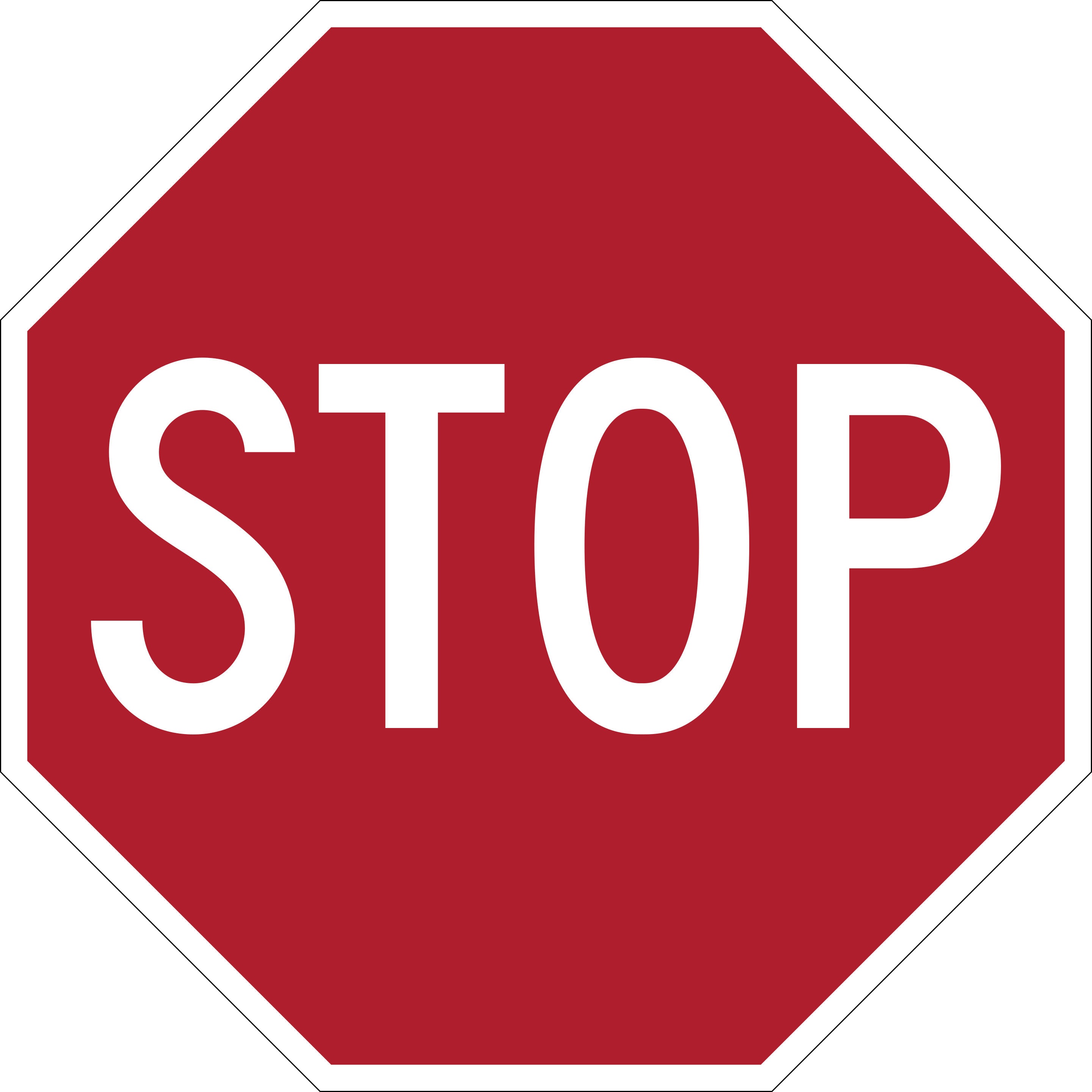
Alabama Driver Manual, Handbook p. 42At a four way stop, the first vehicle to stop is the first to leave.
Source: Handbook p. 42
“The first vehicle to arrive at a complete stop is the first vehicle allowed to leave the stop sign.”
Alabama Driver Manual, Handbook p. 42When vehicles arrive together at a 4 way stop, the vehicle furthest to the right goes first.
Source: Handbook p. 42
“When more than one vehicle arrives at the same time at the 4-way stop, the vehicle furthest to the right is allowed to leave first.”
Alabama Driver Manual, Handbook p. 42A yield sign means slow down to yield to pedestrians and to vehicles on the intersecting road.
Source: Handbook p. 42
“The YIELD sign means slow down so you can yield the right of way to pedestrians crossing the roadway and to vehicles on the intersecting street or highway.”
Alabama Driver Manual, Handbook p. 42A No Turn on Red sign means no right or left turn on red at that signal.
Source: Handbook p. 44
“At intersections controlled by traffic signals, you MAY NOT make a right or left turn on red if this sign is posted.”
Alabama Driver Manual, Handbook p. 44Minimum speed limits are usually posted on freeways and other controlled access highways.
Source: Handbook p. 43
“"Minimum" limits are usually posted on freeways and other controlled access highways.”
Alabama Driver Manual, Handbook p. 43
Numbers to know
| Number | What it means | Manual |
|---|---|---|
| 4 way stop | first to stop leaves first; if tied, the vehicle furthest right | Handbook p. 42 |
| 3 types | regulatory, warning, and information or guide signs | Handbook p. 41 |
Recognize these signs
Stop 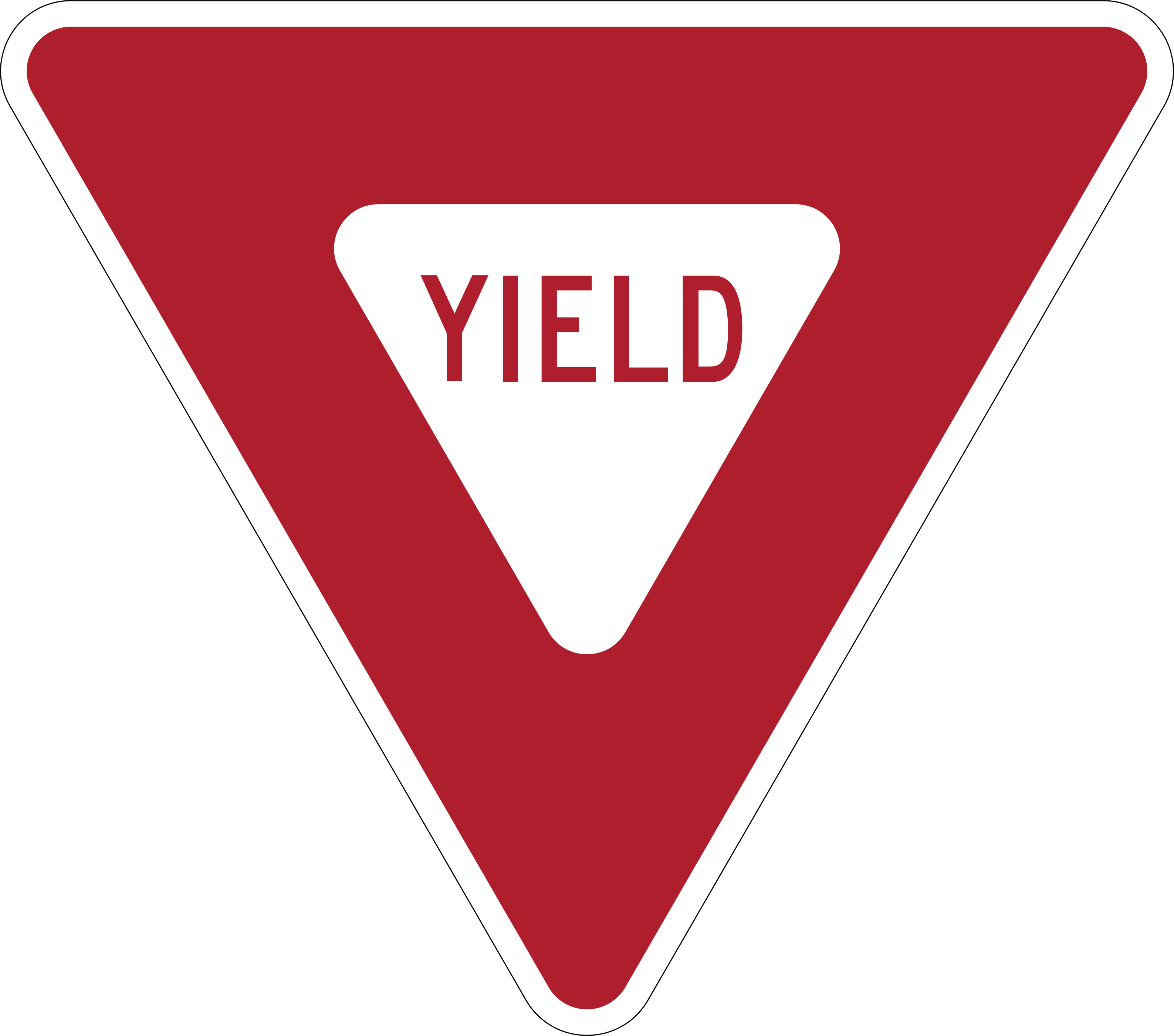
Yield 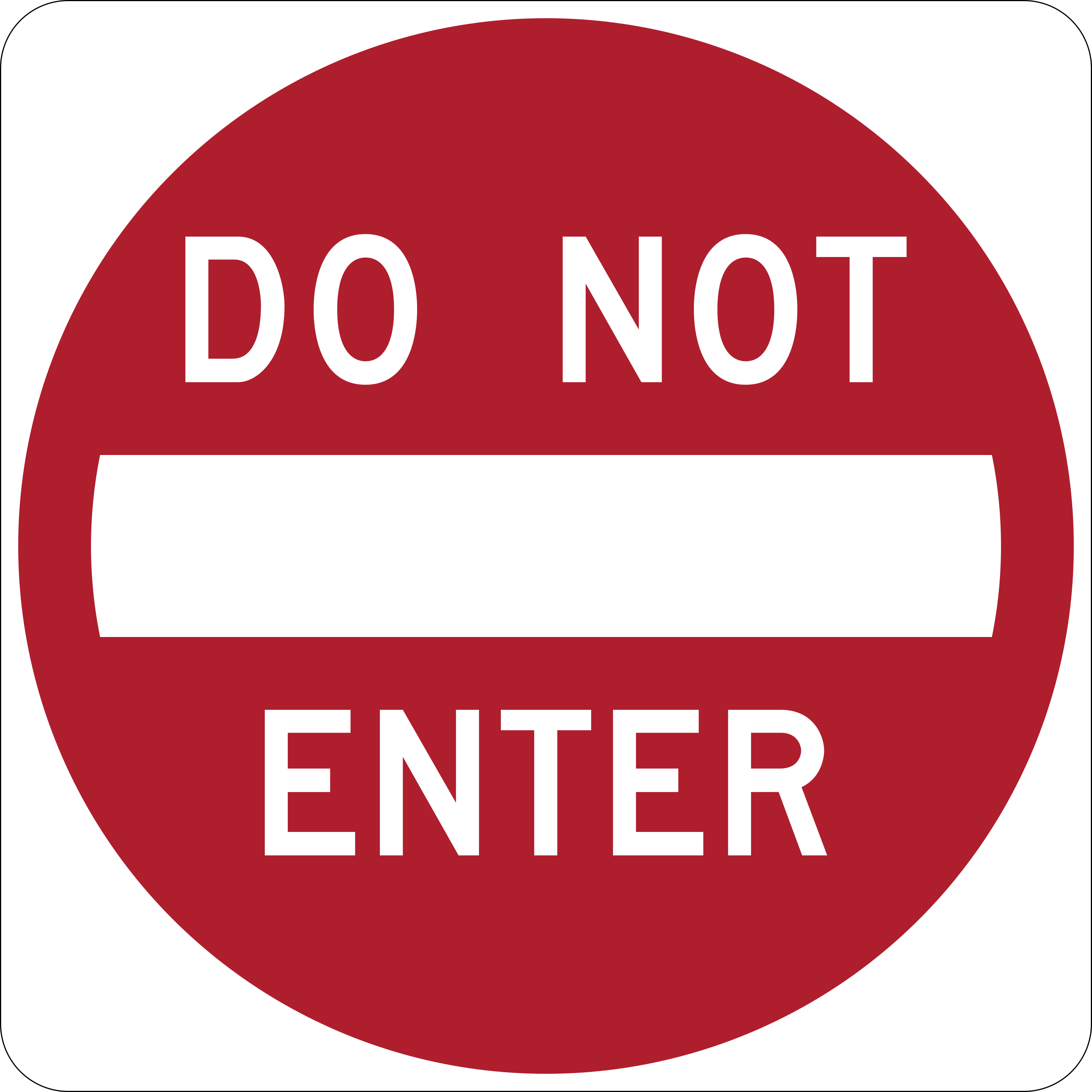
Do not enter 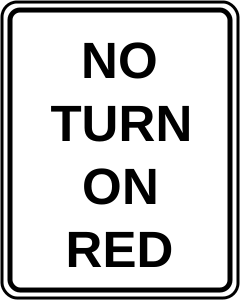
No turn on red 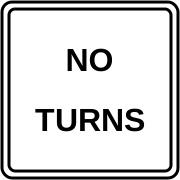
No turns 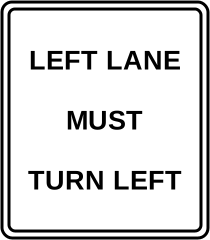
Left lane must turn left
3 questions from the Alabama practice test
1. At an Alabama four-way stop, which vehicle generally leaves first when two vehicles arrive together?
- The vehicle furthest to the right
- The vehicle on the left
- The vehicle with the larger engine
- The vehicle that entered the intersection without stopping
Show answer
The vehicle furthest to the right. At a four-way stop, vehicles should leave in the order they reached a complete stop. When two arrive at the same time, the vehicle furthest to the right goes first. Engine size has no role in right of way, and entering without stopping is a violation rather than a priority rule. The left-side choice reverses the tie-breaker. Even when it is your turn, pause long enough to confirm that other drivers are yielding because not everyone follows the rule. The practical cue is arrival order first, right side for a tie.
2. What is the main function of a regulatory traffic sign?
- It regulates the movement of traffic
- It identifies only recreational destinations
- It announces weather conditions
- It marks the beginning of every passing lane
Show answer
It regulates the movement of traffic. Regulatory signs control or restrict how traffic moves, so drivers must obey their instructions. They are different from warning signs, which alert drivers to hazards, and guide signs, which provide directions or destination information. The recreational and passing-lane choices describe narrower or unrelated purposes, while weather information is not the defining function of this sign class. When a regulatory sign appears, read it immediately and follow the instruction before continuing. Examples include signs governing stopping, turning, speed, lane use, and right of way.
3. What does a NO TURN ON RED sign change at a signalized intersection?
- It prohibits a right or left turn on red at that intersection
- It permits a turn without stopping if the road is clear
- It requires every vehicle to remain stopped after green appears
- It applies only to U-turns made from a red arrow
Show answer
It prohibits a right or left turn on red at that intersection. This sign removes the usual red-light turning permission at the marked intersection. A driver must wait for a permissive signal before making the prohibited right or left turn. Clear pavement does not override the posted instruction, and the sign is not limited to U-turns. Look for it beside the signal or at the corner, then remain behind the stop line until the allowed movement appears.
Practice this topic
Lock it in with road signs questions from the free Alabama practice test. Every answer comes with a plain English explanation.
Source: the Alabama Driver Manual, Chapter 5: Signs, Signals and Road Markings. This lesson is a plain English summary, not the law itself; where it differs, the manual and the statute govern. Last checked 2026-09-27.