
Key points
Sign shapes and colors have meaning, so you should recognize a sign even when fog, rain, snow or darkness hides the letters.
Source: PDF page 44
“The shape and color of signs have meaning. If fading light, fog, rain, snow, or darkness make it difficult to see the letters, applicants should still know how to recognize a sign and respond accordingly.”
West Virginia Driver's Licensing Handbook, PDF page 44Square and rectangular signs show traffic regulations and guide your speed and direction.
Source: PDF page 45
“These signs show traffic regulations and guide your speed and direction. These signs tell you about speed limits and other traffic laws.”
West Virginia Driver's Licensing Handbook, PDF page 45Most signs are white with black letters; a very important message uses a red sign with white letters.
Source: PDF page 45
“Most signs are white with black letters. When the message is very important, the sign is red with white letters.”
West Virginia Driver's Licensing Handbook, PDF page 45A red outline with a diagonal bar through it always means NO.
Source: PDF page 45
“A red outline with a diagonal bar through it always means “NO.””
West Virginia Driver's Licensing Handbook, PDF page 45On barricades, stripes sloping down to the right mean bear right; sloping down to the left mean bear left.
Source: PDF page 47
“Stripes sloping downward to the right mean the driver should bear to the right. Conversely, stripes sloping downward to the left mean bear to the left.”
West Virginia Driver's Licensing Handbook, PDF page 47Not every sign is in the handbook, but most signs are self explanatory.
Source: PDF page 48
“Not all the signs you will see are in this handbook; however, most signs are self-explanatory.”
West Virginia Driver's Licensing Handbook, PDF page 48Pavement markings are used like highway signs to warn, regulate and inform traffic.
Source: PDF page 51
“Pavement markings are used like highway signs to warn, regulate, and inform traffic.”
West Virginia Driver's Licensing Handbook, PDF page 51Slow moving vehicles must display a special triangular emblem to warn approaching drivers.
Source: PDF page 62
“Slow-moving vehicles are required to display a special triangular emblem sign which means “SlowMoving Vehicle” to warn approaching drivers.”
West Virginia Driver's Licensing Handbook, PDF page 62
Recognize these signs
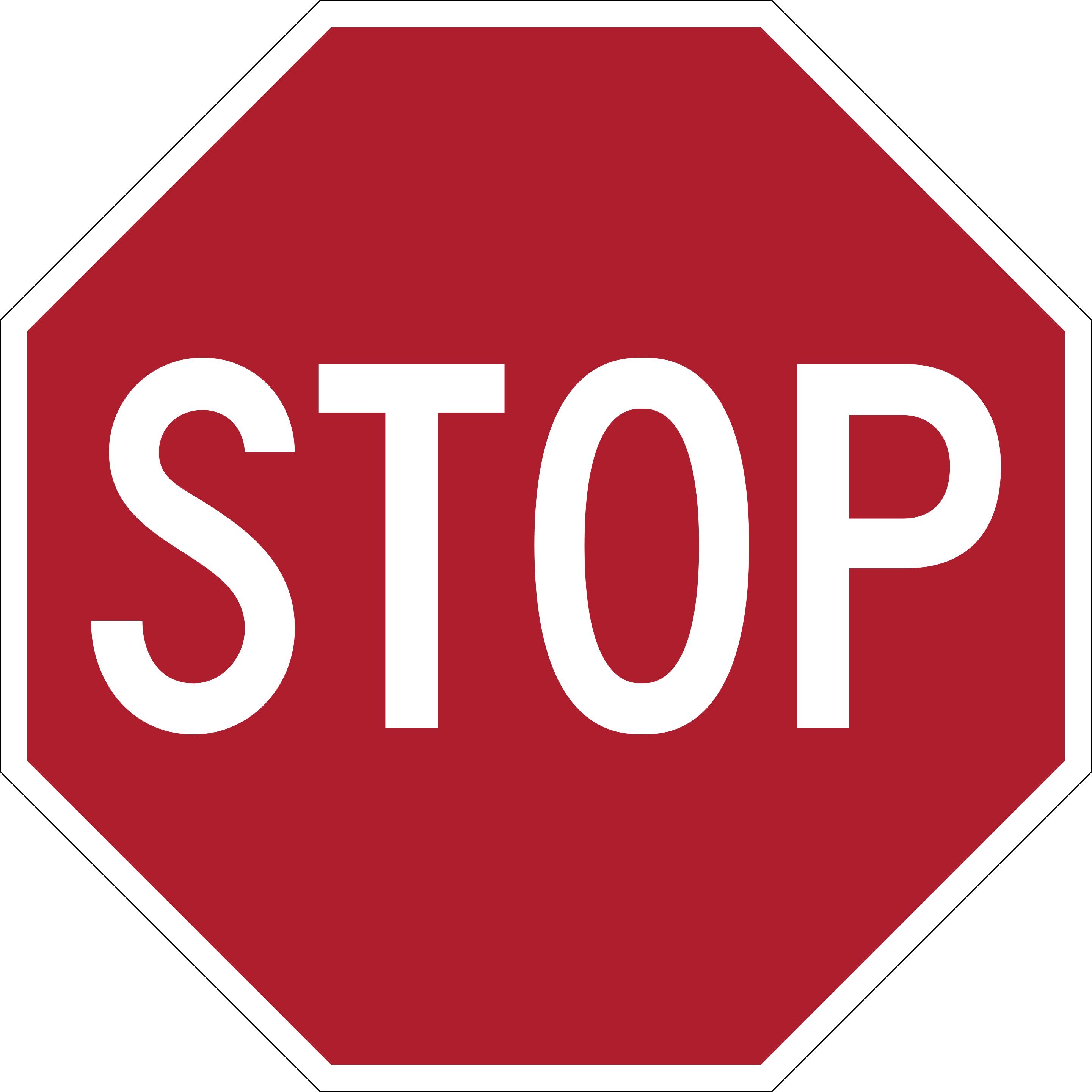
Stop 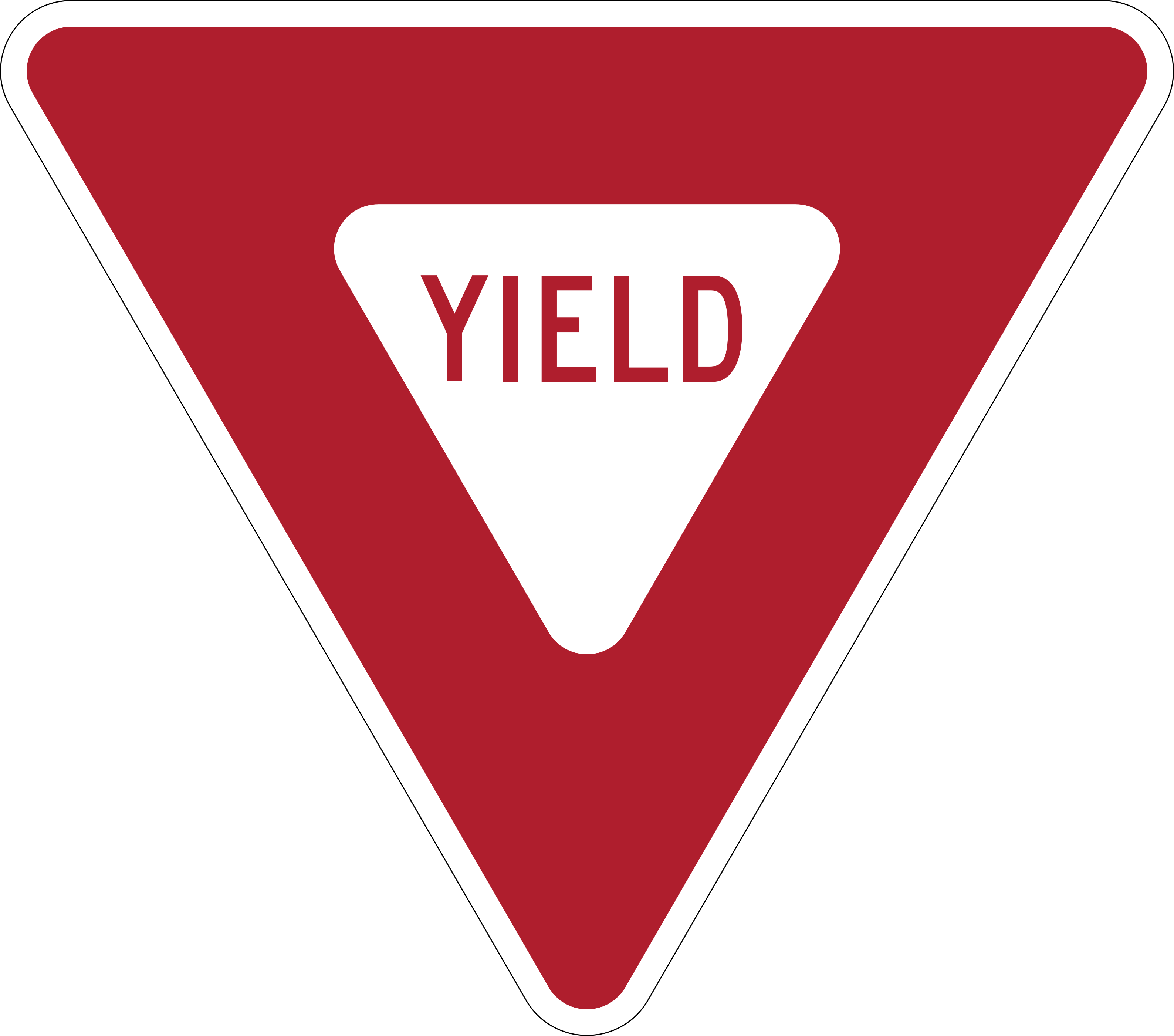
Yield 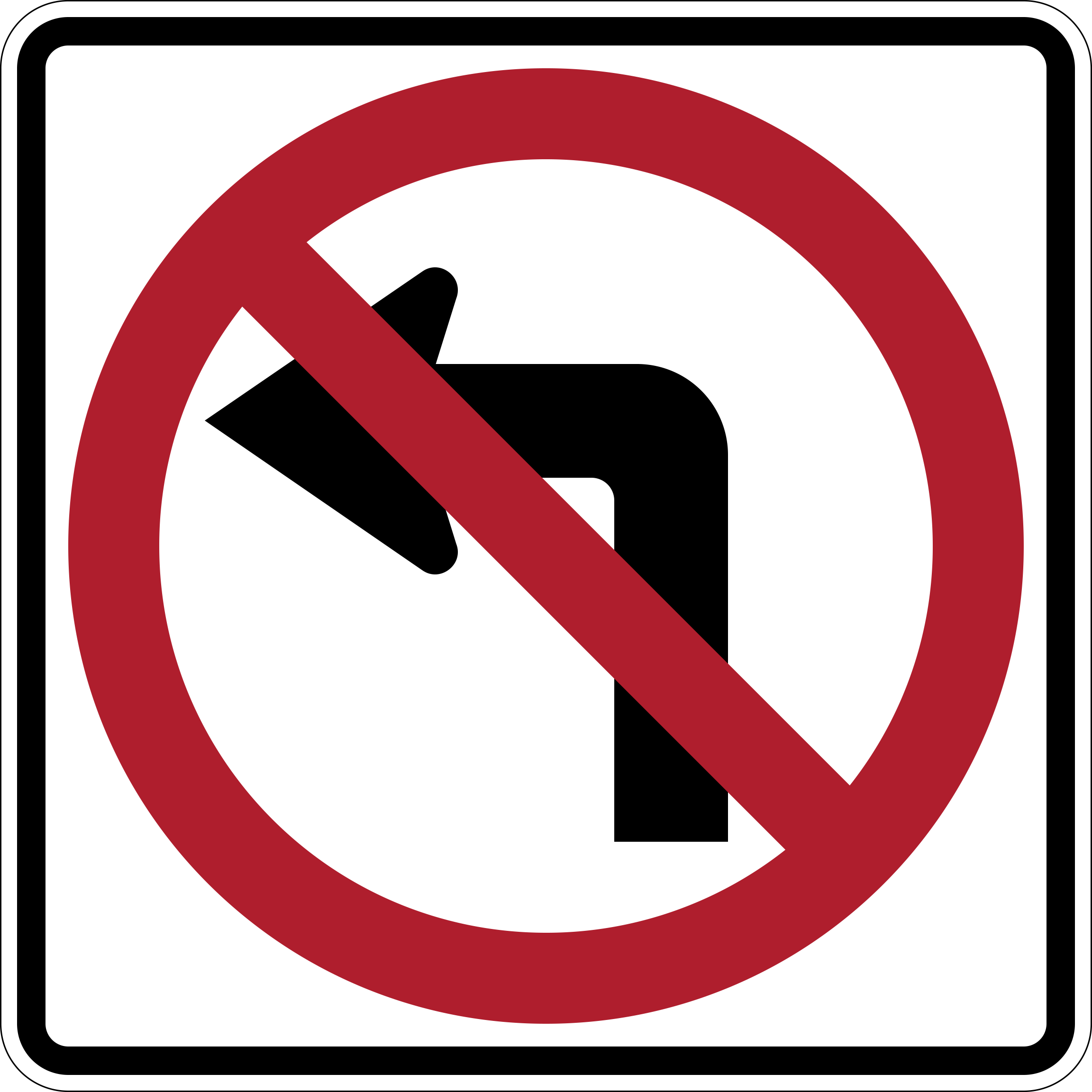
No left turn 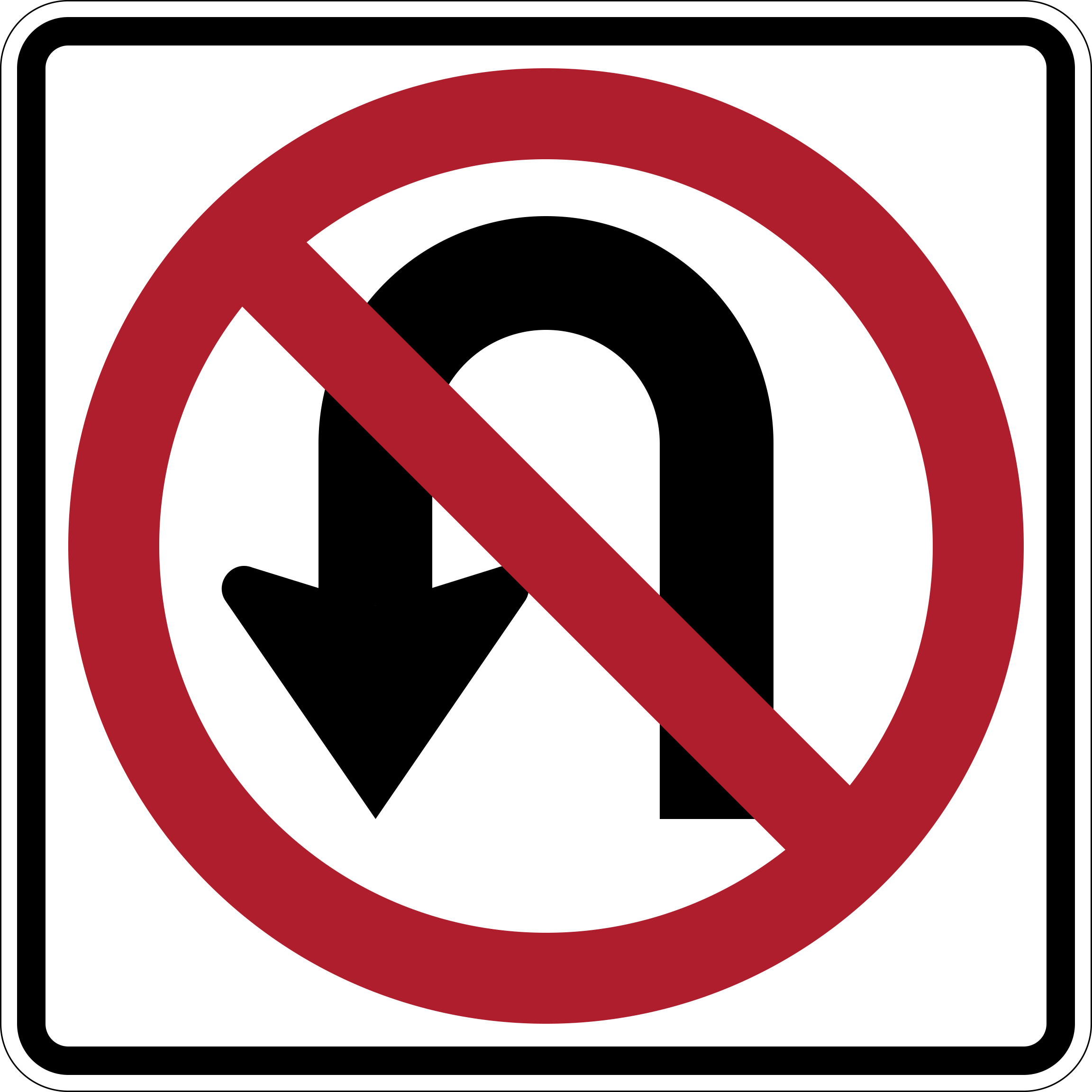
No U turn 
Slow moving vehicle
3 questions from the West Virginia practice test
1. Why must a driver recognize a traffic sign even when its words are hard to read?
- Traffic signs are advisory and may always be ignored
- The sign's shape and color still help identify the needed response
- Only the sign's location matters after dark
- Drivers should wait for another vehicle to explain it
Show answer
The sign's shape and color still help identify the needed response. West Virginia explains that sign shape and color remain useful when fading light, fog, rain, snow, or darkness hide the lettering. The handbook gives examples: an eight-sided octagon is reserved for stop signs, and a pennant marks the start of a no-passing zone. Recognizing the shape lets a driver prepare the right response before the words are readable. Traffic signs are not optional, and waiting for another vehicle to explain the sign leaves too little time to react. Reduce speed, read the shape and color, and respond accordingly.
2. What information do square and rectangular traffic signs generally provide?
- A guarantee that the lane ahead is free of hazards
- A warning that a train is approaching the crossing
- Traffic regulations and guidance about speed or direction
- A marker showing only the name of a nearby town
Show answer
Traffic regulations and guidance about speed or direction. Square and rectangular signs are used to show traffic regulations and guide a driver's speed and direction. They can communicate speed limits, lane directions, or other road rules. The circular or crossbuck railroad signs serve a different purpose, while a guide sign can identify a place without defining all traffic requirements. No sign shape guarantees that a roadway is hazard-free. Read the words and symbols, then combine the instruction with the actual traffic and road conditions around the vehicle.
3. What does a red diagonal bar on a regulatory sign communicate?
- Railroad crossing ahead
- Complete stop at every intersection
- School zone ahead
- No or prohibited
Show answer
No or prohibited. A red outline with a diagonal bar through a sign means “NO,” or that the pictured action is prohibited. The marking does not automatically mean a complete stop, which is conveyed by the octagonal stop sign. A school zone uses a pentagon warning sign, while a railroad crossing has its own warning shapes and signals. Read the symbol inside the red bar to identify the movement that is forbidden. The practical cue is the diagonal bar: it changes the pictured action from something permitted into something the driver must not do.
Practice this topic
Lock it in with road signs questions from the free West Virginia practice test. Every answer comes with a plain English explanation.
Source: the West Virginia Driver's Licensing Handbook, Chapter V: Traffic Control Devices. This lesson is a plain English summary, not the law itself; where it differs, the manual and the statute govern. Last checked 2026-09-27.