
500 cards · Every topic · Free 2026
Connecticut DMV Flashcards
Start the flashcards ↓Every question in the Connecticut bank as a flashcard, not only the 86 road sign cards. Read the question, flip for the answer and a short explanation from the Connecticut Driver's Manual, then sort it into Still learning or Know it.
0 of 500 Connecticut cards in Know it
Loading the rest of the 500 cards. You can start with these.
Card 1 of 50Alcohol and DUI
Keyboard: space flips, left and right arrows move. On a phone, swipe the card.
First 50 of 500 questions and answers
The first 50 cards as a plain list: each question with its correct answer and the handbook page it comes from. The interactive cards above cover all 500 questions. Use them to quiz yourself.
What is the lowest BAC threshold for Connecticut's under-21 alcohol driving rule?
Answer: 0.02% or more
Handbook, p. 33At an intersection without signs or signals, which approaching vehicle has priority?
Answer: The vehicle approaching from the right
Handbook, p. 36Two vehicles reach a four-way stop at the same time. Which one proceeds first?
Answer: The vehicle on the right
Handbook, p. 36In Connecticut, what kind of crosswalk may still give a pedestrian the right-of-way?
Answer: A marked or unmarked crosswalk
Handbook, p. 36What right-of-way does a pedestrian with a guide dog or white cane have?
Answer: Absolute right-of-way, and drivers should not use the horn
Handbook, p. 36A driver turning left at an intersection must yield to which traffic?
Answer: Oncoming traffic going straight through
Handbook, p. 36When entering a roadway from a driveway or private alley, whom must you yield to?
Answer: Traffic already on the roadway
Handbook, p. 37When may a driver enter an intersection under Connecticut's instruction not to block it?
Answer: Only when the driver can get completely through without stopping
Handbook, p. 37A bus traveling in your direction signals to reenter traffic. What should you do?
Answer: Yield to the bus
Handbook, p. 18If the vehicle you are passing begins slowing or stopping, what must you do?
Answer: Yield to that vehicle
Handbook, p. 37An emergency vehicle approaches while you are already in an intersection. What should you do first?
Answer: Drive through the intersection, then pull over
Handbook, p. 37A school bus is stopped with red lights flashing on your side of a two-way road. What is required?
Answer: Stop and remain stopped until it is safe to proceed
Handbook, p. 37When may you continue past a school bus with flashing red lights traveling toward you?
Answer: When a median or other physical barrier separates the roadways
Handbook, p. 37Near a school or school crossing, which speed instruction applies?
Answer: Obey the slower posted speed limit
Handbook, p. 16On dry pavement with good tires and brakes, about how far can it take to stop at 50 mph?
Answer: About 400 feet
Handbook, p. 36Which statement describes the special Connecticut cell phone rule for a licensed driver aged 16 or 17?
Answer: All phone use is prohibited, including hands-free use
Handbook, p. 13What phone use does Connecticut permit an adult driver to use while operating on a public highway?
Answer: Only hands-free mobile telephone accessories, subject to listed exceptions
Handbook, p. 13How long must applicants who do not complete commercial or secondary school driver education wait after a learner’s permit is issued before taking the driver’s exam?
Answer: 180 days
Handbook, p. 6What does the Connecticut manual say about its relationship to the Connecticut General Statutes?
Answer: It is not a precise statement of the statutes
Handbook, p. 1During which period does the Connecticut manual allow studded tires?
Answer: November 15 through April 30
Handbook, p. 25Before entering a roundabout, to whom must an entering driver yield?
Answer: Traffic already circulating in the roundabout
Handbook, p. 37If an officer's hand signal conflicts with a traffic light, which instruction controls?
Answer: The officer's hand signal
Handbook, p. 36Why is shifting gears while driving across railroad tracks discouraged?
Answer: The vehicle might stall on the tracks
Handbook, p. 51What does the chemical test requested after a DUI arrest show?
Answer: The driver's blood alcohol content
Handbook, p. 33When an emergency vehicle approaches from any direction using a siren or flashing lights, where should you stop?
Answer: Along the right edge of the road, or as near to the right as possible
Handbook, p. 16Which condition can make the posted speed unsafe even when the number on the speedometer matches the sign?
Answer: Wet or icy pavement, poor visibility, or heavy traffic
Handbook, p. 36Under Connecticut's Move Over Law, what must drivers do when any vehicle is pulled over on a highway or road?
Answer: Slow below the posted speed limit and move over one lane when safe
Handbook, p. 16Your headlights suddenly fail while driving. What is the recommended response?
Answer: Slow gradually, pull off, try the switch, then use emergency or other available lights if needed
Handbook, p. 40Which of these counts as one alcoholic drink in Connecticut's manual?
Answer: A 5 oz. glass of wine
Handbook, p. 33Before driving after taking an unfamiliar medicine, what should you check?
Answer: The label for driving warnings, and ask a doctor or pharmacist if unsure
Handbook, p. 33What minimum suspension follows a refusal to take a chemical test?
Answer: At least 45 days
Handbook, p. 33After a DUI arrest, what kinds of testing may be requested?
Answer: A blood, breath, or urine test
Handbook, p. 33For a driver age 21 or older who fails a chemical test for the first time, what IID period is listed?
Answer: Six months
Handbook, p. 33What must a Connecticut applicant pay for a license after passing the road test?
Answer: $84
Handbook, p. 7When do passenger restrictions not apply to a Connecticut learner’s permit holder?
Answer: During specific instruction from a licensed driver instructor at a commercial school or driver education program
Handbook, p. 6During months seven through twelve after licensing, which passengers may be added to the Connecticut teen driver's permitted passenger group?
Answer: Members of the driver's immediate family
Handbook, p. 8How long does a Connecticut vehicle owner have to fix an emissions failure?
Answer: 60 days to repair and have the emissions rechecked
Handbook, p. 11What fine does Connecticut law set when a driver age 18 or older is cited for not wearing a seat belt?
Answer: $50
HandbookWhich activity is expressly listed as an exception to Connecticut's teen passenger and curfew restrictions?
Answer: Responding to or returning from an emergency call as an active volunteer emergency service member
Handbook, p. 8What score is required to pass Connecticut's learner's permit knowledge test?
Answer: 20 correct out of 25
Handbook, p. 5What minimum visual acuity does Connecticut list for all license classes, with or without corrective lenses?
Answer: 20/40
Handbook, p. 5Under Connecticut law, who in a moving car is required to wear a seat safety belt?
Answer: The driver and every passenger
Handbook, p. 13At night, about how far ahead do high-beam headlights let you see?
Answer: 400 feet
Handbook, p. 38At this red eight-sided sign, what action is required?
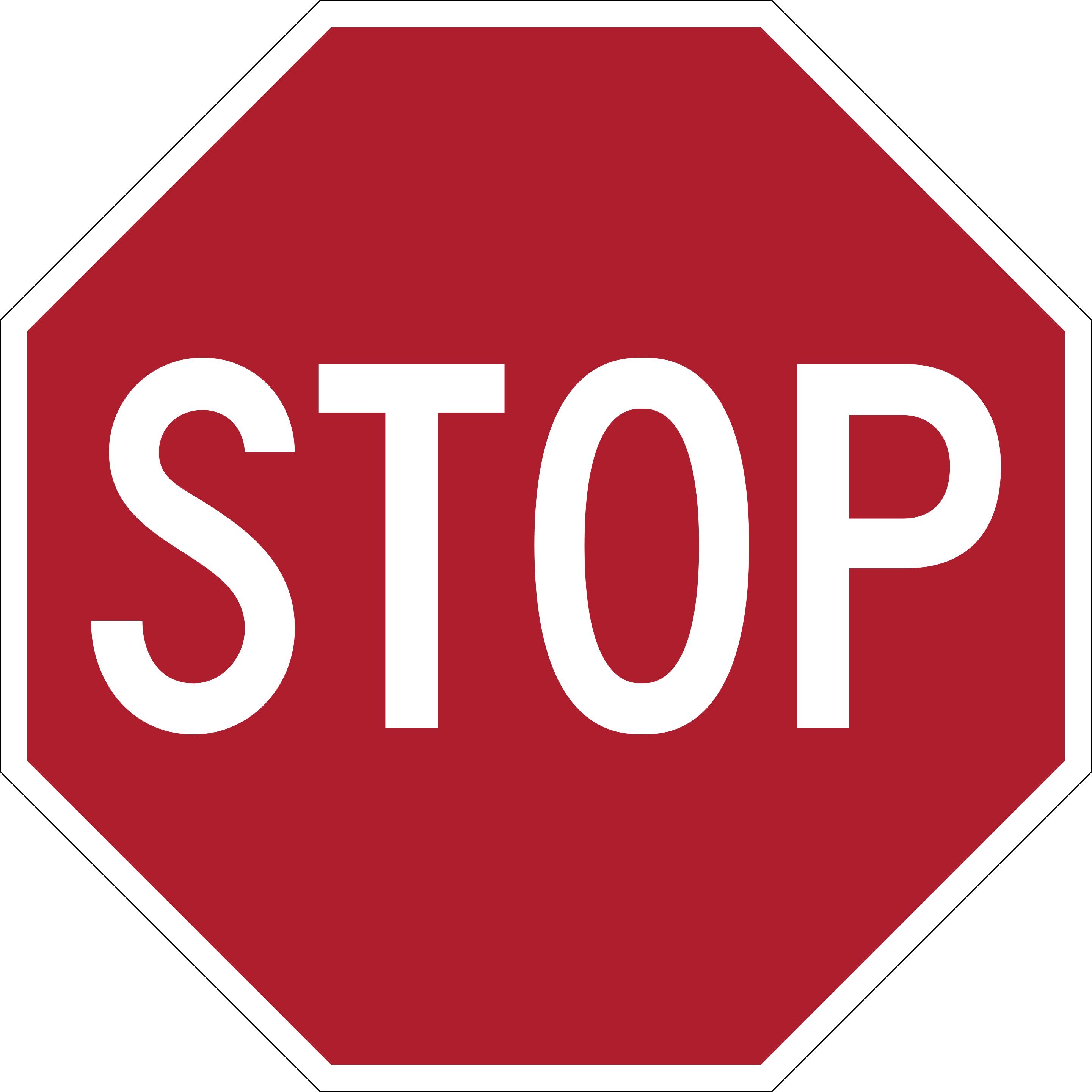
Answer: Come to a complete stop, then yield before proceeding
Handbook, p. 47What does the red and white downward-pointing triangle require?
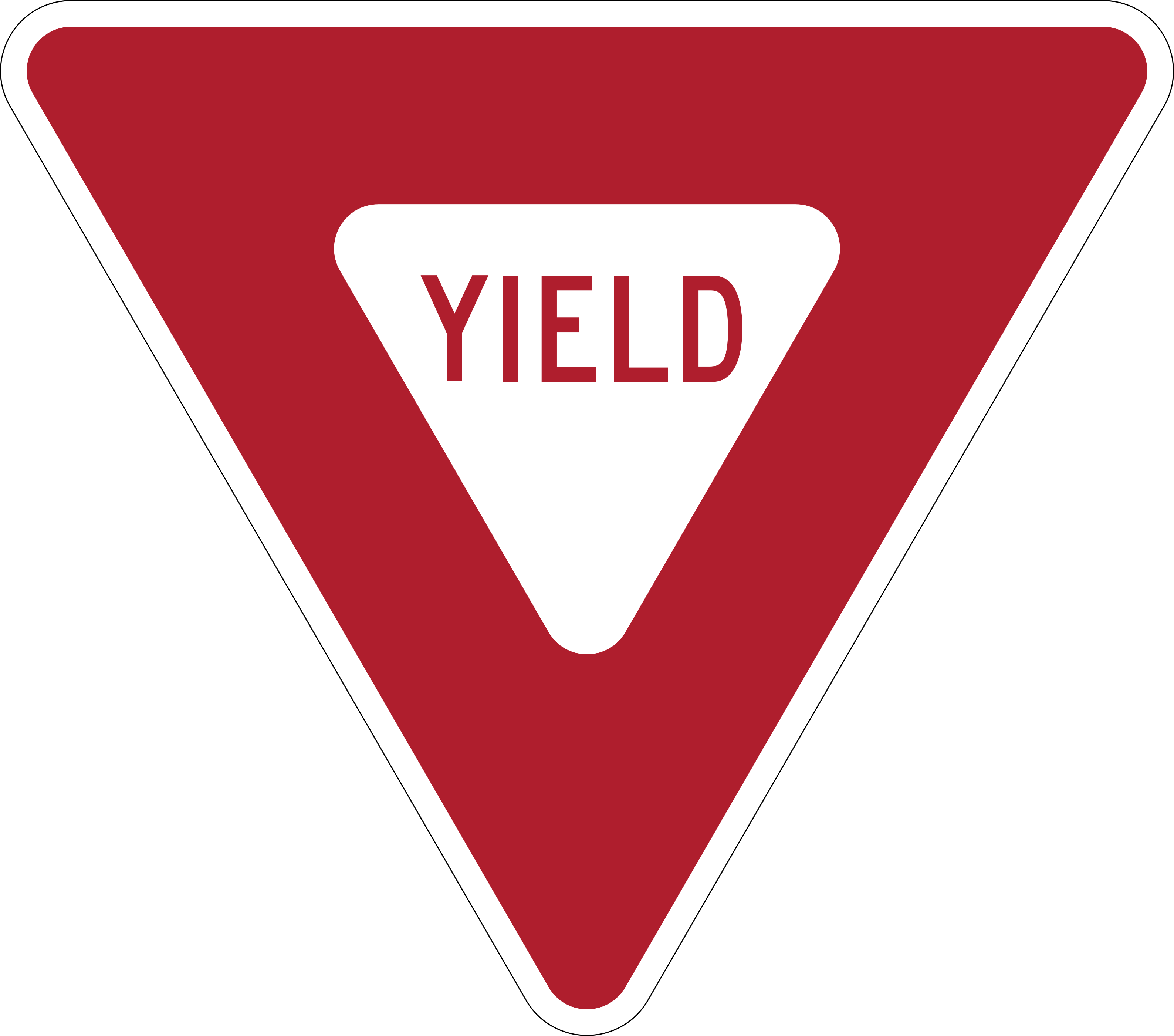
Answer: Slow to a reasonable speed and yield the right-of-way, stopping if necessary
Handbook, p. 46Where might a square sign with a white horizontal line inside a red ball be placed?
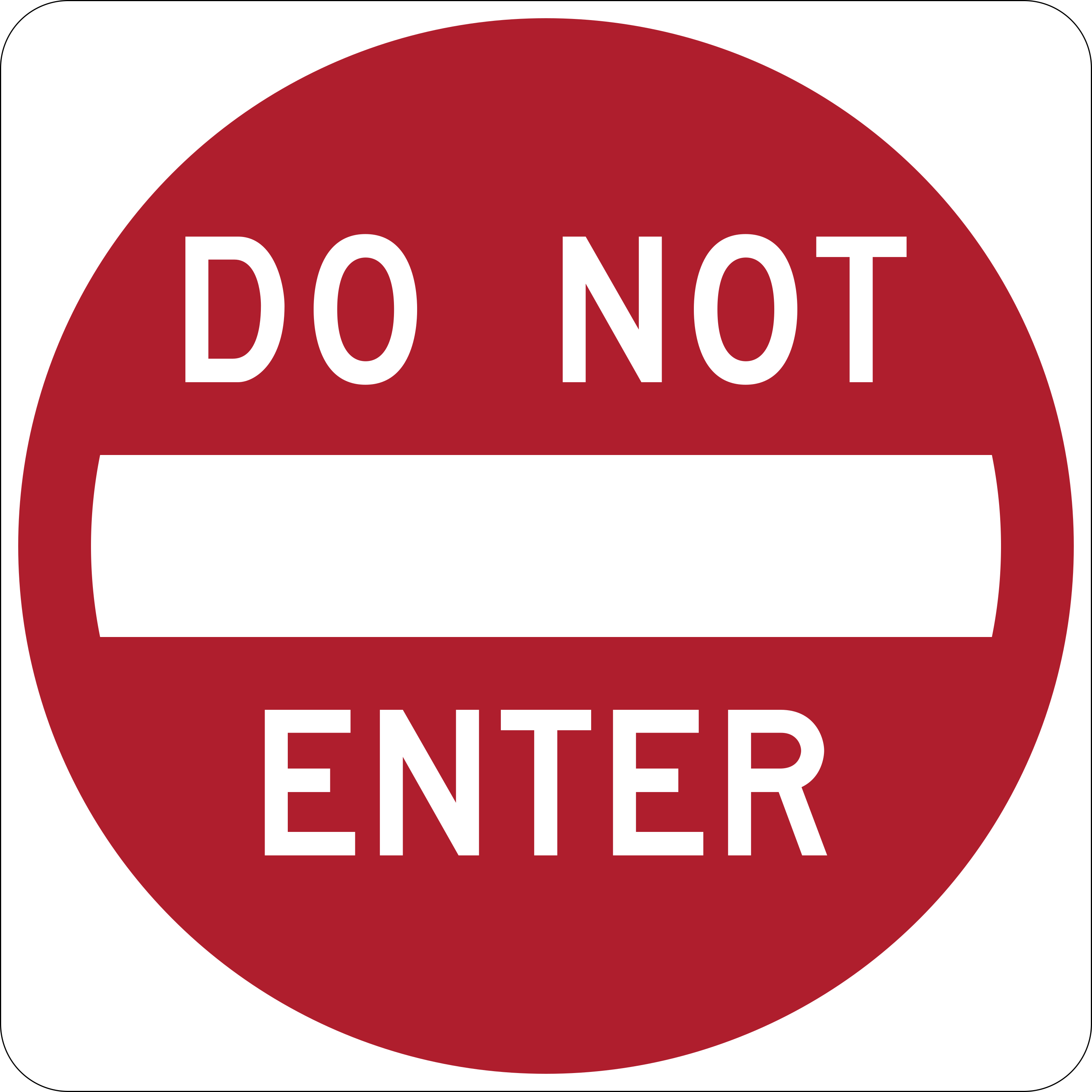
Answer: At a roadway opening that should not be entered, such as an exit ramp leading the wrong way
Handbook, p. 47A red rectangular WRONG WAY sign is facing you on a divided highway. What action is required?
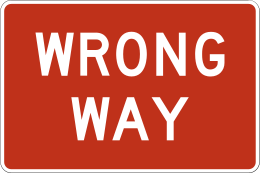
Answer: Stop driving past it and turn around when safe
Handbook, p. 47On a one-way street, what does the black-and-white arrow sign require?
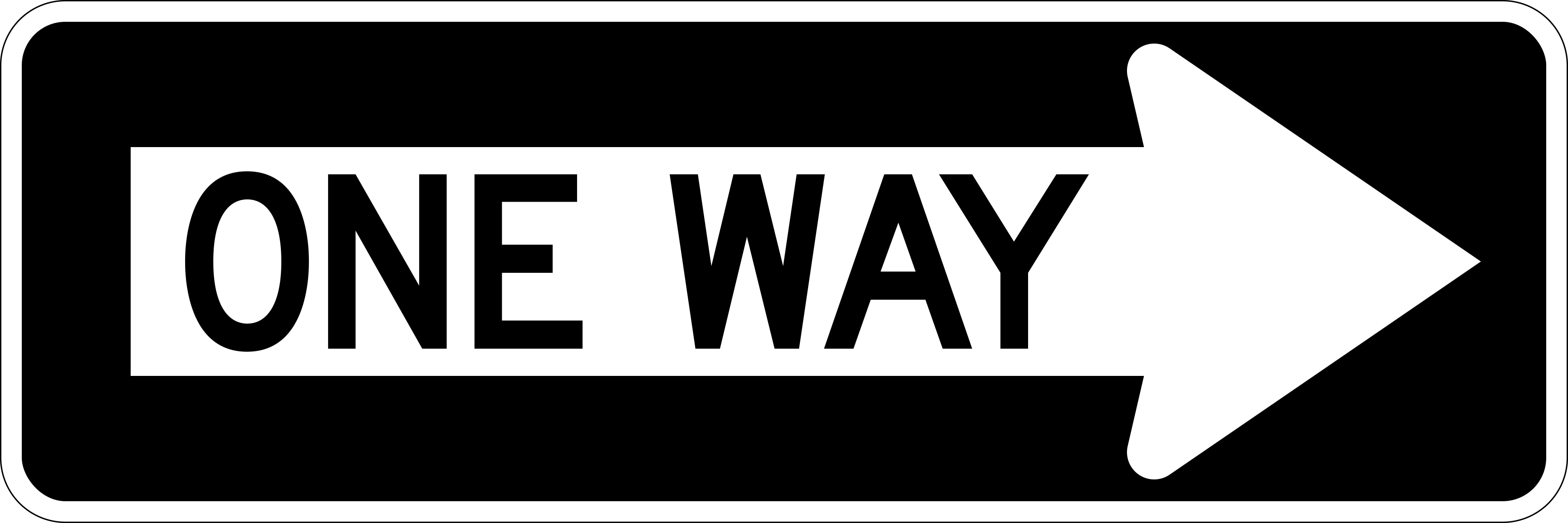
Answer: Travel only in the arrow's direction
Handbook, p. 48A circular slash covers a U-shaped arrow. Which maneuver is forbidden?
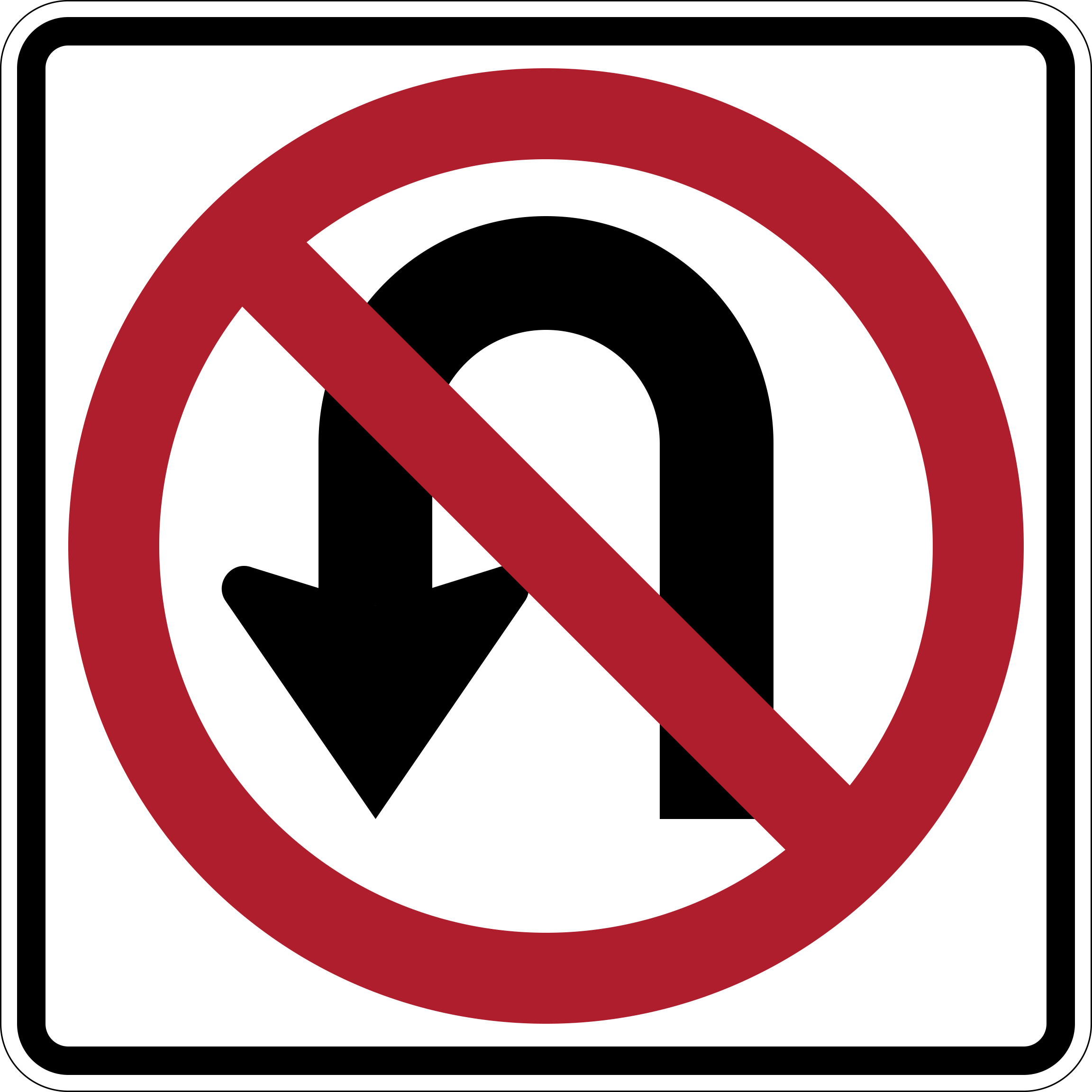
Answer: Making a U-turn
Handbook, p. 48What movement is prohibited by a red slash over a left-turn arrow?
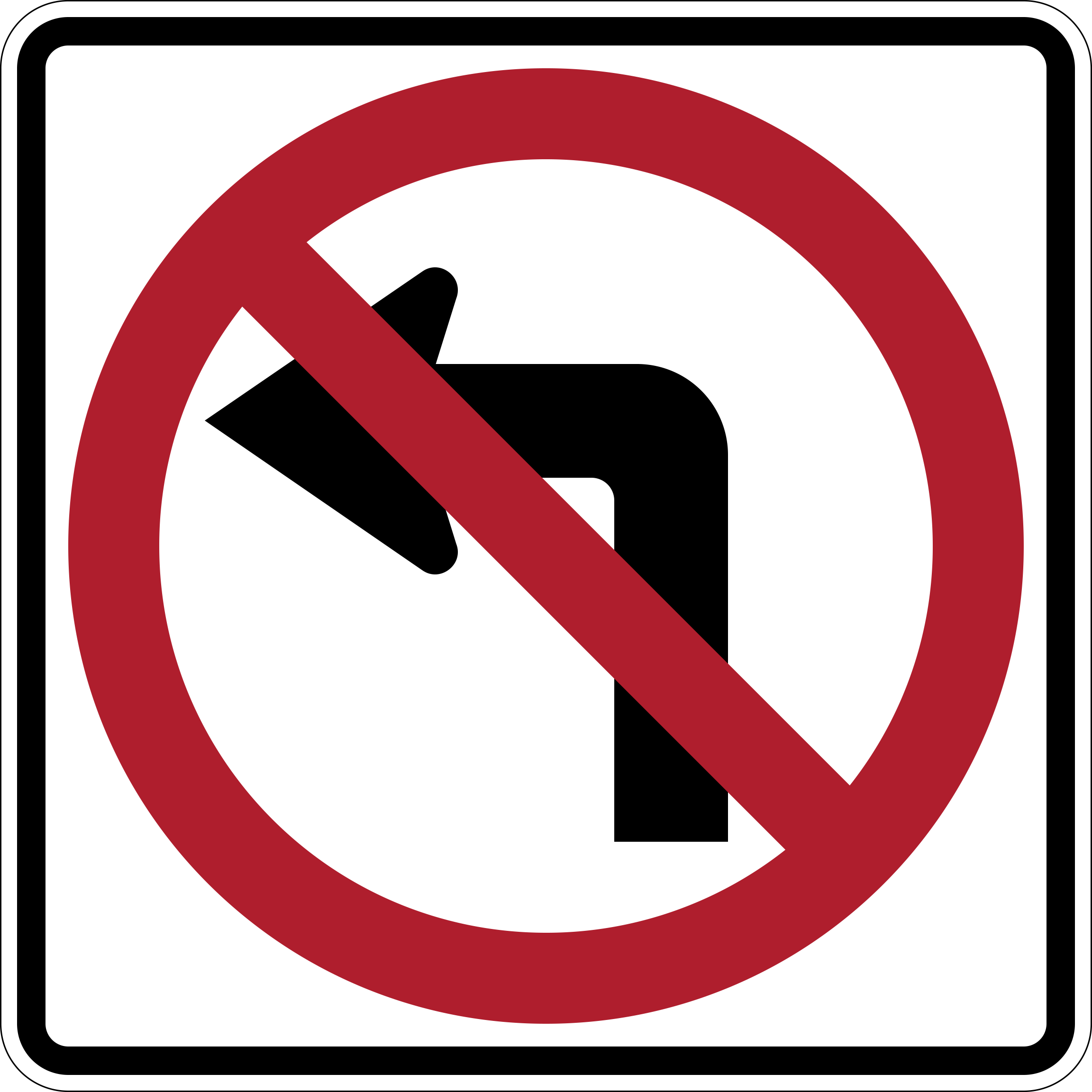
Answer: Turning left from that approach
Handbook, p. 47
How to use these flashcards
Go through the deck once and be honest: press Know it only when you could have said the answer before you flipped. Then switch to Still learning and repeat until that pile is empty. Your piles are saved on this device only, with no account.
Flashcards build recall. The real test asks you to pick from choices under time pressure, so finish with a full Connecticut practice test or a fixed 20 question test, and drill the road sign test with pictures.
Every card is written from the official Connecticut Driver's Manual. Page updated 2026-10-19. How we check every question. Spot something wrong? Use Report a mistake under any card.