
Key points
Regulatory signs are black or red on white and give instructions you must understand and obey.
Source: Handbook p. 38
“REGULATORY SIGN • black or red on white 1. 2. Regulatory signs indicate an instruction for the driver that must be understood and obeyed.”
Alaska Driver Manual, Handbook p. 38At a stop sign, stop completely before the intersection or at the stop line, behind the crosswalk.
Source: Handbook p. 38
“Make a complete stop before entering intersection or at stop line. Stop behind crosswalk.”
Alaska Driver Manual, Handbook p. 38At a yield sign, slow down, look both ways and yield, stopping if needed.
Source: Handbook p. 38
“Slow down as required when approaching this sign. Look both left and right, and yield to traffic and pedestrians. Stop required when necessary to avoid pedestrian or traffic on protected street.”
Alaska Driver Manual, Handbook p. 38Do not go past a Do Not Enter sign facing you at a roadway or ramp.
Source: Handbook p. 39
“Do not proceed beyond this sign which faces traffic entering a roadway or ramp in the wrong direction.”
Alaska Driver Manual, Handbook p. 39Warning signs are black on yellow and alert you to dangerous conditions; most mean slow down.
Source: Handbook p. 39
“WARNING SIGN • black on yellow 1. 2. 3. 4. Warning signs alert drivers to actual or potentially dangerous conditions ahead. Extra caution should be observed at all warning signs. Most warning signs imply a driver should decrease the speed of the vehicle.”
Alaska Driver Manual, Handbook p. 39Guide signs are white on green and give destinations, routes and mileage.
Source: Handbook p. 39
“GUIDE SIGN • white on green 1. 2. Destination, route guidance, and place names are provided to you on guide signs. Pay special attention to mileage information.”
Alaska Driver Manual, Handbook p. 39Black on orange signs mark road work and temporary conditions.
Source: Handbook p. 39
“black on orange 1. 2. Work in the road and temporary conditions requiring special alertness are indicated by these signs.”
Alaska Driver Manual, Handbook p. 39Five sided signs warn of school areas and crosswalks.
Source: Handbook p. 39
“Five-sided signs warn of school areas and school crosswalks requiring reduced speed.”
Alaska Driver Manual, Handbook p. 39White on blue signs show services like gas, food, lodging and rest areas.
Source: Handbook p. 39
“Services for your convenience such as Gas, Phone, Food, Lodging, Rest Areas, Campgrounds and Litter Barrels may be marked with white on blue signs.”
Alaska Driver Manual, Handbook p. 39A red circle with a diagonal slash marks a prohibited movement.
Source: Handbook p. 40
“A red circle with a diagonal slash indicates prohibited”
Alaska Driver Manual, Handbook p. 40
Recognize these signs
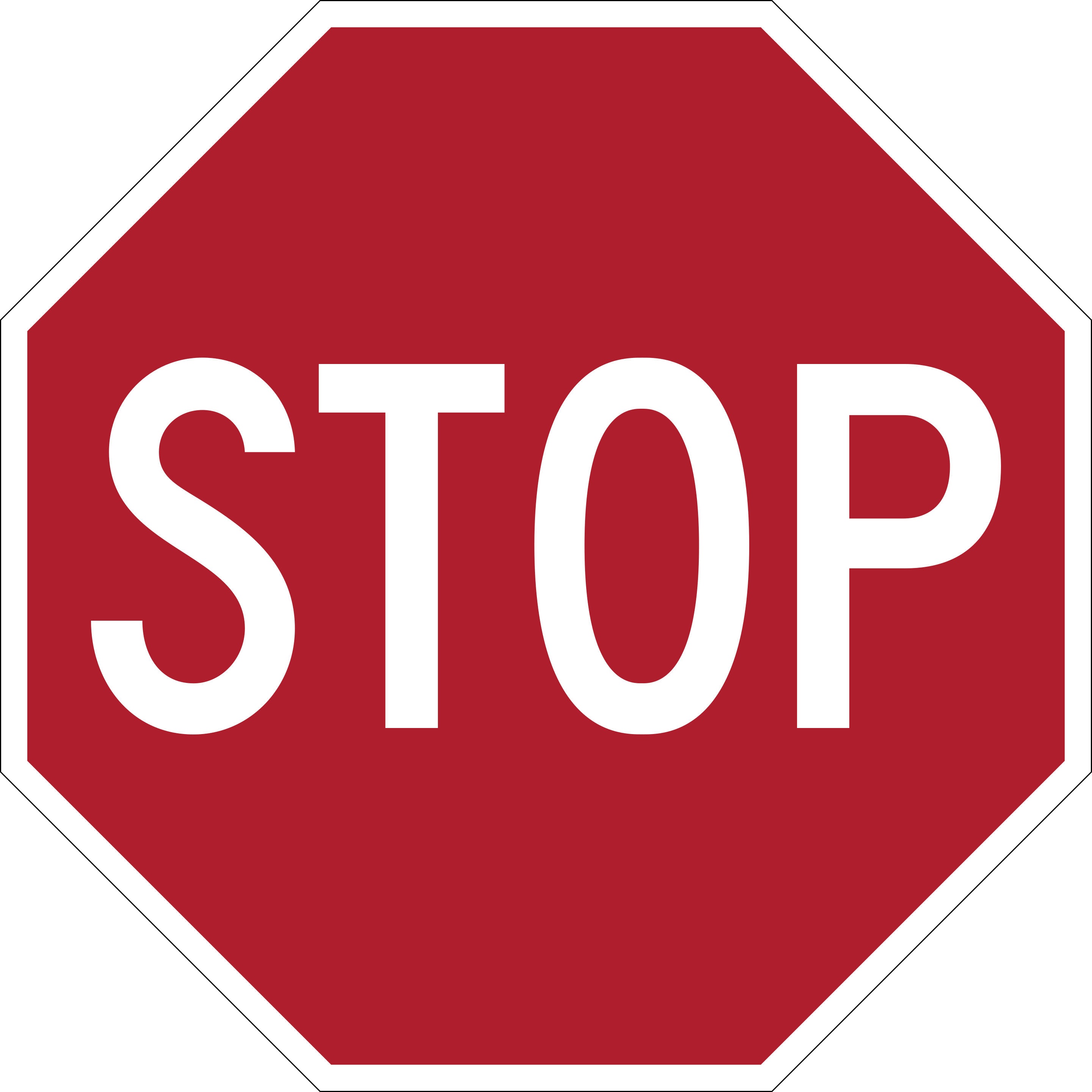
Stop 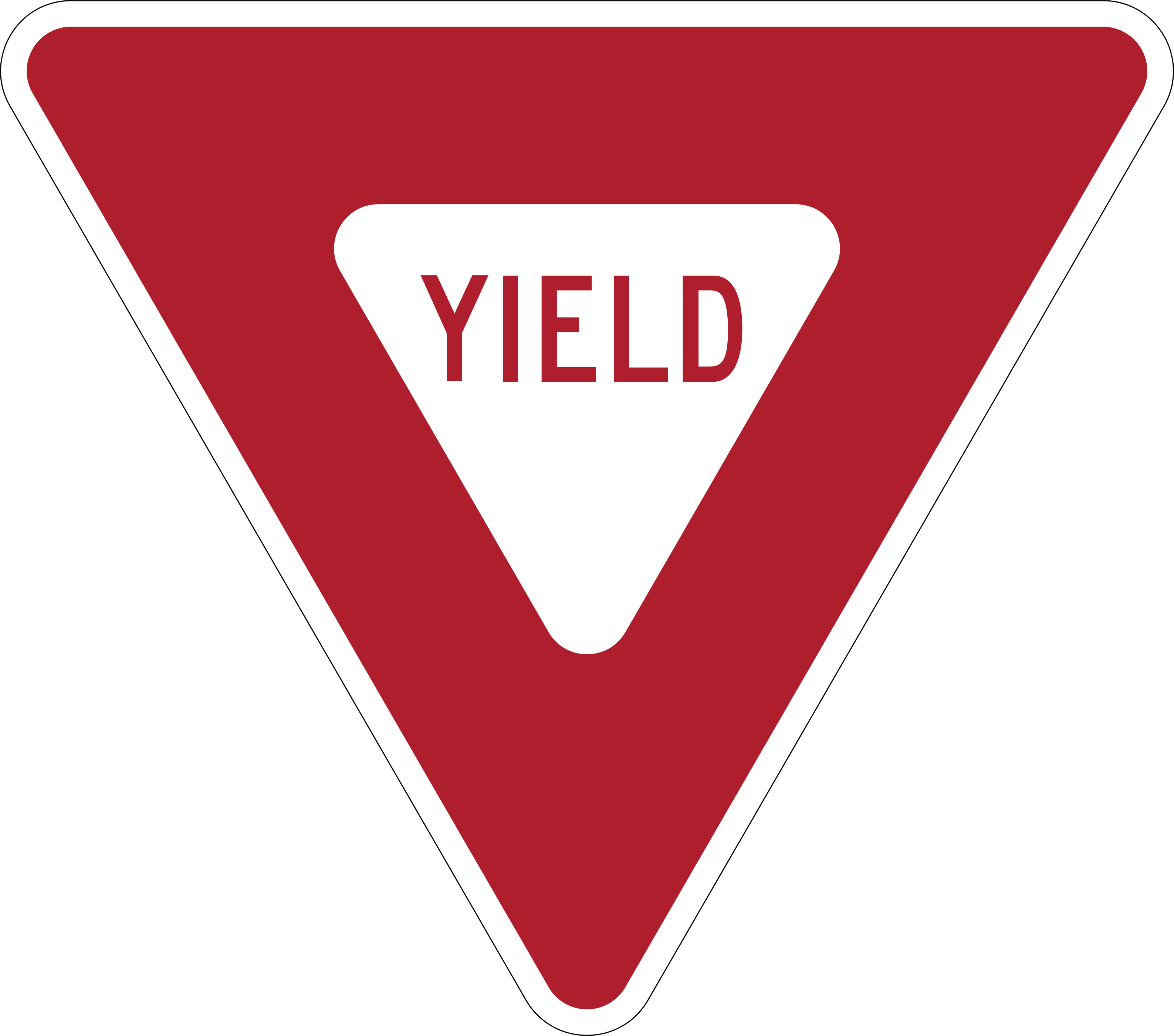
Yield 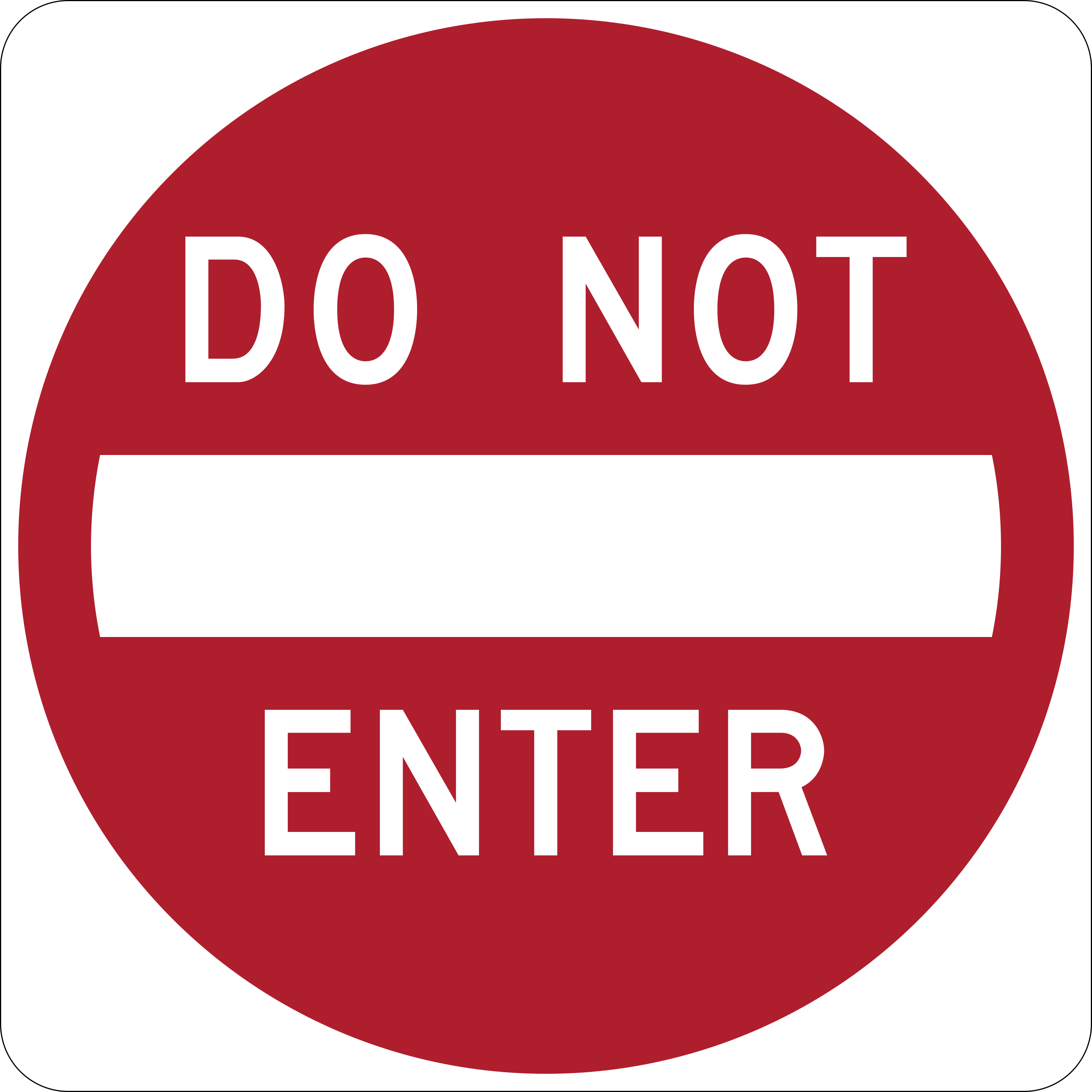
Do not enter 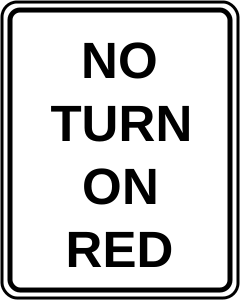
No turn on red 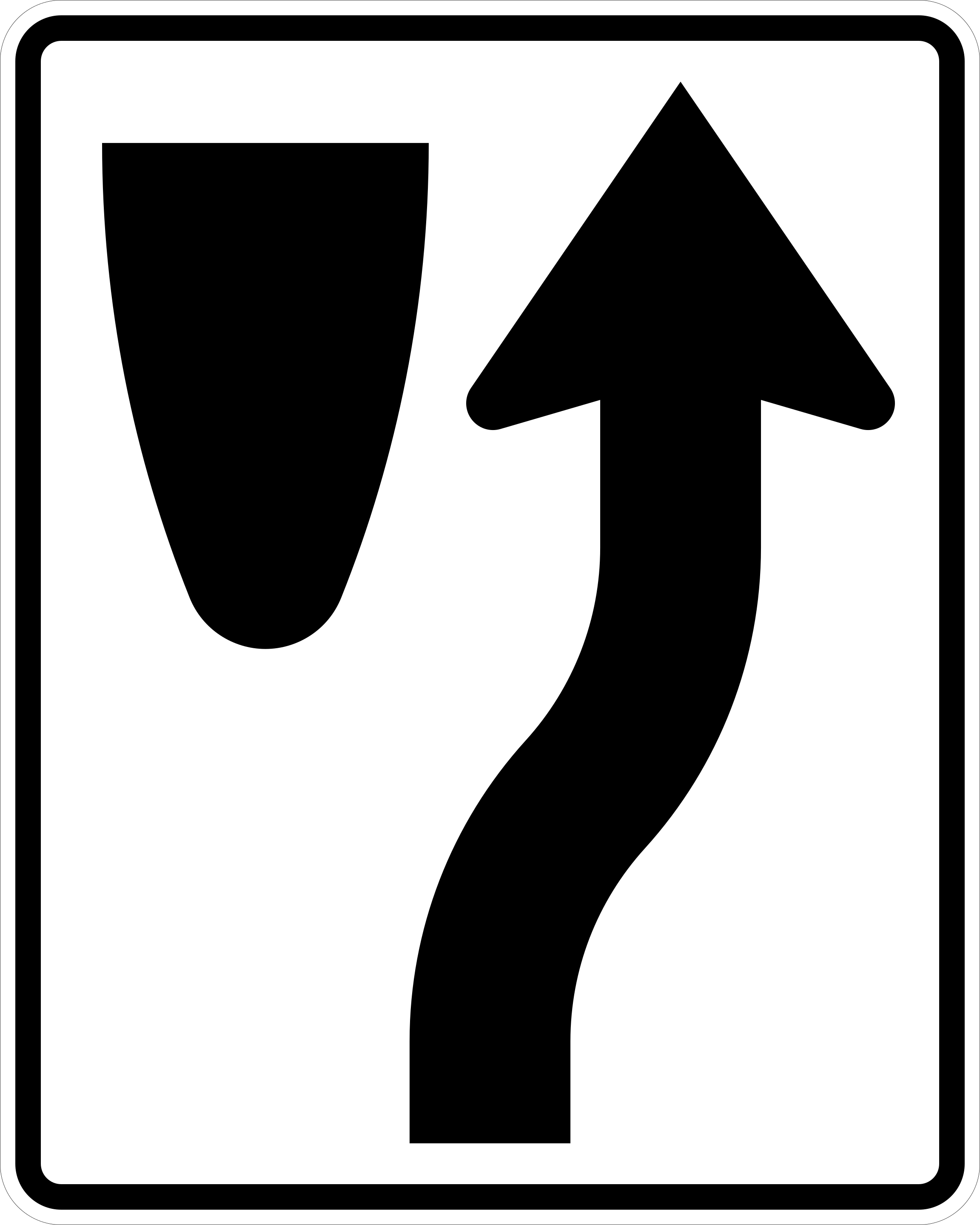
Keep right 
School 
Railroad crossing 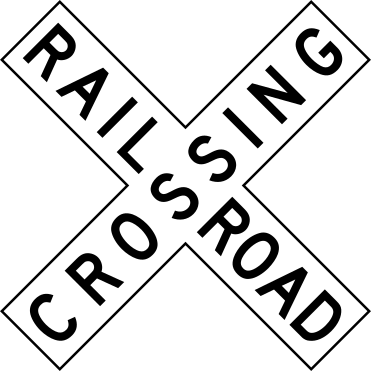
Railroad crossbuck 
Roundabout 
Deer crossing
3 questions from the Alaska practice test
1. What do regulatory signs tell a driver?
- An instruction that must be understood and obeyed
- Only the distance to the next town
- A possible wildlife hazard ahead
- The color of the pavement surface
Show answer
An instruction that must be understood and obeyed. Regulatory signs communicate an instruction backed by statute, regulation, or local ordinance, so the driver must understand and obey it. A destination or mileage clue belongs to guide signs, while a possible hazard is the role of a warning sign. Pavement color is not the function described in the manual. Because violating a regulatory instruction can result in a traffic citation, treat these signs as commands or restrictions rather than general travel information. The sign's wording and color pattern should prompt compliance with the stated rule.
2. What response do most Alaska warning signs imply?
- Stop in the travel lane at every warning sign
- Ignore the sign unless a police officer is present
- Maintain speed because warning signs are regulatory
- Decrease speed and adjust driving to the situation
Show answer
Decrease speed and adjust driving to the situation. Warning signs identify actual or potentially dangerous conditions ahead. The manual says most imply that the driver should decrease speed, observe extra caution, and adjust driving to the situation. They do not require an officer's presence, and they are not the same as regulatory commands. A full stop at every warning sign would also overstate the instruction. Read the sign as an advance cue to manage speed and attention, then respond to the particular curve, crossing, construction area, or other condition shown.
3. What information do Alaska guide signs provide?
- Only emergency telephone numbers
- Mandatory stop instructions and penalties
- Warnings about all dangerous conditions ahead
- Destination, route guidance, and place names
Show answer
Destination, route guidance, and place names. Guide signs provide destination information, route guidance, and place names. The choice describing mandatory stops belongs to regulatory signs, while warnings about dangerous conditions belong to warning signs. Guide signs help drivers plan their path and judge where an exit or turn leads, so the manual advises paying special attention to mileage information. A green and white guide sign is a planning cue: read it early, confirm the route before changing lanes, and avoid sudden movements caused by waiting until the last moment.
Practice this topic
Lock it in with road signs questions from the free Alaska practice test. Every answer comes with a plain English explanation.
Source: the Alaska Driver Manual, Signs, Signals and Markings. This lesson is a plain English summary, not the law itself; where it differs, the manual and the statute govern. Last checked 2026-09-27.