
Key points
North Dakota uses 3 kinds of signs: regulatory, warning and guide signs.
Source: Handbook p. 9
“We use three basic kinds of signs on our streets and highways: Regulatory signs, Warning signs, and Guide signs.”
North Dakota Noncommercial Driver License Manual, Handbook p. 9Regulatory signs give mandatory instructions; most are white with black letters or red with white letters.
Source: Handbook p. 9
“They give mandatory instructions to the driver. Most are white with black letters or red with white letters.”
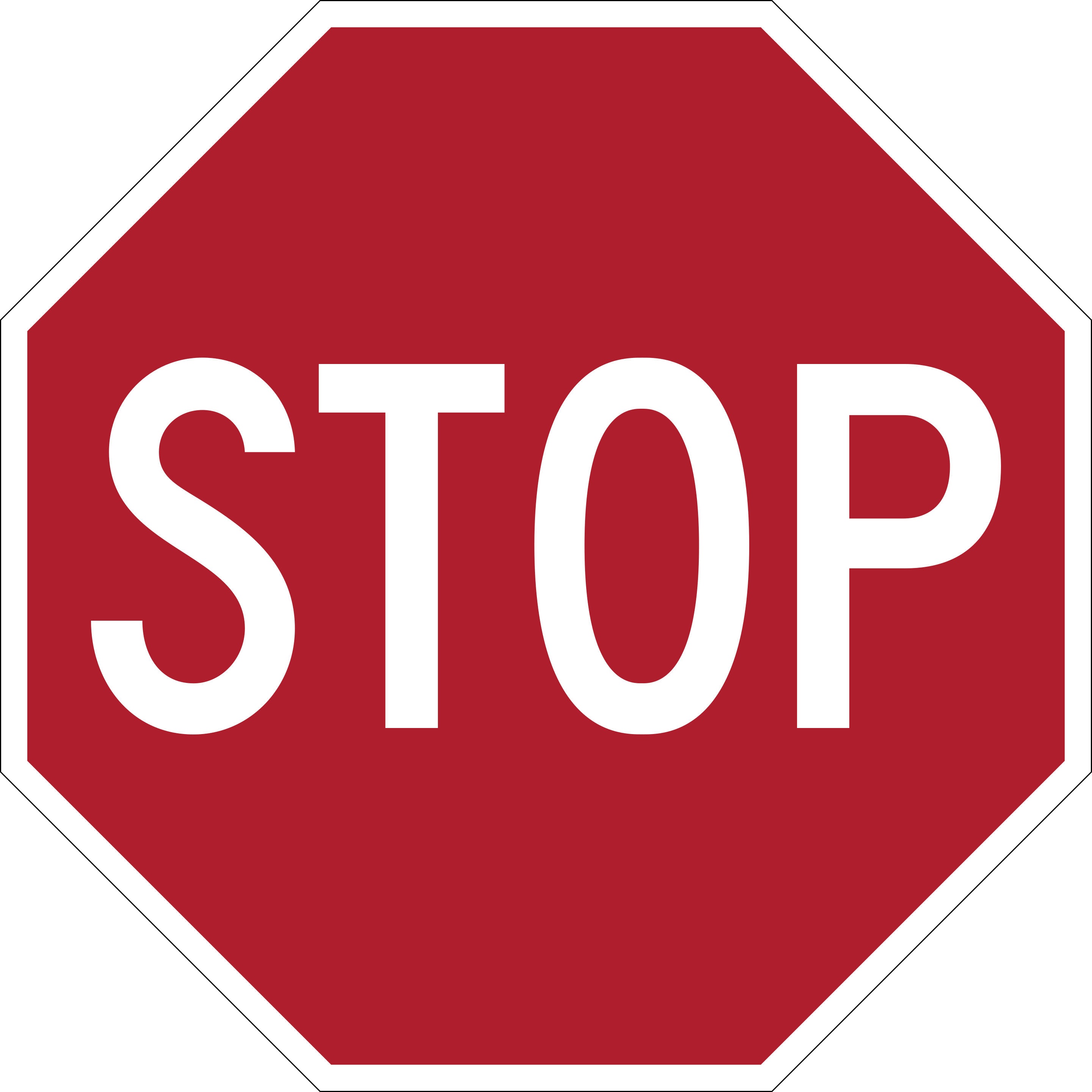
North Dakota Noncommercial Driver License Manual, Handbook p. 9The Stop sign is the only eight sided sign. With no stop line or crosswalk, stop as near as possible before the intersection where you can safely see traffic from all directions.
Source: Handbook p. 9
“The Stop sign is the only eightsided sign. The Stop sign tells you that you must come to a complete stop before the stop line or crosswalk area. If there is no stop line or crosswalk, stop as near as possible before the intersection where you can safely see traffic approaching from all directions.”
North Dakota Noncommercial Driver License Manual, Handbook p. 9A Yield sign means slow down and stop if necessary to yield the right of way.
Source: Handbook p. 9
“The sign tells you to slow down and stop if necessary so you can yield the right of way.”
North Dakota Noncommercial Driver License Manual, Handbook p. 9A Speed Limit sign shows the maximum speed permitted under ideal conditions.
Source: Handbook p. 9
“The Speed Limit sign is an example of a regulatory sign showing the maximum speed permitted under ideal conditions.”
North Dakota Noncommercial Driver License Manual, Handbook p. 9The rectangular Do Not Pass sign is on the right side; the pennant shaped sign is on the left.
Source: Handbook p. 10
“The rectangular “Do Not Pass” sign is placed on the right side of the road while the pennant-shaped sign is found on the left-hand side.”
North Dakota Noncommercial Driver License Manual, Handbook p. 10A red circle with a red slash shows the action that is forbidden.
Source: Handbook p. 10
“A red circle with a red slash indicates the action that is forbidden.”
North Dakota Noncommercial Driver License Manual, Handbook p. 10Direction guide signs have white letters on a green background.
Source: Handbook p. 14
“The letters are white on a green background. These signs give information about the direction of and distance to your destination.”
North Dakota Noncommercial Driver License Manual, Handbook p. 14Milepost numbers tell you how many miles you are from the south or west border of the state, or from the route's origin within the state.
Source: Handbook p. 14
“The numbers on these signs tell you how many miles you are from the south or west border of the state or origin of the route within the state.”
North Dakota Noncommercial Driver License Manual, Handbook p. 14
Numbers to know
| Number | What it means | Manual |
|---|---|---|
| 3 kinds | regulatory, warning and guide signs | Handbook p. 9 |
Recognize these signs
Stop 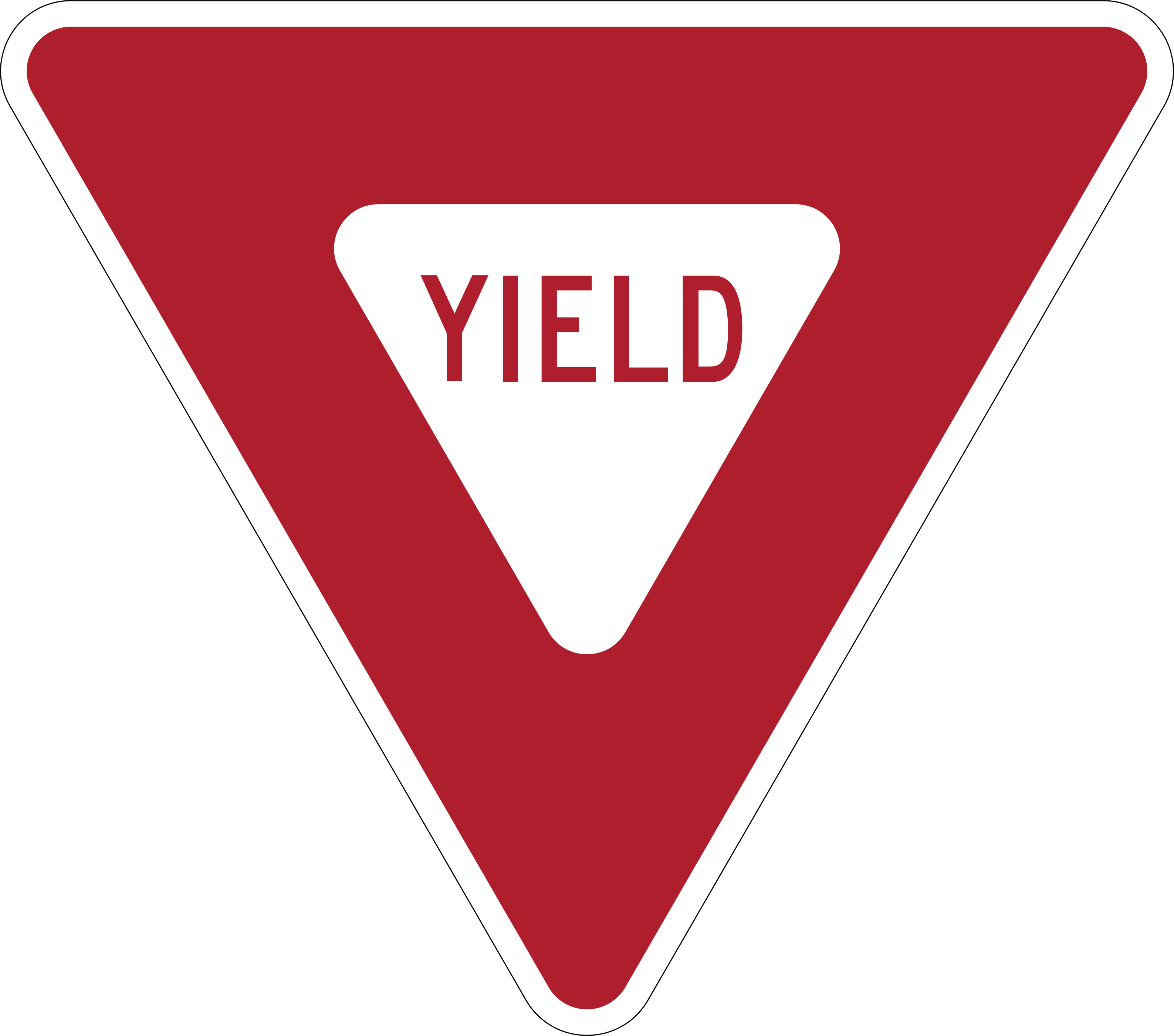
Yield 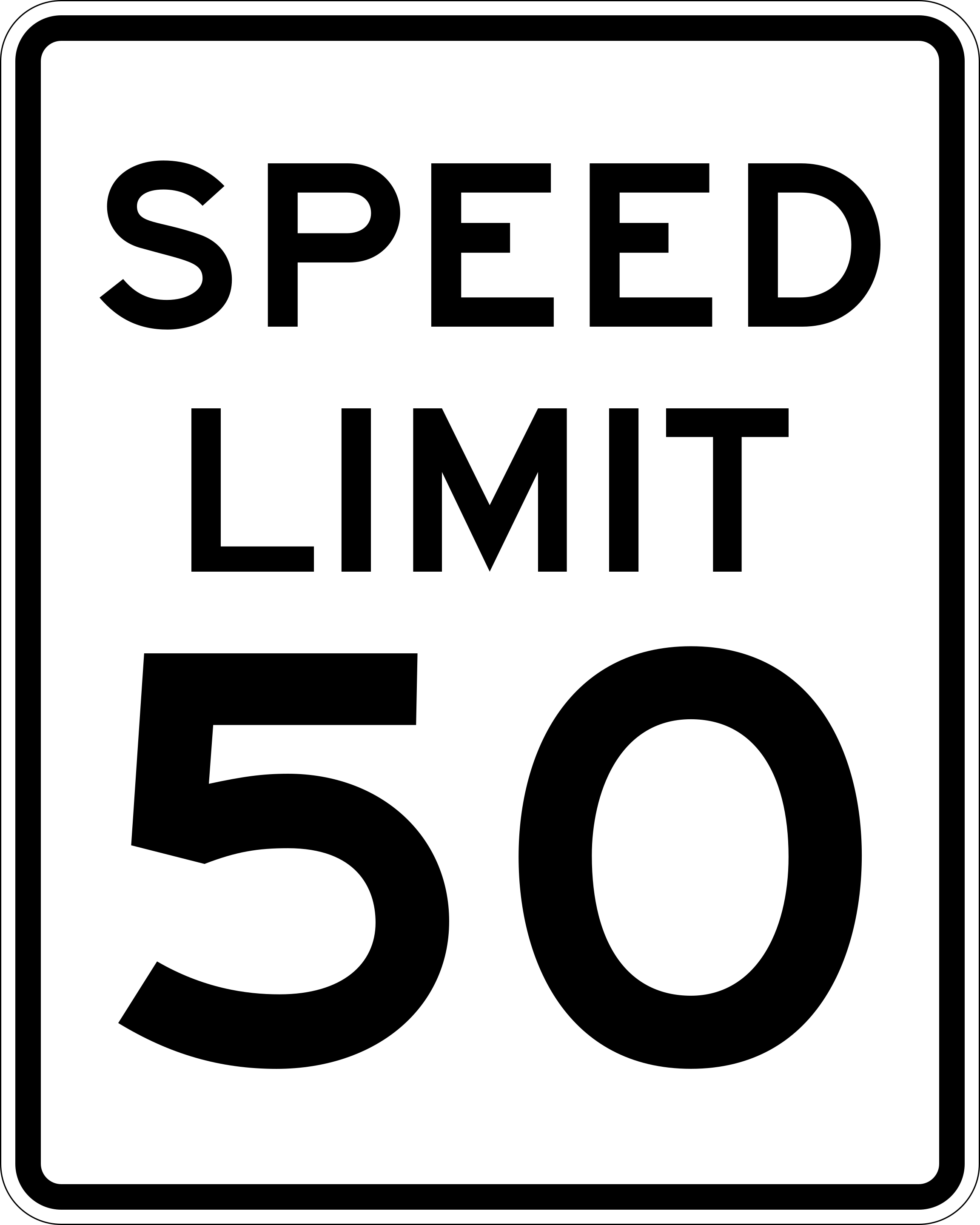
Speed limit 
One way 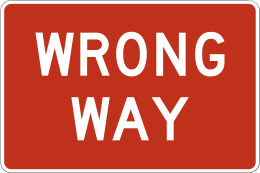
Wrong way 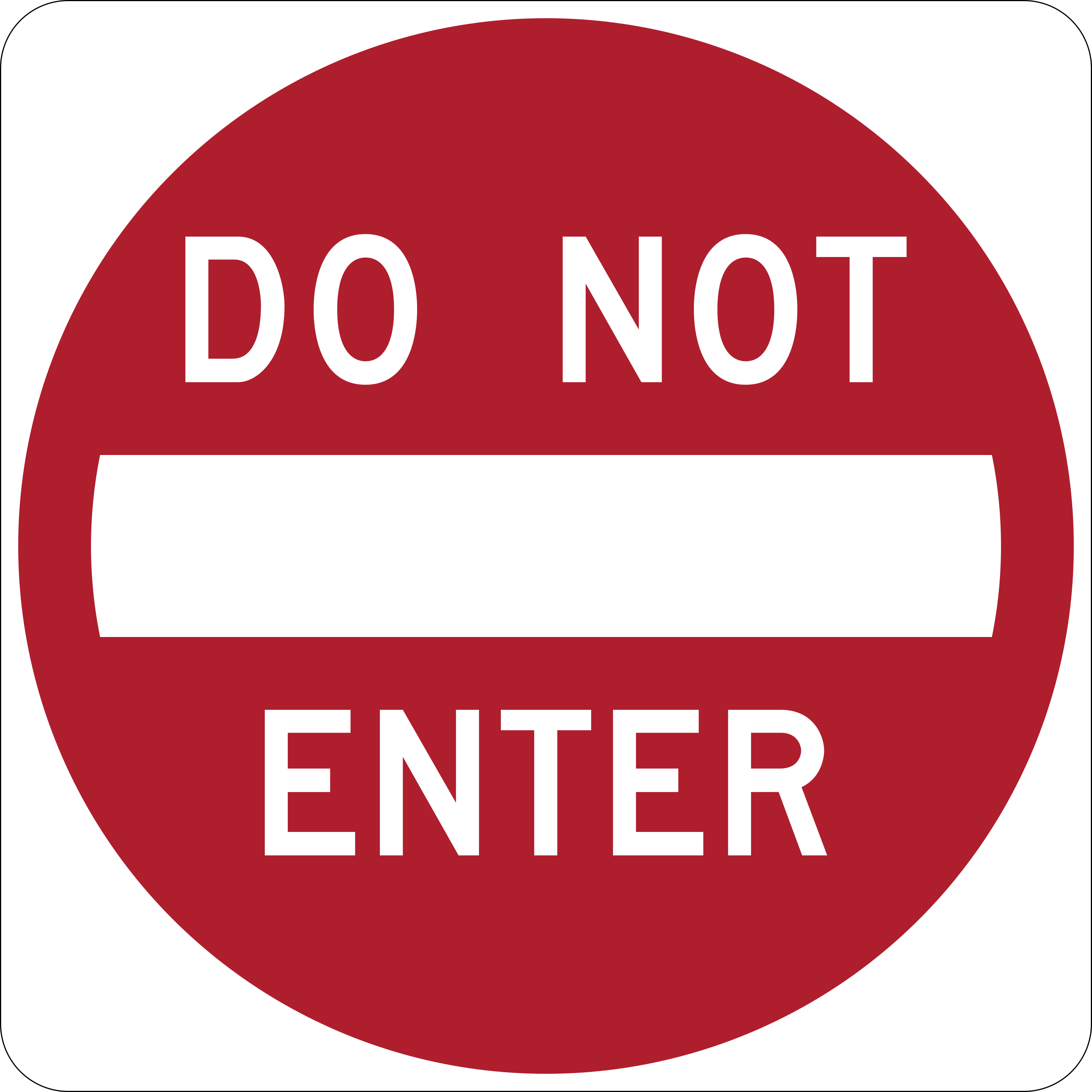
Do not enter 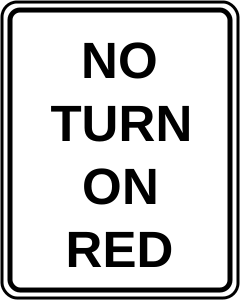
No turn on red 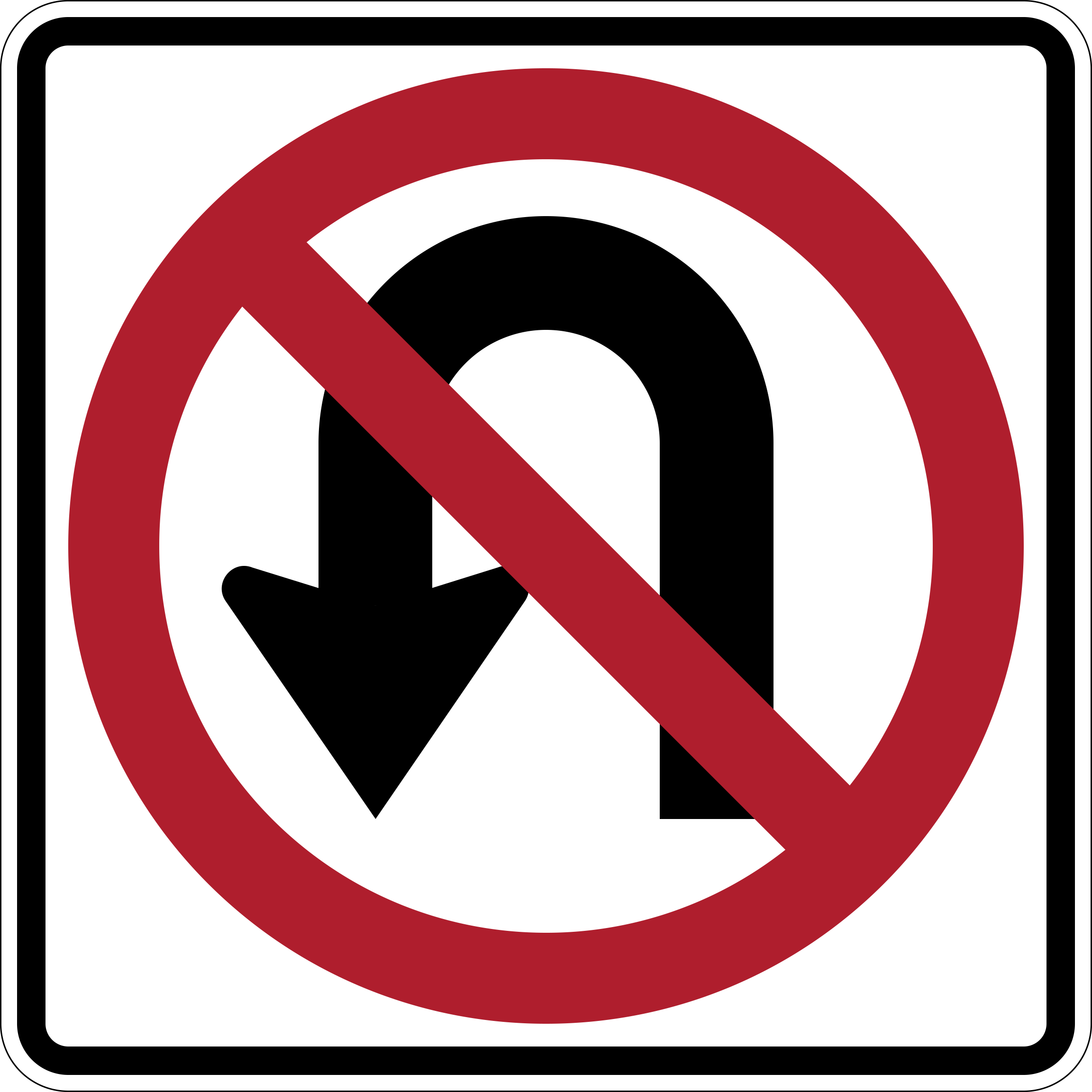
No U turn 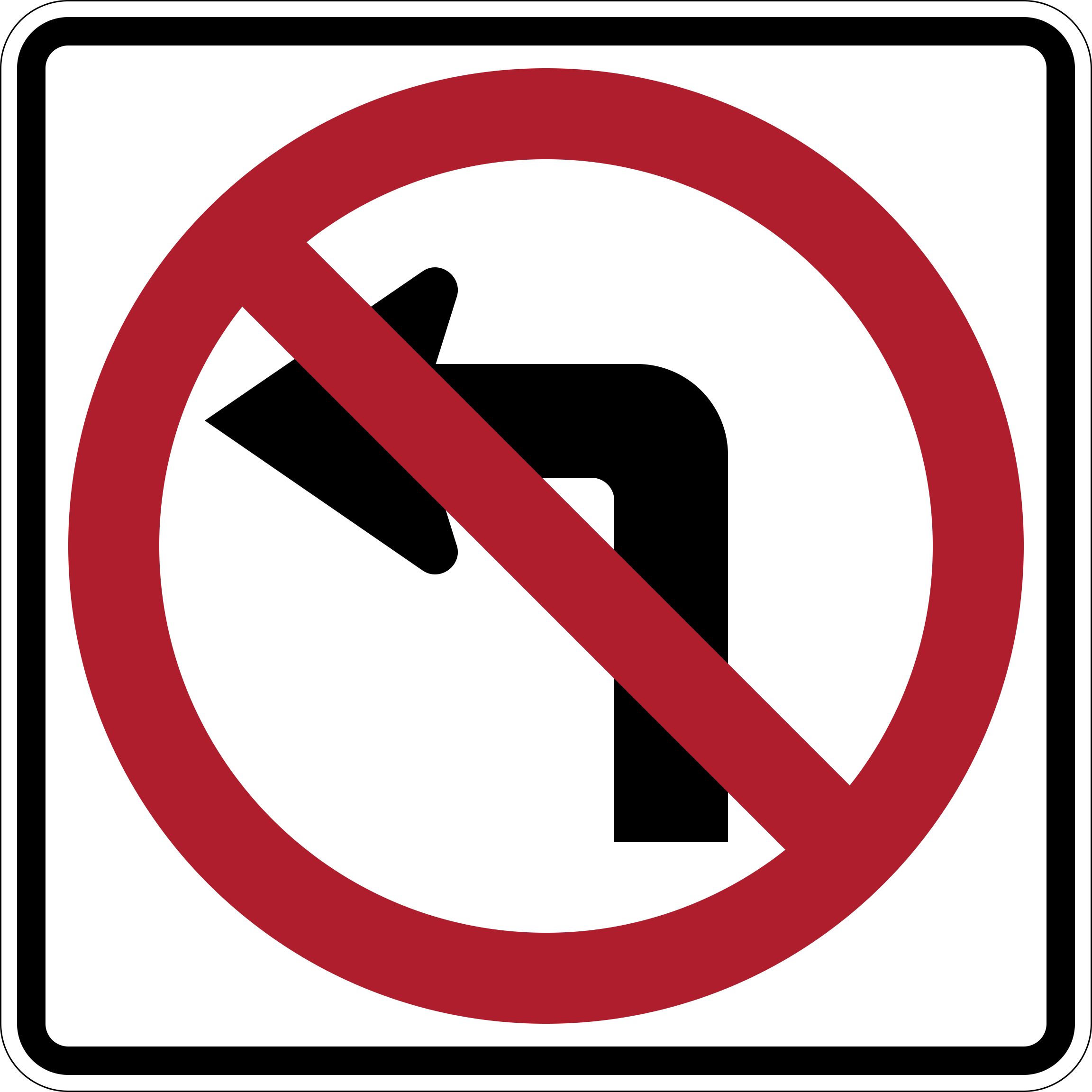
No left turn 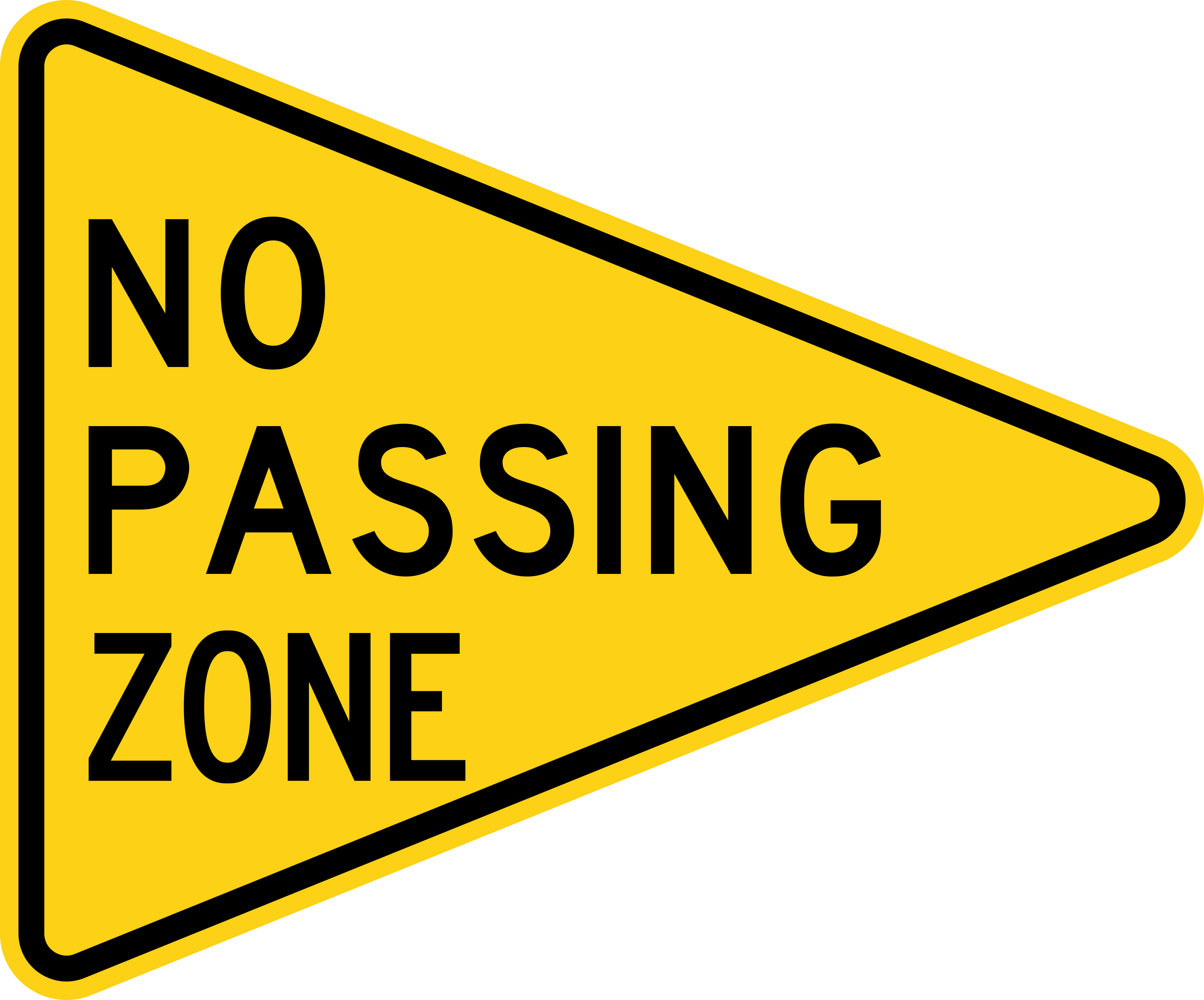
No passing zone
3 questions from the North Dakota practice test
1. What do regulatory signs do?
- Give mandatory instructions to the driver
- Suggest scenic destinations without legal effect
- Warn only about animals at night
- Show the distance to the state border
Show answer
Give mandatory instructions to the driver. Regulatory signs control traffic and give instructions that drivers are required to follow. That makes them different from guide signs, which provide directional or service information, and from warning signs, which alert drivers to hazards. A regulatory sign is not merely a scenic suggestion, an animal warning, or a mileage marker. When reading one, identify the action it commands or prohibits and comply before continuing, because the sign governs how traffic may use that roadway.
2. What action is required when you see a Yield sign?
- Yield the right of way
- Always come to a full stop before entering, even when the way is clear
- Proceed without yielding when no vehicle is visible
- Yield only to traffic already stopped at the intersection
Show answer
Yield the right of way. A Yield sign means you must yield the right of way. The manual adds that the sign tells you to slow down and stop if necessary so you can yield. It does not require a full stop when the way is clear, and it never lets you skip yielding just because no vehicle is visible yet. Yielding also applies to approaching traffic, not only to vehicles already stopped. Slow early, check for vehicles and pedestrians, and enter only when it is safe.
3. What information is provided by guide signs?
- Only prohibitions on turning
- Only mandatory speed restrictions
- Only warnings about slippery pavement
- Directions, distances, available services, and points of interest
Show answer
Directions, distances, available services, and points of interest. Guide signs help travelers navigate by providing directions, distances, available services, points of interest, and other geographic or recreational information. Speed restrictions and turn prohibitions are regulatory matters, while slippery pavement warnings belong to warning signs. The word guide signals information that helps you choose a route or locate a facility, not an instruction that controls the vehicle’s movement. Use the sign’s destination, distance, or service information to plan ahead without confusing it with a command.
Practice this topic
Lock it in with road signs questions from the free North Dakota practice test. Every answer comes with a plain English explanation.
Source: the North Dakota Noncommercial Driver License Manual, Signs, Signals, and Road Markings. This lesson is a plain English summary, not the law itself; where it differs, the manual and the statute govern. Last checked 2026-09-27.