
Key points
The written test has 20 questions and you need 14 right, and you must also get at least 2 of the 4 road sign questions right.
Source: Chapter 1
“To pass the written test, you must correctly answer at least 14 of the 20 questions asked, but you must correctly answer two of the four questions about road signs.”
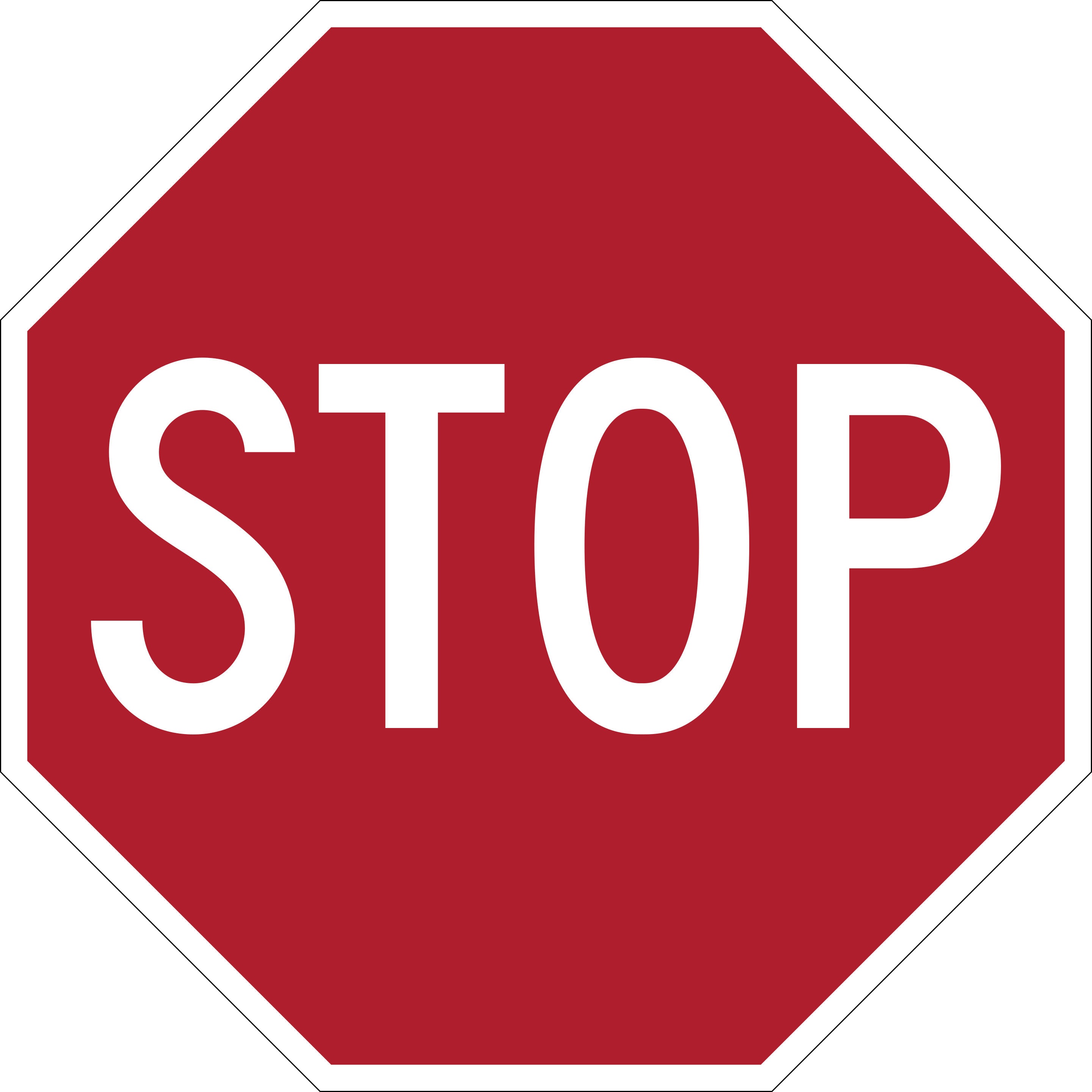
New York State Driver's Manual, Chapter 1A red octagon reading STOP is the stop sign.
Source: Road Signs
“4. Stop. Image: stop sign: Red octagon reading "stop"”
New York State Driver's Manual, Road SignsA red downward facing triangle with a white triangle inside reading YIELD is the yield sign.
Source: Road Signs
“2. Yield. Image: yield sign: Red downward facing triangle with a white triangle inside reading "yield"”
New York State Driver's Manual, Road SignsA straight line on the left and a right line curving in toward it means the right lane ends: stay to the left.
Source: Road Signs
“1. Right lane ends - stay to the left. Image: Right lane ends sign: one straight line on the left and one line on the right that curves to be closer to the first line.”
New York State Driver's Manual, Road SignsAn up arrow with a line curving into it from the right warns of merging traffic entering from the right.
Source: Road Signs
“3. Merging traffic entering from the right. Image: merge from right: up arrow with a line curving into it from the right side.”
New York State Driver's Manual, Road SignsA circle with a large X and an R on each side marks a railroad crossing.
Source: Road Signs
“5. Railroad crossing. Image: railroad crossing: circle with large X symbol and Rs on the left and right sides.”
New York State Driver's Manual, Road SignsA traffic light symbol warns of a traffic signal ahead.
Source: Road Signs
“6. Traffic Signal Ahead. Image: traffic signal ahead: traffic light”
New York State Driver's Manual, Road SignsA symbol of two people crossing a road is the school crossing sign.
Source: Road Signs
“7. School Crossing. Image: school crossing: symbol of two people crossing a road.”
New York State Driver's Manual, Road SignsA car trailing curving marks means slippery when wet.
Source: Road Signs
“9. Slippery When Wet. Image: slippery when wet: car trailing curving marks”
New York State Driver's Manual, Road SignsA red circle with a horizontal white bar reading Do not enter means one way traffic: do not enter.
Source: Road Signs
“12. One Way Traffic - Do Not Enter. Image: do not enter: red circle with horizontal white bar. Text reads Do not enter.”
New York State Driver's Manual, Road Signs
Numbers to know
| Number | What it means | Manual |
|---|---|---|
| 2 of 4 | road sign questions you must get right on the real test | Chapter 1 |
| 14 of 20 | questions you must get right overall | Chapter 1 |
Recognize these signs
Stop 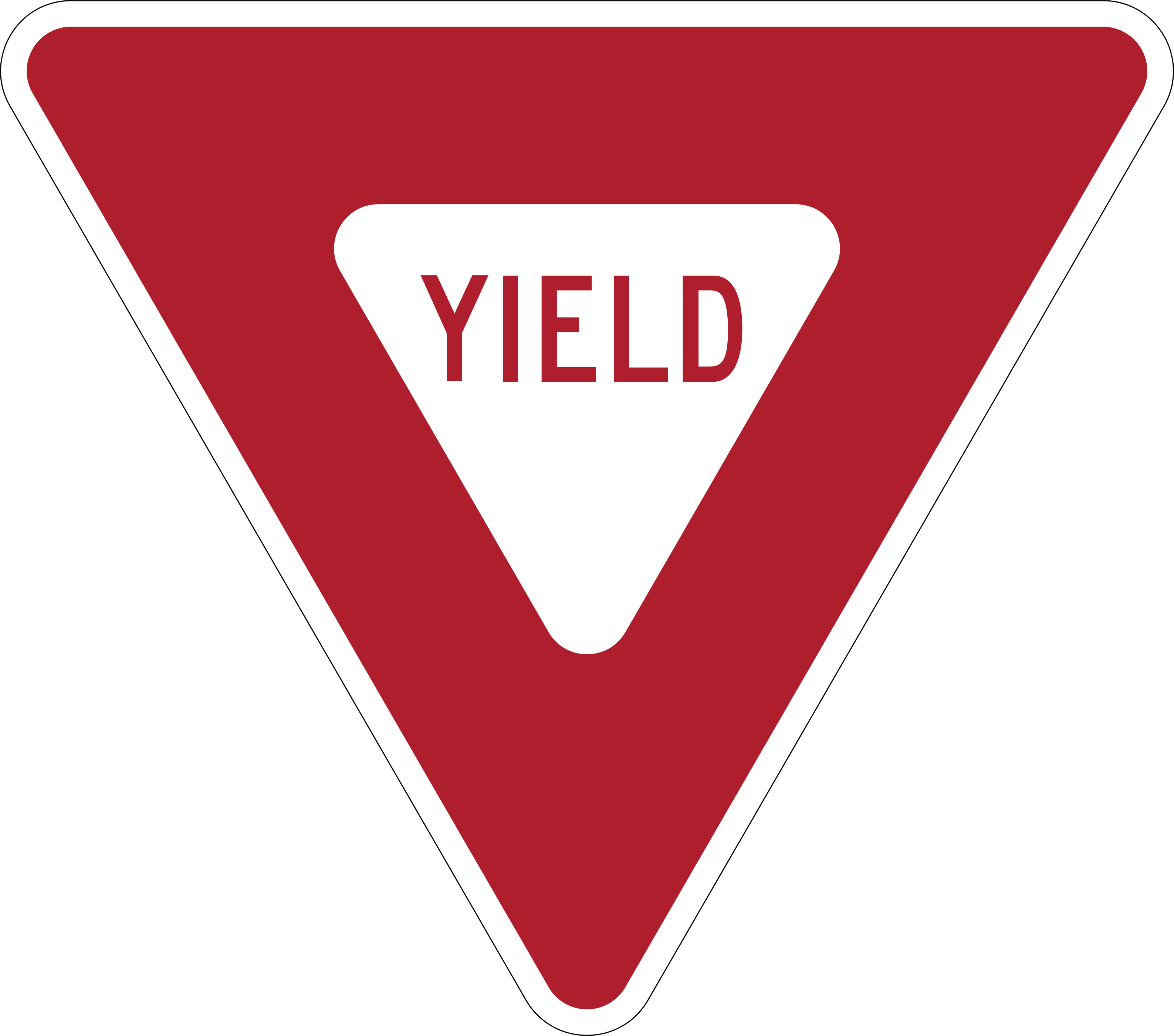
Yield 
Right lane ends 
Merging traffic from the right 
Railroad crossing ahead 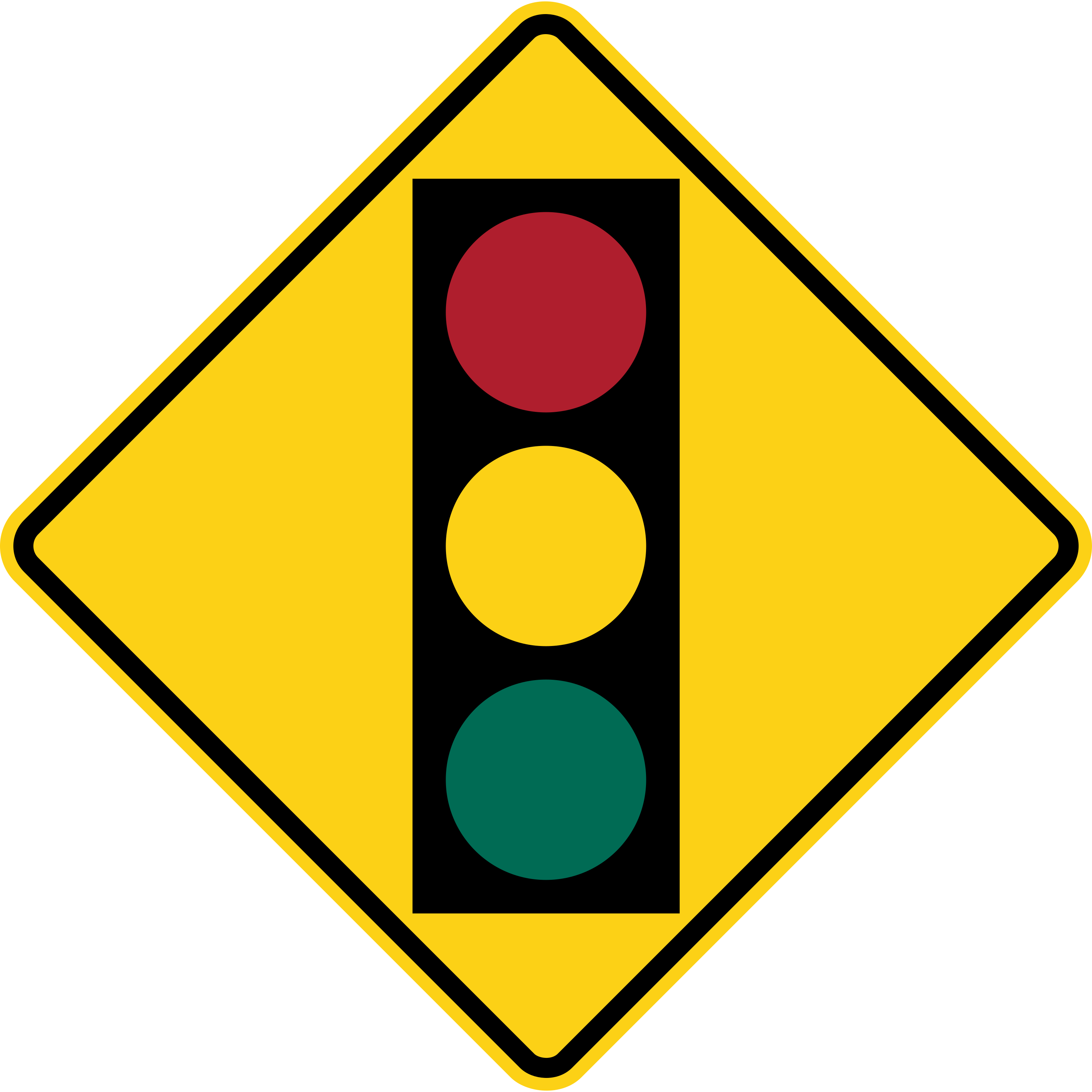
Traffic signal ahead 
School crossing 
Slippery when wet 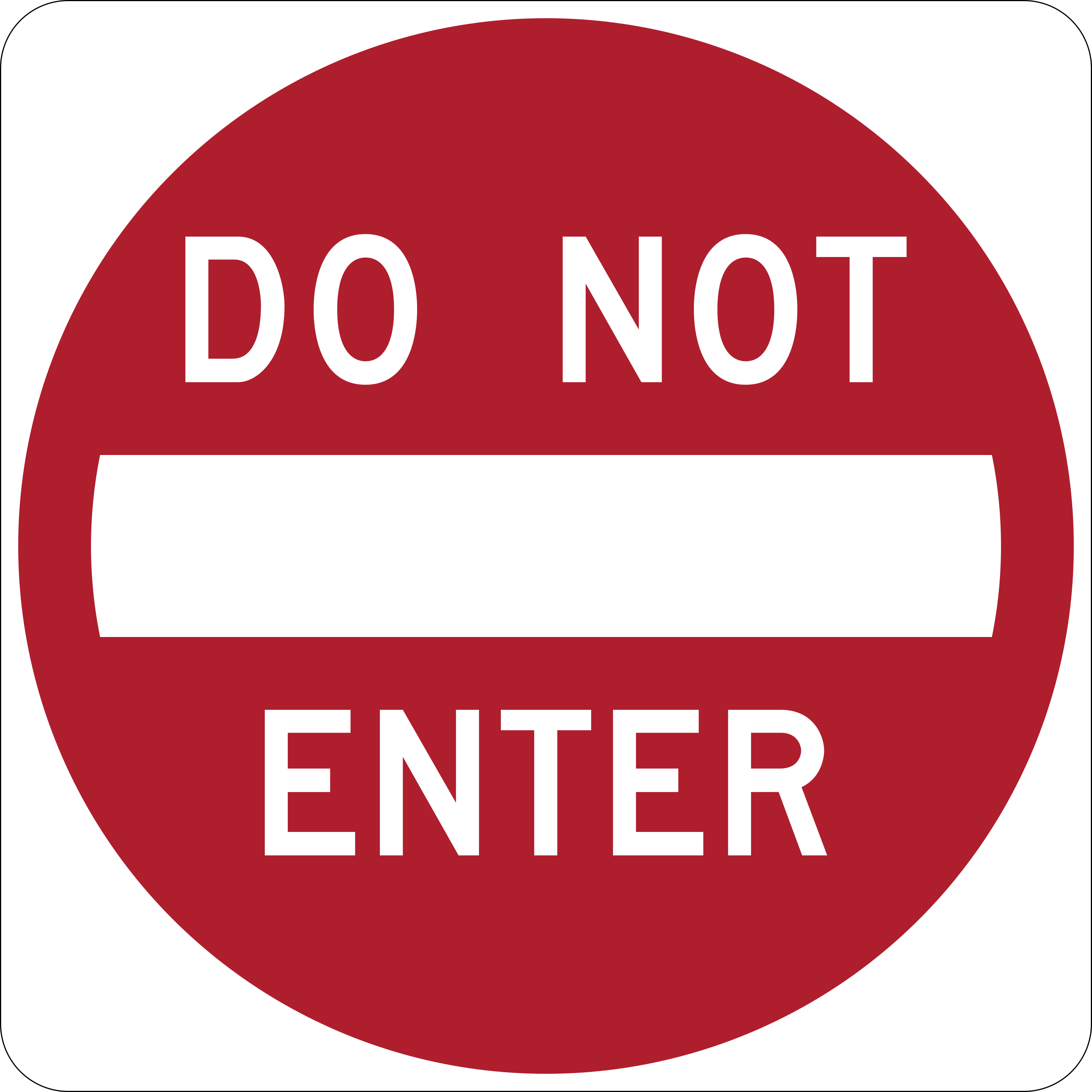
Do not enter
3 questions from the New York practice test
1. What hazard does the round yellow sign with an X and RR warn a driver about?
- A railroad crossing ahead
- A circular traffic pattern at the next junction
- A mandatory stop at a weigh station
- A bicycle lane beginning ahead
Show answer
A railroad crossing ahead. The yellow circle with the railroad X and RR letters is advance warning that tracks are ahead. It is not a bicycle instruction, a roundabout marker, or a weigh-station command. Once the warning appears, reduce speed, scan both directions, and be prepared to stop before reaching the rails. Trains can approach from either direction and cannot stop quickly. The round shape and RR lettering are the key visual cues that distinguish this warning from ordinary yellow diamond signs.
2. What condition does the yellow skidding-car symbol warn a driver to expect?
- A designated racing surface
- A slippery roadway, especially when wet
- A gravel-only road with no pavement
- A lane where hard braking is required
Show answer
A slippery roadway, especially when wet. The skidding-car symbol warns that the pavement may be slippery, particularly after rain, snow, ice, or wet leaves. Reduce speed, increase following distance, and make steering and braking inputs smoothly. It does not identify a racing area or prove that the road is gravel, and hard braking can worsen a loss of traction. The pictured skid is the cue to manage grip before the tires slide. If heavy rain is present, remember that hydroplaning can remove steering control at higher speeds.
3. What traffic condition does the yellow merging-arrow sign warn about?
- The next lane is reserved for parked vehicles
- The right lane is ending immediately at the sign
- All merging is prohibited on the roadway
- Traffic entering from the right may merge ahead
Show answer
Traffic entering from the right may merge ahead. The merging-arrow warning indicates that traffic from the right may enter the roadway ahead. The driver should watch the joining lane, maintain a cooperative speed, and leave room for vehicles that are already moving toward the travel lane. It does not say that the right lane ends at the sign, ban all merging, or create a parking lane. The arrow joining the main path is the cue: expect another stream of traffic and reassess the gap before continuing.
Practice this topic
Lock it in with road signs questions from the free New York practice test. Every answer comes with a plain English explanation.
Source: the New York State Driver's Manual, Road Signs You Must Know. This lesson is a plain English summary, not the law itself; where it differs, the manual and the statute govern. Last checked 2026-09-27.