
Printable IA Permit Practice Test
40 questions from the Iowa question bank. Answer key on the last page. Last verified 2026-09-05 against the official Iowa driver manual.
1. Why should loose objects be secured inside a vehicle?
- Loose objects become harmless once the vehicle exceeds 45 mph
- A 20-pound object can exert well over 1,000 pounds of force in a sudden stop at 60 mph
- Only objects heavier than 100 pounds can injure occupants
- Securing objects matters only when the vehicle is parked
2. Which visitor may drive in Iowa without an Iowa driver's license?
- A visitor carrying only a vehicle registration
- A visitor with a current license from their home state or country
- A visitor who has never been licensed anywhere
- A visitor using an expired license from another state
3. Who must have an Iowa permit or driver's license when using public roads?
- Drivers who have lived in Iowa for at least one year
- Drivers who are under 21 years old
- Anyone operating a motor vehicle, motorcycle, or moped
- Only drivers traveling outside city limits
4. Which farm-equipment trip is listed as an Iowa driver's-license exemption?
- A daily commute in a passenger car owned by a farm
- Any farm trip across Iowa without a license
- Travel from a farm to any city beyond the county
- Travel between the home farm and nearby farmland within two miles
5. What does the Iowa manual recommend as a defense against other people's aggressive driving?
- Match their speed to keep pace
- Use the horn to warn them off
- Follow closely so they cannot cut in
- Avoid aggressive and inattentive tendencies yourself and leave plenty of space in front
6. What is ahead when a signal-ahead warning is posted?
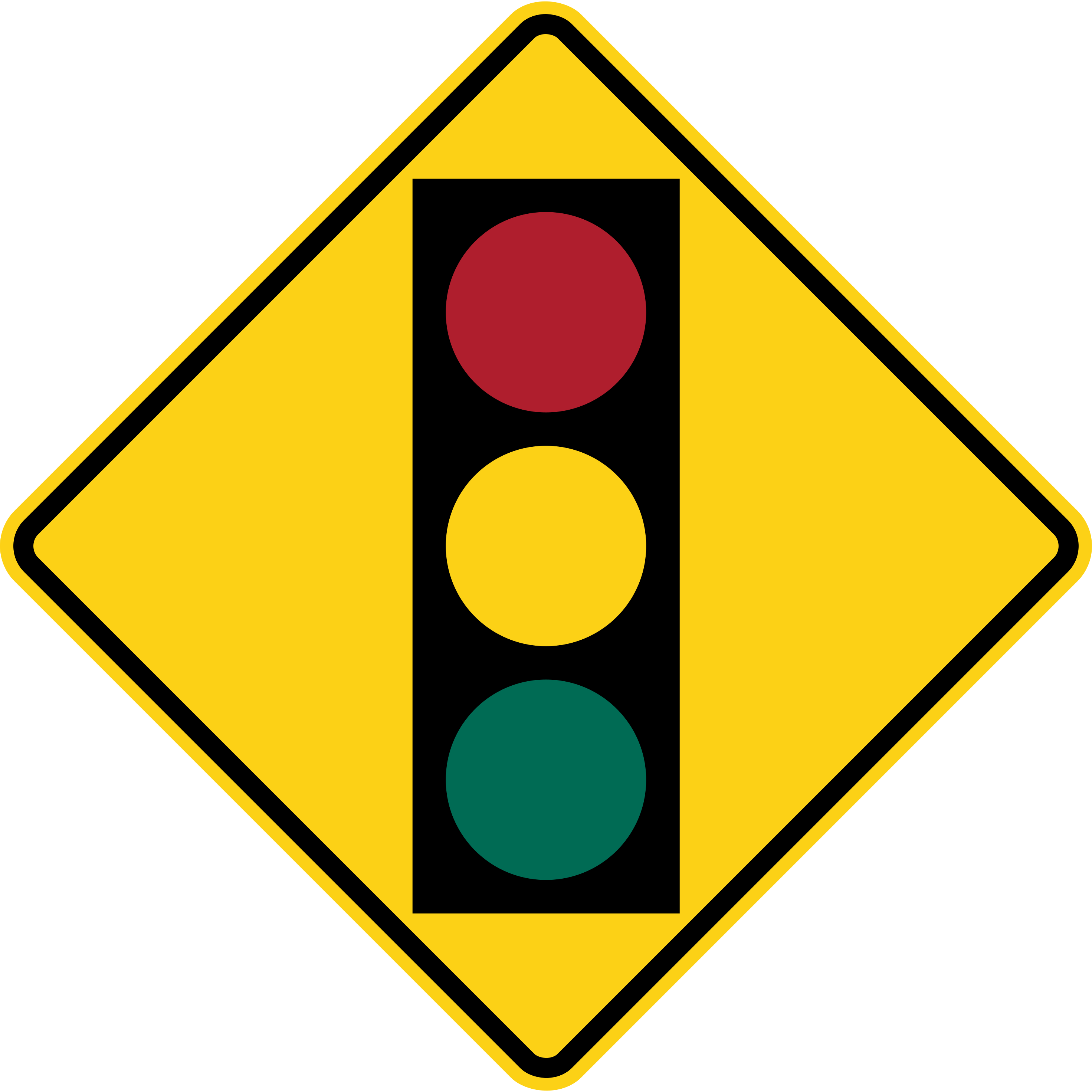
- A railroad crossing with no signal
- An intersection and a stop light
- A lane reserved for buses
- A road that ends without an intersection
7. From what distance must the red tail light on the back of a vehicle be visible under Iowa's equipment rules?
- At least 100 feet
- At least 200 feet
- At least 1,000 feet
- At least 500 feet
8. What should a driver expect when approaching a typical yellow, diamond-shaped warning sign?
- A special road hazard that calls for slower speed or extra caution
- A posted minimum speed that must be maintained
- A service such as fuel or lodging ahead
- A legal prohibition against entering the road
9. You stop at an Iowa railroad crossing. How much space should you leave between your vehicle and the nearest rail?
- At least 15 feet
- At least 3 feet
- At least 100 feet
- At least 50 feet
10. You have stopped at a red light in Iowa and want to turn right. No sign prohibits the turn. What must you do before turning?
- Nothing more; the stop alone lets you go ahead of other traffic
- Wait for the light to turn green
- Sound your horn to warn pedestrians, then turn
- Yield to all other traffic, then turn when it is safe
11. An approaching car has its turn signal on, and you want to pull out in front of it. What does the Iowa manual tell you to do?
- Pull out right away, because the signal shows it will turn
- Flash your headlights so the driver knows you are going
- Pull out as soon as the car begins to slow down
- Wait until the other driver actually starts to turn
12. In Iowa, why should a driver spot slow moving vehicles early in traffic?
- Early spotting allows tailgating until the last second
- Early spotting gives time to change lanes or slow safely
- Slow vehicles must leave the road when cars approach
- Sudden slowing behind them is safer than early slowing
13. Your car stalls on Iowa tracks and the crossing has a blue ENS sign. What is it for?
- Requesting a tow truck discount for members
- Finding the nearest fuel station to the tracks
- Reporting the stall with the crossing ID by phone
- Posting the speed limit for the crossing road
14. Your Iowa car keeps speeding after you lift off the gas pedal. What is the first fix to try?
- Turn off the engine at speed in traffic flow
- Press the brake only and hold speed down
- Shift into park while the car still moves
- Shift to neutral quickly while watching the road
15. During extremely dusty conditions on a rural road, which lights should make the vehicle more visible?
- No lights until the dust clears
- High beams only
- Parking lights only
- Low-beam headlights
16. You approach an Iowa yield sign where traffic crosses your path. How should you enter?
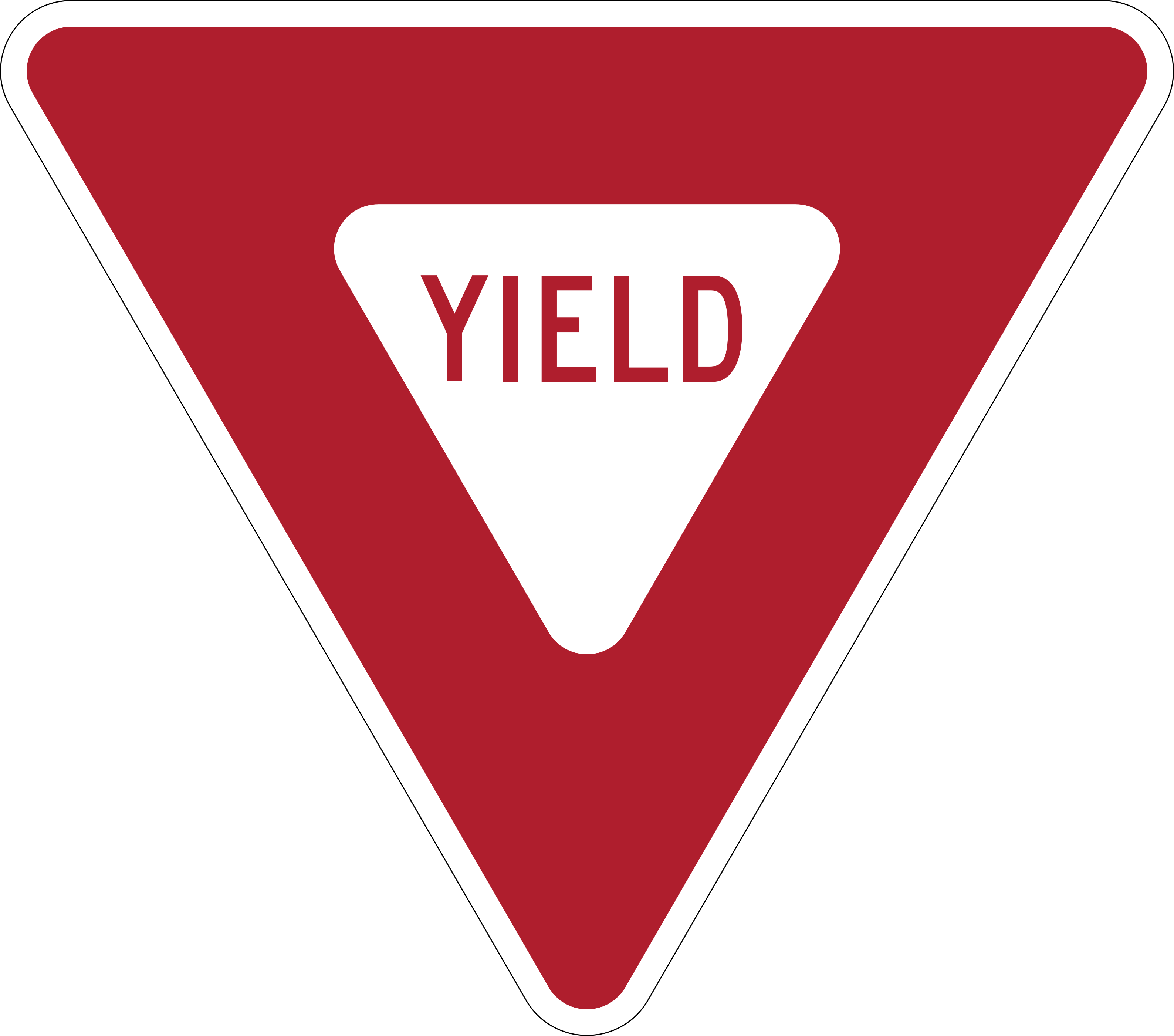
- Slow down and give cross traffic the right of way
- Enter at full speed and expect others to brake
- Stop for a full minute even on an empty road
- Speed up so crossing drivers must wait for you
17. In Iowa, how should a driver set the left side mirror for the best lane view?
- Lean to the center console and center the car side
- Sit straight and fill half the mirror with the car
- Aim the mirror down until the rear tire fills it
- Lean toward the left window and barely show the car side
18. Your car stalls on Iowa tracks as a train approaches and everyone is out. Which way should people move?
- Straight away from the tracks behind the car line
- At 45 degrees toward the approaching train direction
- At 45 degrees away from the approaching train
- Along the tracks running beside the moving train
19. You drive 40 mph on an Iowa road in normal conditions. What following distance is recommended?
- A four to five second following distance at 40 mph
- A one to two second following distance at 40 mph
- A ten to twelve second gap at that travel speed
- The same gap used at walking speed in parking lots
20. In Iowa, what should a driver do when an animal darts out with no time to stop?
- Avoid swerving or veering into a worse crash
- Swerve hard toward the ditch on either side
- Veer into the oncoming lane to miss the animal
- Close the eyes and brace without steering at all
21. The car ahead leaves no tracks in Iowa road water and reflections shine. What risk is near?
- Your car could freeze on black ice instantly
- Your tires could grip better on flooded pavement
- Your car could hydroplane on that deep water
- A train could cross on hidden tracks there
22. An Iowa pedestrian crossing warning appears before a crosswalk. Who must you watch for?

- Railroad workers and train crews near the tracks
- People walking, running, riding, or using wheelchairs
- Livestock and farm animals crossing the road
- Only drivers merging from a side parking lot
23. In Iowa, how many vehicles should a driver pass at one time as a rule?
- Only one vehicle at a time when passing
- Two vehicles whenever the road looks straight
- As many as fit before the next hill crest
- One vehicle plus its trailer counts as none
24. After one deer crosses an Iowa road, what should the driver watch for next?
- A police escort arriving to clear the road
- More deer following the first one across
- The deer returning alone to the same spot
- Posted signs marking the exact crossing point
25. Pedestrians activate an Iowa hybrid beacon and its two top lights turn solid red. What must drivers do?
- Proceed slowly because the beacon has no green
- Stop only after the red lights begin flashing
- Stop for pedestrians at that solid red stage
- Treat solid red as a yield without stopping
26. Your vehicle stalls in floodwater on an Iowa road. What does the manual say to do?
- Stay inside and wait for help
- Restart the engine and drive on
- Abandon the vehicle and move to higher ground
- Open the windows and wait
27. Which vehicles must have working turn signals under Iowa law?
- Only trucks over 10,000 pounds
- All cars, trucks, and trailers wider than 40 inches
- Only vehicles built after 2000
- Only vehicles used at night
28. What do shared lane pavement markings, called sharrows, do on Iowa roads?
- Show where bicycles must ride on the sidewalk
- Reserve the lane for bicycles only
- Mark a no passing zone
- Alert motorists that bicyclists may be present and encourage safe passing, without reserving part of the road for bikes
29. When a driver illegally passes a stopped school bus, what license consequence may Iowa impose?
- A mandatory suspension of exactly 30 days
- A warning with no possible license action
- Permanent revocation for the first violation
- Suspension for up to 180 days
30. What roadway situation is identified by a pentagon-shaped sign?
- A railroad crossing ahead
- A school area or school crossing
- A no-passing zone
- A general service area
31. What does an Iowa yield sign tell a driver to do?
- Slow down and yield to traffic in the intersection or roadway being entered
- Stop at every yield sign even when no traffic is present
- Accelerate so cross traffic must wait
- Enter the roadway without checking for other users
32. How close to an intersection may you pass another vehicle on an Iowa two-lane road?
- You may not pass within 100 feet of an intersection
- You may pass anywhere with a broken center line
- You may pass as close as 50 feet
- You may not pass within 500 feet
33. Which following-distance rule is the safest and easiest way to judge space behind another vehicle?
- Keep one car length for every five mph
- Use the Three-Four Second Rule
- Stay exactly two seconds behind in all conditions
- Follow close enough to read the vehicle's plate
34. What does the Iowa manual say about hanging items from the rearview mirror?
- It is fine if the item is small
- Only air fresheners are allowed
- Do not hang things from the mirror or clutter the windshield with decals
- Items may hang below the dash line
35. When is an Iowa driving test not required according to the manual?
- Whenever the applicant owns a vehicle
- When the applicant satisfies the driver education course requirement
- When the applicant passes the vision screening only
- Whenever the applicant has driven on private property
36. Lights flash and gates drop at an actively protected Iowa crossing. What must drivers do?
- Cross quickly before the approaching train arrives there
- Obey the signals and never go around the gate
- Go around the gate if no train is visible
- Stop on the tracks to watch for the train
37. In Iowa, how does a passively protected railroad crossing differ from one with lights or gates?
- It has flashing lights on both sides of the crossing road
- It has only a crossbuck with a stop or yield sign
- It has a gate that lowers across every lane
- It has an officer directing traffic at all hours
38. You drive the main Iowa road and pass a merging traffic warning. What should you prepare for?

- Other vehicles blending into your lane ahead
- Your lane ending with traffic yielding to you
- A divided highway starting beyond the merge
- Oncoming traffic entering a two way stretch
39. You plan to park on an Iowa street with no other traffic visible. Must you signal that move?
- Yes, signal before parking like other direction changes
- No, signals are not needed when no one is around
- No, signals are meant for intersection turns
- Yes, but only after the vehicle has stopped fully
40. Other Iowa roads look clear on a freezing morning, yet a bridge deck shines icy. Why?
- Bridge decks are made of darker material that holds cold
- Bridges are built from metal that stays below freezing
- Cold air under the deck freezes moisture faster there
- Bridges collect extra rain only on their decks
Answer key
- 1. B
- 2. B
- 3. C
- 4. D
- 5. D
- 6. B
- 7. D
- 8. A
- 9. A
- 10. D
- 11. D
- 12. B
- 13. C
- 14. D
- 15. D
- 16. A
- 17. D
- 18. B
- 19. A
- 20. A
- 21. C
- 22. B
- 23. A
- 24. B
- 25. C
- 26. C
- 27. B
- 28. D
- 29. D
- 30. B
- 31. A
- 32. A
- 33. B
- 34. C
- 35. B
- 36. B
- 37. B
- 38. A
- 39. A
- 40. C