
Printable CA Permit Practice Test
36 questions in the real CA exam format for applicants 18 and older, 30 of 36 to pass (under 18: 46 questions, 38 to pass). Answer key on the last page. Last verified 2026-09-05 against the official California driver manual.
1. How soon must you dim high-beam headlights for an oncoming vehicle?
- Only after the other driver flashes lights
- Within 100 feet of the oncoming vehicle
- Within 500 feet of the oncoming vehicle
- Within 300 feet when vehicles approach each other
2. Why does the California handbook say never to start a vehicle inside a garage with the door closed?
- The battery drains faster in an enclosed space
- Garage fumes fog the windshield
- The engine cannot warm up properly
- Carbon monoxide from the exhaust is deadly and has no odor
3. When is stopping or parking on a freeway allowed?
- For a phone call if you keep your hazard lights on
- In an emergency or when a law enforcement officer requires it
- Any time the shoulder is wider than your vehicle
- Only during daylight outside commute periods
4. What does a five-sided school sign require you to expect?

- A park entrance where vehicles may stop in the travel lane
- A playground where only bicycles must yield
- A hospital driveway with emergency vehicles entering traffic
- A school area, with children who may be in or near the crosswalk
5. Your brake pedal sinks to the floor. What should you try first?
- Turn off the ignition before steering
- Quickly pump the brakes with gentle pressure
- Shift into park while moving
- Pull the parking brake with full force
6. At this yield sign, what must you be ready to do?
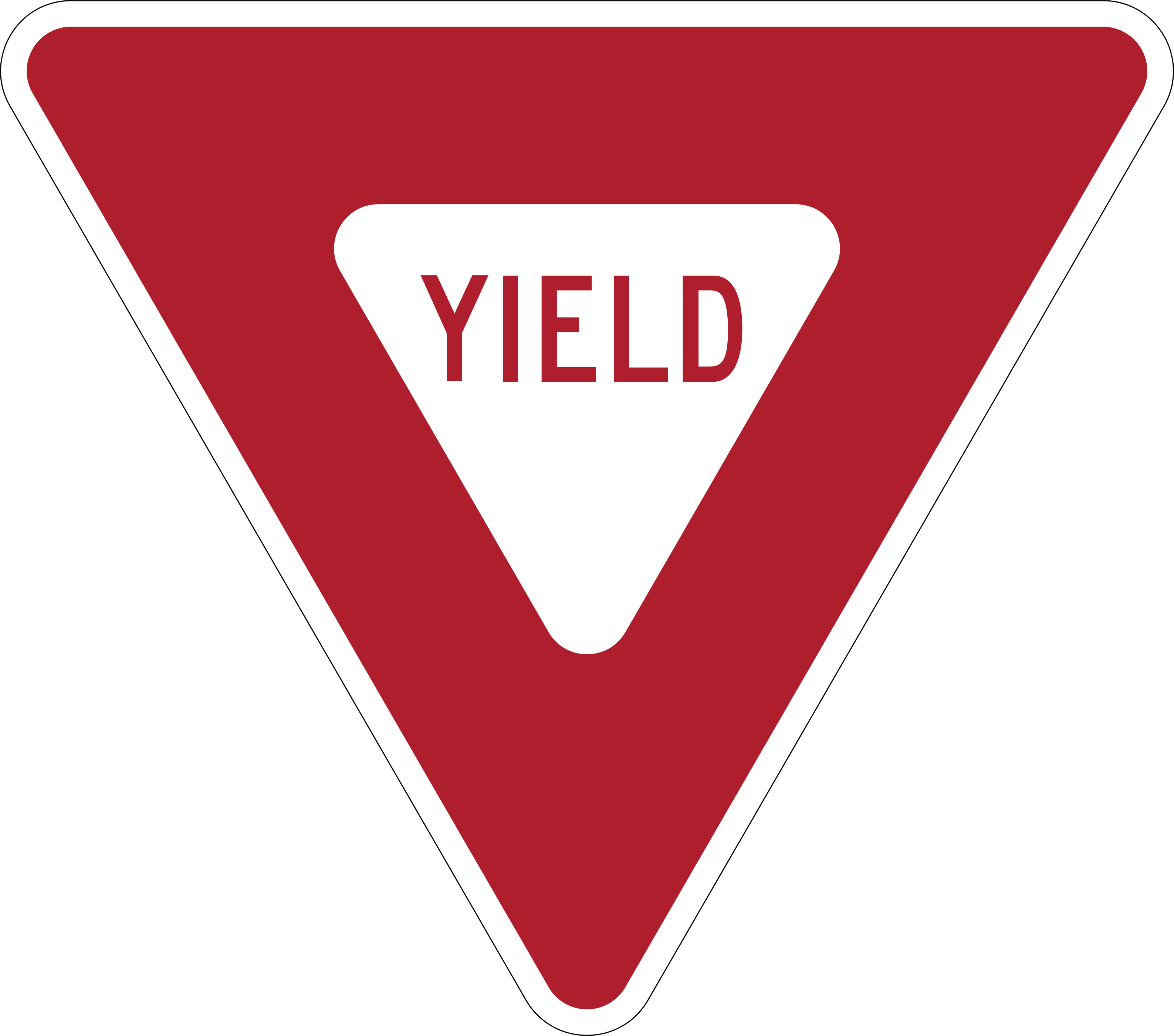
- Speed up to match traffic before entering
- Stop if needed to let vehicles, bicyclists, or pedestrians pass
- Stop only if another driver honks
- Proceed first because cross traffic has the sign
7. What does this DO NOT ENTER sign tell you?
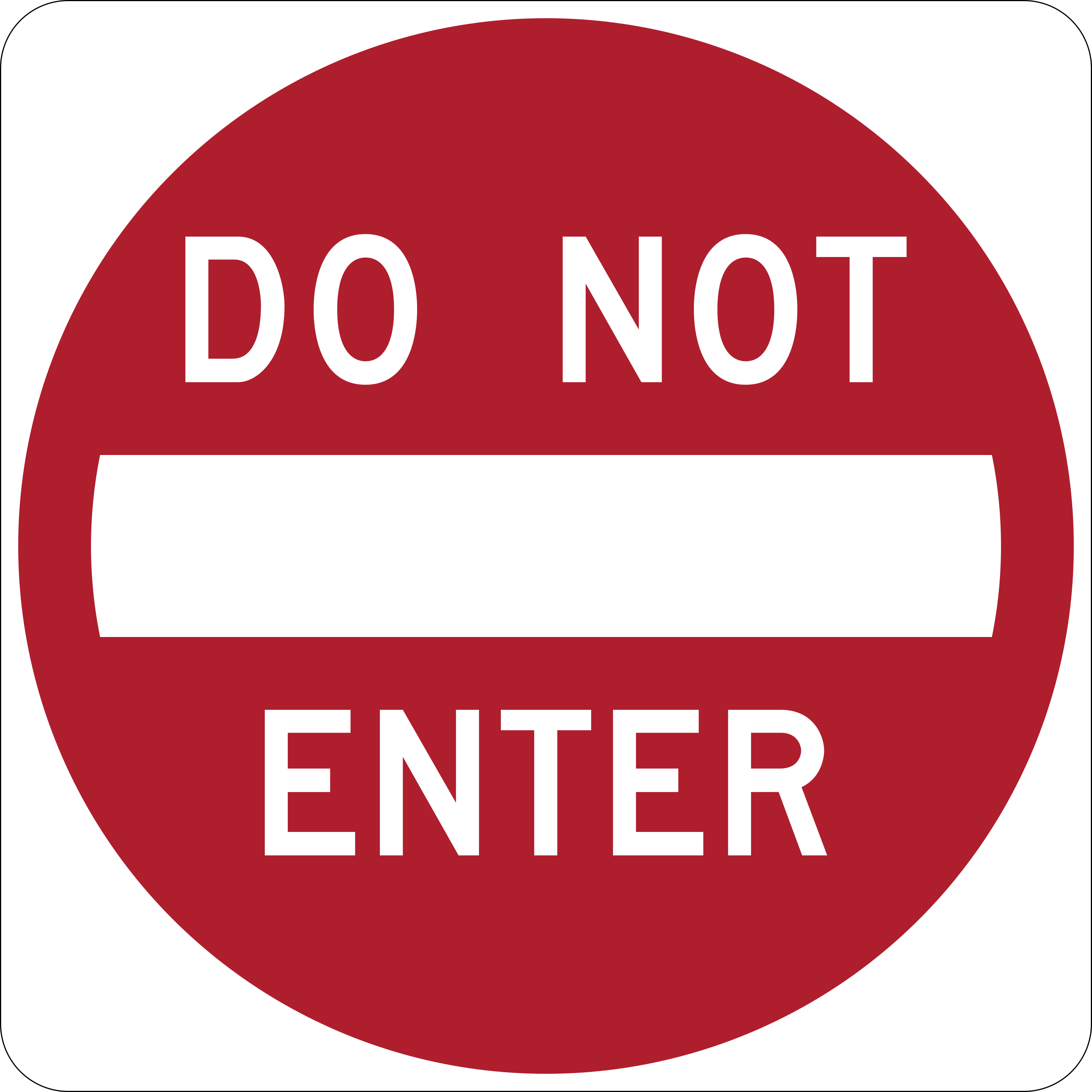
- The road may be entered after stopping
- Only trucks are barred from the ramp
- Do not enter the road or ramp where it is posted
- The lane is closed only during rush hour
8. Traffic lanes in California are often called by number. Which lane is the Number 1 Lane?
- The far right lane, next to the shoulder
- The left, or fast, lane
- The center lane of a three-lane road
- Whichever lane is marked for carpools
9. A flashing yellow left-turn arrow appears. What does it mean?
- Your left turn is protected from oncoming traffic
- You must stop and wait for a green arrow
- You may turn after yielding to oncoming traffic
- Oncoming vehicles must stop before you turn
10. Which medication-related situation can make driving illegal?
- Only taking medication bought without a prescription
- Taking medicine only after sunset
- Taking any drug that affects your ability to drive safely
- Carrying prescription medicine in the vehicle
11. A white SPEED LIMIT sign with black lettering is what type of sign?
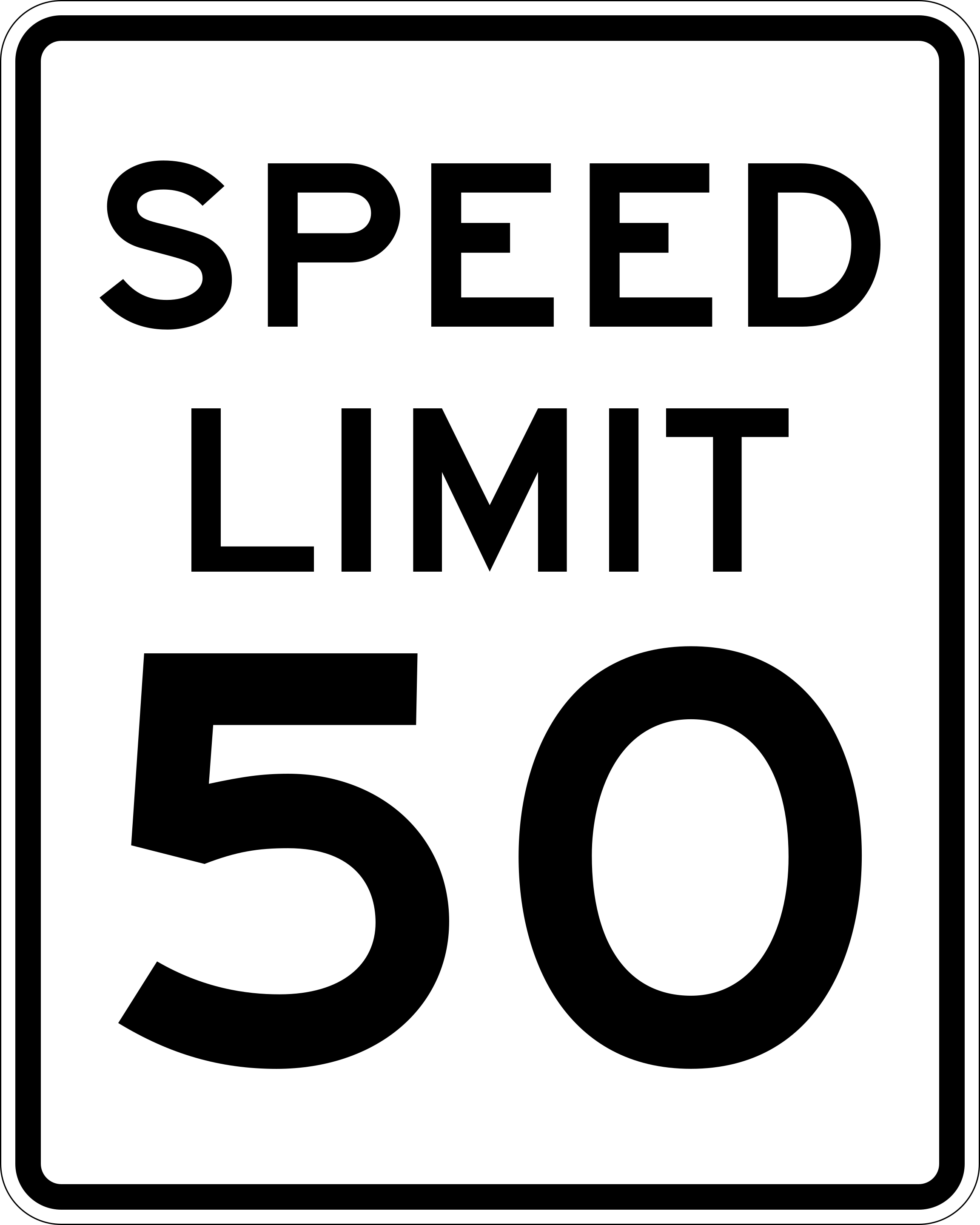
- A regulatory sign you must obey
- A guide sign for destinations
- A warning sign for changing road conditions
- A temporary construction advisory
12. Which adult point total may lead DMV to suspend a California driver license?
- 2 points in 12 months.
- 4 points in 12 months.
- 5 points in 24 months.
- 7 points in 36 months.
13. During a traffic stop, what should the driver do after stopping and before the officer reaches the vehicle?
- Roll down the window and keep hands visible
- Get out and meet the officer beside the vehicle
- Reach for documents immediately in the glove box
- Keep the radio on so the stop is recorded
14. What is the minimum legal distance for parking near a fire hydrant?
- 20 feet from the hydrant
- 3 feet from the hydrant
- 15 feet from the hydrant
- 30 feet from the hydrant
15. Fog becomes too thick for safe driving. What should you consider doing?
- Pull off the road, turn on emergency flashers, and wait.
- Use high beams and continue at the posted speed.
- Drive using only fog lights.
- Cross lanes to find a clearer path.
16. A firefighter gives you directions that conflict with a posted sign. What should you do?
- Follow the posted sign because it is permanent
- Proceed only if the traffic signal is green
- Wait until another driver chooses a direction
- Follow the firefighter's order
17. What do flashing yellow lights on a school bus warn you to do?
- Stop only if children are already in the street
- Pass quickly before red lights appear
- Slow down and prepare to stop
- Continue at speed unless the stop arm is out
18. Your vehicle begins to skid on a slippery surface. What should you do with the brake pedal?
- Press it hard until the vehicle stops
- Tap it rapidly while turning away from the skid
- Avoid using it while you ease off the accelerator
- Hold it halfway down to keep the wheels straight
19. A pedestrian is crossing at an unmarked crosswalk. What must you remember?
- Drivers may proceed if no white lines are painted
- Pedestrians have the right-of-way there
- Only school crosswalks create right-of-way
- Pedestrians must yield to turning vehicles
20. What movement does this sign prohibit?
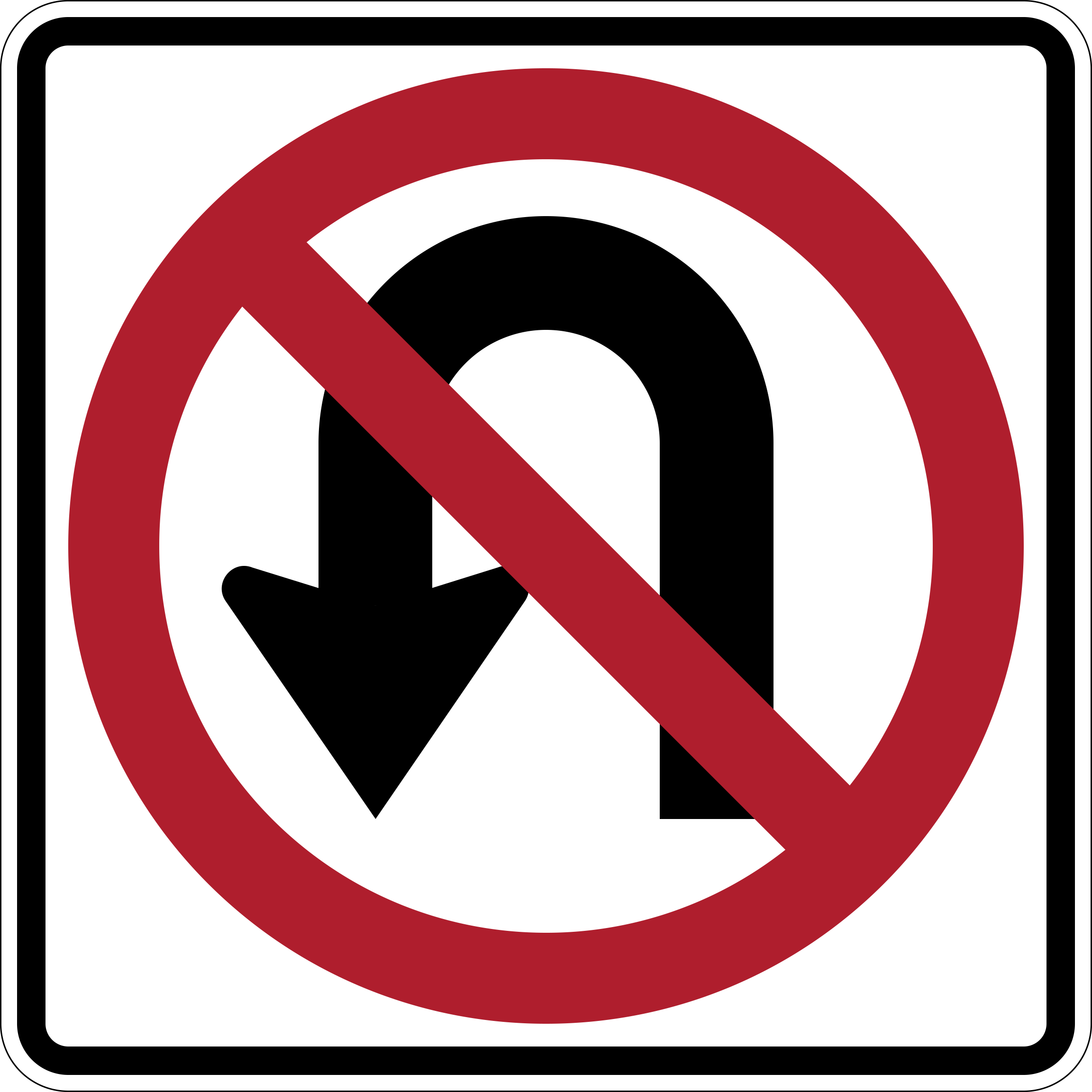
- A left turn only
- A right turn only
- A U-turn
- A lane change
21. When you see a yellow traffic-signal-ahead sign, what should you expect?
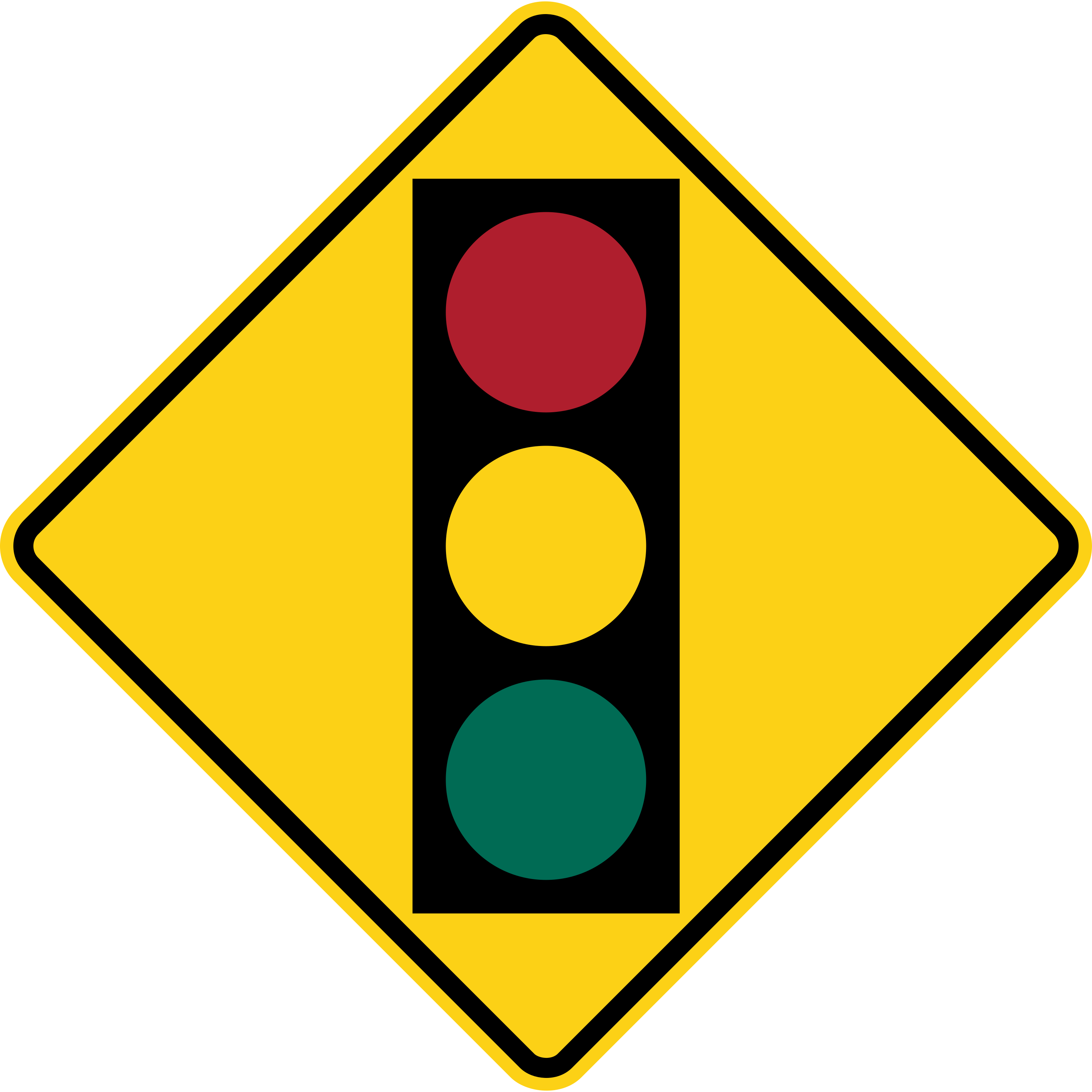
- A traffic signal is ahead, so prepare to slow or stop
- A stop sign replaces the next signal at all times
- A railroad signal controls the next crossing
- A lane-use control signal begins immediately above you
22. What is the maximum speed for a passenger vehicle towing a trailer on a California highway, even when the general posted limit is higher?
- 55 mph.
- 60 mph.
- 65 mph.
- 70 mph when traffic is light.
23. What do broken white lane lines mean on a road with traffic moving in the same direction?
- Traffic on your side is about to become two-way
- Lane changes are prohibited until the next intersection
- The lane is reserved for emergency vehicles
- Changing lanes is allowed when it is safe
24. For a California driver age 21 or older operating a noncommercial vehicle, what is the lowest general per-se DUI BAC threshold?
- 0.04% or higher only when not towing
- 0.08% or higher
- 0.10% or higher after midnight
- Any reading only if a crash occurs
25. Your vehicle stalls on train tracks and a train is approaching. Which direction should you run?
- Straight down the tracks away from the train
- Toward the nearest crossing gate
- Diagonally away from the tracks toward the direction the train is coming from
- Behind your vehicle so it shields you from debris
26. What lane space should you give a motorcycle when possible?
- Only the left half of the lane.
- The full lane.
- Enough room to share the lane side by side.
- A shoulder path if traffic is slow.
27. You drive past a California school bus that is flashing its red lights. What penalty can follow?
- A fine of up to $1,000 and a possible one year suspension
- A $35 fine with no effect on the license
- A warning for a first offense
- A fine of up to $100
28. Where must you not park on a two-way street?
- Within a marked legal space beside the right curb
- On a level street after setting the parking brake
- In a time-limited green curb space during posted hours
- On the wrong side of the street
29. How far before a turn should you begin signaling on a street?
- Only after entering the intersection
- At least 100 feet before turning
- At least 25 feet before turning
- Exactly one block before every turn
30. Who may park at a blue curb?
- A disabled person or someone driving a disabled person with the proper placard or plate
- Any driver loading freight for a short time
- Only buses during posted commute hours
- Any driver who stays inside the vehicle
31. Two vehicles meet on a steep narrow road where neither can pass. Which driver should back up?
- The uphill-facing driver because gravity helps them stop
- The downhill-facing driver until the uphill vehicle can pass
- The driver closest to the centerline
- The larger vehicle, regardless of direction
32. When you cannot change lanes to pass a bicyclist, how much clearance must you allow?
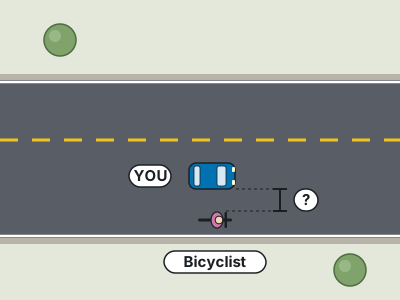
- At least two feet if traffic is light
- As much room as your lane allows, with no minimum
- One full car length
- At least three feet
33. A pedestrian using a white cane is at a crossing. What right-of-way rule applies?
- They have the right-of-way only inside a marked crosswalk
- They may be warned forward with a horn tap
- They must wait for all vehicles to clear first
- They have the right-of-way at all times
34. Where may a California driver attach a sticker no larger than a 7-inch square?
- In the center of the windshield behind the rearview mirror
- The lower corner of the passenger's side windshield
- Anywhere along the top edge of the windshield
- The lower corner of the driver's side of the windshield
35. An officer arrests a California driver for DUI and takes the license. What does the driver receive, and for how long?
- Nothing; driving must stop immediately
- A 90 day restricted license
- A permit to drive only to work for one year
- A temporary driver's license good for 30 days
36. A California bicyclist is riding slower than traffic. When may the rider move away from the right curb?
- When passing, preparing to turn left, or avoiding a hazard or road condition
- Never, the rider must stay at the curb
- Only when riding in a group
- Only on roads posted under 25 mph
Answer key
- 1. C
- 2. D
- 3. B
- 4. D
- 5. B
- 6. B
- 7. C
- 8. B
- 9. C
- 10. C
- 11. A
- 12. B
- 13. A
- 14. C
- 15. A
- 16. D
- 17. C
- 18. C
- 19. B
- 20. C
- 21. A
- 22. A
- 23. D
- 24. B
- 25. C
- 26. B
- 27. A
- 28. D
- 29. B
- 30. A
- 31. B
- 32. D
- 33. D
- 34. B
- 35. D
- 36. A